Regenerative Medicine for Pain Management: Exploring Stem Cell Therapy and Platelet-Rich Plasma (PRP)
As the field of pain management continues to evolve, one cutting-edge area of medical advancement is gaining momentum: regenerative medicine. Regenerative medicine focuses on boosting the body's natural healing processes to restore function and alleviate pain caused by various conditions, injuries, or age-related degeneration. The team at Apollo Spine and Pain Center is dedicated to staying at the forefront of this exciting field, offering innovative regenerative medicine treatments such as stem cell therapy and platelet-rich plasma (PRP) injections to help patients regain pain-free lives.
Stem cell therapy and platelet-rich plasma are two promising regenerative medicine techniques that have shown potential in treating a variety of issues, from joint pain and tendon injuries to degenerative disc disease and osteoarthritis. By harnessing the body's innate ability to repair and regenerate tissue, these treatments aim to provide lasting relief and improve overall function for those suffering from chronic pain.
In this article, we will delve deeper into the world of regenerative medicine, exploring the science behind stem cell therapy and PRP, their potential applications, and the benefits they can provide to those seeking alternatives to traditional pain management techniques.
Understanding Stem Cell Therapy for Pain Management
Stem cell therapy is a promising regenerative medicine technique that leverages the unique properties of stem cells to help the body repair damaged tissues and alleviate pain. Stem cells are undifferentiated cells with the remarkable ability to develop into various types of specialized cells, making them an invaluable resource in treating a wide range of pain-related issues. Some of the key aspects of stem cell therapy include:
1. Types of Stem Cells: There are several distinct types of stem cells used in pain management, including adult stem cells (sourced from bone marrow and adipose tissue), amniotic stem cells (derived from amniotic fluid and tissue), and umbilical cord stem cells (obtained from donated umbilical cord blood).
2. Treatment Applications: Stem cell therapy has been shown to promote healing and reduce inflammation in various pain-related conditions, such as osteoarthritis, joint pain, tendon injuries, and degenerative disc disease.
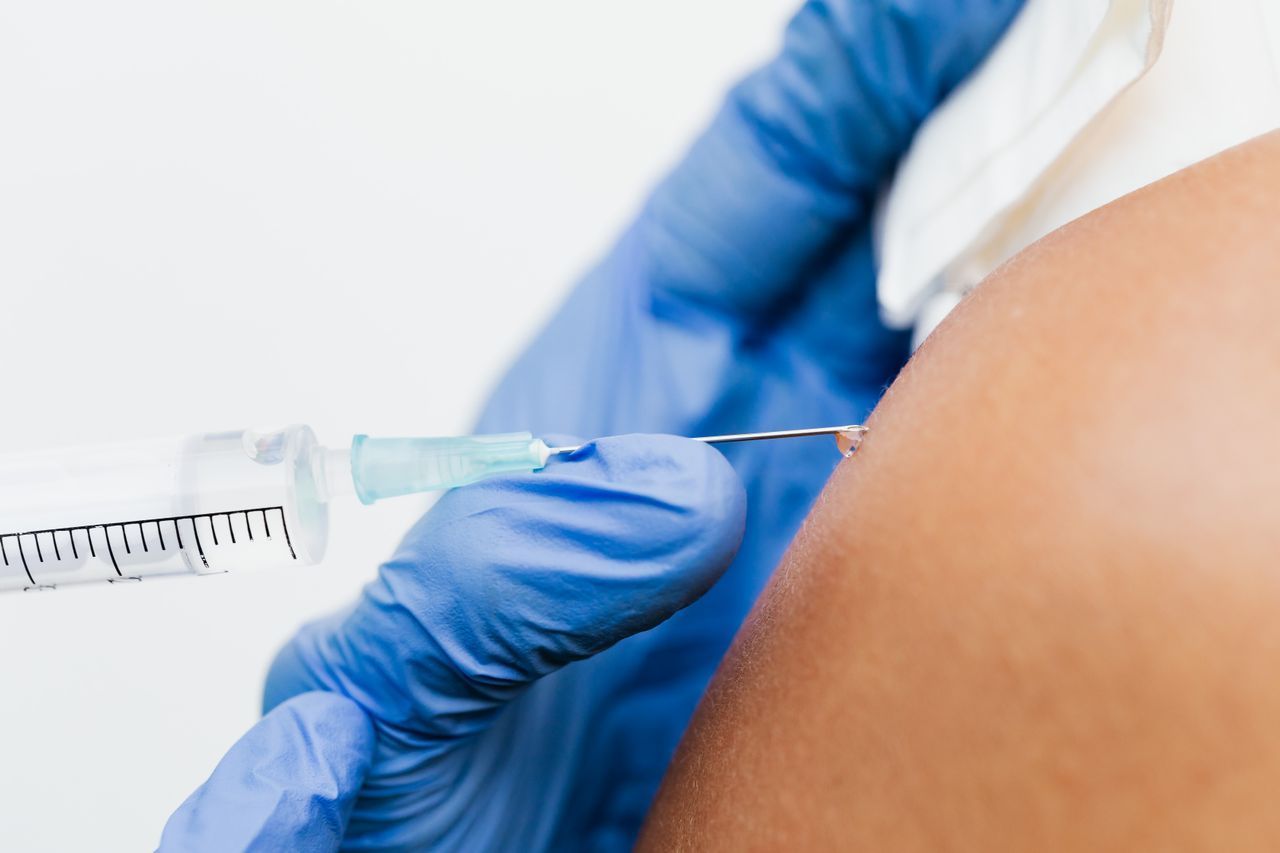
3. Procedure: The stem cell therapy procedure typically involves extracting stem cells from the patient or donor, concentrating them, and then administering the concentrated stem cells at the site of injury or inflammation via injection.
Exploring Platelet-Rich Plasma (PRP) Injections for Pain Relief
Platelet-rich plasma (PRP) injections are another innovative regenerative medicine technique that capitalizes on the body's natural healing mechanisms. PRP injections utilize the patient's own blood, specifically the platelets and growth factors within, to facilitate tissue repair and alleviate pain. Key points to understand about PRP injections include:
1. Platelets and Growth Factors: Platelets are a component of blood responsible for clotting and wound healing, while growth factors are proteins that help regulate cellular growth and division. PRP injections are rich in both platelets and growth factors, promoting the repair and regeneration of damaged tissues at the injection site.
2. Treatment Applications: PRP has been applied effectively in treating a wide array of pain-related conditions, including tendon injuries, joint pain, muscle strain, and osteoarthritis.
3. Procedure: PRP injections involve drawing a small amount of the patient's blood, processing it in a centrifuge to separate and concentrate the platelets and growth factors, and then injecting the concentrated PRP into the affected area to stimulate healing.
Comparing Stem Cell Therapy and PRP Injections
While both stem cell therapy and PRP injections fall under the umbrella of regenerative medicine, there are key differences between the two treatments that may influence their application for specific conditions:
1. Cell Source: Stem cell therapy typically utilizes external sources of stem cells (either the patient's own body or donor-derived), whereas PRP injections rely solely on the patient's blood.
2. Mechanism of Action: While both treatments promote tissue repair and regeneration, stem cells primarily differentiate into specialized cells to replace damaged tissue, whereas PRP injections stimulate healing by providing concentrated platelets and growth factors.
3. Potential Benefits: Both stem cell therapy and PRP injections have shown benefits in reducing pain and inflammation, enhancing tissue repair, and promoting overall joint function. However, some conditions may respond better to one treatment over the other, highlighting the importance of a personalized approach to pain management.
Finding the Right Regenerative Medicine Treatment for You
When deciding whether stem cell therapy or PRP injections are the appropriate regenerative medicine treatments for you, consider the following steps:
1. Consultation: Speak with a knowledgeable pain management professional, such as the team at Apollo Spine and Pain Center, to discuss your unique needs and determine which regenerative medicine treatment may be most suitable for your condition.
2. Thorough Evaluation: Your healthcare team will conduct a comprehensive assessment to identify the underlying pain-related issues and evaluate your overall health before recommending treatments.
3. Customized Treatment Plan: An individualized treatment plan will be devised to help you regain pain-free function, incorporating either stem cell therapy, PRP injections, or potentially a combination of both, depending on your specific needs.
Conclusion
Regenerative medicine offers exciting possibilities for those seeking innovative pain management solutions. With the potential to deliver lasting relief and enhance the body's natural healing process, treatments like stem cell therapy and PRP injections can provide newfound hope for patients suffering from chronic pain.
At Apollo Spine and Pain Center, our skilled professionals are committed to providing comprehensive, personalized care that encompasses the latest advancements in regenerative medicine techniques, including
PRP for pain management. Through careful evaluation, expert guidance, and a desire to see patients thrive, our team is dedicated to helping individuals navigate the complexities of regenerative medicine and determine if stem cell therapy or PRP could be a valuable addition to their pain management plan. Contact us today to schedule an appointment!