What to Expect During Your First Visit to an Interventional Pain Management Clinic
Taking the first step toward managing long-term pain can bring a mix of relief and hesitation. A first visit to an interventional pain management clinic is often filled with questions about what will happen and how it might be different from a regular doctor's appointment. In places like Cumming, GA or Jasper, GA, where colder winter weather tends to aggravate chronic conditions, the timing of that visit matters even more. Pain tends to get worse when temperatures drop, which is why many make that first call during this season. Understanding what to expect ahead of time makes the experience easier and less stressful.
Getting Ready Before Your Appointment
Preparation starts before you walk through the door. Setting yourself up for a smooth visit can make those first steps feel a little less uncertain. Here are a few things to bring along:
• Your ID and insurance card
• A list of current medications (including supplements)
• Any medical records that are related to your pain, like previous test results or past procedures
• Notes about when your pain started, what seems to make it worse, or how it affects your day
It’s also helpful to come in with specific questions. Maybe you’re wondering if nerve blocks can help this winter or if certain movements you’re avoiding can be brought back with the right treatment. When you walk in with answers and questions ready, we can focus more clearly on what’s next.
What Happens When You First Walk In
Once you arrive, you’ll notice that an interventional pain management setting doesn’t always follow the same routine as your family doctor's office. The check-in process is usually simple, but it can include a few extra steps since we want a fuller picture of your pain history.
• You’ll fill out paperwork related to your symptoms, past treatments, and general health
• We may ask about past imaging or any diagnoses you’ve already received
• A care assistant might meet you for a short intake, asking specific questions about what brought you in
The tone is often more focused than what you might expect from a regular physical. That’s because the goal isn’t just to track numbers or run labs; it’s to understand how much pain is limiting your daily rhythm.
Evaluation and First Conversation with the Provider
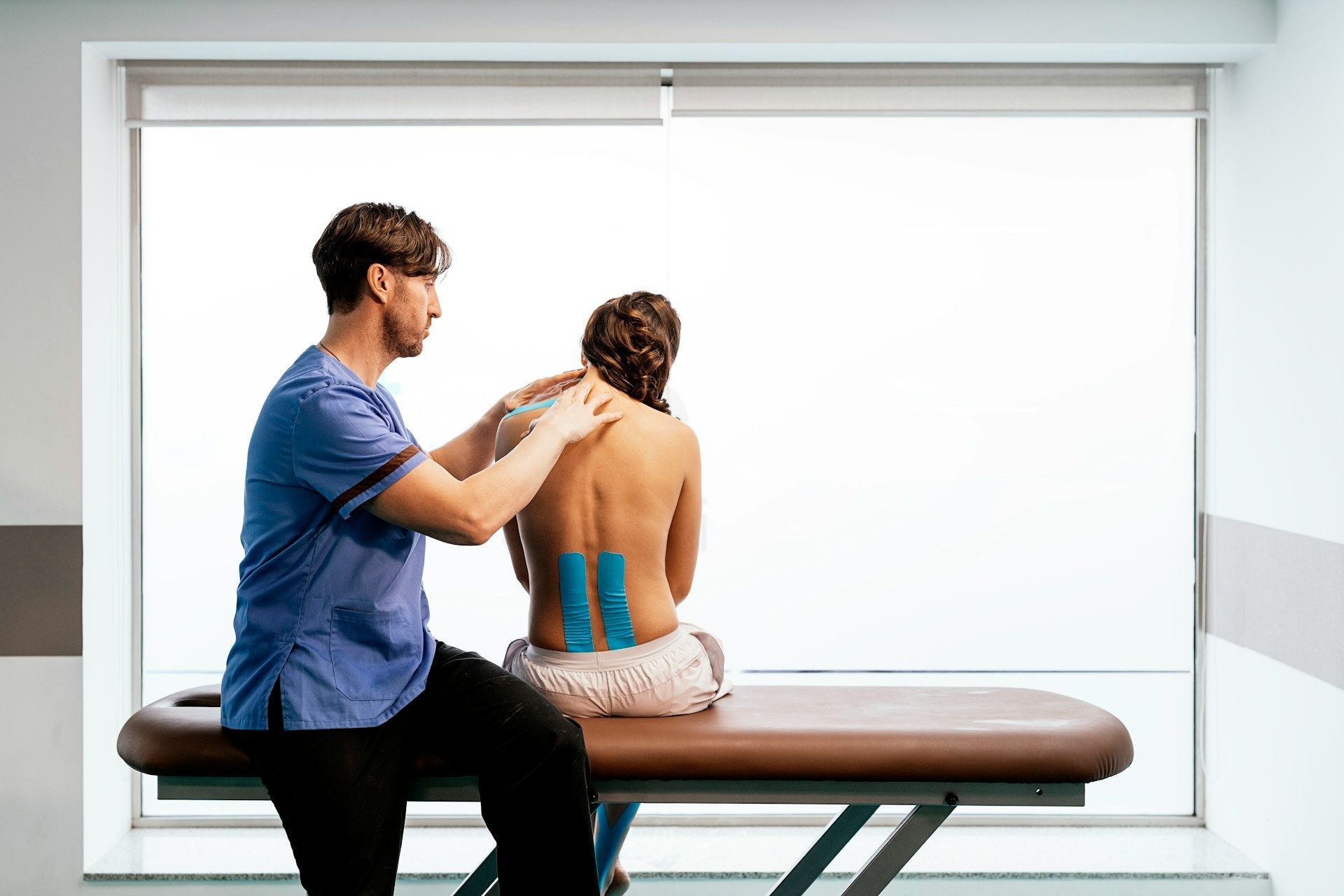
Once paperwork is handled, your provider will meet with you to talk through your situation. This is where the focus shifts entirely to your experience, what hurts, when it started, and how it’s affecting how you live. Here’s what that process might include:
• Talking through your pain story, from the first signs to anything that's made it feel better or worse
• A physical evaluation to look at range of motion, nerve response, or areas of tenderness
• Questions about your job, family life, and sleep, since pain often affects those areas too
The provider might ask about what you've already tried. This conversation helps us focus on what hasn’t worked and opens the door for us to explore new options together. With seasonal shifts like the colder weeks in January, this is also when we might talk about how winter affects your daily discomfort in unique ways.
At Apollo Spine and Pain Center, board-certified pain management doctors take a comprehensive approach by reviewing both your medical records and current symptoms. They may discuss advanced treatment options such as image-guided injections, radiofrequency ablation, or regenerative therapies depending on your needs.
What Comes After the Consultation
After the first visit, you might leave with a better idea of what’s next. That could mean getting an updated MRI or scheduling a procedure later on. It depends on what was discussed, what’s been ruled out, and what direction makes the most sense.
• A timeline might be built around diagnostics like imaging or lab work
• Diagnostic injections could be scheduled to help pinpoint the exact source of pain
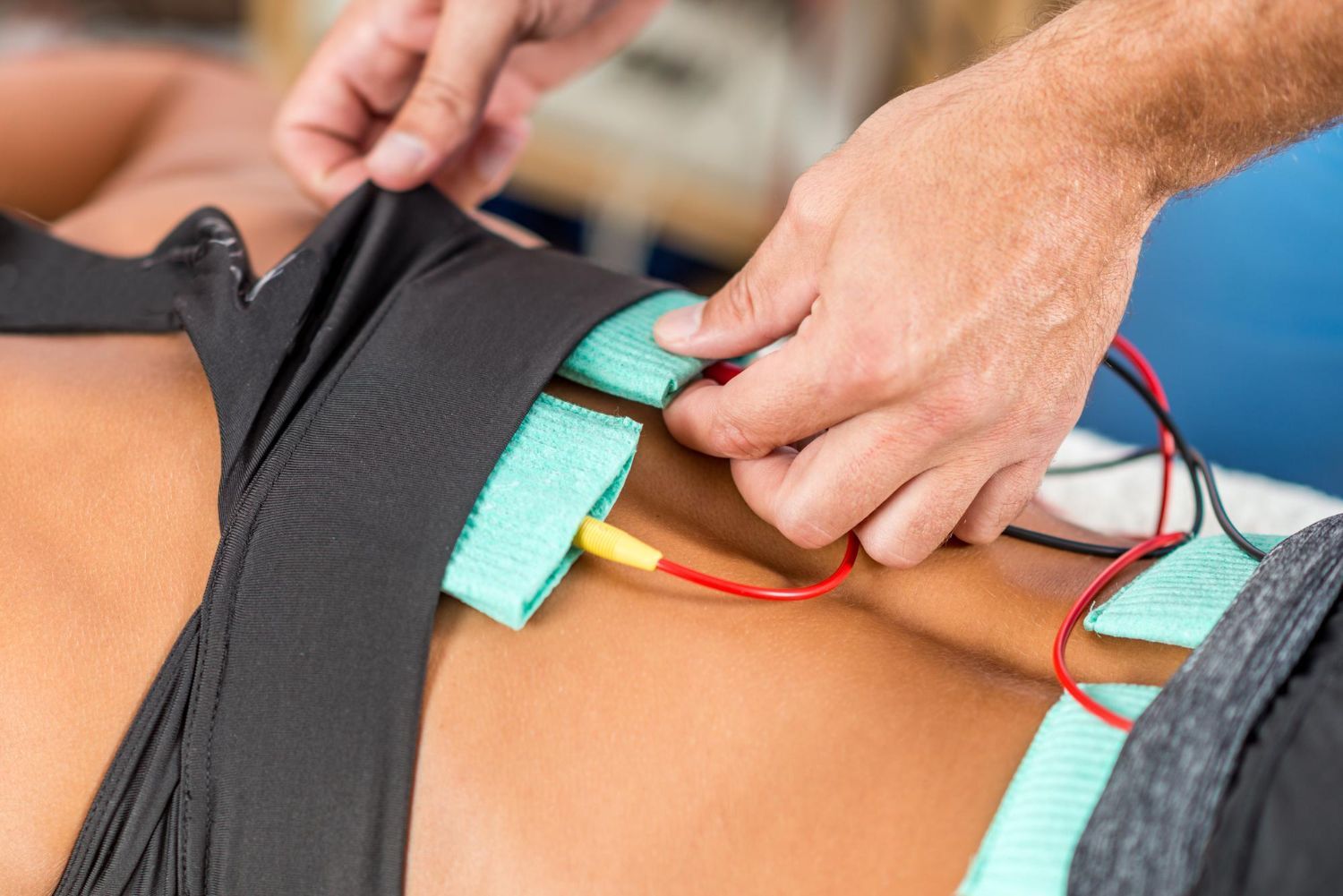
• A starting care plan may include physical therapy, follow-up visits, or procedure-based treatment
All of this is shaped by how your body responds and how involved your condition is. Some people leave with a few next steps planned, while others begin a more detailed process to figure out where the main pain triggers begin. The keyword is progress. Starting care at an interventional pain management clinic makes that progress more targeted and specific from day one.
Patients at Apollo Spine and Pain Center benefit from individualized care, often combined with advanced techniques and minimally invasive procedures that target their pain at its source. The treatment journey is designed to maximize function and comfort, whether pain is related to joints, nerves, or soft tissues.
What Makes Winter Care Unique in North Georgia
North Georgia winters don’t get harsh, but they bring enough chill to change how bodies feel. For many people, joints get stiffer, old injuries become more noticeable, and mornings feel harder. In Cumming, GA and Jasper, GA, colder weather tends to bring in more first-time visitors looking for help with flare-ups that weren’t as noticeable during warmer months.
• Cold temperatures can cause muscles to tighten and increase joint pressure
• Less daylight and limited outdoor activity can reduce movement, which adds to discomfort
• More time inside might increase periods of sitting or inactive posture, adding stress to certain muscle groups
That’s why winter is a smart time to start or revisit pain management efforts. Treatments that help reduce inflammation or support joint movement often feel more useful when cold weather exaggerates problem areas. Knowing that the season may be working against you helps us plan care that works with your body, not against it.
Moving Forward with Less Guesswork
Starting pain care isn’t always easy, but showing up for a first visit is already a big move in the right direction. By looking at what hasn’t helped and laying out what comes next, we remove some of the mystery that often surrounds chronic pain. You don’t have to walk into that appointment unsure of what’s going to happen.
We listen, we ask thoughtful questions, and we pay attention to how pain is shaping your day. It’s not about patching things up for now. It’s about building a plan that fits your life longer term. When that first visit is done, you’ll leave with more clarity and a path that feels better mapped out.
At Apollo Spine and Pain Center, we understand how important it is to feel confident and informed before starting something new, especially when pain has been part of your life for a long time. Choosing an
interventional pain management clinic in Cumming, GA or Jasper, GA can help you find the right path forward. We’re committed to uncovering the source of your pain, understanding its impact on your daily life, and working together to build a realistic treatment plan. Reach out to schedule your first appointment and get meaningful answers.