What Treatment Approaches Can an Interventional Pain Management Doctor Use?
As the colder months settle in across Cumming, GA and Jasper, GA, we see more people struggling with pain that doesn’t let up. Joint stiffness, nerve flare-ups, and muscle tension tend to become harder to manage. When rest, ice, or medication isn’t enough, it may be time to consider working with an interventional pain management doctor.
Instead of simply masking pain, our goal is often to go right to the source. This approach offers more direct ways to treat problems that have lingered too long. We’ll walk through a few of the treatment methods that might be part of this process, especially during the winter season when pain often feels worse. There’s no one-size answer, but understanding how these treatments work can help clarify the next step forward.
How Interventional Pain Management Is Different
We’ve talked with many people who feel like their pain care has stalled. Something hurts, and it's been hurting for a while. They try different medications, maybe physical therapy, but nothing really sticks. That’s where a more targeted approach can make a difference.
Interventional pain care takes a direct route. Here’s what sets it apart:
• We use procedures focused on the exact source of the pain, not just general relief.
• The goal is to limit or avoid long-term use of daily pain meds.
• Most of these treatments are applied when someone hasn’t seen lasting relief from other care paths.
Instead of treating the pain as a symptom, we aim to locate and treat the root. That can mean fewer flare-ups and more control over pain in the long run. People often come to this point ready for something that does more than cover things up for a few hours.
Common Procedures Used to Relieve Nerve and Spine Pain
Spine and nerve pain are both common reasons people look into this kind of care. They tend to be persistent and can show up anywhere from the neck down to the lower back. For those living with this kind of discomfort, certain treatments may help cut down how often the pain shows up, or how deeply it affects daily life.
Here are some of the more typical procedures we may use:
• Epidural steroid injections can ease inflammation around spinal nerves. This option can be useful for things like sciatica or pain that moves from the back into the legs.
• Facet joint injections or medial branch blocks help relieve pain in the small joints along the spine. These are often used to diagnose and treat neck or low back pain.
• Radiofrequency ablation involves applying heat to target nerves. It helps disrupt pain signals being sent to the brain without cutting or removing tissue.
These procedures are done with precision, usually guided by imaging. While none of them are guaranteed solutions, they create space for healing and give the body a better chance to recover.
Apollo Spine and Pain Center offers a full spectrum of interventional therapies, including fluoroscopy-guided injections and minimally invasive surgical procedures tailored for chronic back, neck, and joint pain. These state-of-the-art treatments are carried out by board-certified pain specialists.
Non-Surgical Treatments That May Help in Cold Weather
Cold weather doesn’t cause pain, but it often makes it worse. Muscles tighten, blood flow slows, and old injuries have a way of making themselves known again. That’s why non-surgical help during winter can be a good fit for people in North Georgia whose pain comes and goes with the temperature.
These treatment options don’t involve surgery, but they still work below the surface:
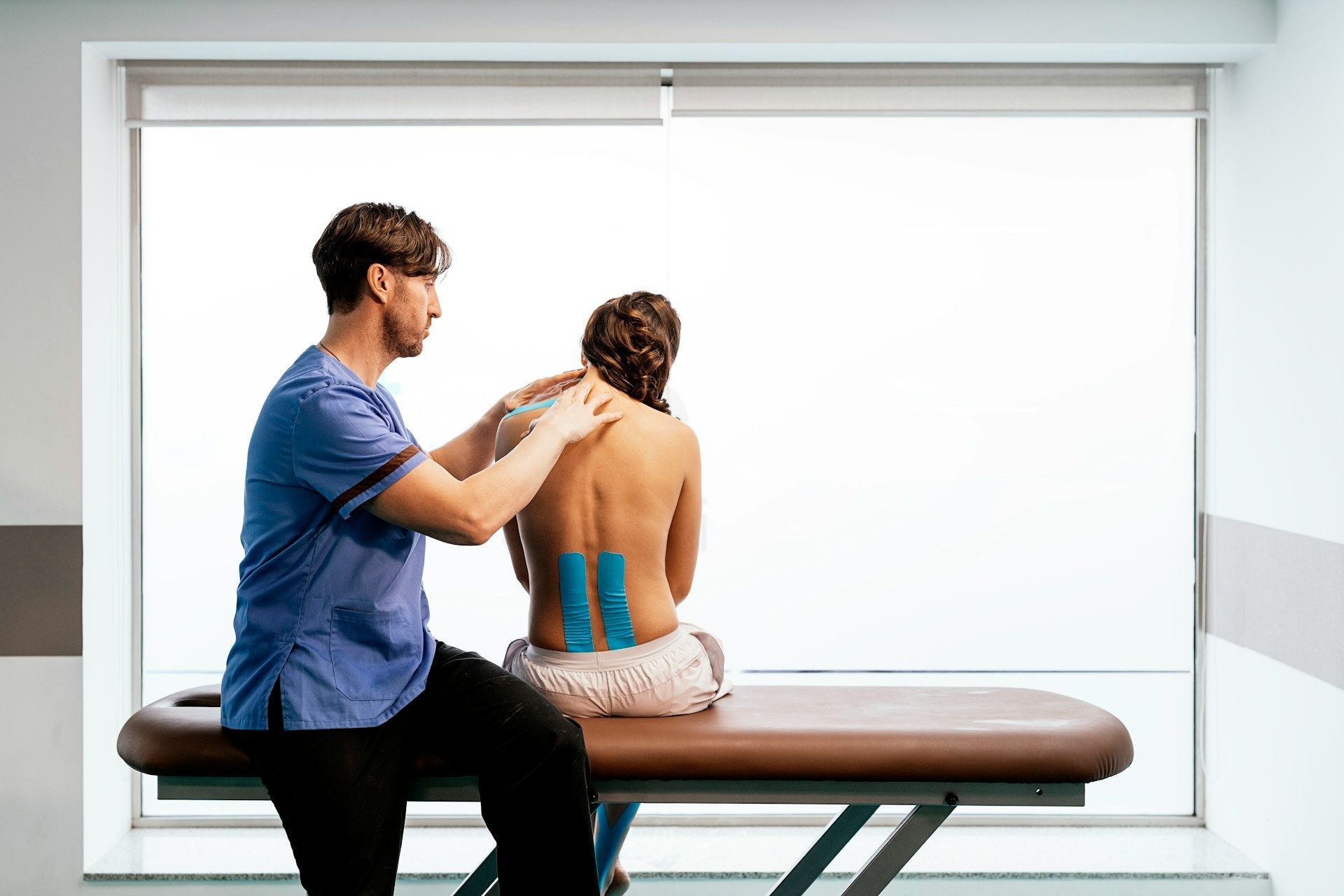
• Trigger point injections help relax painful areas of tight muscle. These spots are common in the shoulders, neck, or upper back and can feel worse in cold air.
• Joint injections may be used for parts of the body that carry weight, like knees, hips, or shoulders. Winter stiffness often settles into these areas.
• Nerve blocks are another option. They act like a timeout for certain pain messages, which can help someone get through a string of rough weeks without changing their whole routine.
These methods are often chosen because they let people keep up with daily life while still addressing the pain. When walking outside or getting out of bed becomes tougher in the winter, small steps toward relief can go a long way.
When to See an Interventional Pain Doctor in Cumming or Jasper
There isn’t one perfect time to try a different path for managing your pain, but some signs might help you decide. Whether we’re talking about joint pain that’s flared up with the colder mornings or long-term nerve pain that hasn’t improved, waiting too long can make things worse.
Here’s when it might be time to check in with someone who takes this approach:
• If you’ve already tried physical therapy, ice, heat, or medication but haven’t seen enough progress
• If certain movements during the day, getting out of a chair, walking outside, reaching up, have gotten harder since the weather changed
• If you’re curious about options that don’t mean jumping straight to surgery
Each person’s story looks different, but the goal stays the same. We look at what’s been tried, what hasn’t worked, and what could help your body move more freely again.
Better Choices With Less Dependence on Daily Medications
Pain can shape days more than we’d like to admit. It affects when we wake up, how we move, and sometimes whether we’re able to enjoy time with family or even run a quick errand. When the colder season sets in across Cumming, GA and Jasper, GA, those shifts can feel even more limiting.
An interventional pain management doctor may offer the kind of care that builds options instead of limits. These treatments help slow the pace of pain, giving space for healing without leaning harder on medication. The goal is to make room for comfort and movement at the same time. That way, you can get back to your daily rhythm without always bracing for the next flare-up.
Personalized Pain Relief With a Team Approach
At Apollo Spine and Pain Center, every patient receives a comprehensive evaluation, and plans are designed with both your history and your goals in mind. The use of advanced imaging allows for greater precision and better long-term outcomes, especially for those struggling with pain that has not improved with conservative therapies.
At Apollo Spine and Pain Center, we understand how challenging it is to deal with pain that just won't go away despite your best efforts. When simple treatments fall short, and you're interested in longer-term solutions, working with an
interventional pain management doctor could be the right move. This specialized care focuses on addressing the underlying cause rather than just managing symptoms. No matter how long you've been experiencing discomfort or if the colder weather is making things worse, we’re ready to discuss your options and help you find relief. Contact Apollo Spine and Pain Center to schedule your visit.