Finding Relief From Frozen Shoulder With Pain Management
Understanding Frozen Shoulder and Why It Hurts So Much
Frozen shoulder, also called adhesive capsulitis, happens when the capsule that surrounds your shoulder joint becomes inflamed, thick, and tight. That capsule is like a sleeve of tissue that helps keep the ball-and-socket of your shoulder in place. When it swells and tightens, it restricts how far the joint can move and irritates nearby nerves, which is why the pain can feel sharp with movement and achy at rest.
Symptoms usually follow three phases. In the freezing phase, pain comes on gradually and movement starts to feel restricted. Many people notice that reaching overhead, tucking in a shirt, or fastening a bra becomes painful. In the frozen phase, the pain may lessen a bit, but stiffness becomes intense and the shoulder feels stuck. During the thawing phase, motion slowly returns as the capsule loosens, although this can take many months.
We often see frozen shoulder in people with certain risk factors. Diabetes, thyroid disease, and some other medical conditions are linked to a higher risk. It can also develop after the shoulder has been kept still for a while, such as after an injury, fracture, or surgery, especially if early motion was limited. Age plays a role, and it is more common in middle-aged adults and in women.
Left untreated, frozen shoulder can interfere with almost every part of daily life. Sleep is often disrupted because rolling onto the painful side or reaching for the covers triggers a sharp ache. Simple tasks like getting dressed, washing hair, or lifting objects at work can feel impossible. Over time, the constant pain and limitations can affect mood and independence. That is why we encourage early evaluation so we can protect function and guide the shoulder toward recovery.
How Pain Management Specialists Diagnose Frozen Shoulder
When you visit a pain management clinic like Apollo Spine and Pain Center, we start by listening. We ask about where the pain started, how it has changed, and what makes it better or worse. We review your medical history, including past injuries, surgeries, and conditions such as diabetes or thyroid problems, and we talk about how shoulder pain is affecting your work, hobbies, and self-care.
The physical exam focuses on both pain and motion. We gently move your arm in different directions to see how far the joint can go and when the pain appears. One key feature of frozen shoulder is that passive motion, when we move your arm for you, is limited along with active motion when you move it yourself. This helps us distinguish frozen shoulder from problems like rotator cuff tears, where strength may be reduced but the joint can still be guided through a larger range.
Imaging is not always required to confirm frozen shoulder, but it can be helpful to rule out other conditions. We may suggest an X-ray to look for arthritis or bone changes, or an MRI or ultrasound if we suspect a rotator cuff tear or another structural problem. These studies help us make sure we are targeting the true source of the pain.
Every shoulder is different, so we create a personalized plan. When we design treatment at Apollo Spine and Pain Center in Cumming and Jasper, we consider your pain intensity, how much motion you have lost, your job and daily activities, and your overall health. This allows us to combine physical therapy, medications, and interventional pain management services in a way that matches your goals and lifestyle.
Conservative Treatments That Support Shoulder Recovery
Most frozen shoulder treatment begins with conservative care. We often start by adjusting activities that aggravate the joint, such as repeated overhead lifting or heavy pushing and pulling. Heat can relax tight muscles before stretching, while ice can ease soreness after exercises. Over-the-counter anti-inflammatory medications may help reduce pain so you can move more comfortably.
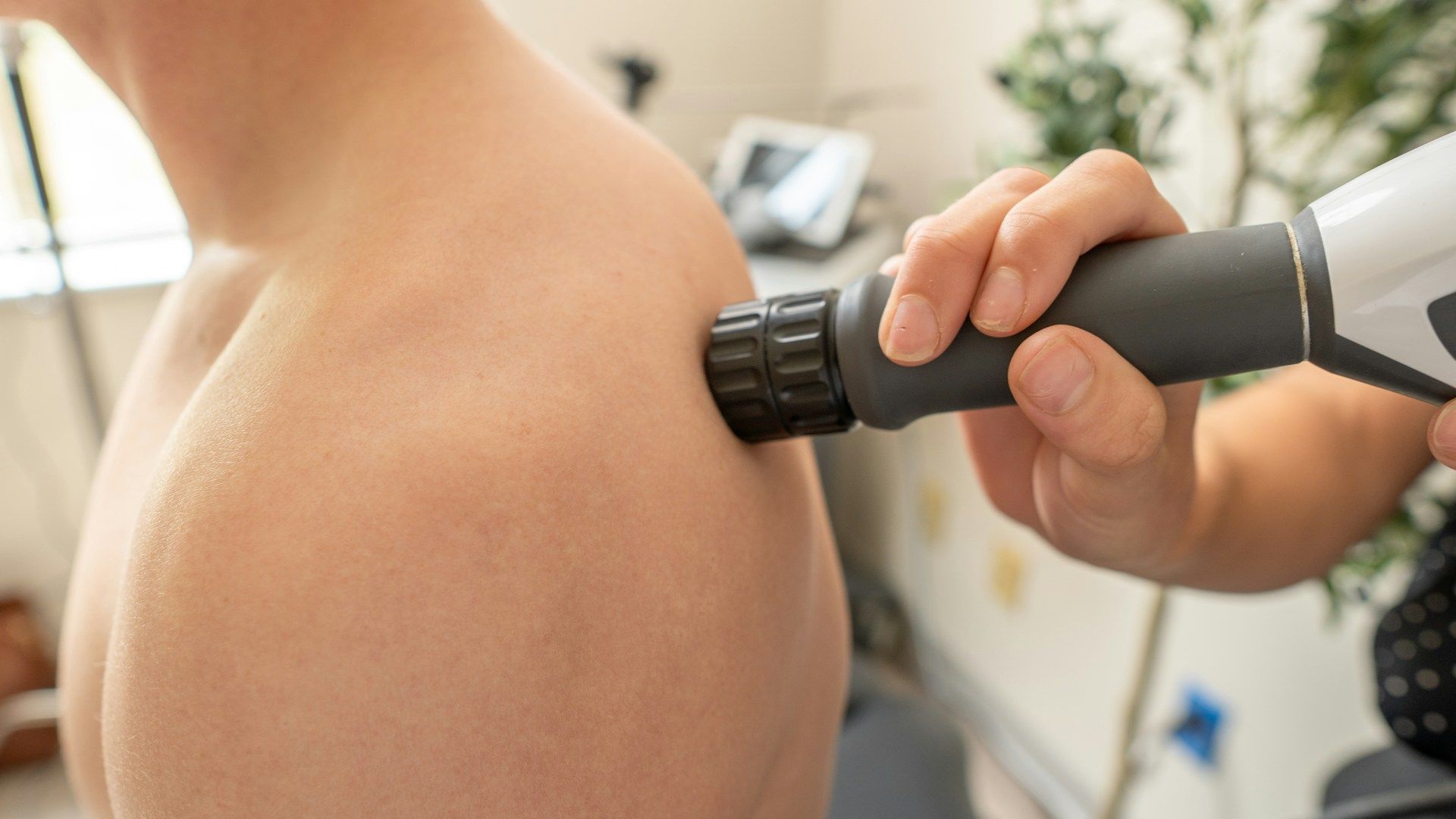
Physical therapy is one of the most important tools for frozen shoulder. A therapist teaches gentle stretches that target the capsule and surrounding muscles, gradually increasing motion without overloading the joint. Techniques may include joint mobilization, posture training, and manual therapy to address muscle tightness in the neck and upper back that can develop from guarding the shoulder. Home exercise plans keep progress going between visits and put you in control of your recovery.
In some cases, short-term prescription medications are helpful. Stronger anti-inflammatories, muscle relaxants, or medications for nerve-related pain may be used for a limited time. The goal is not to rely on pills long term, but to reduce pain enough that you can participate fully in physical therapy and daily activity.
Conservative care can be very effective, but it does not always provide enough relief on its own. If pain remains intense, motion does not improve, or progress stalls, we may recommend adding interventional pain management services to give the shoulder a more powerful push toward healing.
Interventional Pain Procedures for Frozen Shoulder Relief
Interventional pain management services focus on treating pain directly at its source rather than depending only on oral medications. For frozen shoulder, these procedures can quiet inflammation, reduce stiffness, and create a window of improved comfort so you can stretch and strengthen the joint more effectively.
Common options include:
- Corticosteroid injections into the shoulder joint to calm inflammation and ease pain
- Injections into surrounding tissues if there is significant irritation in the bursa or soft tissues
- Ultrasound-guided injections to help place medication precisely where it is needed
- Hydrodilatation, also called joint distension, which uses fluid to gently stretch and loosen the tight capsule
During these procedures, you are typically in an outpatient setting. We clean the skin, apply a local anesthetic to numb the area, and then use a thin needle to deliver medication into or around the joint. Ultrasound guidance can help us see the structures beneath the skin in real time for accuracy and safety. Most people are able to go home shortly afterward and return to light activities the same day, with some instructions about avoiding heavy use of the arm for a short period.
The real power of these procedures comes when they are combined with physical therapy. Once pain calms and the capsule is slightly more flexible, you can move the shoulder through a larger range. That extra motion allows the therapist to progress stretches and strengthening more effectively, which can speed recovery and may help many people avoid or delay surgery.
When Frozen Shoulder Is Severe or Not Improving
Some frozen shoulders are particularly stubborn. Signs of a more advanced case include extreme stiffness where you can barely lift the arm, severe pain at rest or at night, and little or no improvement after several months of consistent conservative care. When this happens, it is easy to feel discouraged, but there are still options to explore.
In these more complex cases, a pain management clinic may work closely with other specialists. Additional options can include manipulation under anesthesia, where an orthopedic doctor moves the shoulder while you are asleep to break up tight tissue, or arthroscopic surgery to release the capsule in very severe situations. If we feel that these approaches may help, we coordinate referrals and help you understand the risks and benefits.
Even when other specialists are involved, interventional pain management services continue to play an important role. Repeat injections, when appropriate, can help manage pain through the different phases of healing. Medication management and regular follow-up visits allow us to track progress, adjust your plan, and support you through what can be a long process.
It is important to set realistic expectations. Frozen shoulder often takes many months to fully resolve, and some degree of soreness or stiffness can linger for a while. With consistent treatment, most people experience major improvement in pain, function, and quality of life, which is the outcome we always aim for.
Taking the Next Step Toward Shoulder Pain Relief
If shoulder pain is interrupting sleep, making it hard to get dressed, or limiting your work and hobbies, waiting for it to pass on its own can allow stiffness to worsen. Early evaluation gives you clarity about what is going on in the joint and opens the door to treatments that can protect motion and reduce pain before the shoulder becomes completely frozen.
At Apollo Spine and Pain Center, we believe the best results come from a comprehensive approach. Education, physical therapy, medications, and interventional pain management services can work together to gradually unlock a stiff, painful shoulder. Many people find it helpful to track symptoms, note what movements are most limited, and write down questions they want to ask so they feel prepared for a visit and ready to participate in their care.
Take the First Step Toward Lasting Pain Relief
If pain is limiting your daily life, we are here to help you find a clear path forward. Explore our specialized
interventional pain management services to see how targeted treatments can address the root cause of your discomfort. At Apollo Spine and Pain Center, we tailor each care plan to your unique needs so you can move with greater comfort and confidence. To schedule a visit or ask questions, please
contact us today.