My Back Hurts More on Long Summer Drives What Can Help?
A long summer drive can feel like the perfect start to a weekend, especially around Cumming, GA and Jasper, GA. The windows are down, the sun is up, and the open road feels full of possibility. But after an hour or two, you might notice something not so pleasant: your back starts to ache. Sometimes it’s a dull stiffness that creeps in slowly. Other times, it's a sharper, more specific pain that lands in the lower back or wraps up around the shoulders.
We hear from a lot of people who feel fine at the beginning of a drive, only to feel tight and sore by the time they arrive. The good news is, there’s usually a reason behind that discomfort. Once you know what’s triggering the pain, it becomes easier to prepare for future trips. Understanding pain management for back pain and making small adjustments for summer travel can make things feel more manageable.
Why Summer Driving Feels Different on Your Back
When it's warm out, sitting in the car for long periods has a different effect on the body than it does in cooler months. Heat adds more stress to muscles by speeding up fatigue, especially when there's no movement to break up the tension.
- Staying locked in one position limits blood flow. The lower back often feels this first since those muscles help keep us upright and balanced even while sitting.
- Heated seats can make sore areas feel worse instead of better. They increase warmth but don't offer deeper support or relief.
- Habitual posture plays a role too. Long drives without support often lead to slouching or leaning. Over time, this strains the spine and surrounding muscles.
- On crowded summer roads, frequent braking and sudden stops mean the body keeps bracing and adjusting. This adds microstress on joints and ligaments.
All these subtle forces combine into a recipe that wears on the spine more quickly in summer than people expect.
Common Back Pain Triggers During Road Trips
Even something that seems as routine as holding the wheel can set the stage for upper or lower back pain. It doesn’t always happen right away. Often, it builds slowly with each outing.
- Long driving sessions with no movement pile up pressure on the discs between spinal vertebrae. Over time, that makes them feel sore or inflamed.
- Gripping the steering wheel tightly brings tension into the forearms, which can travel up into the shoulders and neck. Many people don’t realize they’re clenching until after pain sets in.
- Car seats that don’t match a person’s natural curve encourage slouching. Once that pattern holds for too long, the discomfort doesn’t just stop when the car does.
Back pain from driving often starts small but becomes more frequent or more severe over time, especially without simple adjustments or movement breaks.
Simple Prevention Tips Before You Hit the Road
A little bit of planning can help you avoid mid-trip soreness. Focusing on setup and habits before you put the car into drive can go a long way.
- Stretch gently before getting in the car, with attention to your hamstrings, hips, and lower back. These muscles all connect through the pelvis, making them key to back comfort.
- Adjust your seat so your hips are level and your knees are slightly lower. Set mirrors to work best while sitting tall; this helps keep you from slumping or shifting down.
- Bring a small pillow or lumbar roll to press into the small of your back. It supports the spine’s natural curve and helps reduce pressure in the lower spine.
It may only take an extra minute or two before you leave, but these small steps can stop pain from taking over your ride.
Mid-Drive Habits That Can Keep Pain from Building Up
Taking short breaks and paying attention as you drive can really change how you feel when the trip ends. These reminders don’t interrupt your travel time much, but they help your body reset before discomfort gets locked in.
- Pull over every hour or so to stand, walk for a minute, and stretch gently. This boosts circulation and gives tired muscles a chance to recover.
- Drink water regularly. Good hydration helps muscles work better and prevents cramping.
- Keep checking in with your posture. When you notice a slump or twist, shift gently. Even adjusting your shoulders or repositioning your feet can reduce tension over time.
These aren't dramatic changes, but they keep tension from building up into bigger pain by the time you reach your destination.
When It’s Time to Ask for Help with Back Pain
Sometimes soreness fades within a few hours. But when it doesn’t, or if it becomes part of your regular driving experience, it may be time to take a closer look.
- If back pain hangs around for more than three days after driving, pay attention to how often it’s happening and how it's developing.
- For people with a known back condition, hot weather and long car rides can lead to faster flare-ups. Seasonal heat often leaves the body more worn out than expected.
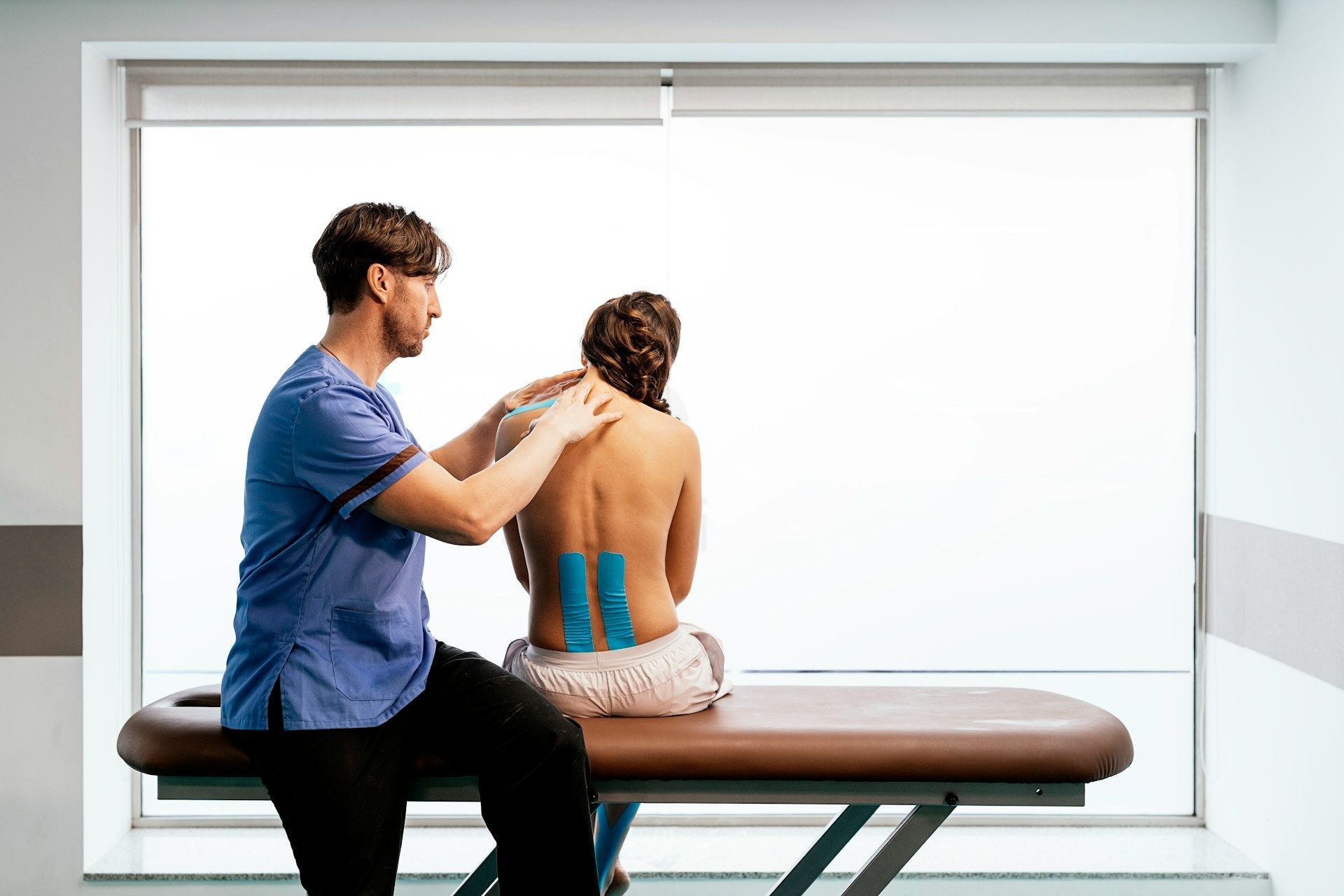
- Local pain specialists can help with care strategies that approach trouble spots with consistent summer travel in mind. Getting real answers may help you get ahead of pain instead of chasing it after it starts.
We all get stiff sometimes, but when the pain moves past the occasional bad day, it could signal something bigger worth checking early.
Stay Comfortable On and Off the Road
Summer should be a time to enjoy the road, not dread how you’ll feel afterward. Whether you're headed to a family gathering or just driving between towns near Cumming, GA or Jasper, GA, taking care of your body before and during the drive can change your whole experience.
We’ve seen how something as simple as posture or hydration makes a surprising difference. When you stay aware of your comfort and make your seat and setup work for your body, you give yourself a better shot at arriving feeling steady, not sore. Pain may not disappear completely, but with awareness and planning, many people can drive farther and feel better doing it.
Back pain during or after drives, especially in the summer heat around Cumming, GA or Jasper, GA, can signal it’s time to address more than your seat adjustments. We specialize in supporting people whose discomfort doesn't ease up with a quick stretch or new pillow. When road trips leave you feeling uncomfortable more often than not, let us help you find lasting relief. Discover how we assist patients through consistent, local
pain management for back pain and call Apollo Spine and Pain Center to schedule your visit today.