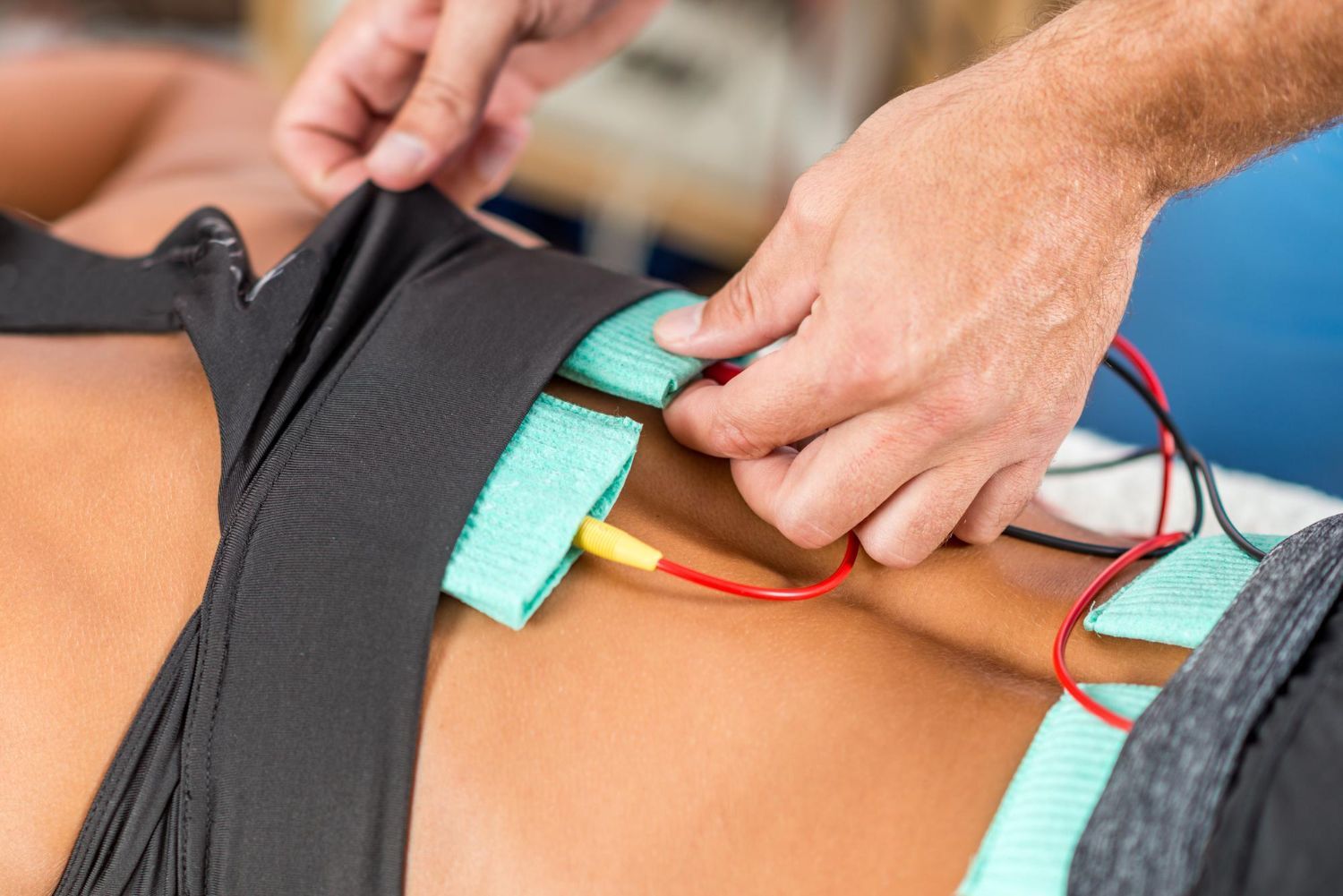
Heat or Ice for Neck Pain Management: How to Decide
Neck pain management often starts with a simple question: should you use heat or ice? Both can bring short-term comfort, but the better choice depends on what your neck feels like, when the pain started, and whether there was a recent strain or injury.
Cooler November weather, long holiday drives, and changes in normal routines can make neck stiffness more noticeable. Cold weather does not directly cause neck pain, but some people move less and hold more tension in their muscles when temperatures drop. At Apollo Spine and Pain Center, we help people in Cumming and Jasper understand persistent spine, joint, and chronic pain concerns with care plans built around their individual needs.
Start Neck Pain Relief with the Right Temperature
Heat and ice are common tools for neck pain management, but neither is a one-size-fits-all answer. A warm compress may feel soothing when your neck is stiff after a long day at a desk. A cold pack may feel better after an awkward twist, lifting strain, or sudden flare.
Pay attention to how the discomfort began and how it feels now. In general, heat often matches muscle tightness and ongoing stiffness, while ice may fit newer pain that feels tender or irritated.
Temperature therapy may ease symptoms for a short time, but it does not explain why the pain is happening. Recurring, severe, or disruptive neck pain deserves a proper medical evaluation, especially if home measures are not helping.
How Heat Eases Stiff, Tight Neck Muscles
Gentle heat may be helpful when your neck feels dull, achy, tight, or difficult to move. We often hear about this kind of discomfort after poor posture, long computer sessions, driving, or sleeping in an uncomfortable position. It can also show up as a stiff neck first thing in the morning.
Warmth may help relax tense muscles and make gentle movement feel more comfortable. For some people, heat is useful before light range-of-motion exercises or posture changes because it can reduce the feeling that the neck is “stuck.”
Common options include:
- A warm shower
- A heating pad set to a gentle temperature
- A warm, damp towel
- A microwavable heat wrap
For safer use, keep sessions short, usually around 15 to 20 minutes. Place a cloth barrier between your skin and the heat source, and check your skin regularly. Rather than staying still afterward, try to change positions, take a short walk, or gently move your neck within a comfortable range.
Heat should never feel painfully hot. If it causes burning, more discomfort, or skin irritation, stop using it.
When Ice Can Calm a New Neck Pain Flare
Ice may make more sense when neck pain is new and connected to a recent strain, minor injury, sudden movement, or activity-related flare. Cold therapy can temporarily dull pain signals and may be useful when the area feels tender, sore, or mildly swollen.
You might consider cold therapy after situations such as:
- Lifting or carrying something that triggered neck pain
- A sudden flare after exercise or physical activity
- Sleeping in an unusual position and waking with sharp soreness
- An awkward turn or movement that leaves the neck tender
Apply a cold pack wrapped in a thin towel for about 10 to 15 minutes at a time. Never place ice directly on bare skin, and do not fall asleep with a cold pack in place. Cold therapy is not always the best fit for a neck that mainly feels stiff without a recent flare or injury.
Stop if cold increases your pain or causes numbness, skin irritation, or an uncomfortable burning sensation. When in doubt, it is better to pause and discuss your symptoms with a healthcare professional than to keep pushing through a treatment that does not feel right.
Match Temperature Therapy to Your Symptoms
The best choice often comes down to the pattern of your symptoms. Heat may be more comfortable for ongoing tightness, dull soreness, reduced flexibility, and muscle tension. Ice may be more comfortable for newer pain that feels sharp, tender, inflamed, or connected to a recent strain.
Some people find that heat and ice can each have a place during the same minor flare. Ice may feel better early on when pain is sharp and irritated. Later, when the main problem becomes lingering tightness, gentle heat may help the neck loosen enough for comfortable movement.
Because symptoms can overlap, we encourage you to notice your body’s response rather than forcing one method to work. Keep a simple note of what seems to trigger your neck pain, what it feels like, and whether heat or ice provides safe relief. Those details can be useful during an evaluation.
Both options require care. Do not use heat or ice for long periods, since too much heat can burn the skin and extended cold exposure can irritate skin and sensitive nerves. Ask a healthcare professional before using temperature therapy if you have reduced sensation, circulation concerns, certain nerve conditions, or skin problems. Avoid placing heat or ice over open wounds, active infections, or significantly irritated skin.
When Neck Pain Needs Professional Attention
Home comfort measures are not the right answer for every type of neck pain. Prompt medical attention is important after a serious fall or accident, or when neck pain occurs with a severe headache, fever, weakness, numbness, difficulty walking, loss of coordination, bowel or bladder changes, or pain spreading into the arms with worsening weakness.
If neck pain lasts more than a few days, keeps returning, affects sleep or work, or does not improve with careful home care, we recommend an evaluation. Persistent pain may involve more than temporary muscle tension. At Apollo Spine and Pain Center, we evaluate spine, joint, and chronic pain concerns and may discuss options such as interventional pain treatments, medication management, regenerative medicine, or other personalized therapies when appropriate.
Heat and ice can be useful short-term tools, but lasting relief begins with understanding what is behind the pain. Choosing the temperature that safely fits your symptoms, staying aware of warning signs, and seeking care when pain continues can help you make more confident decisions about neck pain management.
Find a More Targeted Path to Relief
At Apollo Spine and Pain Center, we evaluate your symptoms and goals to help identify options that fit your needs. Our
neck pain management approach may include targeted treatments designed to address persistent discomfort. If neck pain is affecting your routine,
contact us to discuss your next steps.