Everyday Mobility Habits That Quiet Sciatica Without More Injections
Small Daily Changes That Soften Sciatic Nerve Pain
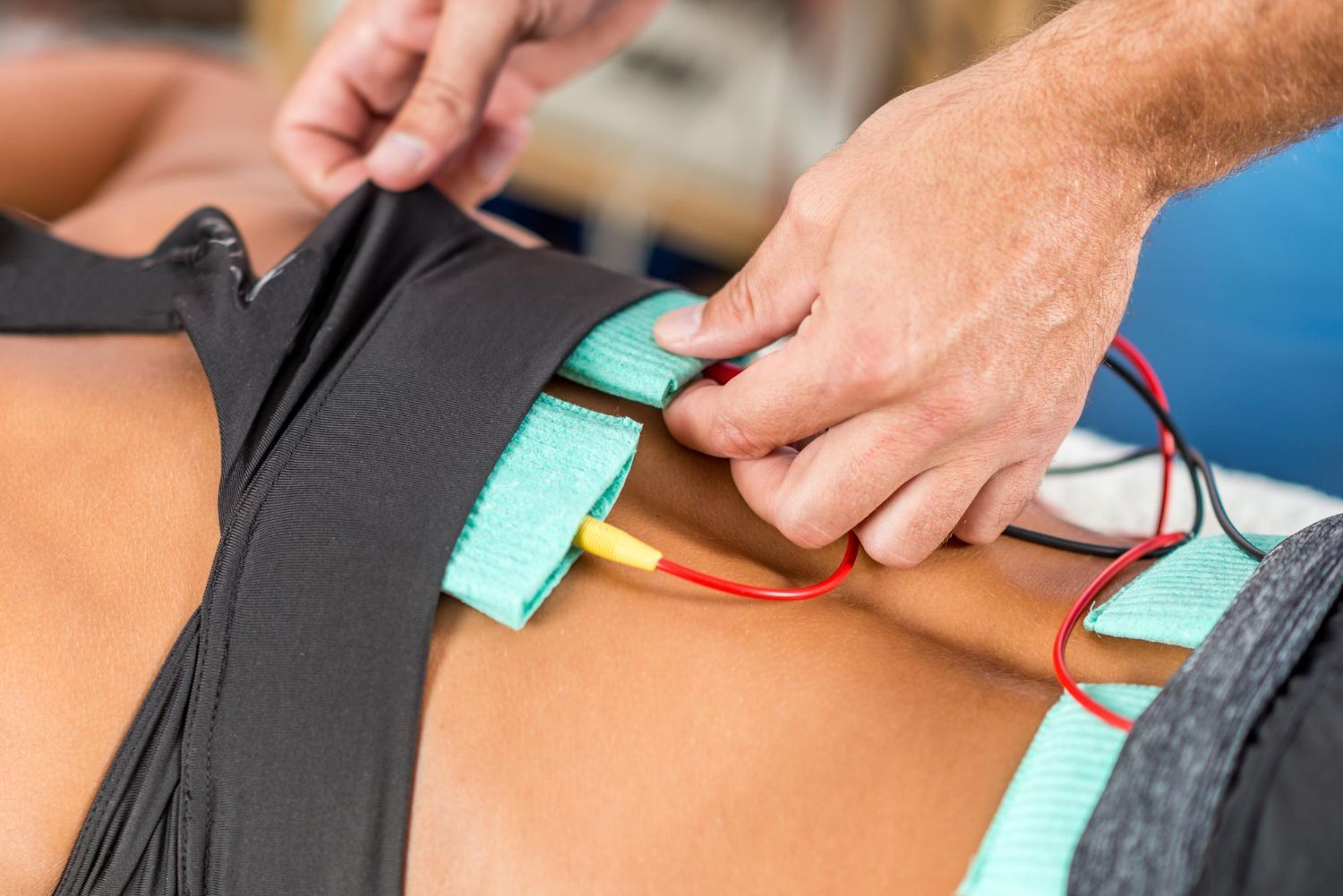
Sciatica can make simple things, like getting out of the car or standing in the kitchen, feel harder than they should. Many people lean on sciatica injection treatment for relief, only to feel the pain creep back again, especially when cooler weather tightens muscles and sitting time goes up.
Sciatica is irritation of the sciatic nerve, the large nerve that runs from your lower back into your hips, buttocks, and down the leg. When the nerve is angry, certain ways of sitting, standing, and walking can stir it up. Other habits, done on purpose and repeated often, can help calm it.
At Apollo Spine and Pain Center in Georgia, we focus on both sides. Injections and minimally invasive procedures can quiet the nerve and reduce inflammation. Then we use that window of relief to help you build everyday movement habits that support your lower back and legs between visits.
In this article, we will walk through simple changes you can make right away: how you sit, how you stand, how you walk, and a few gentle stretches. These small habits can fit into a busy day and may help you stay more comfortable, even during long workdays and active family seasons.
Rethinking Sitting so Sciatica Stays Calmer
Long stretches of sitting can press on the lower back and hips, which can irritate the sciatic nerve. Cooler weather often leads to more indoor time, longer drives, and extra screen time, and all of that can add up.
A helpful rule is a 20 to 30 minute reset. Every half hour, try to:
- Stand up for 1 to 2 minutes
- Gently march in place or shift side to side
- Roll your shoulders and take a few easy breaths
These tiny breaks reduce pressure on your spine and remind your muscles to stay active.
You can also adjust the way you sit to be kinder to your back:
- Keep both feet flat on the floor, not tucked under you
- Set your hips slightly higher than your knees, using a cushion if needed
- Place a small rolled towel behind your low back for support
- Keep screens at eye level so you are not bending your neck and slouching
At home, at the office, or while watching a game, a firmer seat is usually better than a soft couch that sags. If a deep sofa is your only option, sit on the edge with support behind your back and get up more often. When you can, alternate between sitting and standing, such as using a standing desk or a counter for part of the day.
These small tweaks help your spine sit in a more neutral, friendly position, which may lessen stress on the sciatic nerve over time.
Smarter Standing and Walking That Protect Your Back
Standing for a long time can be just as tiring on your lower back as sitting. Events, lines, and chores can leave you shifting and hurting if your posture and shoes are not helping you.
Try a simple neutral spine standing setup:
- Keep your weight evenly on both feet, not leaning into one hip
- Soften your knees, so they are not locked straight
- Stack your ribs gently over your hips, like building blocks
- Let your shoulders relax down, not pulled up toward your ears
If your feet or back start to ache, take a short micro-break every 10 to 15 minutes. You can:
- Slowly shift your weight from one leg to the other
- Roll your shoulders forward and back
- Do a few gentle calf raises, lifting your heels and lowering them
Walking style matters too. Instead of rare long walks that leave you wiped out, try shorter, more frequent walks during the week. Aim for smooth, relaxed strides, not tight, fast steps. Supportive shoes with a cushioned sole are often kinder to your spine than flat, thin shoes or worn-out sneakers.
These simple choices can lessen the load on the lower back, hips, and legs, which may ease pressure on the sciatic nerve as you move through your day.
Gentle Stretches That Ease Sciatica Flare-Ups
Targeted stretching can work alongside sciatica injection treatment by helping tight muscles around your spine and hips relax. When those muscles soften, they may put less pressure on the nerve.
Here are a few beginner-friendly options, and you should move slowly and listen to your body.
1. Seated figure-four stretch
- Sit on a firm chair with both feet flat
- Cross one ankle over the opposite knee, making a loose “4” shape
- Keep your back tall and gently lean forward until you feel a mild stretch in your buttocks or outer hip
- Hold 20 to 30 seconds, breathing slowly, then switch sides
2. Supported hamstring stretch
- Stand facing a low step or sturdy stool
- Place one heel on the step, keeping your knee slightly bent
- Keep your back straight and hinge at the hips until you feel a stretch along the back of your thigh
- Hold 20 to 30 seconds, then change legs
3. Gentle kneeling hip flexor stretch
- Kneel on a soft surface with one knee on the ground and the other foot in front, like a half-kneel
- Use a chair or countertop for balance
- Gently shift your hips forward until you feel a light stretch in the front of the hip of the back leg
- Keep your chest tall and hold 20 to 30 seconds, then switch sides
A few safety reminders:
- Aim for a mild, comfortable pull, not sharp or burning pain
- Breathe slowly and do not bounce
- If pain shoots down your leg or gets worse, stop and talk with a pain specialist
Many people like to build a simple evening routine, spending 5 to 10 minutes on these stretches before bed. This can help undo some of the stiffness that builds up from sitting and cooler temperatures during the day.
Everyday Movement Habits Between Injections and Procedures
Interventional options like sciatica injection treatment can lower inflammation and reduce nerve pain. This often gives you a window where moving feels easier. Using that time to build better habits can help protect your back in the long run.
One key area is how you bend and lift during the day:
- When reaching toward the floor, hinge at your hips and keep your back flatter, instead of rounding your spine
- Keep often-used items, like laundry baskets or kitchen tools, closer to waist level when possible
- Use both hands when lifting and hold items close to your body
- Break heavier tasks, like yard work, into shorter blocks with rest breaks
Short bouts of movement, or “movement snacks,” can also support your spine without needing long workouts. Examples include:
- Walking a few laps down the hallway every hour
- Doing light yoga or simple bodyweight moves for a few minutes
- Taking the stairs at an easy pace instead of the elevator when you feel up to it
These habits, repeated through the week, can help your muscles stay more balanced and responsive. Over time, they may help extend the comfort you get from injections and procedures, and can sometimes reduce how often you need them.
Partner with Specialists to Move Freely Again
Sciatica does not have to control every choice you make about your day. Waiting until pain is severe before getting help can make it harder to stay active. Working with an interventional pain specialist early can help you find the right mix of sciatica injection treatment, physical therapy, and home mobility habits that fit your life.
At Apollo Spine and Pain Center, we focus on helping people in Georgia reduce chronic pain and restore function using minimally invasive care and practical, everyday strategies. If you track your pain patterns for a week, pick one or two of the habits from this article to start with, and bring your questions to your visit, we can work together to build a realistic, customized plan.
Long-term relief from sciatica often comes from a mix of expert-guided care and small, steady changes in how you move. Step by step, those daily choices can help you sit, stand, walk, and enjoy more of your life with less nerve pain.
Relieve Sciatica Pain And Get Back To Your Life
If you are tired of living around your pain, Apollo Spine and Pain Center is ready to help you find lasting relief with targeted
sciatica injection treatment. Our team will evaluate your symptoms, review your goals, and create a personalized plan that fits your life. To schedule an appointment or ask questions about your options, please
contact us today.