What to Expect After Your Interventional Spine and Pain Evaluation
An interventional spine and pain evaluation is often the first real step toward meaningful, lasting relief. At Apollo Spine and Pain Center in Cumming and Jasper, this visit is about much more than getting a quick prescription or a generic set of exercises. It is a focused medical assessment that looks at where your pain is coming from, how it affects your daily life, and what we can realistically do to improve both comfort and function.
Instead of a one-size-fits-all approach, we work with you to build a targeted plan. Interventional spine and pain management centers on identifying pain generators in the spine, joints, and surrounding structures, then treating them as precisely as possible. This can help reduce the need for long-term medication, especially opioids, and support better movement so you can return to the activities that matter to you.
Many people feel nervous before that first visit because they are not sure what will follow. By understanding what typically happens after your evaluation, you can feel more prepared and less anxious. You will know that the conversation does not end when the visit is over; it is the starting point for a plan that we refine together over time.
From Diagnosis to Plan: How Your Evaluation Becomes a Roadmap
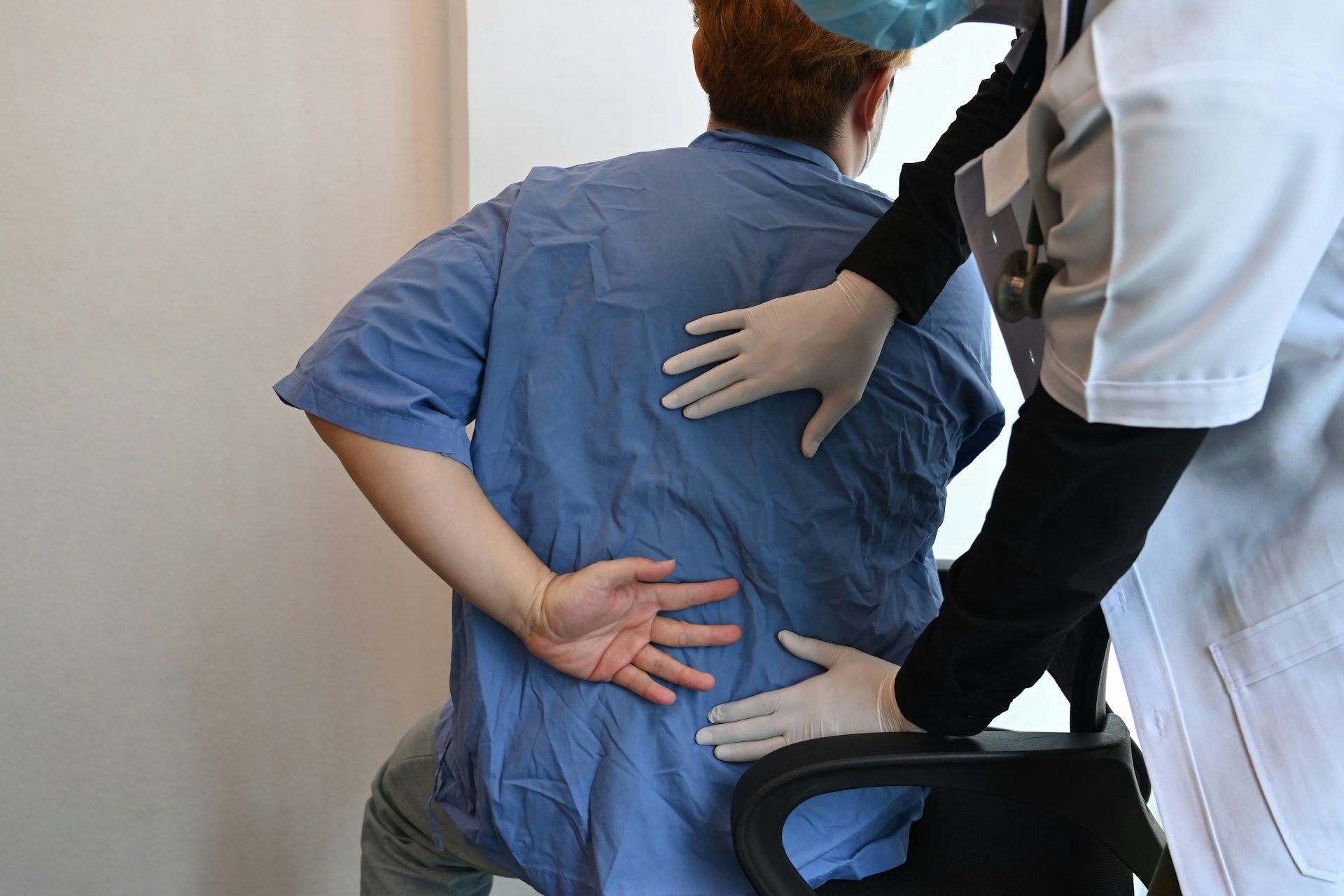
During your evaluation, we take time to listen. We ask about how your pain started, what makes it better or worse, and how it affects work, sleep, and everyday tasks. We review any prior imaging, such as X-rays, MRIs, or CT scans, and look closely at your medical history, including prior surgeries, injuries, and treatments that have or have not helped.
We also ask about your lifestyle and goals. Are you hoping to walk the neighborhood comfortably, play with grandkids, return to a physical job, or simply sit through a meal without pain? These goals help us prioritize what to address first. For example, someone with sharp leg pain from a pinched nerve may need a different first step than someone whose main problem is aching from facet joint arthritis or disc-related back pain.
Once we have a clearer picture of the underlying causes, we organize the information into a practical roadmap. Your interventional spine and pain management plan usually blends short-term actions, such as procedures aimed at faster relief, with long-term strategies to improve strength, mobility, and overall function. The goal is not just to quiet pain, but to help you move better and participate more fully in life.
Core Components of a Personalized Pain Management Plan
A personalized plan can include several types of interventional procedures. The exact mix depends on your diagnosis, health status, and response to prior care. Common options may include:
• Epidural steroid injections to calm irritated spinal nerves
• Nerve blocks to help confirm where pain is coming from and sometimes provide relief
• Radiofrequency ablation to gently heat and quiet painful nerve signals from arthritic joints in the spine
• Spinal cord stimulation for certain types of chronic, hard-to-treat pain
• Joint injections for areas like the knees, hips, or shoulders
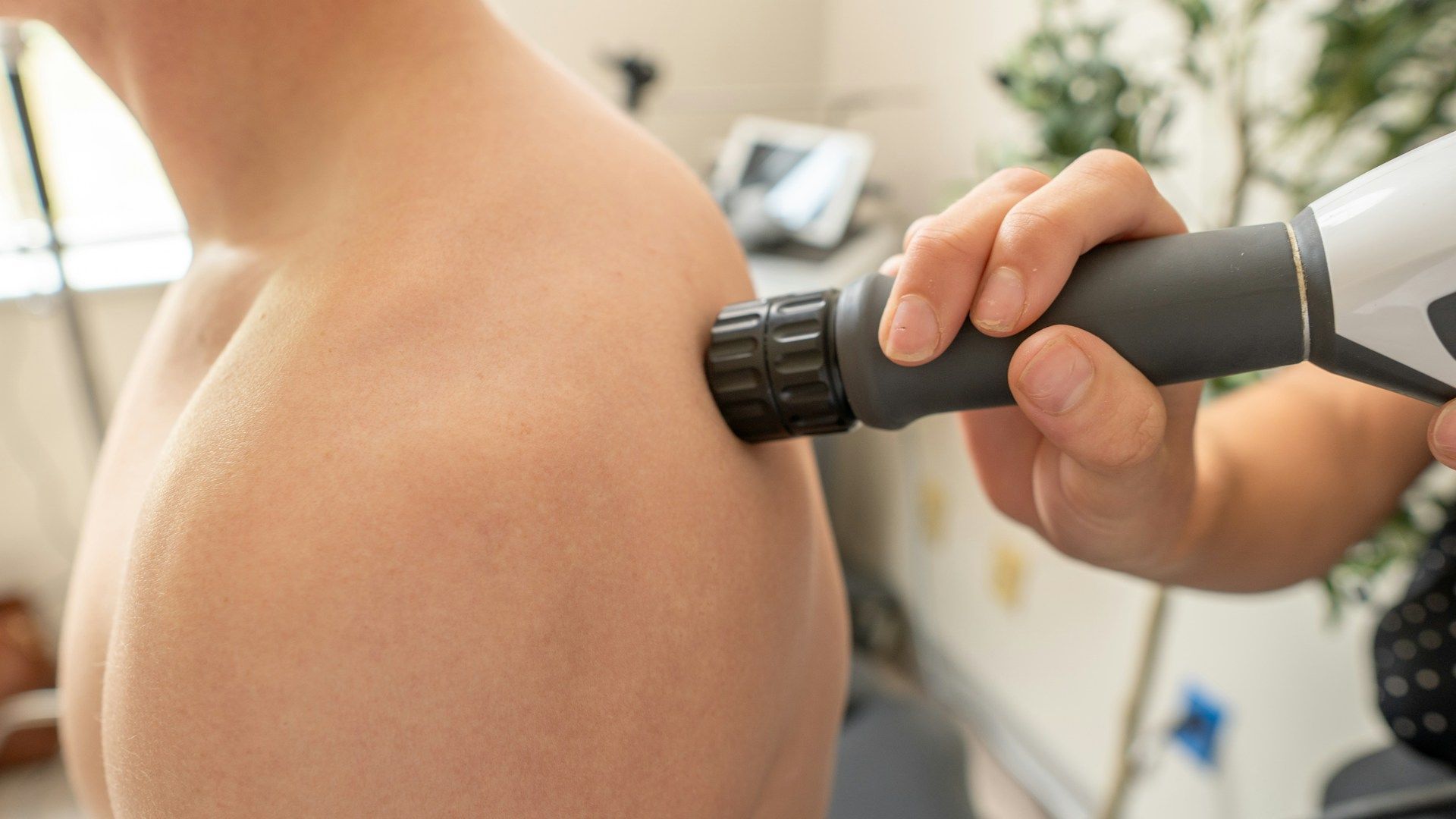
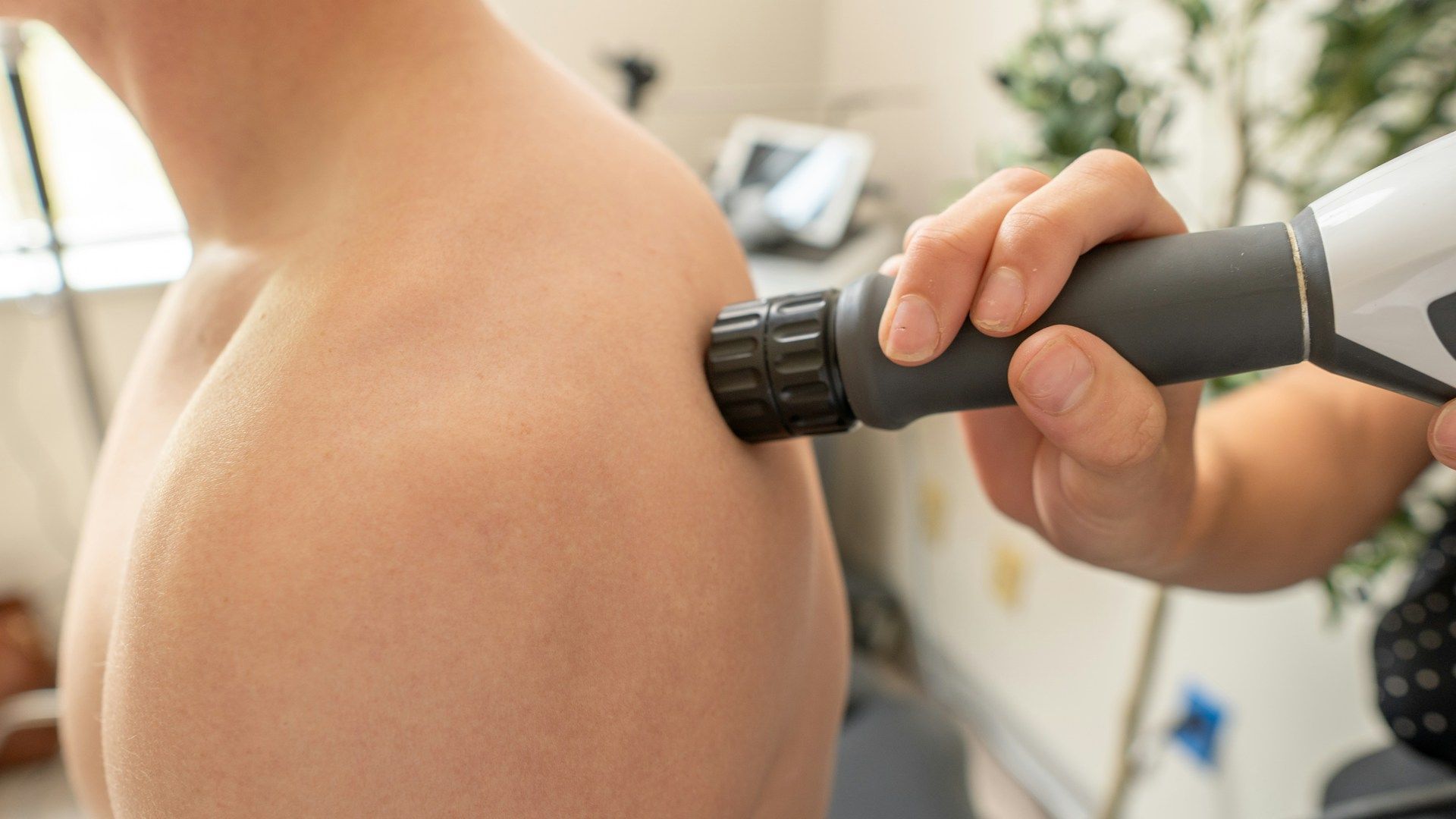
In some situations, regenerative treatments may be considered. These therapies aim to support the body’s own healing processes and may complement more traditional interventional spine and pain management techniques. The decision to include these approaches is individualized and based on your condition, goals, and discussion with your provider.
Equally important are the non-procedure components of your plan. We often recommend elements such as:
• Physical therapy to improve strength, flexibility, and posture
• Home exercise programs tailored to your abilities
• Bracing or supports when appropriate for stability
• Activity modification to reduce strain on painful areas
• Healthy sleep habits to support recovery and mood
Together, these pieces help create a program that supports more lasting, meaningful improvement rather than short bursts of relief.
What Happens During and After Your First Procedures
When it is time for your first procedure, knowing what to expect can make the day feel much less stressful. After check-in at our clinic, you will review your consent forms, medications, and any recent health changes with our team. We explain the procedure again in clear terms and answer any last-minute questions. For many spine and joint procedures, we use imaging guidance, such as fluoroscopy or ultrasound, to help place needles and medications as accurately and safely as possible.
Sedation options depend on the type of procedure and your medical history. Some interventions are done with local anesthetic only, while others may involve light sedation to help you relax. Most patients spend a short time in a recovery area afterward, where we monitor you and review initial instructions. It is common for your total time at the clinic to be longer than the procedure itself.
Relief timelines can vary. Some procedures may provide noticeable improvement the same day or within a few days. Others, especially those aimed at gradually reducing inflammation or changing how nerves send pain signals, may take a couple of weeks before you feel the full benefit. We prepare you for this ahead of time so you are not discouraged if results are not instant.
After the procedure, we give you written and verbal instructions. These usually cover:
• How to care for the injection site
• When you can safely return to work, driving, or exercise
• Which medications you can take for soreness
• Symptoms that should prompt a call to the clinic, such as increasing weakness, fever, or signs of infection
Follow-up appointments are key. During these visits, we check how well the procedure worked, review any side effects, and decide whether adjustments are needed. This might mean changing the timing of repeat procedures, adding physical therapy, or updating your home exercise plan.
Tracking Progress and Adjusting Your Treatment Over Time
Pain care is rarely a single-event experience. Instead, it is a process that unfolds across several visits. We carefully track how your pain, mobility, and daily function change over time. This may involve simple pain scales, questions about activities like walking or lifting, and discussion of mood and sleep, since chronic pain often affects emotional health.
If an interventional procedure gave good relief that eventually wore off, your provider may recommend repeating it at a safe interval. If relief was partial or short-lived, we might adjust the type of injection, explore regenerative options, or talk about advanced therapies such as spinal cord stimulation if they match your needs and diagnosis.
Your feedback is central to these decisions. When you share what is helping, what is not, and what feels hard to keep up with, we can fine-tune the plan. Sticking with recommended exercises, using braces correctly, and following activity guidelines all help us see what the procedures are truly doing, and what else might be needed.
Taking an Active Role in Your Pain Relief Journey
The most successful plans are partnerships. Your medical team provides expertise in interventional spine and pain management, but your input guides how we apply that knowledge to your life. Asking questions, speaking up about fears or frustrations, and being open about medications or treatments from other providers help us keep your care coordinated and safe.
A few practical habits can make your visits more productive:
• Keep a simple pain diary that notes pain levels, triggers, and what helps
• Write down questions before each appointment so you do not forget them
• Bring updated medication lists, including supplements
• Share notes from other providers, such as your primary care doctor or physical therapist
• Be honest about your activity level and adherence to exercises
By staying engaged and informed, you help shape a plan that fits your body, schedule, and priorities. Over time, this active role supports better comfort, mobility, and quality of life, which is the true goal of the care we provide at Apollo Spine and Pain Center.
Take The Next Step Toward Lasting Pain Relief
If pain is limiting your daily life, our team at Apollo Spine and Pain Center is ready to help you explore targeted options that fit your needs. Whether you are just starting to look into
interventional spine and pain management or seeking a second opinion, we will work with you to create a personalized plan. We focus on practical, evidence-based treatments aimed at improving comfort and function, not just masking symptoms. To schedule a visit or ask questions about your specific situation,
contact us today.