How to Treat Sciatica Pain
Sciatica is a common condition that causes pain along the sciatic nerve, which runs from the lower back down through the legs. This pain can be intense, affecting daily activities and sleep. It often results from a herniated disc or bone spur compressing part of the nerve. Although sciatica can be debilitating, understanding its causes and symptoms is the first step towards effective treatment.
Managing sciatica involves a combination of home remedies, lifestyle changes, and medical approaches. Options range from simple exercises to advanced interventions, each aiming to relieve pain and improve function. Knowing which treatment works best depends on the severity of the condition and individual needs.
Many individuals suffer from sciatica, but relief is attainable with the right strategies. This blog will explore various ways to treat sciatica, offering insights into different approaches to help you find comfort and regain control over your life.
Understanding Sciatica: Causes and Symptoms
Sciatica is a condition that arises when the sciatic nerve, the longest nerve in the body, is irritated or compressed. This nerve branches from the lower back through the hips and buttocks and down each leg. Pain from sciatica often feels like a sharp or burning sensation and can affect one or both legs, making daily activities difficult.
Common causes include:
- Herniated Discs: A disc in the spine can slip out of place and press on the sciatic nerve, leading to pain.
- Bone Spurs: These bony overgrowths on vertebrae can compress the nerve, causing discomfort.
- Spinal Stenosis: A narrowing of the spine in the lower back can pinch the sciatic nerve.
Symptoms of sciatica can range from mild to severe and include:
- Pain that radiates from the lower back to the leg
- Tingling or numbness in the leg or foot
- Weakness in the affected leg
- Difficulty standing up due to the sharp pain
Understanding these causes and symptoms is key to identifying sciatica early and addressing it before the pain escalates. Early recognition enables more effective management of the condition and helps prevent further complications.
Home Remedies and Lifestyle Changes for Sciatica Relief
Managing sciatica pain at home can often provide relief and improve quality of life. Simple remedies and lifestyle changes can alleviate symptoms and prevent them from worsening.
- Heat and Cold Therapy: Using a heating pad or an ice pack can reduce inflammation and ease pain. Apply heat or cold to the lower back for short periods, not exceeding 20 minutes at a time.
- Regular Exercise: Engage in gentle exercises, such as walking or swimming, to strengthen the muscles supporting the back. This helps reduce pressure on the sciatic nerve.
- Proper Posture: Be mindful of maintaining good posture while sitting and standing. Use chairs with proper back support and avoid sitting for long periods.
- Stretching: Incorporate stretches to improve flexibility and relieve tension in the lower back. Simple stretches, like lying on your back with knees bent and gently pulling one knee toward the chest, can be effective.
- Weight Management: Maintaining a healthy weight reduces stress on the spine and decreases the risk of further pain.
By implementing these home remedies and lifestyle changes, individuals can effectively manage sciatica symptoms, allowing for greater comfort and function in everyday activities. These adjustments play a crucial role in the overall treatment plan for sciatica.
Non-Surgical Treatment Options for Sciatica
When home remedies aren't enough to relieve sciatica pain, non-surgical treatments can provide effective solutions. These treatments focus on alleviating pain and improving function, without the need for invasive procedures.
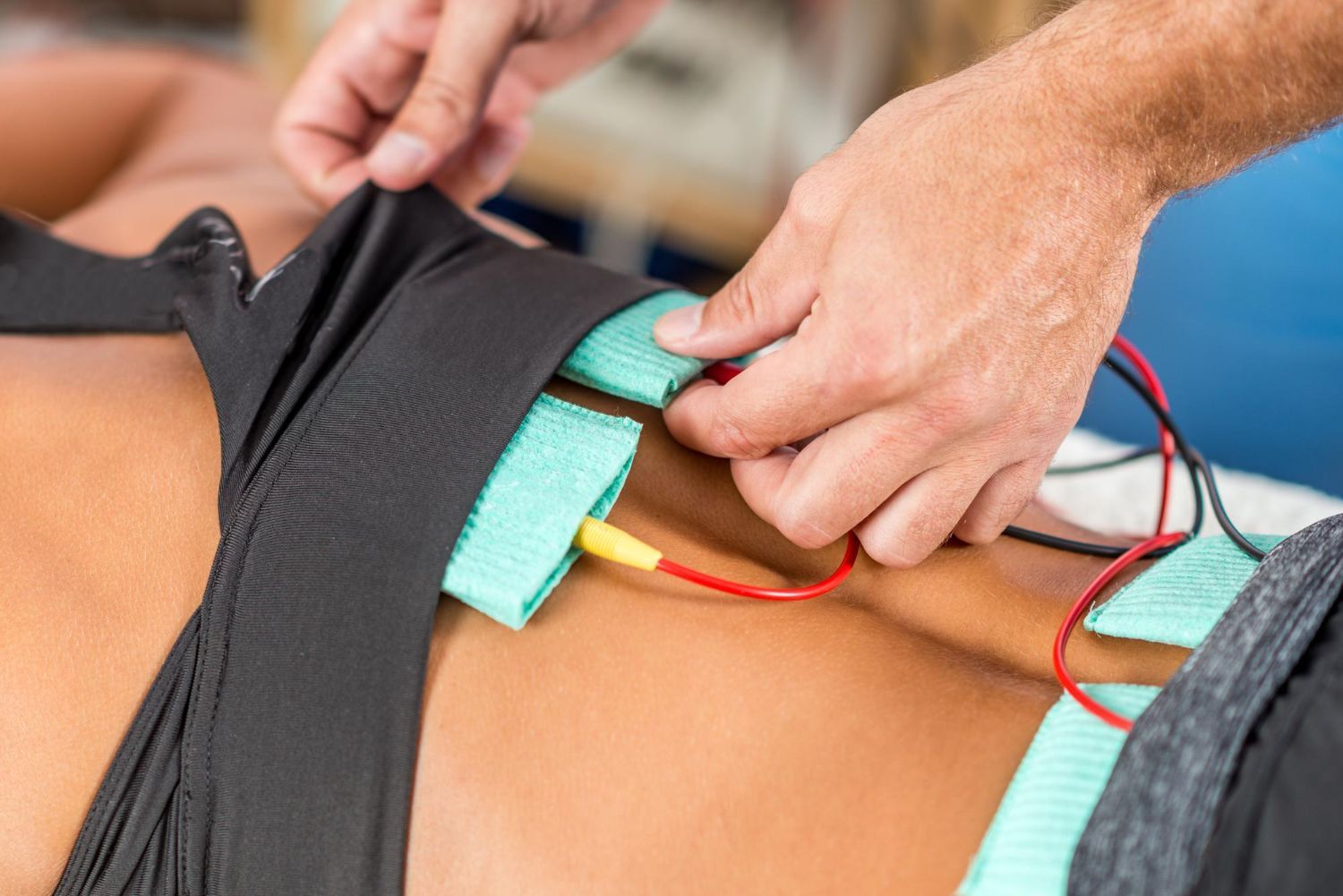
One popular option is physical therapy. A physical therapist designs exercises to strengthen the muscles that support your spine, improving flexibility and posture. This approach reduces pressure on the sciatic nerve and helps prevent further pain.
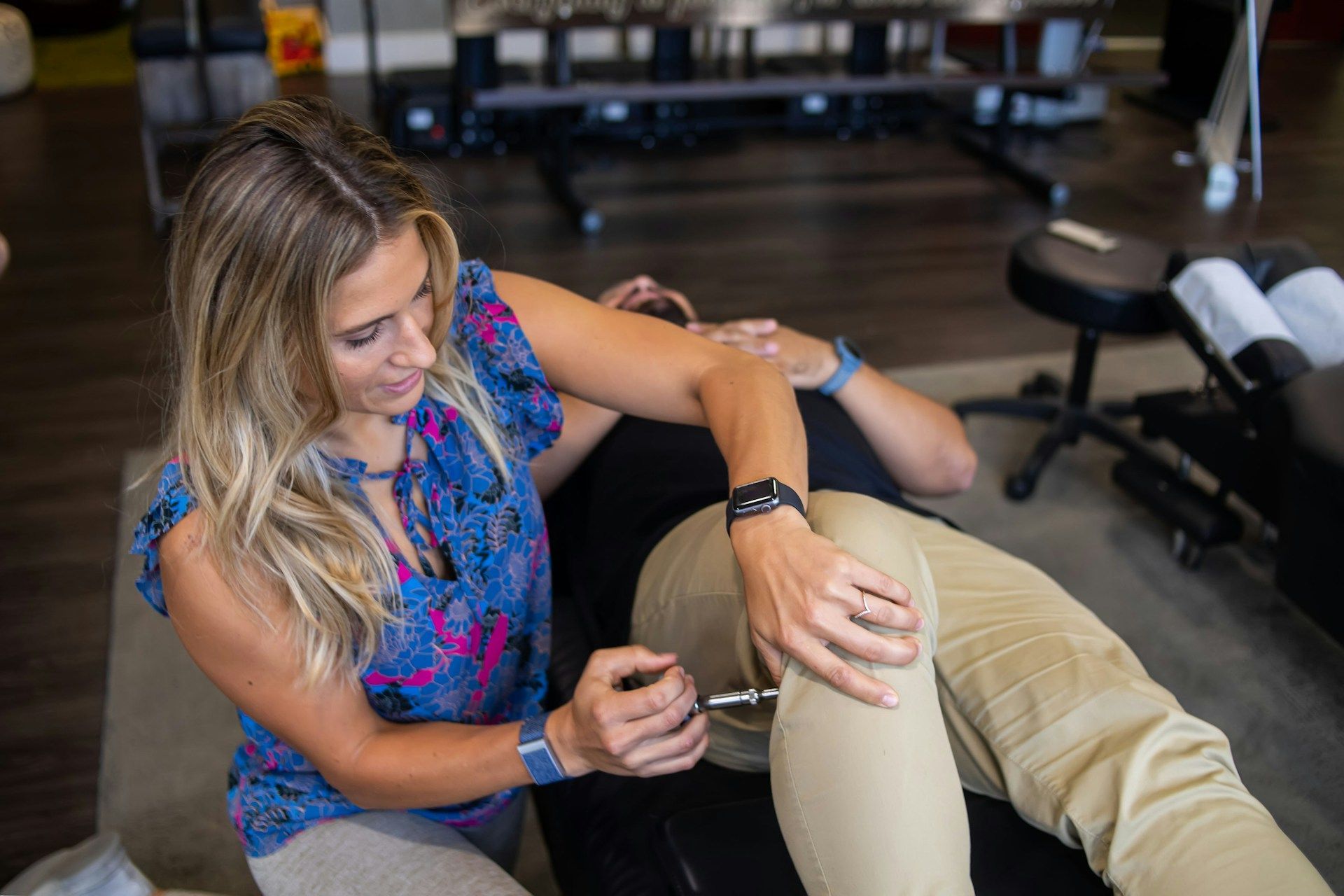
Chiropractic care is another option. Chiropractors perform spinal adjustments to correct misalignments, which can reduce nerve pressure. Many find relief through regular sessions.
For those dealing with inflammation, steroid injections can offer relief. These injections deliver anti-inflammatory medication directly to the affected area, reducing swelling and pain around the nerve.
Another promising treatment is acupuncture, which involves inserting fine needles at specific points on the body to encourage healing and reduce pain.
If managing pain requires medication, medication management helps in finding the right balance. Pain relievers, muscle relaxants, or anti-inflammatory drugs can be prescribed to ease symptoms, helping individuals get back to their routines.
These non-surgical treatments work well for many, offering a pathway to pain relief and a return to regular activities without surgery.
Advanced Medical Interventions and Their Benefits
For persistent sciatica that doesn't respond to basic treatments, advanced medical interventions might be necessary. These solutions offer targeted relief and can be quite effective at managing severe symptoms.
Regenerative Medicine, such as Platelet-Rich Plasma (PRP) therapy, is one cutting-edge option. PRP uses components from your blood to promote healing in damaged tissues, reducing inflammation and pain naturally.
Epidural steroid injections are another advanced option. They provide a higher concentration of medication in the pain area, quickly helping to decrease nerve irritation and swelling.
Occasionally, radiofrequency ablation is employed. This procedure uses heat generated by radio waves to target specific nerves and disable their ability to send pain signals to the brain.
In some cases, spine specialists recommend minimally invasive surgery. These procedures are less disruptive than traditional surgery, involve smaller incisions, and often lead to faster recovery times. Options like microdiscectomy remove problematic parts of a herniated disc, relieving pressure on the nerve.
Exploring these advanced treatments can provide substantial relief for severe sciatica and enable patients to maintain an active, pain-free lifestyle.
Conclusion
Sciatica pain can significantly affect a person's quality of life, turning simple daily tasks into painful challenges. Understanding the causes and symptoms is critical for recognizing and addressing the condition effectively. By exploring a wide range of treatment options, from home remedies and lifestyle changes to non-surgical and advanced medical interventions, those affected by sciatica can find a path to relief that works best for them. Combining different strategies ensures a comprehensive approach to managing pain and enhancing mobility.
Sciatica is a complex condition, but with the right knowledge and support, it can be managed successfully. Seeking help from professionals who specialize in treating sciatica ensures that individuals receive tailored care suited to their specific needs. This careful attention not only addresses the immediate symptoms but also prevents future flare-ups, aiding in long-term wellness.
At Apollo Spine and Pain Center, we are committed to helping you find the most effective treatments for sciatica. Our experienced team offers a wide array of solutions that are customized to your unique situation. Contact us today to learn how our
sciatica injection treatment can support your journey toward a pain-free life.