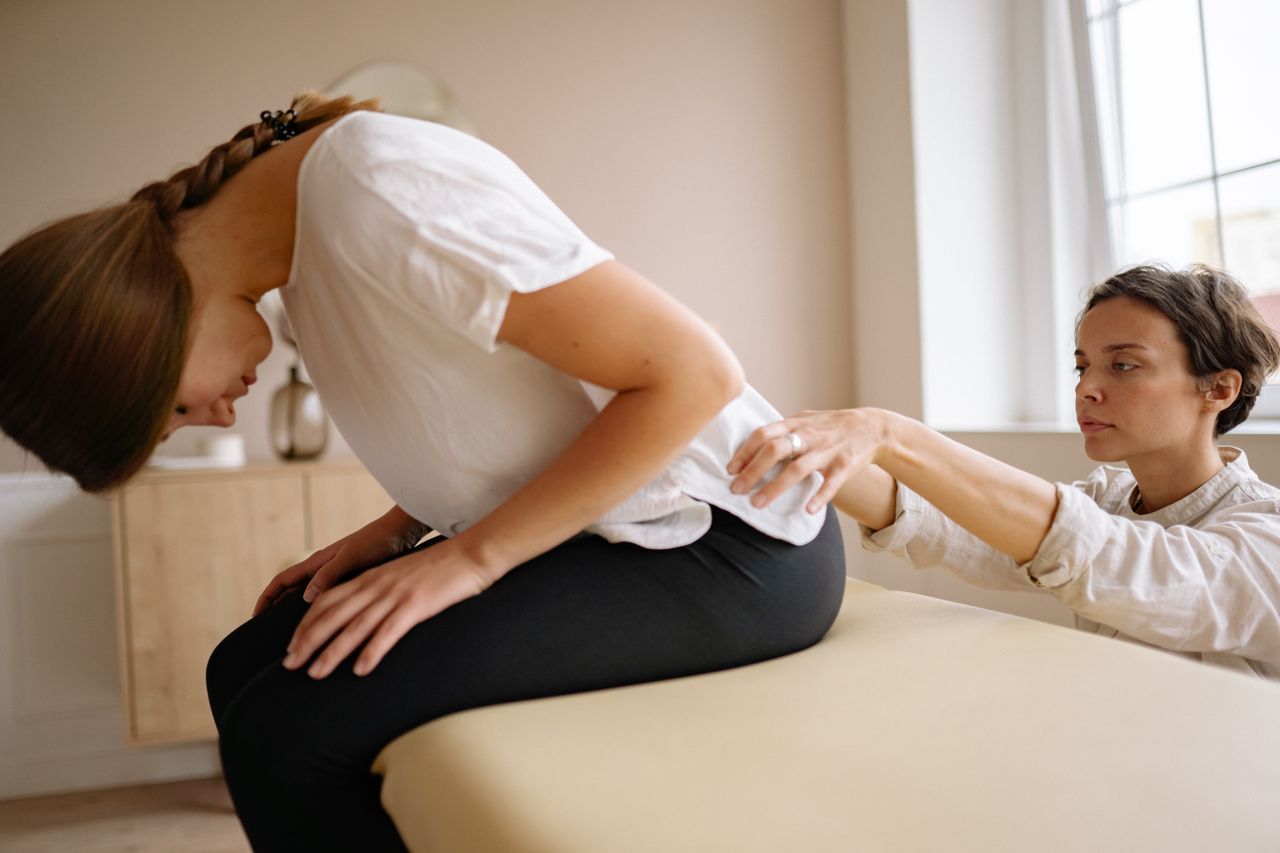
Manage Acute and Chronic Neck Pain at Home
Neck pain is a common issue that touches many lives. It can be a sharp pain from a recent injury or a dull ache that never seems to go away. Whether acute or chronic, neck pain can make everyday tasks like turning your head or sitting comfortably seem nearly impossible. Understanding the causes and finding effective ways to manage this pain at home can improve your life in significant ways.
Acute neck pain often comes on suddenly and can be tied to a specific incident, like a car accident or sleeping in an awkward position. Chronic neck pain, on the other hand, is more persistent, lasting for weeks, months, or even years. It can result from long-term issues like poor posture, arthritis, or degenerative disc disease. While the pain can be intense, there are many ways to alleviate it without needing to leave your home.
In this article, we'll explore the causes and symptoms of both acute and chronic neck pain. We’ll look at home remedies and self-care techniques that you can use to relieve your pain. You'll also learn about specific exercises and stretches to help manage discomfort. Finally, we'll discuss when it’s necessary to seek professional help and more advanced treatment options. This guide aims to equip you with practical tools and information to manage neck pain effectively and improve your daily life.
Understanding Acute and Chronic Neck Pain: Causes and Symptoms
Neck pain can be categorized into two types: acute and chronic. Acute neck pain appears suddenly and is typically linked to a specific event. Common causes of acute neck pain include injuries from car accidents (whiplash), sleeping awkwardly, or sudden movements that strain the muscles. This type of pain usually resolves within a few days to a couple of weeks with proper care and rest.
Chronic neck pain, however, is more persistent and can last for several weeks, months, or even years. It's often associated with long-term conditions such as poor posture, arthritis, or degenerative disc disease. Sitting for long periods, especially with poor posture, can strain the neck muscles and lead to chronic pain. Additionally, conditions like herniated discs or osteoarthritis can put pressure on the nerves in the neck, causing ongoing discomfort.
Symptoms of neck pain can vary depending on the underlying cause. Common symptoms include stiffness, limited range of motion, headaches, and muscle spasms. You might also experience sharp, stabbing pains or a constant aching sensation. In some cases, neck pain can radiate to the shoulders, arms, or even cause tingling and numbness in the fingers.
Recognizing these symptoms early on can help you manage neck pain more effectively and prevent it from becoming a chronic issue.
Home Remedies and Self-CCare Techniques
Managing neck pain at home can be quite effective with the right approach. Here are some tried-and-true home remedies and self-care techniques to help alleviate discomfort.
- Rest and Recovery: Give your neck some time to heal by resting. Avoid strenuous activities and movements that could exacerbate the pain. Use a neck pillow or rolled towel to support your neck while sleeping.
- Ice and Heat Therapy: Applying ice packs can reduce inflammation and numb the pain, especially during the first 48 hours after an injury. After that, switching to heat therapy with a warm towel or heating pad can help relax and soothe tight muscles.
- Over-the-Counter Medications: Non-prescription pain relievers like ibuprofen or acetaminophen can help manage pain and reduce inflammation. Always follow the dosage instructions on the package.
- Maintain Good Posture: Make a conscious effort to sit and stand with proper alignment. Keep your shoulders back and avoid slouching. Use an ergonomic chair and ensure that your computer screen is at eye level to reduce strain on your neck.
- Gentle Stretching: Slow and gentle neck stretches can help improve flexibility and alleviate stiffness. Tilt your head side to side, forward and backward, and turn your head left to right, holding each position for a few seconds.
- Hydration and Nutrition: Staying hydrated helps maintain the elasticity of discs in your spine. Eating a balanced diet rich in vitamins and minerals supports overall health and aids in muscle recovery.
By incorporating these home remedies and self-care techniques into your daily routine, you can manage neck pain effectively and support your journey to recovery.
Exercises and Stretches to Alleviate Neck Pain
Regular exercises and stretches can play a crucial role in relieving neck pain. Here are some easy-to-do exercises and stretches that can help.
- Neck Tilts: Start by tilting your head towards one shoulder, trying to touch it with your ear. Hold this position for about 10 seconds and then switch to the other side. Repeat this stretch 5-10 times on each side. This exercise helps release tension in the neck muscles.
- Shoulder Shrugs: Lift your shoulders up towards your ears and then slowly lower them back down. Perform this movement 10 times. Shoulder shrugs improve blood flow and help reduce stiffness in the shoulder and neck area.
- Chin Tucks: Sit or stand upright and gently tuck your chin towards your chest. Hold for a few seconds and then return to the starting position. Repeat 10 times. Chin tucks can help strengthen the muscles in the front of your neck and improve posture.
- Upper Trapezius Stretch: Sit in a chair with good posture. Place your right hand under your right thigh. Use your left hand to gently pull your head towards the left, stretching the right side of your neck. Hold for 15-20 seconds and then switch sides. Perform this stretch 3 times on each side.
- Cat-Cow Stretch: Get on all fours on the floor. Arch your back towards the ceiling (cat position) and then lower your back down (cow position), moving slowly between each position. Repeat 10 times. This stretch helps increase flexibility in your spine and neck.
Incorporating these exercises and stretches into your daily routine can help alleviate neck pain and improve your overall neck health.
When to Seek Professional Help and Advanced Treatment Options
While many types of neck pain can be managed at home, there are times when professional help is necessary. Recognizing these situations can prevent further complications and ensure you get the care you need.
- Severe or Persistent Pain: If your neck pain is severe or persists for more than a few weeks despite home treatment, it’s time to seek professional help. Persistent pain can indicate underlying conditions that may require specialized treatment.
- Symptoms of Nerve Compression: If you experience symptoms such as numbness, tingling, or weakness in your arms or hands, these could be signs of nerve compression or other serious conditions. Seeing a healthcare provider promptly is crucial in these cases.
- Limited Range of Motion: Difficulty moving your neck or turning it can significantly impact your quality of life. If exercises and home remedies don’t improve your mobility, consulting a professional can provide alternative solutions.
- Post-Accident Pain: If your neck pain follows an auto accident or a significant injury, it’s essential to have it evaluated by a professional. Conditions like whiplash can have long-term effects if not treated properly.
Advanced Treatment Options:
- Interventional Pain Management: Procedures such as nerve blocks or radiofrequency ablations target specific pain areas to provide relief.
- Regenerative Medicine/PRP: This involves using platelet-rich plasma injections to promote healing of damaged tissues.
- Medication Management: For chronic pain, a healthcare provider might prescribe medications to manage inflammation, pain, or muscle spasms more effectively.
Choosing the right time to seek professional help and understanding advanced treatment options can greatly improve your recovery and long-term neck health.
Conclusion
Neck pain, whether acute or chronic, can be a significant hindrance to daily activities. However, there are effective ways to manage and alleviate this pain right at home. By understanding the causes and symptoms, applying home remedies, and incorporating specific exercises, you can significantly reduce discomfort and improve your neck health.
It's essential to pay attention to how your body responds to self-care measures. If you find that your neck pain is persistent, severe, or accompanied by other concerning symptoms, seeking professional help becomes paramount. Advanced treatments like interventional pain management, regenerative medicine, and medication management can offer relief when home remedies aren’t enough.
Taking proactive steps to manage your neck pain can lead to a more comfortable and active life. If you need specialized care, the team at Apollo Spine and Pain Center is here to help you navigate through your pain management journey. Contact Apollo Spine and Pain Center today to schedule a consultation with our
chronic pain management doctor and take the first step towards a pain-free life.