Can Non-Invasive Pain Management Help with Holiday Travel Pain
Travel More Comfortably This Holiday Season
Holiday travel can be tough when you live with back pain, neck pain, joint pain, sciatica, neuropathy, or another chronic pain condition. Long car rides, airport lines, unfamiliar beds, busy family schedules, and cooler late-fall weather can all make discomfort feel harder to manage.
Pain does not have to mean you simply push through every mile and every event. With planning and personalized non-invasive pain management, we can help you think ahead about common travel triggers and discuss options that fit your symptoms, diagnosis, activity level, and plans.
Why Holiday Travel Can Intensify Pain
Hours in the same seat can put added stress on the lower back, hips, neck, knees, and shoulders. Whether you are driving or flying, staying in one position for too long may lead to stiffness, muscle tension, joint discomfort, or increased nerve irritation.
Holiday routines can also throw off the habits that normally help you feel your best. Sleep may be shorter, meals may change, and regular movement may be harder to fit into a packed day. Carrying luggage, standing while shopping or cooking, and trying to attend every gathering can add up quickly.
For many people, pain flares are not caused by one single activity. They happen when several small stressors pile up at once, such as sitting for a long time, lifting a heavy bag, and then sleeping on a mattress that does not provide familiar support.
Non-invasive pain management focuses on understanding what may be contributing to your pain and discussing care options without jumping straight to surgery. Depending on your needs, we may talk with you about approaches that support comfort and mobility before, during, and after travel.
Build a Non-Invasive Pain Management Travel Plan
If pain has been getting worse, interrupting sleep, or limiting your daily activities, a pre-travel visit can give you time to discuss what has changed. We can review your current symptoms, consider your travel plans, and help you prepare questions about long drives, flights, walking demands, and family events.
There is no one-size-fits-all answer for chronic pain. A person with low back pain may need different guidance than someone managing arthritis, neuropathy, neck pain, or sciatica. Our personalized approach considers your diagnosis, symptoms, daily routines, and the activities you expect to do while away.
Your plan may include a conversation about:
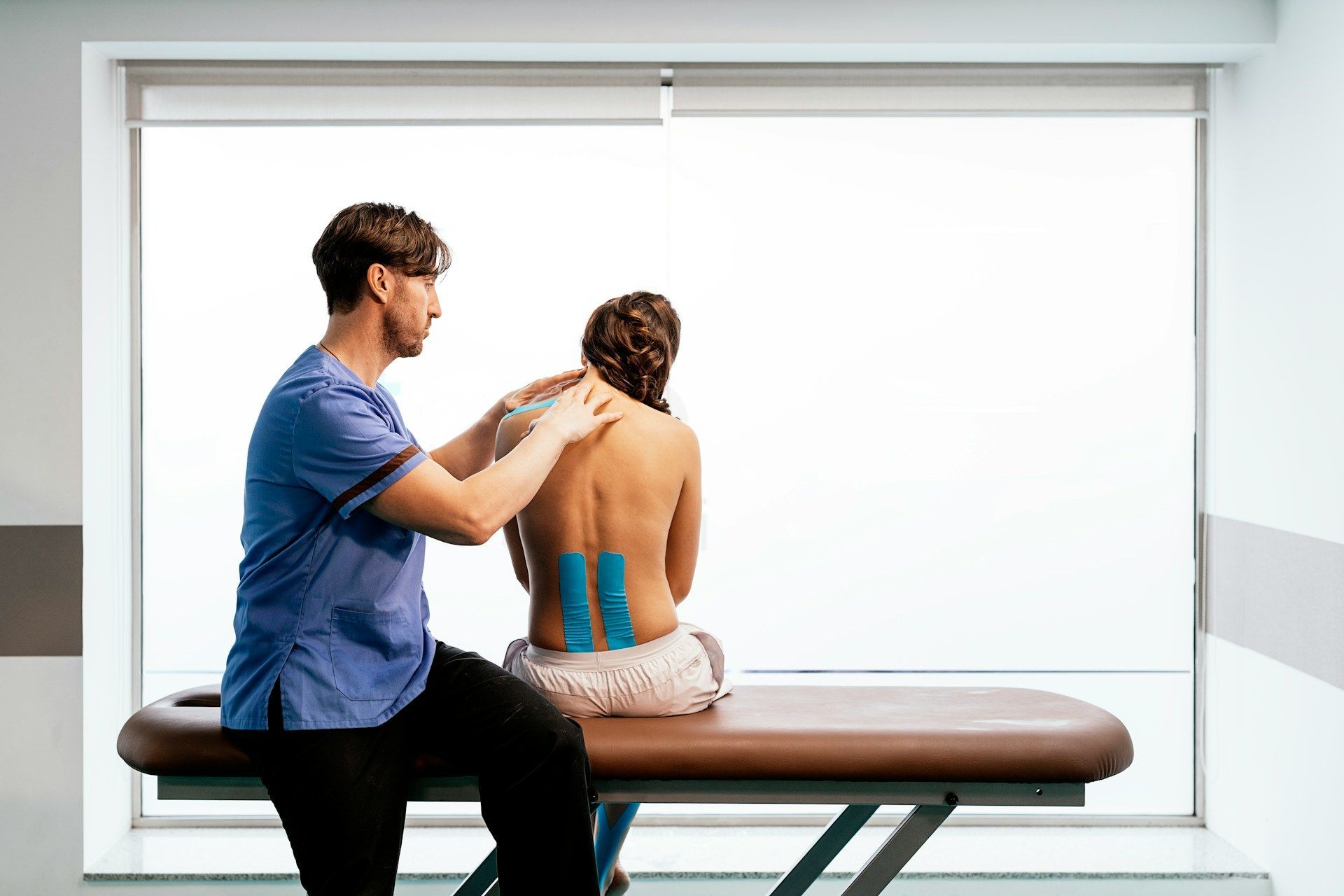
- Physical therapy recommendations or movement guidance
- Stretching and strengthening plans that fit your condition
- A review of medications you are already using
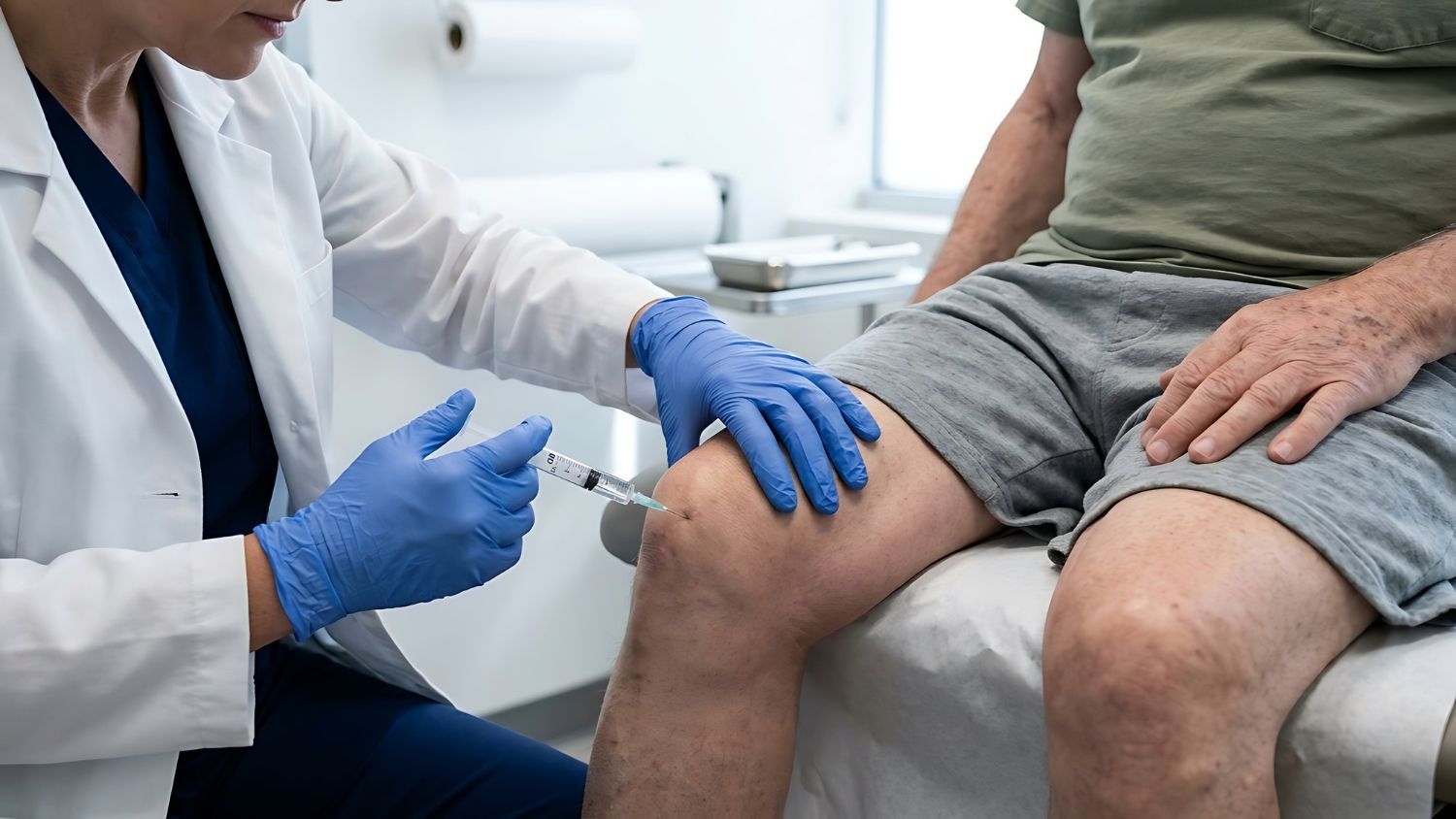
- Interventional treatment options when appropriate
- Ways to respond if discomfort increases while you are traveling
We provide interventional and personalized care for people with spine, joint, nerve, and chronic pain concerns in North Georgia. Before a trip, it can be helpful to ask us what activity level is appropriate for you, how often you may need breaks, and whether supportive devices may be useful.
Move, Sit, and Pace Yourself During Travel
A long drive does not have to mean remaining in the car until you reach your destination. When it is safe and practical, regular stops to walk briefly, change positions, and gently loosen up can help keep stiffness from building. The right timing for breaks depends on your health needs and travel conditions, so it is wise to discuss a comfortable routine with your provider.
Seating setup matters, too. In a car, an upright position with the steering wheel within easy reach may feel more comfortable than leaning forward or stretching to reach the pedals. Some people may benefit from a small lumbar support or another device recommended for their needs. On a flight, an aisle seat may make it easier to stand and move when permitted.
Small adjustments can reduce unnecessary strain during busy travel days:
- Pack lighter when possible and choose rolling luggage
- Avoid twisting your body while lifting or setting down bags
- Ask for help with overhead bins, heavy suitcases, or bulky items
- Wear comfortable shoes that support safe walking
- Keep commonly needed items where you can reach them easily
Pacing is just as important as movement. We encourage you to notice early signs that you are doing too much, such as rising stiffness, numbness, increased aching, or fatigue. Taking a break sooner may be more manageable than waiting until pain has become severe.
Prepare for Flights, Drives, and Family Events
Giving yourself extra time can take pressure off a holiday itinerary. Rushing through an airport, sitting in traffic without a break, or trying to fit several events into one day may increase both physical and emotional stress. A flexible plan gives you room to rest, change positions, or use heat or cold therapy if your provider has recommended it.
A travel comfort kit can also make the day feel more manageable. The items that belong in your kit will depend on your individual care plan, but you may want to keep frequently needed items close rather than storing them in checked luggage or deep in the trunk.
Consider discussing whether your travel kit should include:
- Prescribed medications and instructions for using them safely
- Supportive pillows or cushions recommended for your condition
- Water and snacks that are easy to access
- Comfortable layers for changing temperatures
- Any assistive devices you use for safe movement
Family time is meaningful, but it is okay to choose the activities that matter most to you. Non-invasive pain management can help you build habits for pacing yourself, recognizing a flare-up early, and making thoughtful choices instead of overextending yourself.
Personalized Support Before You Leave
A pre-holiday conversation with our care team can help you better understand your symptoms and explore treatment options before travel begins. Because pain conditions are different from person to person, we take time to discuss care in a way that reflects your diagnosis, lifestyle, and upcoming plans.
The most helpful travel plan is one that leaves room for comfort, flexibility, and rest. By preparing ahead, moving when you can, lifting carefully, and listening to changes in your body, you can focus more energy on the people and moments that matter during the holiday season.
Travel With a Plan for Lasting Relief
At Apollo Spine and Pain Center, we can help you understand whether
non-invasive pain management may address the discomfort that makes travel harder. Our team considers your symptoms, daily needs, and treatment goals to create an individualized approach.
Contact us to discuss options for managing pain before your next trip.