Comprehensive Pain Management Solutions for Complex Regional Pain Syndrome (CRPS)
Complex Regional Pain Syndrome (CRPS) is a rare but debilitating chronic pain condition that can severely impact an individual's quality of life. CRPS generally affects one extremity, such as an arm or a leg, and is characterized by persistent, severe pain that is often described as burning, throbbing, or pulsating. The pain often worsens over time and can be accompanied by other symptoms, such as swelling, color changes, temperature fluctuations, and hypersensitivity in the affected area. The condition can be challenging to diagnose and even more difficult to manage, making it crucial to seek care from experienced pain management specialists who understand the intricacies of CRPS.
At our pain management clinic, our skilled team of healthcare professionals is dedicated to helping individuals with CRPS regain control of their pain and achieve an improved quality of life. To do this, we employ a holistic, multidisciplinary approach, utilizing state-of-the-art interventional pain management techniques combined with personalized treatment plans to address the unique needs of each patient. As part of our comprehensive treatment strategy for CRPS, we may incorporate nerve blocks, spinal cord stimulation, intrathecal drug therapy, regenerative medicine, and more.
In this article, we will explore the characteristics and challenges of Complex Regional Pain Syndrome, providing an overview of its various manifestations and common symptoms. We will then discuss the innovative, evidence-based interventional pain management techniques that may be employed to help those impacted by CRPS regain control over their pain, increase functionality, and improve their overall sense of well-being. Finally, we will emphasize the importance of a tailored, patient-centered treatment approach, outlining how our expert pain management team works collaboratively with each patient to develop a personalized plan for optimal pain management and improved quality of life.
Understanding Complex Regional Pain Syndrome: Types and Symptoms
Complex Regional Pain Syndrome (CRPS) is categorized into two types: CRPS-I and CRPS-II. CRPS-I, formerly known as Reflex Sympathetic Dystrophy Syndrome (RSDS), occurs without a confirmed nerve injury. On the other hand, CRPS-II, previously known as causalgia, occurs due to a confirmed nerve injury. Both types exhibit similar symptoms, which may include:
1. Severe, chronic pain
2. Swelling and stiffness in the affected area
3. Sensitivity to touch or cold temperatures
4. Abnormal skin color, temperature, or texture
5. Decreased range of motion
6. Muscle spasms, atrophy, or weakness
Symptoms may evolve over time, and the severity can vary between individuals. Early diagnosis and intervention are crucial to achieving better outcomes for CRPS patients.
A Multidisciplinary Approach to Managing CRPS
CRPS management requires a well-coordinated, multidisciplinary approach to tackle the complex and diverse symptoms associated with the condition. At our pain management clinic, we provide comprehensive treatment plans that may include some of the following strategies:
1. Interventional Pain Management Techniques: Nerve blocks, spinal cord stimulation, and intrathecal drug therapy can help provide targeted pain relief and improve functionality for CRPS patients.
2. Medication Management: A combination of medications, such as pain relievers, anticonvulsants, antidepressants, or corticosteroids, may help manage pain and inflammation, as well as address the disorder's neurological aspects.
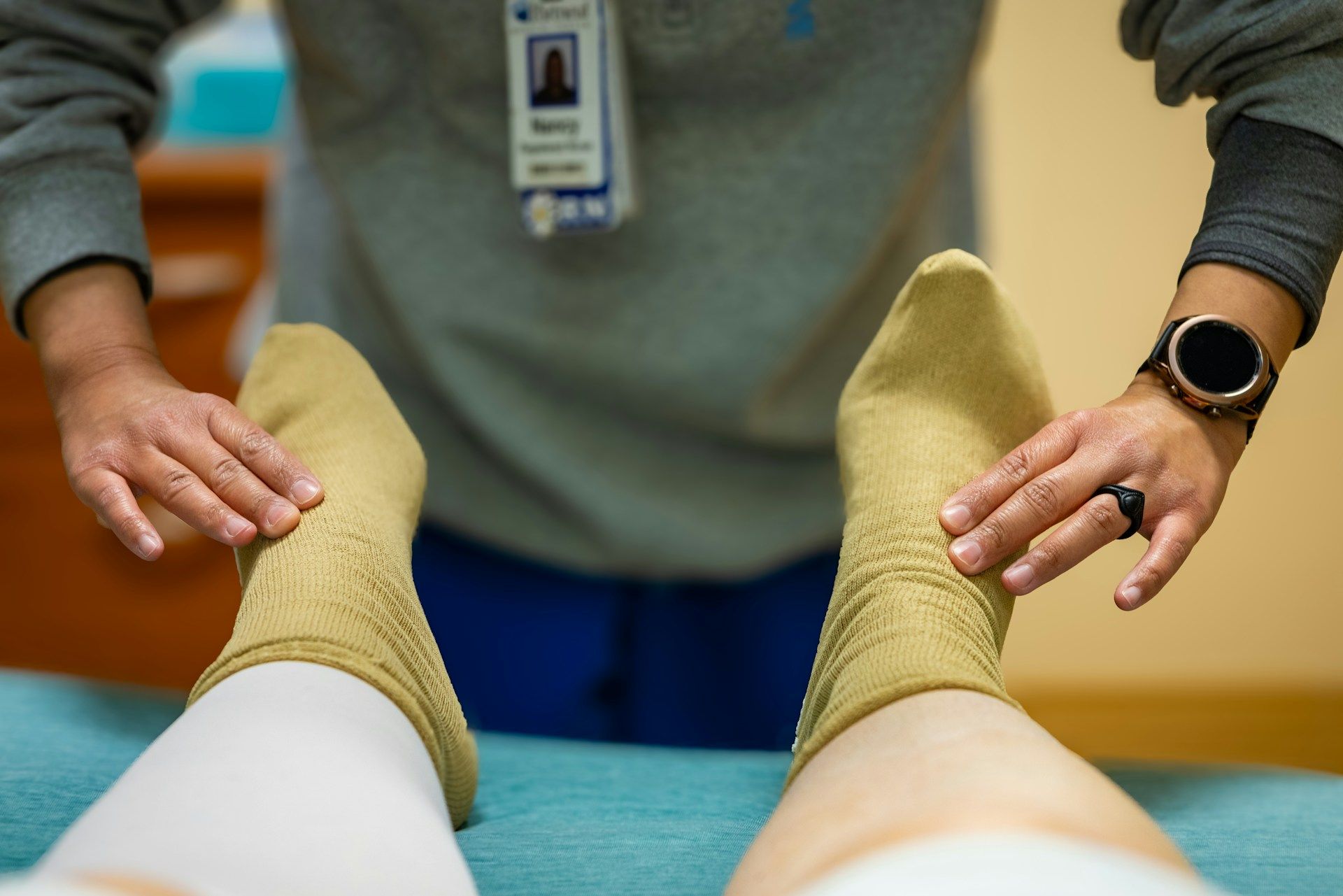
3. Physical Therapy: Guided exercises and stretches can help restore muscle strength, improve range of motion, and decrease pain and stiffness.
4. Occupational Therapy: Occupational therapists work with patients to develop strategies and adaptive equipment to assist with daily living tasks, promoting increased independence and better quality of life.
5. Psychological Support: Psychologists or counselors can help patients develop coping skills and provide emotional support to aid them in dealing with the challenges of living with CRPS.
Innovative Interventional Pain Management Techniques for CRPS
Interventional pain management techniques play a vital role in addressing CRPS-related pain. Here, we outline some advanced treatment options that our clinic offers for CRPS patients:
1. Nerve Blocks: Regional or sympathetic nerve blocks involve injecting an anesthetic and anti-inflammatory medication near the affected nerves, numbing the area and providing temporary pain relief.
2. Spinal Cord Stimulation: Using a small device implanted near the spinal cord, mild electrical pulses help block pain signals from reaching the brain, offering long-lasting pain relief for some CRPS patients.
3. Intrathecal Drug Therapy: Patients can receive consistent pain relief through an implanted drug pump that delivers a steady dose of appropriate medication directly into the spinal fluid.
4. Regenerative Medicine: Platelet-rich plasma (PRP) and stem cell therapies may hold promise for promoting healing and providing pain relief for some CRPS patients.
Personalized Treatment Plans: Addressing the Unique Needs of CRPS Patients
Proper management of CRPS requires a thorough understanding of each patient's unique experience and responsiveness to various treatments. At our clinic, our expert team collaborates with patients to create personalized pain management plans that acknowledge individual needs, preferences, and concerns. These tailored strategies hold the key to addressing the multifaceted nature of CRPS and establishing long-lasting, effective pain relief.
Break Free from the Debilitating Grip of Complex Regional Pain Syndrome
Living with CRPS can be an overwhelming and often isolating experience. However, by seeking support from skilled pain management specialists and implementing a holistic, multidisciplinary approach, CRPS patients can hope to regain control of their pain and achieve a more fulfilling, active life.
Reach out to our pain management specialists at Apollo Spine and Pain Center to discuss how we can help you develop a personalized treatment plan for Complex Regional Pain Syndrome, empowering you to embrace a brighter, more pain-free future.