Using PRP Therapy for Sports Injuries
Sports injuries can be frustrating, especially when they keep you from playing the games you love. Common injuries like sprains, strains, and tendon tears can take a long time to heal. Thankfully, there's a treatment that can help speed up recovery and get you back to your sport faster: PRP therapy.
PRP, or Platelet-Rich Plasma, therapy uses components from your own blood to promote healing. This treatment has become popular among athletes because it's natural and can effectively target injuries. By boosting the body's healing process, PRP therapy can reduce pain and restore function.
Whether you’re a professional athlete or enjoy sports recreationally, understanding how PRP therapy can help with injuries is important. Knowing more about this treatment gives you the power to make informed decisions about your health and recovery journey.
Understanding Sports Injuries and PRP Therapy
Sports injuries happen when the body is pushed beyond its limit. These injuries can include things like sprained ankles, torn ligaments, and muscle strains. Such injuries often result from overuse, poor training practices, or accidents during physical activity. Regardless of the cause, they can be painful and take you away from your favorite activities for a long time.
PRP therapy is an innovative treatment that has gained popularity for addressing sports injuries. It involves using a concentrated mixture of your own blood platelets to help heal injured tissues. These platelets contain growth factors that are crucial for repairing damaged cells. By injecting them into the injured area, PRP therapy promotes faster healing and can reduce inflammation.
Understanding how sports injuries occur and how PRP therapy can help is essential for athletes. It offers a natural solution that utilizes the body's own healing mechanisms. This makes it a preferred choice for many looking to recover quickly and safely. Exploring the benefits and processes involved in PRP therapy can help athletes make informed decisions about their treatment options.
How PRP Therapy Works in Healing Injuries
PRP therapy works by harnessing the body's own healing powers. The treatment begins with a small blood draw from the patient. This blood is then placed in a centrifuge, which spins it at high speeds. This process separates the platelets from other blood components. The result is a platelet-rich plasma, full of nutrients needed to aid recovery.
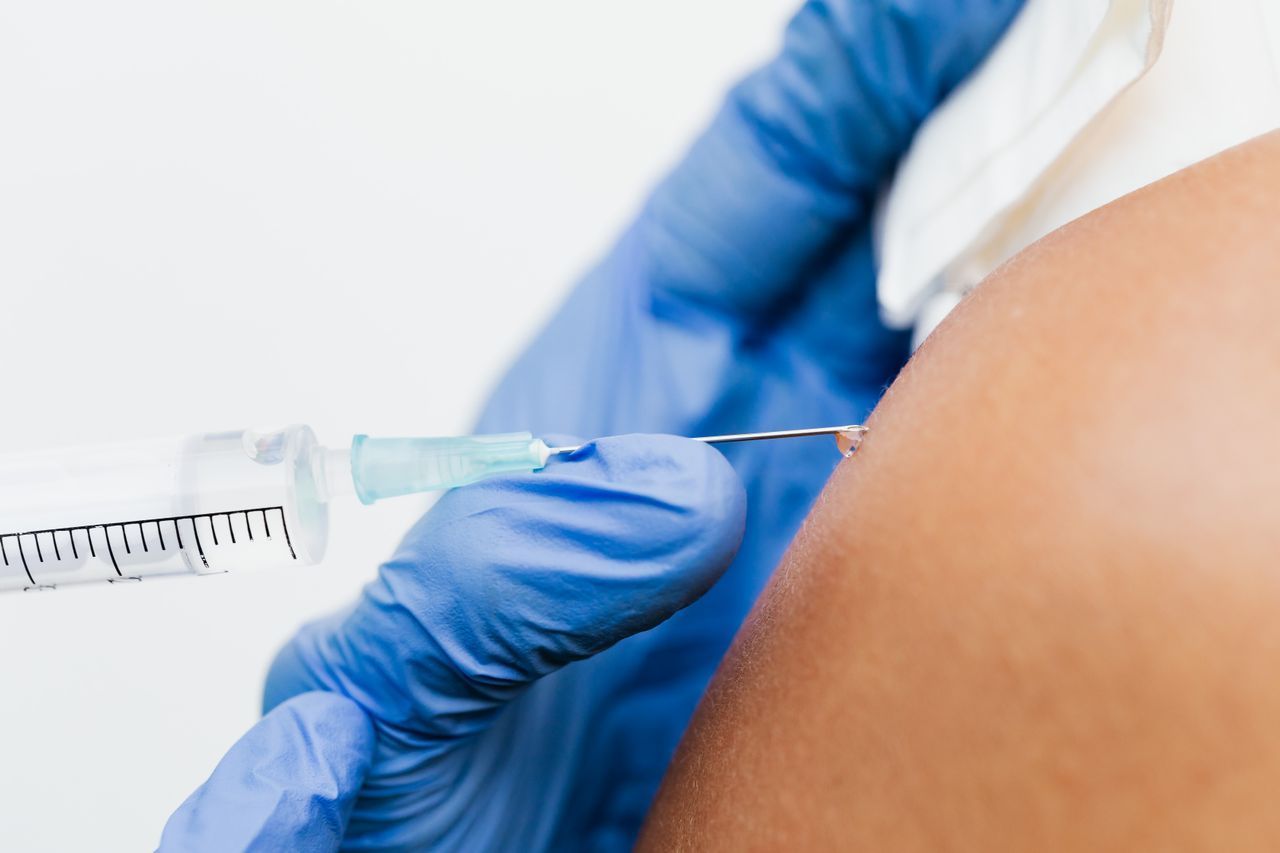
Once the PRP is prepared, it is injected directly into the site of the sports injury. The high concentration of platelets in the plasma releases growth factors that are vital for healing. These growth factors stimulate the repair of tissues and can help reduce the time needed to recover from an injury. Additionally, PRP therapy can decrease pain and stiffness, allowing for a more comfortable healing process.
The use of PRP therapy for sports injuries is particularly appealing because it enhances the body's natural ability to heal. Not only does it target the injury directly, but it also supports overall tissue strength and resilience. This method can lead to improved outcomes and quicker returns to sports activities without the risks associated with more invasive treatments.
By understanding how PRP therapy functions, athletes can better appreciate its role in supporting recovery from sports injuries. This knowledge empowers them to choose effective treatments that align with their goals for health and performance.
Benefits of PRP Therapy for Athletes
Athletes often face the challenge of recovering quickly while minimizing downtime. PRP therapy offers several advantages that make it an attractive option for sports-related injuries. One of the key benefits is the reduction in recovery time. PRP injections can speed up the healing process, allowing athletes to return to their activities sooner than traditional treatments might allow.
PRP therapy is also valued for its ability to decrease inflammation and pain. By targeting the injury site directly, the therapy can help manage pain effectively without relying heavily on medication. This is especially beneficial for athletes who need to maintain both performance and comfort during recovery.
Another advantage of PRP therapy is its natural approach. Since it uses the patient's own blood components, it reduces the risk of adverse reactions. This makes it a safe alternative to surgical interventions or long-term medication use. By supporting the body’s healing from within, PRP therapy provides a holistic approach to recovery that aligns well with an athlete’s goals for swift and efficient healing.
What to Expect During and After PRP Treatment
Understanding what to expect during PRP treatment can help athletes feel more comfortable with the process. Initially, a small amount of blood is drawn from the patient’s arm. This blood is then processed in a centrifuge to concentrate the platelets. The PRP is then injected into the injured area under ultrasound guidance for precise placement.
The procedure is typically quick, taking about an hour from start to finish. Most athletes experience minimal discomfort during the injection, and any soreness afterward is usually mild and short-lived. It's common for patients to be advised to rest the treated area for a few days and avoid strenuous activities immediately following the procedure.
Recovery varies from person to person, but many athletes notice improvement within a few weeks. Follow-up care often includes physical therapy or specific exercises to support and enhance the recovery process. Athletes should communicate with their healthcare providers to ensure they are following the best post-treatment care instructions.
Conclusion
PRP therapy is a promising option for athletes dealing with sports injuries. By harnessing the body’s natural healing abilities, it offers a safe, effective, and minimally invasive approach to recovery. Athletes looking to reduce recovery times while maintaining their performance levels may find PRP therapy to be an ideal solution. As more sports professionals turn to this treatment, it continues to demonstrate strong outcomes and satisfaction rates.
At Apollo Spine and Pain Center, we are dedicated to providing advanced regenerative treatments like PRP therapy to support your recovery and well-being. If you're an athlete struggling with the aftermath of an injury and want to explore how
PRP pain management therapy can help you get back in the game, contact us today. Our experienced team is ready to guide you through the process and create a personalized plan to meet your performance and recovery goals.