Easy Tips for Coping with Diabetic Neuropathy
Living with diabetic neuropathy can be tough. This condition happens when high blood sugar levels cause damage to your nerves. It often affects the feet and legs first, leading to feelings of numbness, tingling, or even sharp pain. These symptoms can make daily activities challenging and impact your quality of life.
Managing diabetic neuropathy starts with understanding the condition. Knowing why it happens and how it affects your body can help you take steps to control it. Proper treatment and lifestyle changes can make a big difference. You don't have to face this condition alone.
At Apollo Spine and Pain Center, we know how important it is to find effective ways to manage your pain. That's why we offer a range of treatments designed to help you feel better and live a more comfortable life. In this article, we will explore easy tips for coping with diabetic neuropathy through medications, lifestyle changes, and interventional pain management options. These strategies can help you take control and improve your well-being.
Understanding Diabetic Neuropathy
Diabetic neuropathy is a type of nerve damage that people with diabetes can develop. High blood sugar levels over a long period cause this damage. The most common type is peripheral neuropathy, which affects the feet and legs. It can also affect the hands and arms.
The symptoms of diabetic neuropathy can vary. Some people may feel tingling or burning sensations. Others may experience numbness, which makes it hard to feel pain or changes in temperature. Some people have sharp, stabbing pains. These symptoms often start slowly and get worse over time. In other cases, there can be muscle weakness or problems with balance.
Knowing the cause and symptoms helps in managing the condition better. If you have diabetes, it's important to keep your blood sugar levels in check. High blood sugar is the main factor that damages your nerves. Regular check-ups with your doctor can help catch issues early and manage them effectively.
Managing Symptoms Through Medication
Medications play a big role in managing diabetic neuropathy symptoms. Pain relievers such as acetaminophen or ibuprofen can help with mild pain. However, they may not be enough for more severe pain. In those cases, doctors often prescribe stronger medications.
Antidepressants can also be used to manage nerve pain. Drugs like amitriptyline or duloxetine are common choices. These medicines work on the brain to reduce pain perception, offering relief to sufferers. Anticonvulsants like gabapentin and pregabalin are also used. These drugs calm down nerve activity, which lessens pain signals.
Sometimes, topical treatments can help. Creams containing capsaicin or lidocaine are applied to the skin. They can numb the area and reduce pain. These treatments are useful for localized pain areas and can be used along with other medications.
It's essential to talk to your doctor about your symptoms. They can recommend the best medication plan for you. Also, managing your blood sugar levels can make the medications more effective. Keeping blood sugar in a healthy range helps lessen nerve damage and improve overall symptoms.
Lifestyle Changes to Ease Diabetic Neuropathy
Making lifestyle changes can help you manage diabetic neuropathy more effectively. One of the most important things you can do is keep your blood sugar levels under control. This can help prevent further nerve damage and reduce pain. Eating a balanced diet with healthy foods like fruits, vegetables, lean proteins, and whole grains can help you maintain stable blood sugar levels.
Regular physical activity is also crucial. Exercise helps improve blood flow to your nerves, which can reduce pain and promote healing. You don't need to do intense workouts; simple activities like walking, swimming, or stretching can be very beneficial. Aim for at least 30 minutes of moderate exercise most days of the week.
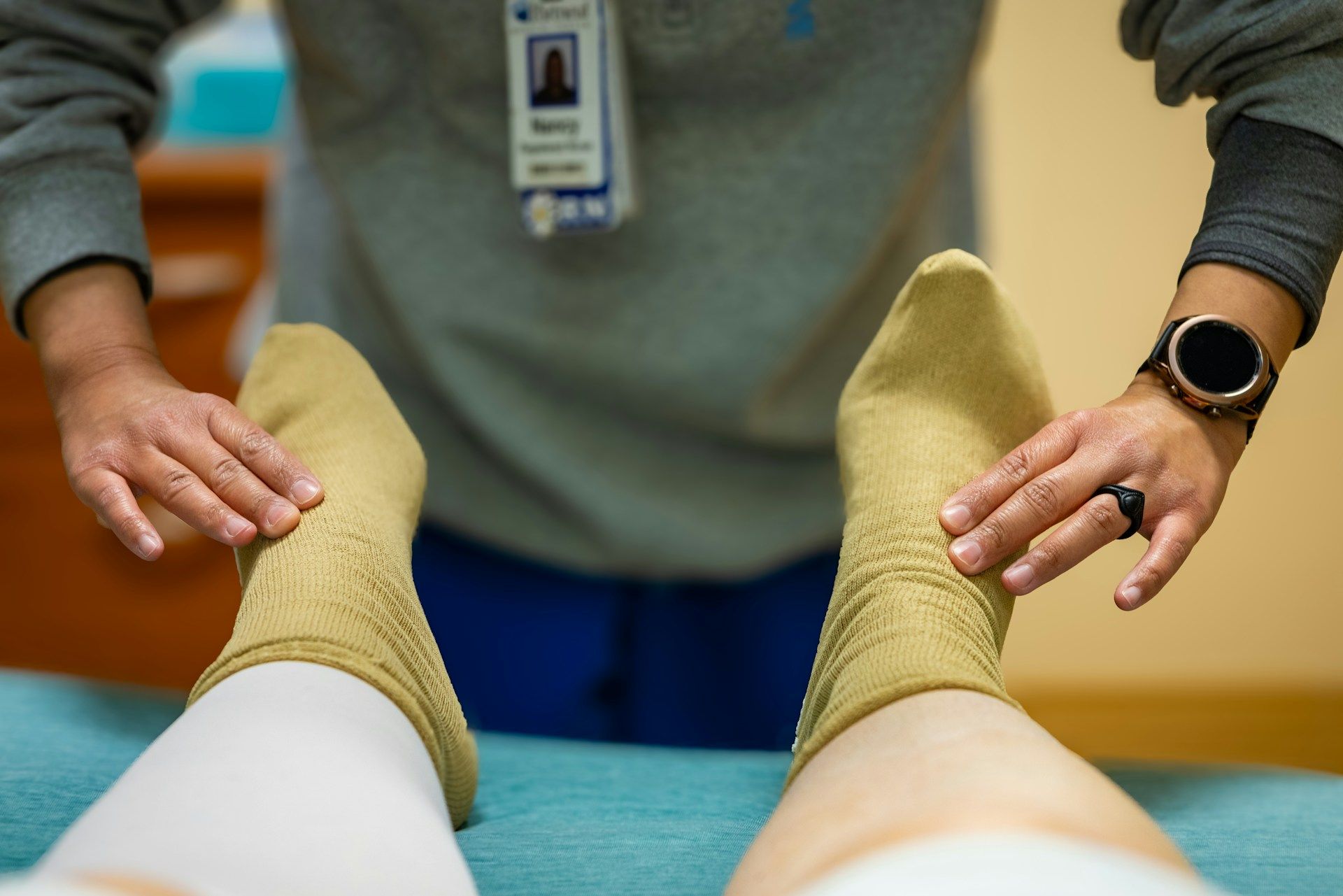
Another useful tip is to take care of your feet. Nerve damage can make it harder to feel injuries, so regular foot checks can help you catch problems early. Wash your feet daily, keep them dry, and choose comfortable shoes to avoid blisters or sores. If you notice any cuts, blisters, or infections, see a doctor promptly to prevent complications.
Interventional Pain Management Options
Sometimes, medications and lifestyle changes aren’t enough to manage the pain from diabetic neuropathy. In such cases, interventional pain management options can help. These methods aim to reduce pain and improve your quality of life.
One option is nerve blocks. This procedure involves injecting an anesthetic near the affected nerves to block the pain signals. It can provide temporary relief and may be repeated if necessary. Another advanced option is spinal cord stimulation. This involves placing a small device near your spinal cord that sends electrical signals to interrupt pain signals before they reach your brain.
Regenerative medicine, like Platelet-Rich Plasma (PRP) therapy, is another promising treatment. PRP uses your blood’s healing factors to repair damaged nerves. Although more research is needed, some patients find relief through these cutting-edge methods.
Managing diabetic neuropathy pain is challenging, but you don’t have to do it alone. These interventional pain management strategies can be tailored to your needs, offering you a chance to live more comfortably.
Final Thoughts
Dealing with diabetic neuropathy can be tough, but there are many ways to find relief. Understanding the condition is the first step. Medications, lifestyle changes, and interventional pain management techniques offer various ways to manage symptoms and improve your quality of life.
Taking control of your health can make a big difference. Regular check-ups, a balanced diet, exercise, and innovative treatments can help you cope with the challenges of diabetic neuropathy. By exploring these options, you can find a plan that works best for you.
At Apollo Spine and Pain Center, we specialize in comprehensive pain management. If you're struggling with
diabetic neuropathy, contact us today to find out how we can help you live a more comfortable life. Schedule a consultation now and take the first step towards better pain management and well-being.