Common Injection Sites for Interventional Pain Therapies
Interventional injection is a common way to treat pain that gets in the way of daily life. It’s not always about stopping pain completely, but about helping people stay active without it getting worse. These injections are placed carefully in areas where joints, nerves, or muscles are inflamed or not moving well. They can reduce swelling, ease tension, and improve motion in a safe, controlled way.
Here in Cumming, GA and Jasper, GA, spring means more outdoor projects, gardening, and all the little things that come with good weather. That shift after cooler, slower months sometimes brings pain back to the surface. Shoulder aches after yard work, stiff backs from weekend clean-up, or sore knees on walking trails, these are all things that can point to the need for extra support. That’s when injections may help bring relief and prevent things from getting worse.
Common Areas Targeted for Injection Therapy
Some pain comes and goes quickly, but when it lingers or limits how much you can move, it helps to know which joints might be causing it. Injections are often used in spots that carry the most weight, motion, or daily use.
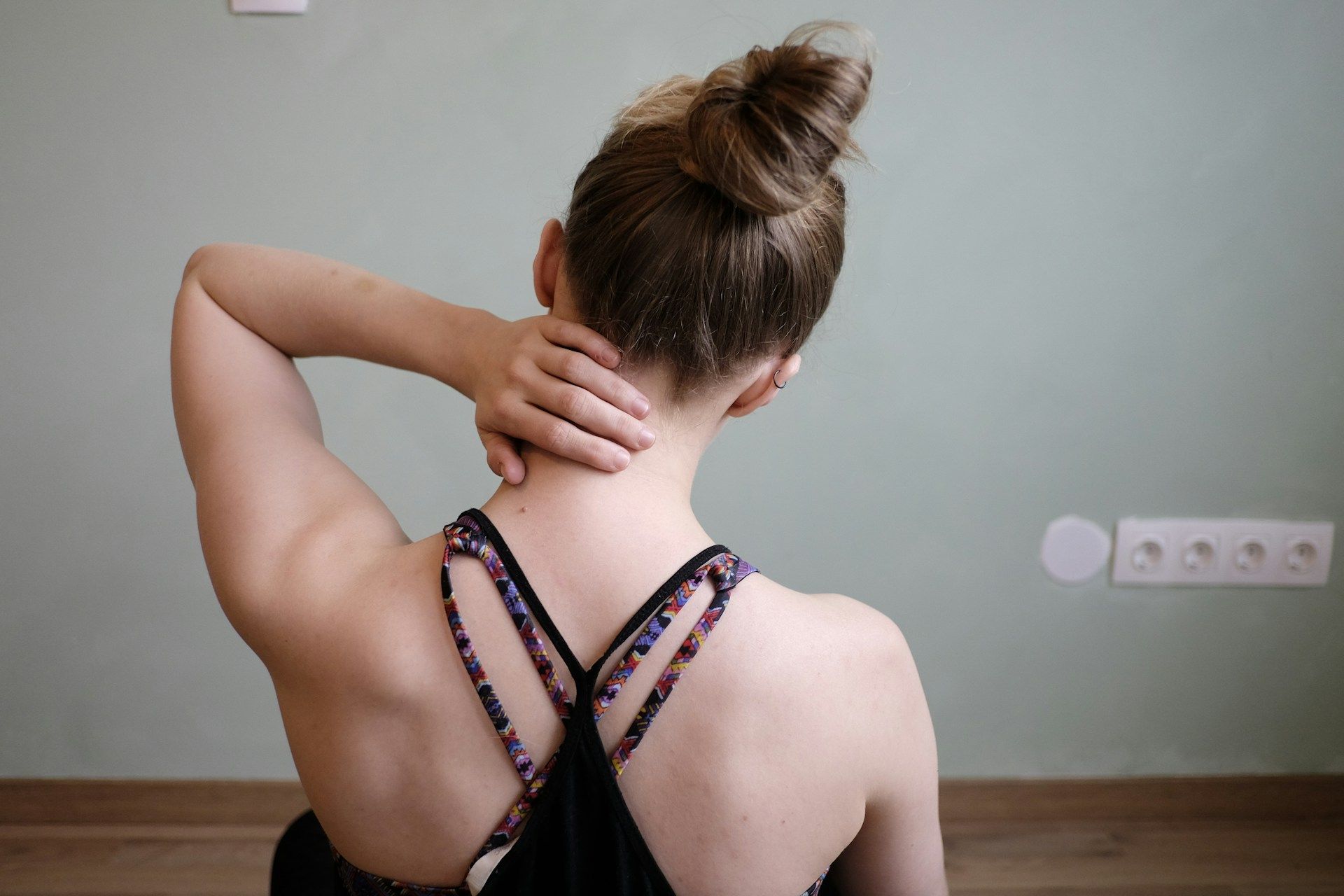
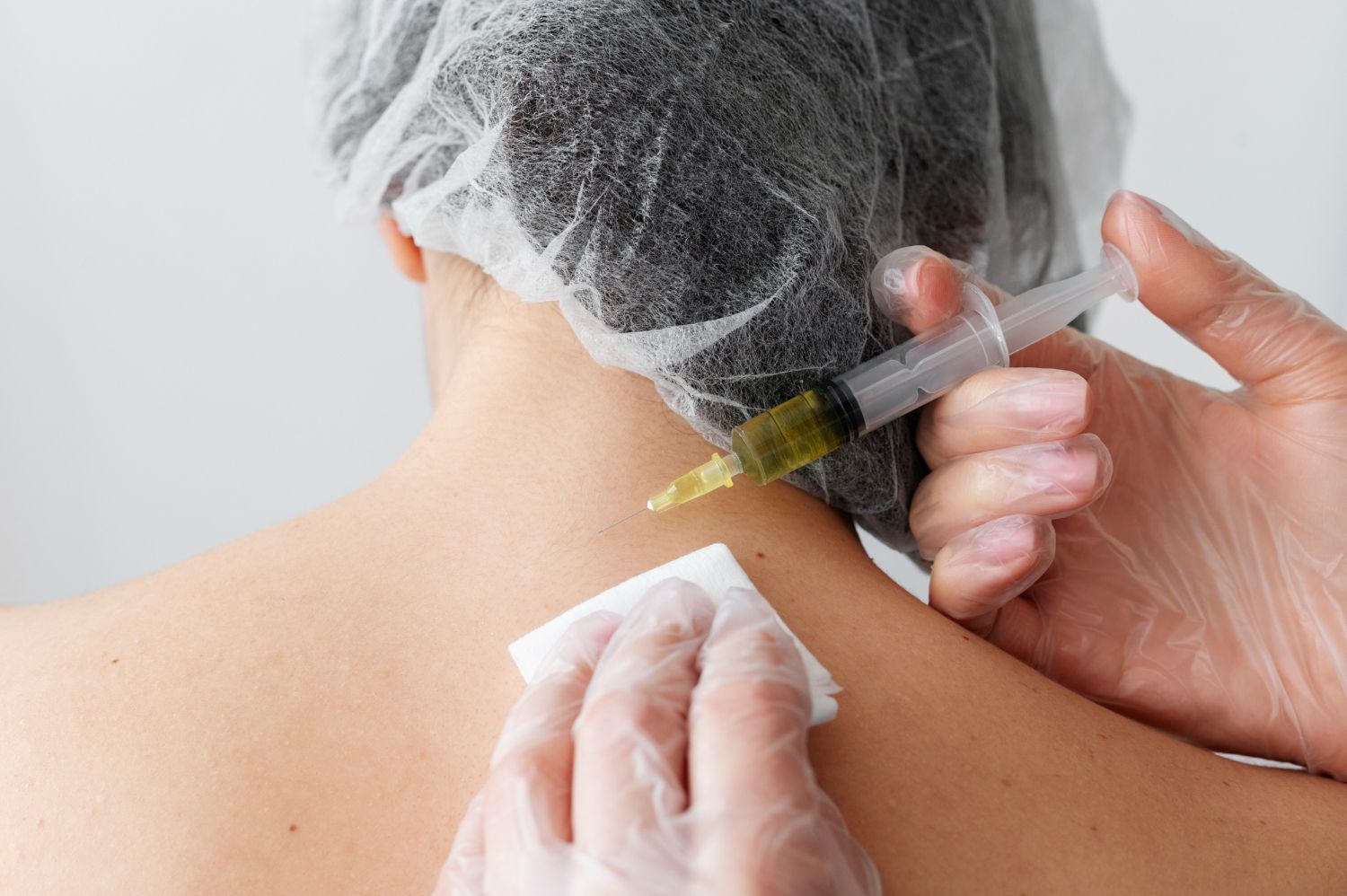
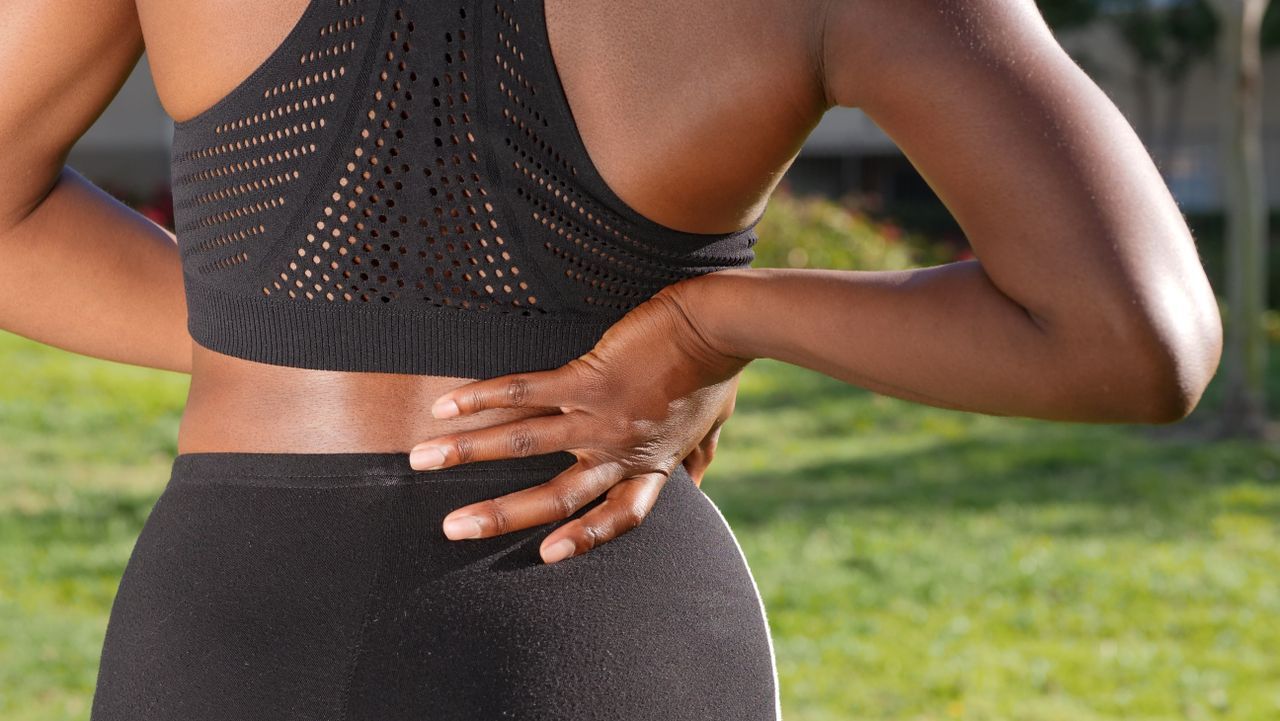
- The spine is one of the most common places. Whether it’s low back pain that makes bending hard or neck pain that causes headaches, injections can help settle irritated nerves and tight muscles.
- Hips and knees carry most of the body’s weight. When there’s swelling or wear in these joints, walking or standing gets tiring fast. Injections can help open that space again so the joints move with less grinding.
- Shoulders, elbows, and ankles are used constantly in everyday tasks. Carrying bags, driving, or even cooking can trigger pain when these areas are irritated.
We focus on finding out where pain comes from, not just where it shows up. That’s how we choose the right injection site to help the body heal more naturally.
Apollo Spine and Pain Center offers image-guided injections, like epidural steroid injections, facet joint injections, and joint injections for the knees, shoulders, and hips. These advanced techniques help improve accuracy, increase relief, and support recovery for our patients in Cumming, GA and Jasper, GA.
How Interventional Injections Work
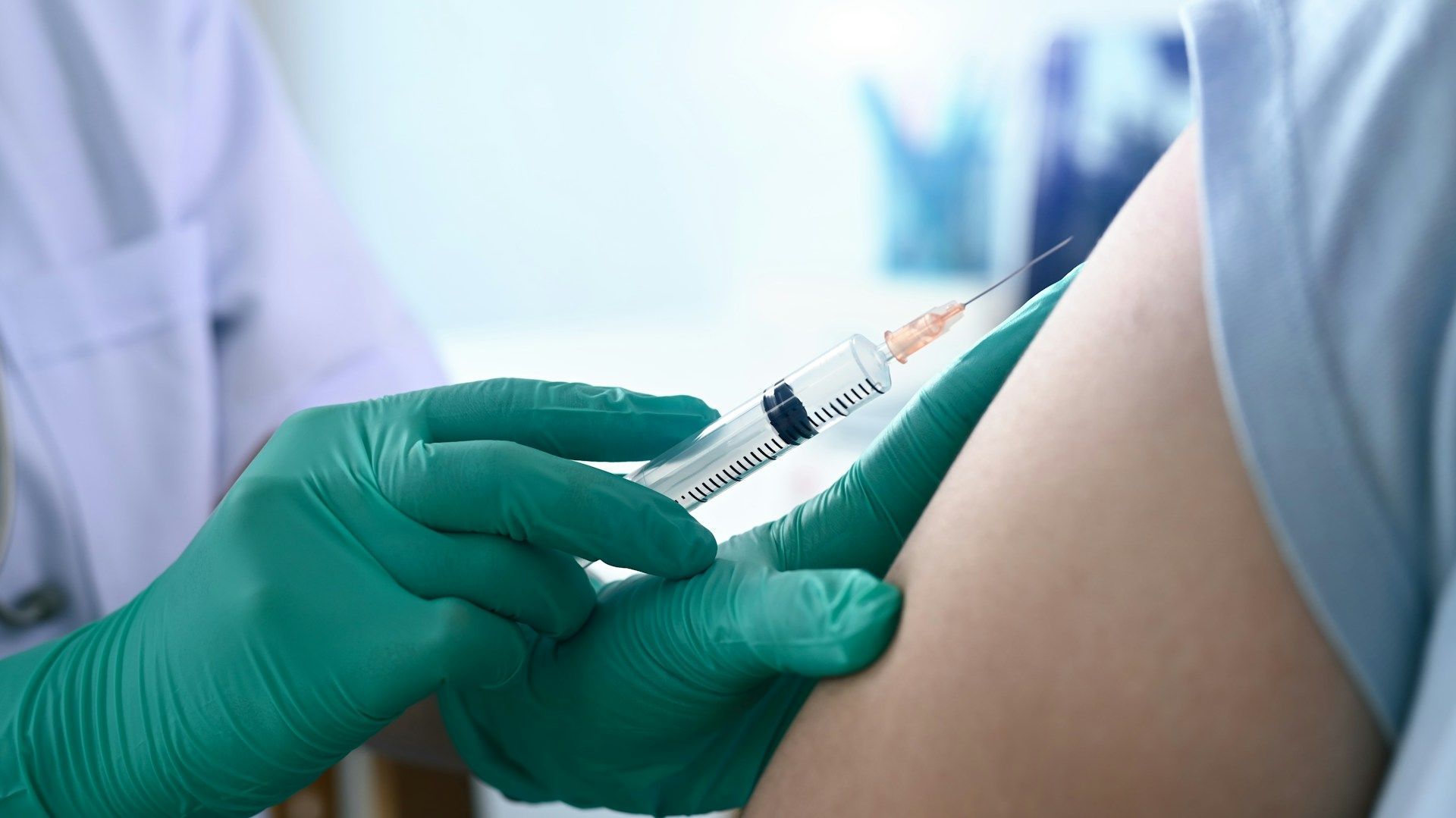
An interventional injection is more than a simple shot. It’s a targeted method used to relieve pain inside the body without surgery. These injections don’t just go anywhere, they’re placed where the pain starts or where it's causing the most trouble.
Here’s how they’re typically used:
- A small needle delivers medication to reduce swelling or block the pain temporarily.
- The area is sometimes numbed before the injection to ease discomfort.
- The goal is not just to treat symptoms but to give the body space to heal and move better again.
The kinds of medication used depend on what kind of pain is happening. Some are used to calm inflamed nerves. Others are used to treat swelling in joints or muscles. By finding the exact cause, we can match the treatment to what’s needed instead of guessing. Sometimes the bad spot is obvious, like a stiff joint, and other times it shows up through movement tests or pain patterns.
Pain-Linked Locations Often Treated in Spring
Spring invites people back outside, which is great for the mind but sometimes rough on joints. Once the yard work, hiking, or weekend chores pick up after winter, pain often shows up in a few predictable spots.
- Shoulders that haven’t moved much during the winter can flare up when used for pruning or lifting.
- Knees and lower backs may hurt more from bending, planting, or general movement on uneven ground.
- Wrists and elbows feel strain from carrying, pulling, or using hand tools repeatedly.
- The lower spine or sacroiliac area can get sore from standing too long or doing lots of twisting motion.
We pay close attention to how people use their bodies in spring. When the activity changes quickly, the joints don’t always keep up. A well-placed injection can help prevent bigger problems from building up later in the season.
Precision and Planning: Getting the Injection to the Right Place
Every treatment starts with figuring out where the problem really is. Sometimes pain shows up in one spot, but the actual cause is somewhere else. That’s why we take extra care in planning injections. It’s not about making quick fixes, it’s about getting movement back without triggering more pain.
Here’s how we find the best injection points:
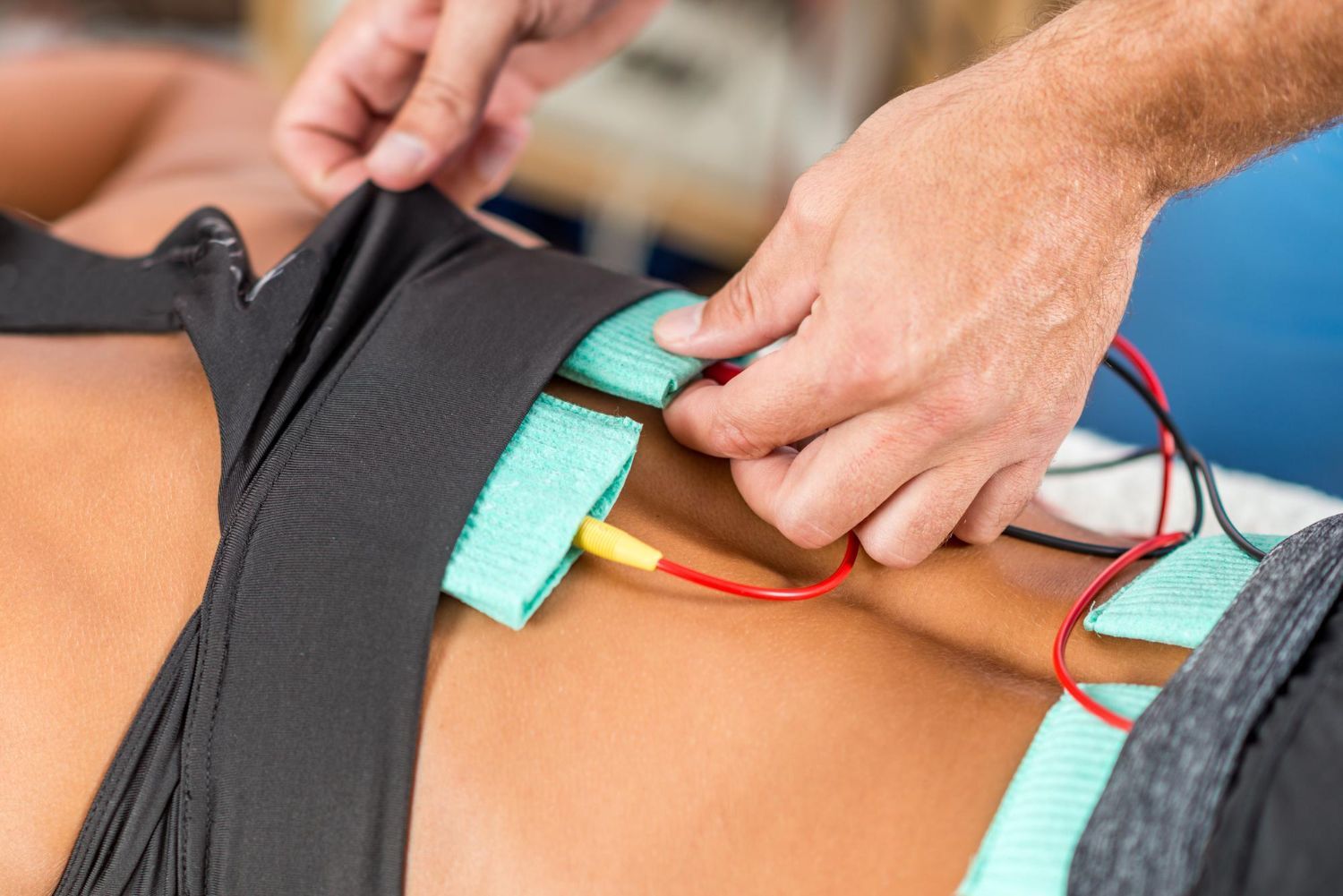
- Imaging tools, like X-rays or scans, help show what’s happening inside joints or along nerves.
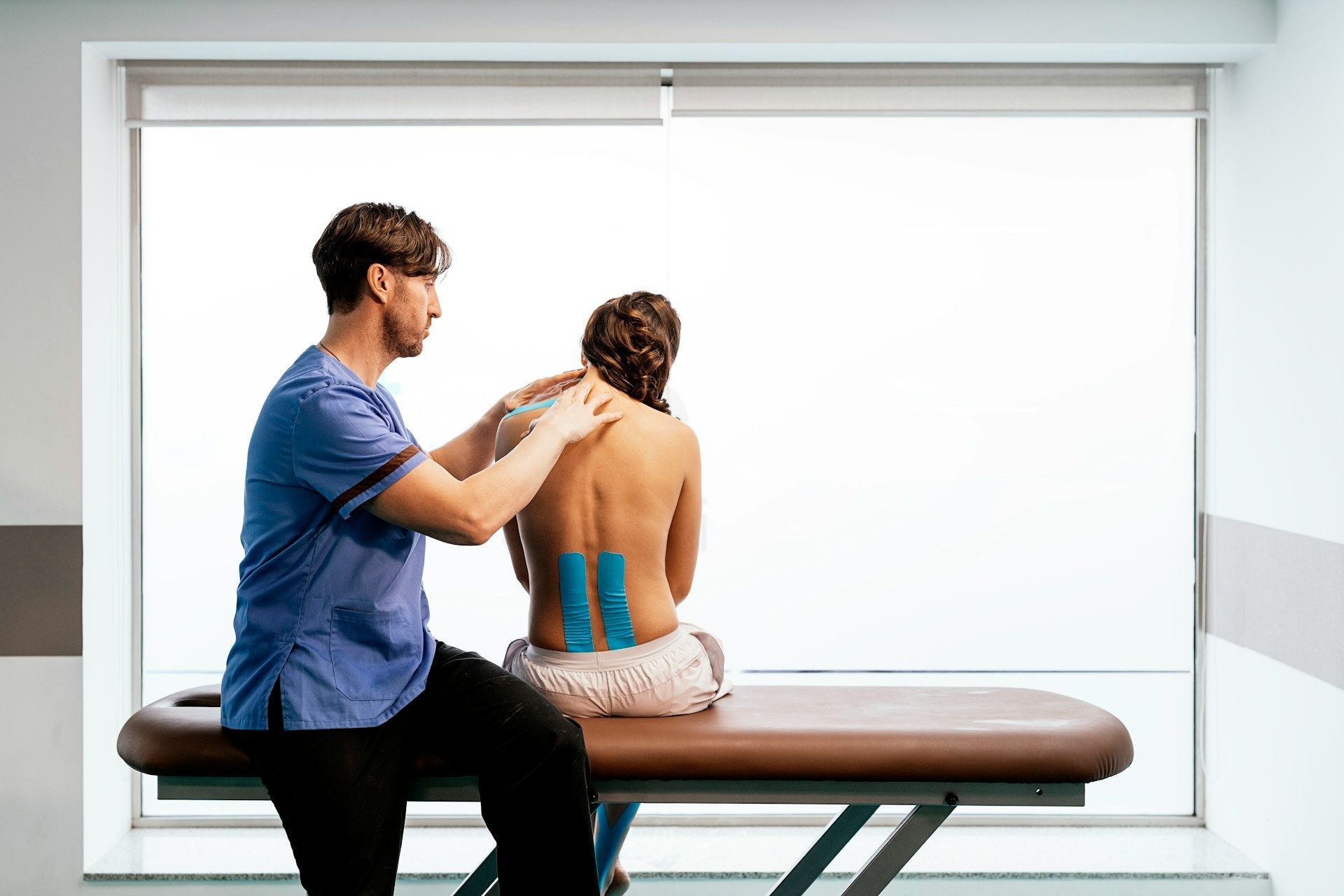
- Range-of-motion tests, reflex checks, and pressure points help us feel for stiffness or irritation.
- Once we identify the problematic area, we guide the injection directly to that location.
Positioning matters. The wrong spot can leave the pain unchanged or make parts of the body overcompensate in ways that cause new problems. When the needle is placed with care and accuracy, recovery feels smoother and more predictable. It helps reduce guesswork for the person receiving it and for those giving it.
Keeping Movement Going Without Setbacks
Staying active through the spring months feels good. We see it every year, people in Cumming, GA and Jasper, GA get out more after winter, and the change in activities brings up older issues that were quiet for months. Back stiffness, shoulder pain, or sore knees don’t have to be part of the season. Getting simple support early can make a big difference.
Injections are part of that plan. They don’t solve every problem, but they do help clear up inflammation in the spots that matter most. By understanding which locations commonly give people trouble, and how injections can calm those areas, we can help support better daily movement.
Relief doesn’t always come overnight. But with small steps, avoiding overuse, making smart choices around movement, and trusting where the pain is coming from, people can stay active without constant discomfort getting in the way.
When joint pain, nerve pressure, or spring-related soreness start interfering with your daily routine, exploring how an
interventional injection may help could be the next step toward lasting relief. At Apollo Spine and Pain Center, we take the time to pinpoint the source of your pain and create a plan that supports your movement without adding stress or confusion. Reach out to our team today and move forward with confidence.