When Should You See an Interventional Pain Specialist?
Pain can fade quickly, or it can hang around when it’s least welcome. Everyone experiences discomfort from time to time, but if something aches for days and doesn’t calm down, it might not be something you can stretch or sleep off. That’s where we start thinking about where the pain is coming from and how deep the problem might be.
An interventional pain management specialist focuses on the layers beneath aching joints or pinched nerves. This type of care isn't about handing out pills or guessing what might help. It's about using skill and tools to target the root of the pain directly. In areas like Cumming, GA and Jasper, GA, spring tends to bring a surge in physical activity. After a quieter winter, being suddenly busy outdoors can stir up old injuries or create new ache points, making this a good time to pay attention to any discomfort you’ve been pushing through.
When Pain Doesn’t Go Away on Its Own
Some aches pass with a little rest. But when the same pain shows up in the same spot again and again, it could mean there's something going on deeper inside. That’s when the pain might need more than just patience and ice packs.
- If you're still feeling the same soreness after a few weeks, it might not be something your body can fix without help.
- Sometimes, the part that hurts isn't actually the one causing the problem. A hip issue might make your knee ache or a stiff back could lead to neck tension.
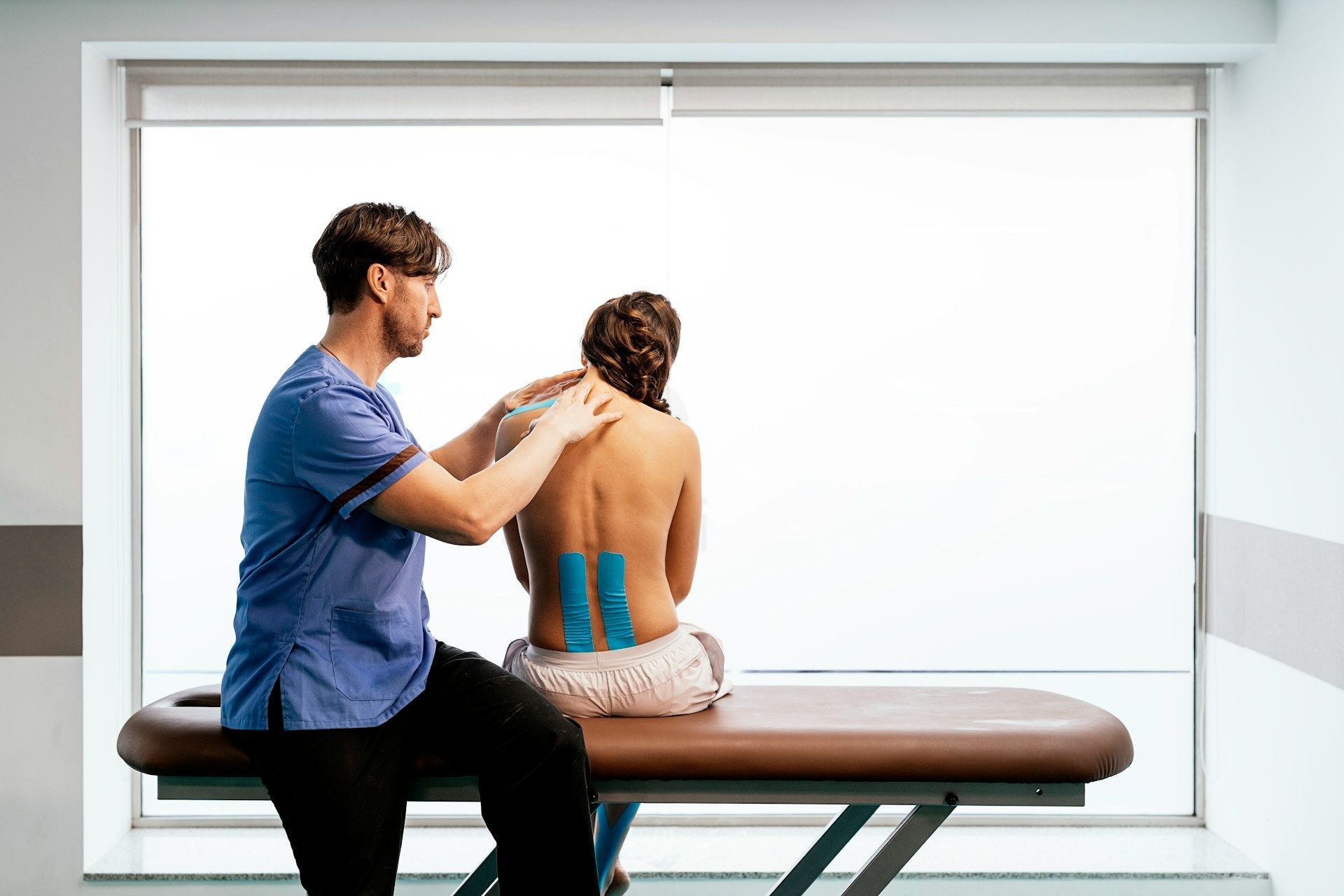
- A targeted exam helps figure out the real root of the pain, so we can start helping where it will actually make a difference.
If you're wincing every time you bend, lift, or twist, it might be time to stop waiting for it to go away and find out what's really causing it.
Daily Routines That Hurt More Than They Should
When everyday things like walking to the mailbox or pulling weeds leave you feeling worse than before, pain might be slowing you down more than you realize. Avoiding simple chores is a sign your body is working harder than it should just to manage the basics.
- Gardening, climbing stairs, and standing for long periods can all stir up pain if something's already inflamed
- If you sleep poorly because you can't find a comfortable position, or you start dropping hobbies to avoid the discomfort, that’s a red flag
- Noticing smaller changes early on gives you a better shot at easing the problem before it starts to affect your whole routine
We hear a lot of people say they waited longer than they should have. The longer pain goes unchecked, the more it can interfere with daily life and take away from the simple things that make you feel like yourself.
Treatments That Go Beyond Basic Fixes
Some kinds of pain don’t respond well to general solutions. That’s where more advanced methods come into the picture. An interventional pain management specialist doesn’t just send you home with rest suggestions. We look at ways to deliver relief right where the problem lives.
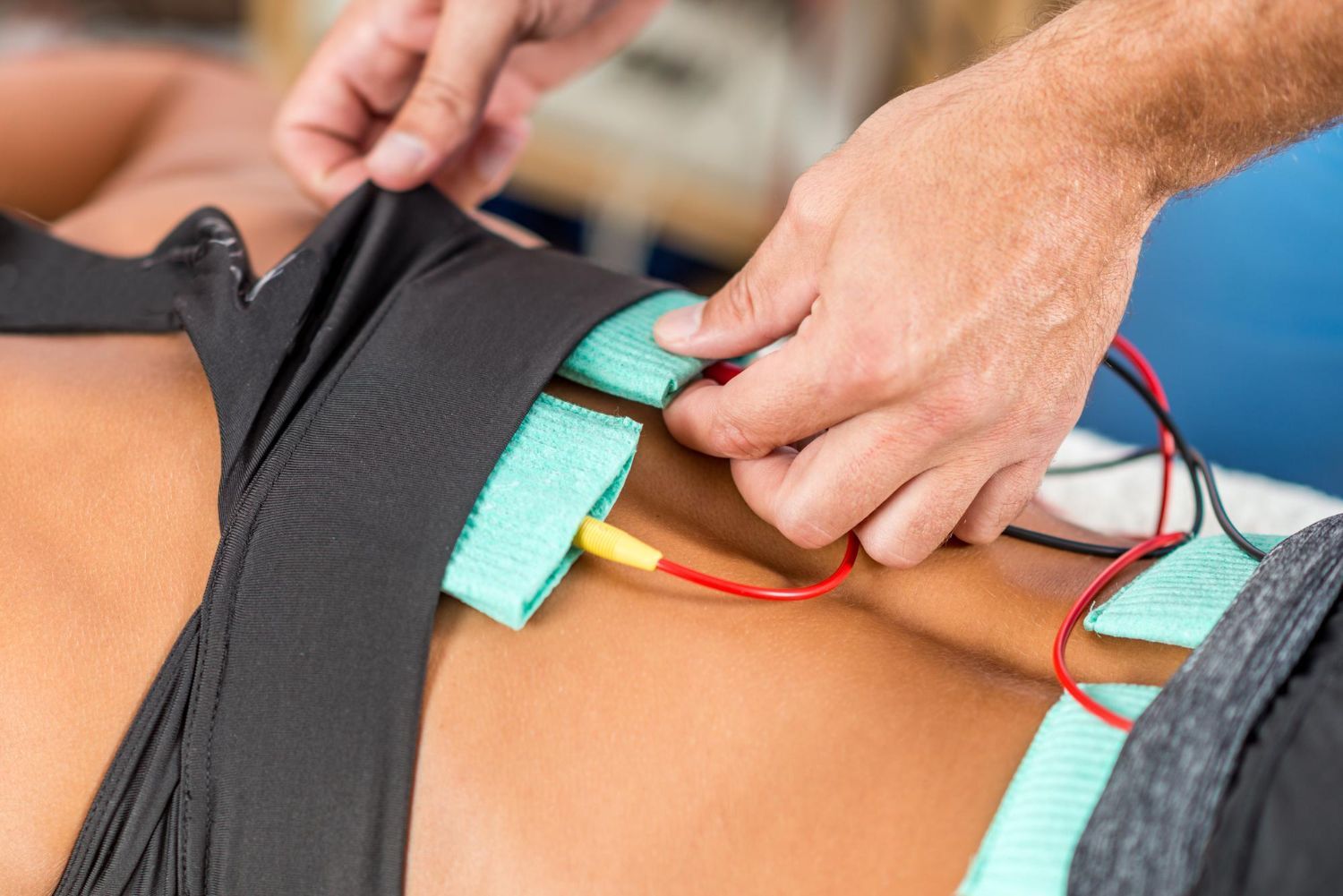
- We may use image-guided injections to deliver medicine directly into tight joints or along inflamed nerves.
- These treatments do more than numb the area. They can create real change by cutting inflammation and easing pressure.
- They're often part of a bigger care plan that includes movement exercises to keep your progress going.
This approach works best when we know exactly what's wrong. These treatments aren’t meant to replace walking, stretching, or building strength. They help restore enough comfort so you can get back to moving again, without gritting your teeth through it.
Seasonal Flare-Ups and the Spring Connection
Spring can be a tricky time for people living in Cumming, GA and Jasper, GA. After months of winter slowing everything down, spring invites more action. That’s good for the mind but not always friendly to the joints.
- Sudden yardwork weekends or long outdoor hikes can bring quiet problems back to the surface.
- Digging, lifting, or changing positions a lot might light up old trouble spots, especially if your body wasn’t moving much over the winter.
- Getting care earlier in the season helps you stay active without reaching that point where the pain forces you to stop.
One weekend of hauling mulch or twisting around while raking can be enough to stir up pain that was resting quietly. Many people don't expect discomfort to hit as fast as it does once spring starts pulling them back outside. Paying attention to how your body responds now can help you enjoy the season fully.
Understanding the Right Time to Ask for Help
It’s easy to think pain will go away if you just give it time. Sometimes it does. But if discomfort starts changing how you stand, bend, or sit, waiting too long can close doors you didn’t expect to shut.
- If pain changes your movement, your sleep, or your mood and energy, it’s time to talk to someone.
- You don’t need to be in severe pain to deserve attention. Even mild pain, if it's frequent, is worth taking seriously.
- Early care can help prevent longer recovery, and it can stop other body parts from picking up the slack and wearing down too.
It’s normal to second-guess when to speak up. But if pain is becoming a regular part of your day and not just a once-in-a-while thing, that’s a sign you shouldn’t ignore.
Taking Steps Toward Easier, More Comfortable Days
No one wants to be sidelined by soreness, especially during the months that bring fresh air and new energy. Spring gives us the motivation to get moving, yet that same energy can make pain harder to ignore.
We pay attention to how long discomfort lingers and how it affects activity levels. Knowing when to pause and get something checked out can be the difference between a small fix and a season spent limping along. When the body speaks through tight backs, stiff joints, and aches that outlast a good night's sleep, we listen. That care, at the right time, can keep spring feeling like the beginning of something better, not something you have to drag yourself through.
When pain lingers longer than expected, addressing it early can make a real difference in staying comfortable and active this spring. We help people get to the root of their discomfort so daily routines don’t have to stay on hold. Whether you’re dealing with an old injury flaring up or something new that just doesn’t feel right, working with an
interventional pain management specialist gives you answers and a personal plan that fits your needs. At Apollo Spine and Pain Center, we’re here to help people in Cumming, GA and Jasper, GA move forward with confidence. Contact us today to discuss what you’re experiencing and how we can support you.