Which Conditions Suit Advanced Interventional Pain Options?
As spring rolls into Cumming, GA and Jasper, GA, we see people getting back outside. Along with better weather comes more yardwork, outdoor chores, and weekend hikes. While many welcome the change, all that extra movement can stir up pain that’s been quiet for a while. This is often when people realize that everyday aches might be pointing to something deeper. More people are choosing advanced interventional pain management instead of relying only on medication or surgery. These methods focus on treating pain right at the source and work best for certain conditions. Knowing which ones respond well can help you make a smarter next step.
Common Chronic Conditions That Respond to Interventional Methods
Not all pain is the same, and some types stick around no matter how careful someone is with daily habits. That’s where focused pain management comes in. We often see certain patterns in the kinds of pain that respond well to these targeted treatments.
- Arthritis pain in the larger joints, especially knees, hips, and shoulders, tends to flare up after activity. When those joints swell or grind, it can feel stiff or sore for days.
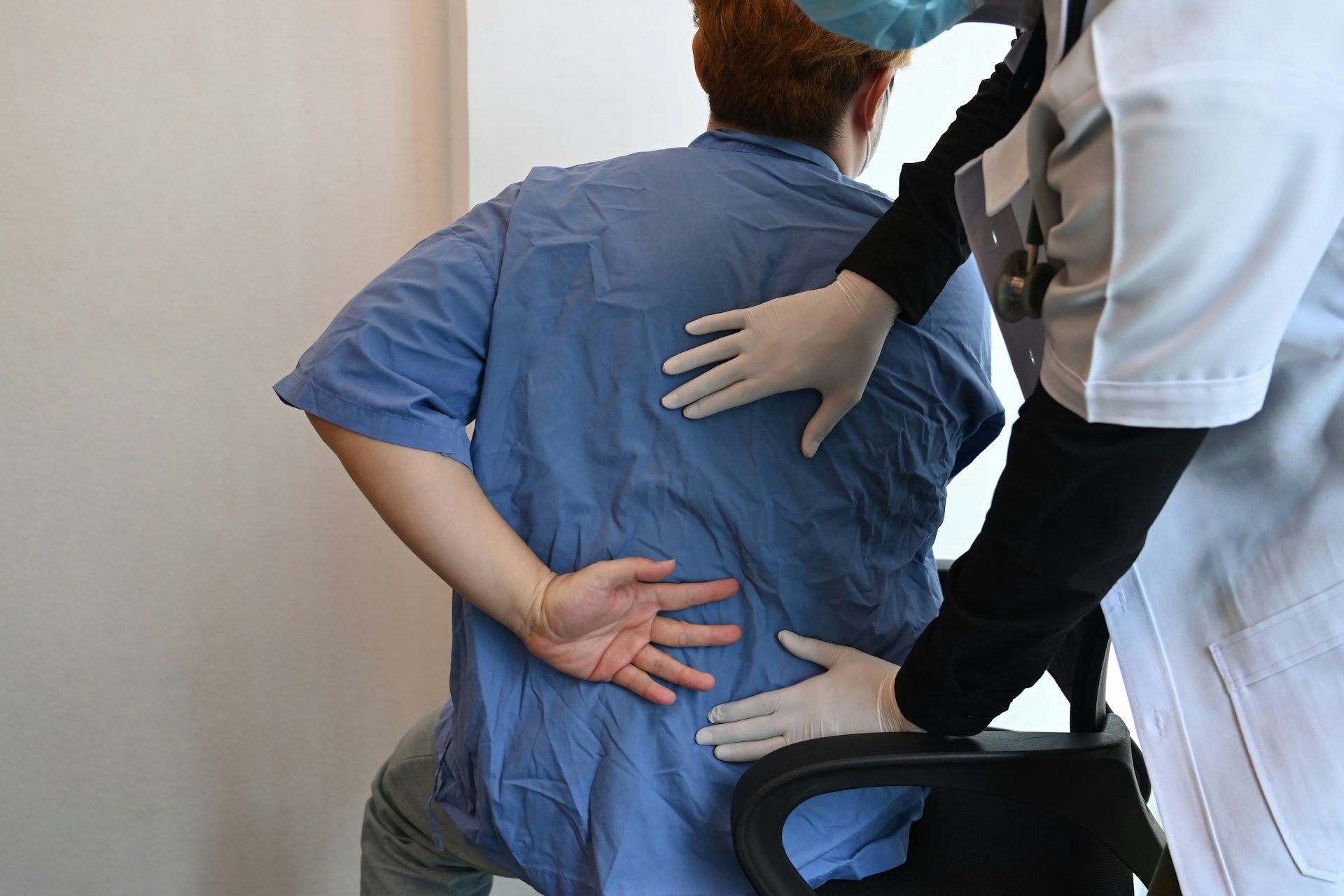
- Back and neck pain caused by things like disc problems often becomes worse with standing, lifting, or sitting for too long. This type of pain can also lead to secondary issues like headaches or leg pain.
- Nerve-related pain, such as sciatica, sometimes comes with a shooting feeling, numbness, or weakness. It usually involves one side of the body and often follows a repeatable movement trigger.
When we see these patterns, we think about how the pain behaves and where it might be coming from inside the body, not just where it hurts most.
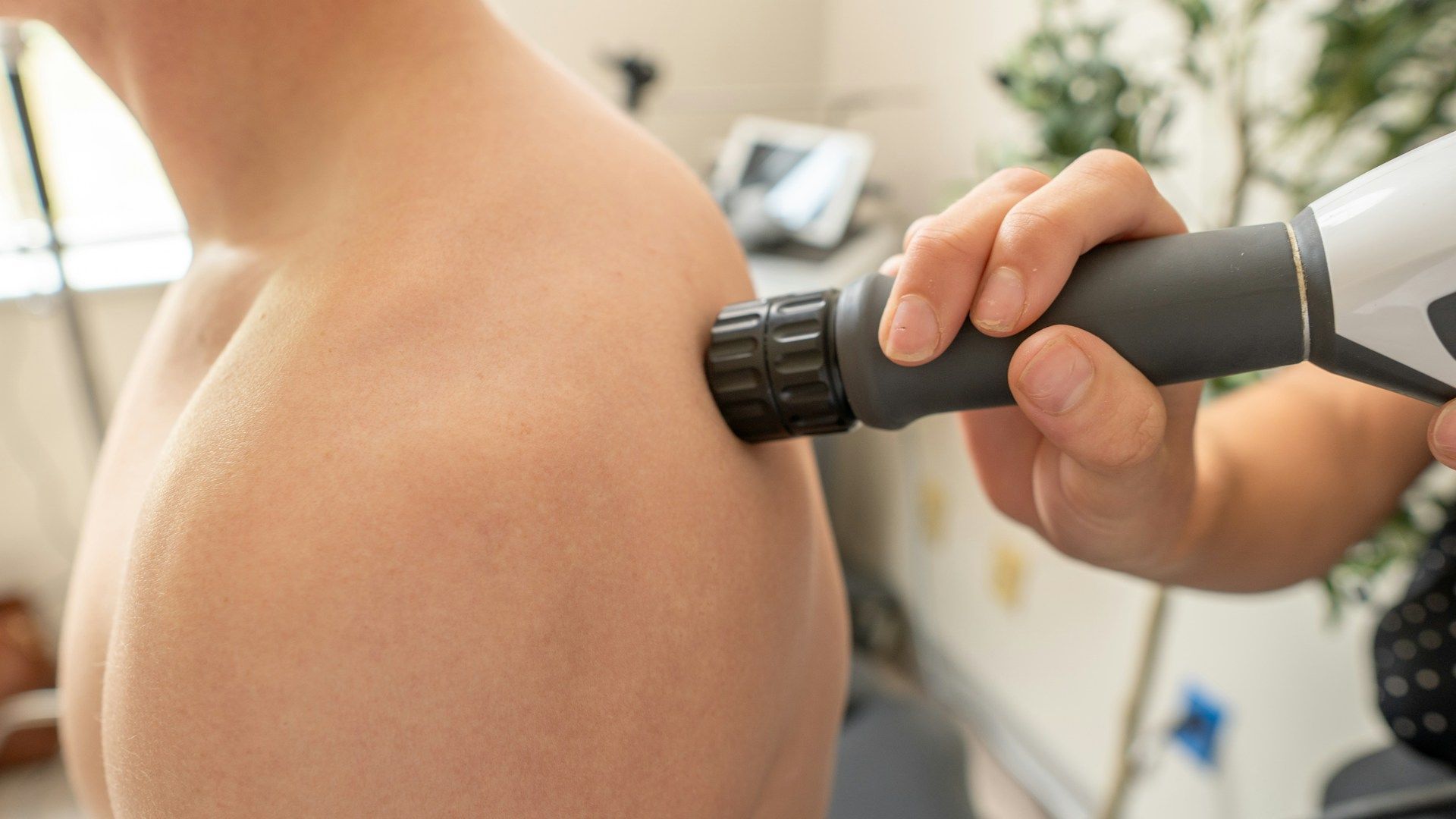
Apollo Spine and Pain Center offers advanced interventional pain management, including fluoroscopy-guided injections and image-guided interventions for nerve, spine, and joint conditions. All care is directed by board-certified pain specialists in Cumming, GA and Jasper, GA.
Signs That Traditional Treatment Isn’t Working
Sometimes a patient has tried rest, stretches, or over-the-counter medicine, but the pain keeps returning. If everyday tasks start to feel like too much or pain pops up more regularly after certain motions, it may be time to look for other options.
- Needing pain medicine more often to get through the day, without real relief
- Losing sleep or waking up sore because the pain won’t settle down at night
- Getting temporary help from things like heat or physical therapy, but the pain always returns
These are signs the body isn’t healing well on its own. Long-lasting pain chips away at someone’s ability to enjoy daily routines, which often leads them to a more focused treatment path.
What Makes a Condition a Good Fit for Injection-Based Care
Not every condition needs an injection, so we take the time to look at each case closely. If the issue is tied to a specific muscle, nerve, or joint, then targeted treatment often makes a big difference. We look for three things when deciding if it’s a good match.
- The pain usually follows a clear movement pattern or gets worse after specific activities
- Imaging tests or physical exams show swelling or pressure in a fairly small area
- Overall health is stable, but one area isn’t improving with basic care
Advanced interventional pain management works best when we can pin down exactly where the pain begins. The more precise we can be, the smoother the next step usually is.
How Lifestyle and Season Play a Role in Spring Pain Patterns
In spring, we start seeing patients in Cumming, GA and Jasper, GA come in with pain brought on by routine changes. Many take up yardwork, begin gardening, or start cleaning out sheds or garages. Those tasks sneak in more bending, lifting, and twisting than winter routines do.
- Holding tools for long hours strains fingers, wrists, and elbows
- Reaching, pulling, or squatting can aggravate old shoulder, hip, or knee injuries
- Uneven ground, mulch beds, or walking trails test lower back stability
Even people who were comfortable all winter may feel older injuries start to act up again. The mix of shifting temperatures and sudden motion often plays a role. We keep that in mind when figuring out what type of treatment makes the most sense for someone’s current condition.
What to Expect from Advanced Interventional Pain Management
Once we know a condition is a strong match, we take time to plan. These treatments aren’t one-size-fits-all shots. They’re designed to calm inflammation, support healing, and help with motion in ways medication alone doesn’t achieve.
- We use tools like imaging scans or nerve testing to pinpoint where the pain begins
- Our goal is to loosen up the body, reduce pressure on nerves or joints, and help you move more freely
- Often, we pair the injections with movement or stretching plans so improvements last longer
These options don’t promise overnight relief. But when done correctly and with the right activity follow-up, they can give more space for someone to stay active without being afraid of every flare-up.
Relief That Moves With You Through the Season
Pain doesn’t wait for the right season. It shows up when your body falls out of rhythm, which is often in the middle of a change. Spring brings more ways to get outside and get things done, but it can also sneak in stress on joints and nerves if they aren’t ready.
Conditions that once needed only a little rest now might gain more from hands-on help. Watching for stuck movement, ongoing swelling, or repeated soreness can point to a deeper fix. If spring is stirring up old issues again, it might be time to look into what’s really behind the pain.
Recurring joint or nerve pain slowing you down this spring? Our team helps people in Cumming, GA and Jasper, GA find the best care for their unique needs, from lower back stiffness and shoulder swelling to long-term joint discomfort. We focus on what moves you forward, not just masking symptoms. Discover how we address pain at its source with targeted options like
advanced interventional pain management. If pain is still part of your routine, give Apollo Spine and Pain Center a call to discuss your next steps.