Using PRP for Tendon Recovery in Pain Management
When it comes to tendon injuries, the body often needs help healing the right way. Whether it is from strain, overuse, or wear that builds up over time, people are looking for more natural options to feel better and move easier. One therapy getting more attention lately is PRP pain management. It is especially helpful for those of us dealing with long-term tendon issues that do not always respond well to rest or basic stretches.
In places like Cumming, GA and Jasper, GA, spring tends to bring a rise in outdoor activity. From yard cleanup to weekend sports, many of us push our bodies a little harder as the weather warms up. That is when past overuse injuries often resurface. PRP gives many people a way to support recovery using something that already comes from their own body. And when tendon pain keeps coming back, that kind of help can make a real difference.
What Is PRP and How Does It Work?
PRP, or platelet-rich plasma, is made from a small sample of your own blood. After taking the sample, we separate the platelets from the rest. These platelets are packed with proteins and signals that support tissue repair and healing.
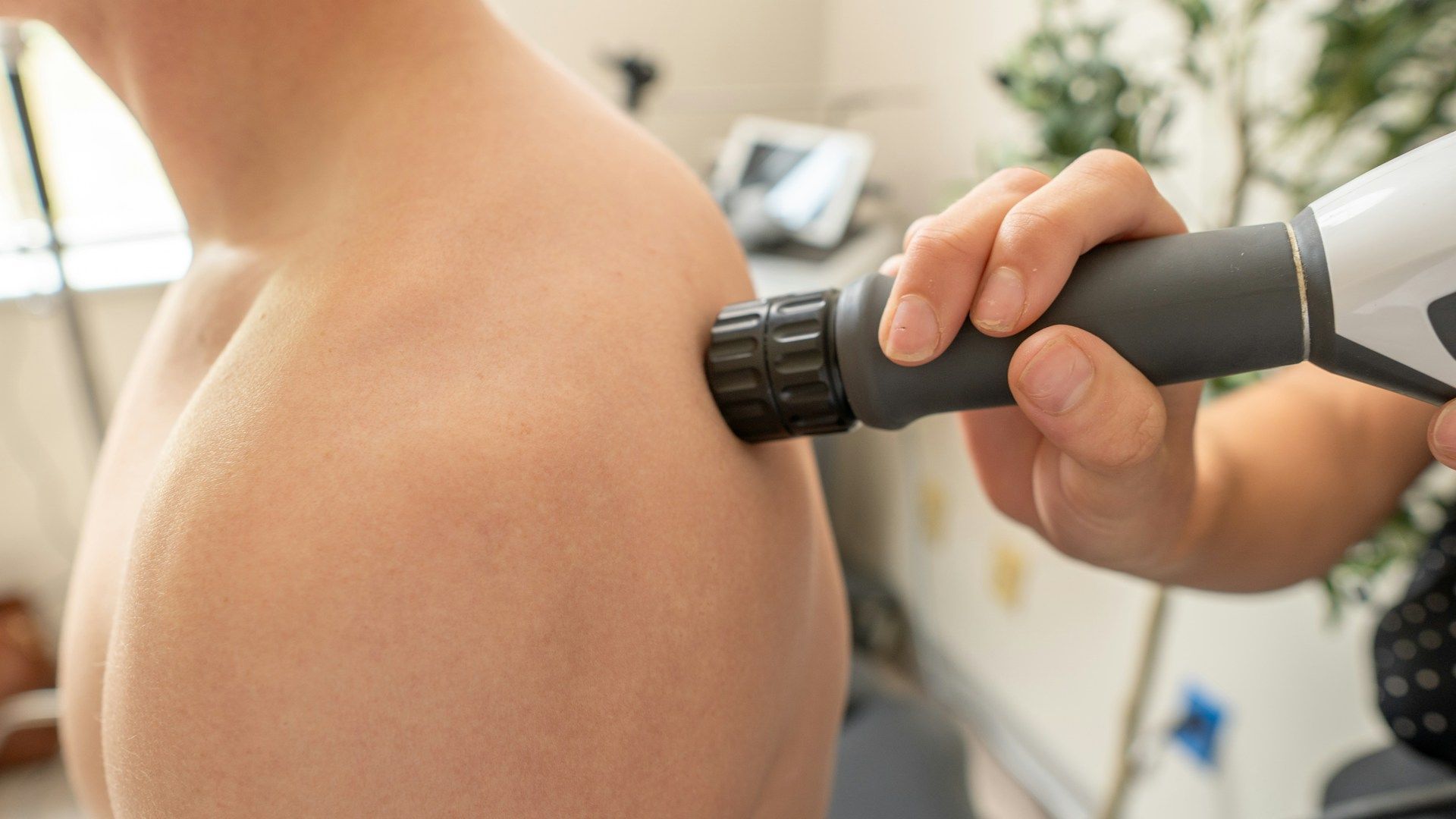
Once the platelet-rich portion is ready, it is injected right into the injured or irritated part of the tendon. What this does is jumpstart the area into trying to heal again. The process is often helpful in cases where the injury has been around for a while and just will not seem to go away with time or exercise.
- PRP is made from the patient’s own blood
- Platelets support healing by signaling the body to start repair work
- Injections go directly into damaged or inflamed tissue
This approach is best for people dealing with ongoing pain, especially where the body seems stuck in a slow recovery loop. PRP is not meant for full tears or sudden injuries. It is more often used when our bodies just need a push to get healing back on track.
Tendon Injuries That Can Benefit From PRP
Tendons are strong, but they do not get a lot of blood flow. That is one reason they are slow to heal. When spring hits and activity picks up, it is easy to overuse them without realizing it right away. For people already dealing with old strains or minor tendon pain, these seasonal shifts can wake up past injuries.
Some of the most common tendon injuries we see with movement and use include:
- Tennis elbow (pain on the outside of the elbow)
- Golfer’s elbow (pain on the inside of the elbow)
- Achilles tendon soreness
- Jumper’s knee (pain in the front of the knee)
These injuries can slowly wear down function and affect someone’s ability to play sports, garden, or take walks comfortably. Without support, they sometimes settle into a cycle of aching, stiffness, and limited motion. PRP pain management gives us a way to break that cycle by helping the body restart its repair process.
Apollo Spine and Pain Center provides PRP therapy led by board-certified pain specialists, using ultrasound guidance for injections to target sites like the elbow, knee, or ankle more accurately. Our team supports tendon healing by pairing PRP with therapy and recovery plans focused on safe movement in Cumming, GA and Jasper, GA.
What to Expect From a PRP Pain Management Visit
Every visit begins with a clear picture of what is causing the pain. We usually start with a conversation and, in some cases, may use imaging to understand how the tendon looks. If PRP is the right fit, we move forward with treatment.
The steps typically go like this:
- A small blood sample is drawn
- The blood is spun to concentrate the platelet-rich portion
- That portion is injected into the injured tendon using guidance when needed
- The area is monitored over the next few weeks
The injection itself is quick, but recovery takes time. Most people experience soreness for a few days and then start to feel gradual improvement over the following weeks. Some people need more than one treatment, while others may only need one round and some follow-up care.
Why PRP Makes Sense for Spring Recovery
Spring in Cumming, GA and Jasper, GA often means people are outside more. Things like trimming trees, playing pickup sports, and walking longer trails put added pressure on tendons that have been resting during cooler months.
We have seen activity climb faster than people expect. A few hours of raking or lifting boxes can quickly bring back tendon pain. Starting PRP treatment in spring can help patients move into summer with fewer setbacks.
- Spring weather encourages more movement, often without warm-up
- Old tendon injuries can get worse during yardwork or sports
- PRP supports the body’s ability to prepare tendons for more use
This time of year makes it easier to move around, but that also means it is easier to do too much too soon. That is why some people start care early, taking advantage of the body’s natural rhythms before the tougher summer strain begins.
A Helping Hand Toward Long-Term Comfort
Chronic tendon pain does not always go away with time or rest alone. When tendons stay inflamed, stiff, or sore for months, it often becomes a cycle that is hard to break. PRP pain management gives the body another path forward, using a person’s own platelets to support the natural healing process.
In spring, when yardwork, hobbies, and sports fill up weekends again, we often see old pain come back stronger. Taking care of it sooner can save months of irritation later. If sore tendons are limiting what you enjoy or how you move, it is worth thinking about ways to feel better again. Active seasons should stay active, for all the right reasons.
Long-term tendon pain does not have to hold you back in Cumming, GA or Jasper, GA, spring is the perfect time to prioritize your health before schedules fill up. Many people experience relief through focused treatments like
PRP pain management, which encourages your body’s natural healing process. At Apollo Spine and Pain Center, we take the time to understand your unique pain and work with you to find the best solution for your goals. Reach out today and take the first step toward feeling steady and strong in the months ahead.