Common Pain Management Mistakes After a Car Accident
Car accident pain can be confusing. One day you feel a little sore, the next day your neck or back hurts so much that getting out of bed is hard. What you do in those early days can make a big difference in how well you heal and how long your pain lasts.
In this article, we will walk through common pain management mistakes people make after a car accident and what to do instead. Our team at Apollo Spine and Pain Center cares for people across Georgia who are dealing with spine, joint, and nerve pain, and we see these patterns all the time. With some clear steps and the right support, you can protect your long-term comfort and function.
Do Not Ignore Pain After a Car Accident
Even a small fender bender can jolt your body. The force can stretch soft tissues, strain joints, and irritate nerves. Often, the full pain does not show up right away. It can take 24 to 72 hours for swelling to build and for your brain to fully register what happened.
Getting early, proactive car accident pain management can help you:
- Calm inflammation before it gets worse
- Catch hidden problems, like disc or facet joint injuries
- Lower the chance of chronic neck, back, or shoulder pain
During warm-weather months, many people take long drives, sit in traffic, and deal with distracted drivers on crowded roads. That means more chances for low-speed bumps and sudden stops. Even if your car looks fine, your body still may have taken a hit. Giving your pain the attention it needs is a smart way to protect your quality of life.
Mistake One: Delaying Medical Care Too Long
Waiting to “see if it goes away” is one of the biggest mistakes after a crash. Pain from swollen tissues or irritated joints often builds over a few days. If you ignore it, small problems can turn into bigger ones that are harder to treat.
When care is delayed:
- Inflammation can stiffen joints and muscles
- Small disc injuries can worsen with daily movement
- Nerve irritation can turn into long-lasting nerve pain
There is also a practical side. If you wait too long, it may be harder to connect your pain to the collision for insurance or legal purposes. Early documentation of your symptoms and exam findings can help show what truly came from the accident.
A prompt medical evaluation often includes:
- A review of your health history and how the crash happened
- A focused physical exam to check movement, strength, and reflexes
- Imaging, such as X-ray or MRI, if your provider feels it is needed
- A personalized plan for car accident pain management
Some red flag symptoms should never be ignored, including:
- Worsening back pain that does not ease with rest
- Numbness, tingling, or burning in the arms or legs
- New weakness or trouble gripping or walking
- Loss of bowel or bladder control
If any of these show up, you need urgent medical care.
Mistake Two: Relying Only on Rest and Pain Pills
Rest is helpful in the first couple of days after an accident, especially if your pain is sharp. But staying in bed too long can actually slow recovery. Muscles weaken, joints stiffen, and your body becomes less stable, which can make pain linger.
Relying only on over-the-counter or prescription pills has limits. Medications can:
- Cause side effects like stomach upset or drowsiness
- Make it unsafe to drive or work certain jobs
- Mask serious problems that still need to be checked
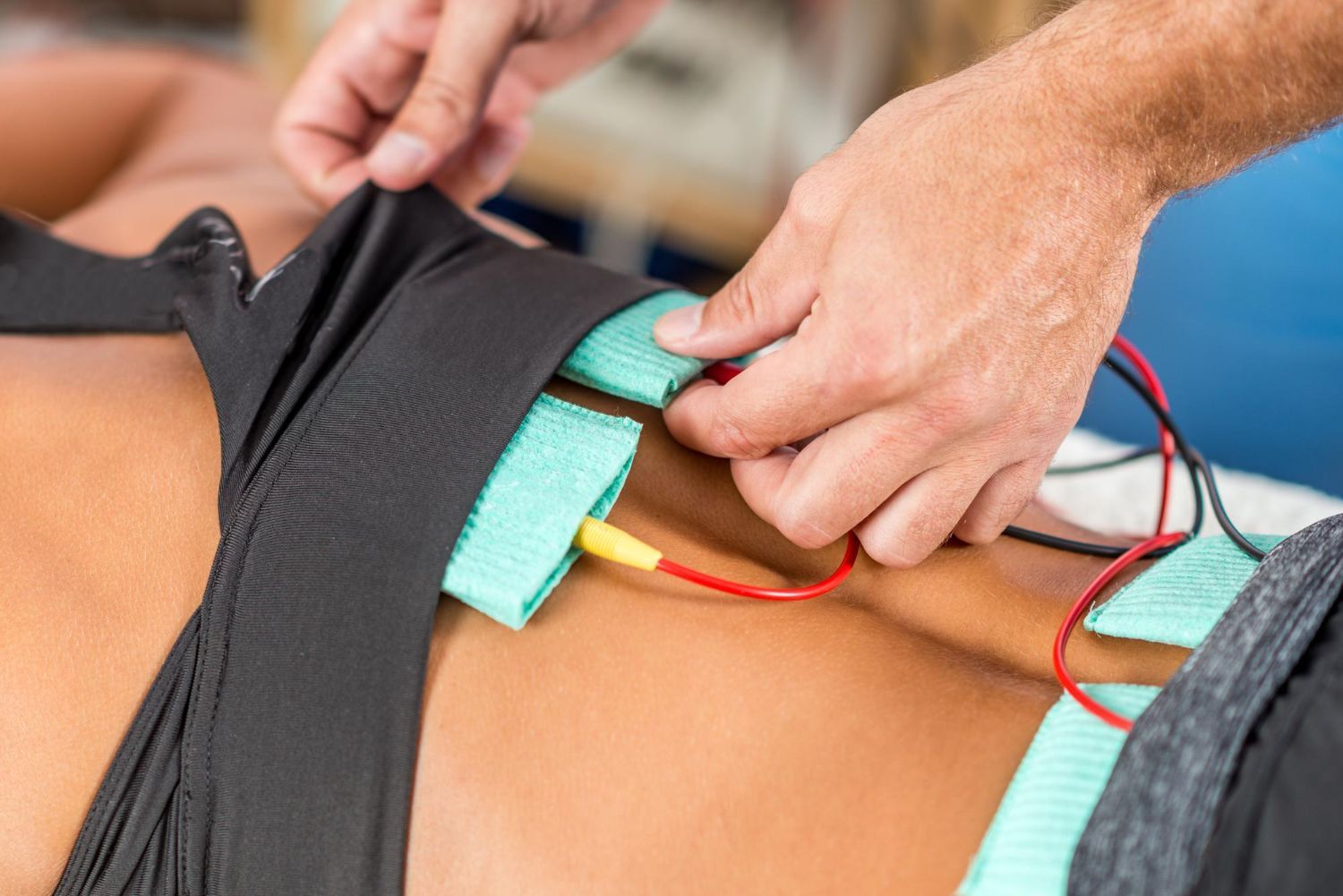
Pain pills can be one tool, but they do not fix the source of the pain. That is where targeted, minimally invasive options can help. Interventional pain treatments can focus on the actual generator of your pain, such as a joint, a disc, or a nerve.
These treatments may include:
- Targeted injections to calm inflamed joints or tissues
- Nerve blocks that interrupt pain signals for relief
- Regenerative options when appropriate, aimed at supporting healing
A balanced plan often works best. That might mean a mix of:
- Short-term rest and careful activity changes
- Guided movement or light exercise
- Interventional procedures that match your daily life and goals
The goal is to help you move with less pain, not keep you stuck on the couch.
Mistake Three: Skipping Follow-Up and Rehab
Many people stop care as soon as the pain drops from “awful” to “tolerable.” The problem is, tissues and nerves may still be healing. At this stage, your body is more open to re-injury.
Skipping physical therapy, home exercises, or follow-up visits can lead to:
- Ongoing stiffness and tightness
- Reduced range of motion in the neck, shoulders, or back
- Repeated flare-ups months after the crash
Structured rehabilitation has a clear purpose. It helps:
- Retrain posture so you are not straining injured areas
- Strengthen the muscles that support your spine and joints
- Safely return you to driving, work, and favorite activities
At Apollo Spine and Pain Center, we coordinate with physical therapists and other providers so that your treatment plan stays on track. As your pain changes, your plan should change too. Regular follow-up visits give your care team a chance to adjust what you are doing so you continue moving in the right direction.
Mistake Four Ignoring Emotional and Sleep Impacts
A car accident does not just affect your body. It can shake your sense of safety and control. Anxiety, mood changes, or PTSD symptoms can make pain feel stronger and slow down healing.
Sleep is another big piece. Poor sleep can:
- Increase how sensitive you feel to pain
- Slow tissue repair and immune function
- Leave you tired and irritable during the day
Good sleep after an accident starts with comfort and routine. Helpful strategies can include:
- Using pillows to support your neck and knees in a neutral position
- Keeping a regular bedtime and wake time, even on weekends
- Doing gentle stretches in the evening to relax tight muscles
- Planning pain medication timing so it helps you fall asleep but does not keep you groggy in the morning
A strong car accident pain management plan should respect the mind-body connection. Sometimes that means including referrals for counseling, relaxation training, or other behavioral health support so you feel more in control of both pain and stress.
Mistake Five Not Choosing the Right Pain Specialist
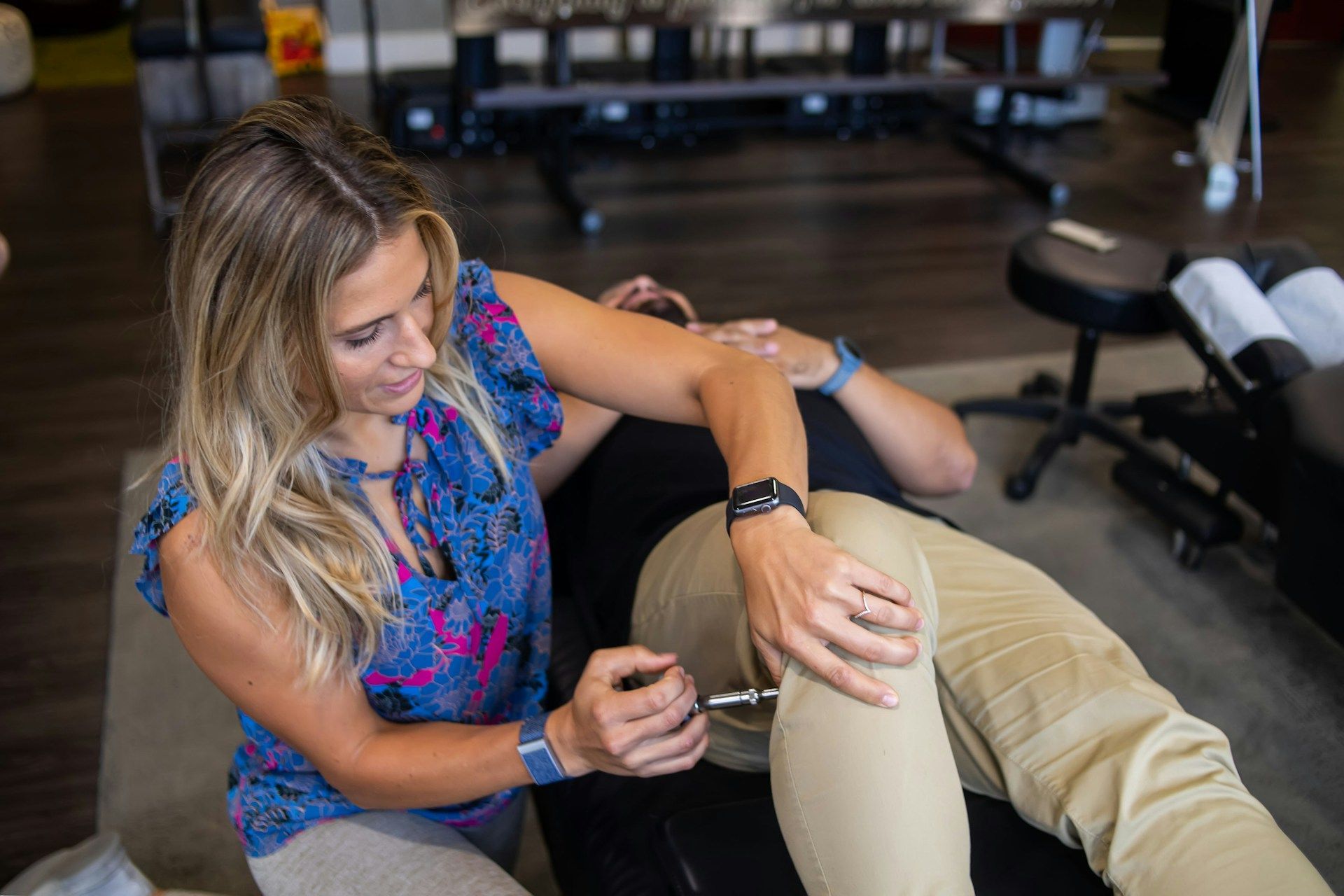
General medical care after an accident is important, but it is not always enough when pain lingers. An interventional pain specialist focuses on spine, joint, and nerve injuries and on procedures that can target the source of pain.
Key qualities to look for in a pain specialist include:
- Experience with auto accident injuries and trauma-related pain
- Access to imaging and image-guided procedures
- A minimally invasive approach when possible
- A patient-centered style that listens to your goals and concerns
A clinic like Apollo Spine and Pain Center builds a customized roadmap for each person. That plan may include injections, nerve ablations, or other image-guided treatments designed to help ease pain and reduce the need for surgery when it can be safely avoided.
Clear communication also matters. Your pain specialist should be able to coordinate with your primary care doctor, physical therapist, and, when involved, your personal injury attorney and insurance company. That teamwork can help keep your care organized and less stressful while you heal.
Take Control of Your Recovery After a Crash
The most common mistakes after a car accident are waiting too long for care, depending only on rest and pills, stopping rehab early, ignoring emotional health and sleep, and seeing providers who do not focus on spine, joint, and nerve pain. Each of these can raise the risk of long-term problems that affect work, school, and family life.
Timely, thoughtful car accident pain management can help protect your mobility and support a more complete recovery. For people in Georgia who are dealing with new pain after a recent collision or lingering pain from an older accident, the team at Apollo Spine and Pain Center is here to provide advanced, minimally invasive options focused on restoring function and quality of life.
Regain Comfort And Confidence After Your Car Accident
After a collision, you should not have to navigate lingering pain or confusing treatment options alone. At Apollo Spine and Pain Center, we create targeted care plans that focus on safe, effective recovery so you can return to your normal routine. Explore our specialized
car accident pain management services to address neck, back, and joint pain at the source. Schedule an appointment today so we can help you move forward with less pain and more control over your health.