Interventional Pain Procedures: What to Expect (Sedation, Recovery, Return)
Take the Mystery Out of Interventional Pain Procedures
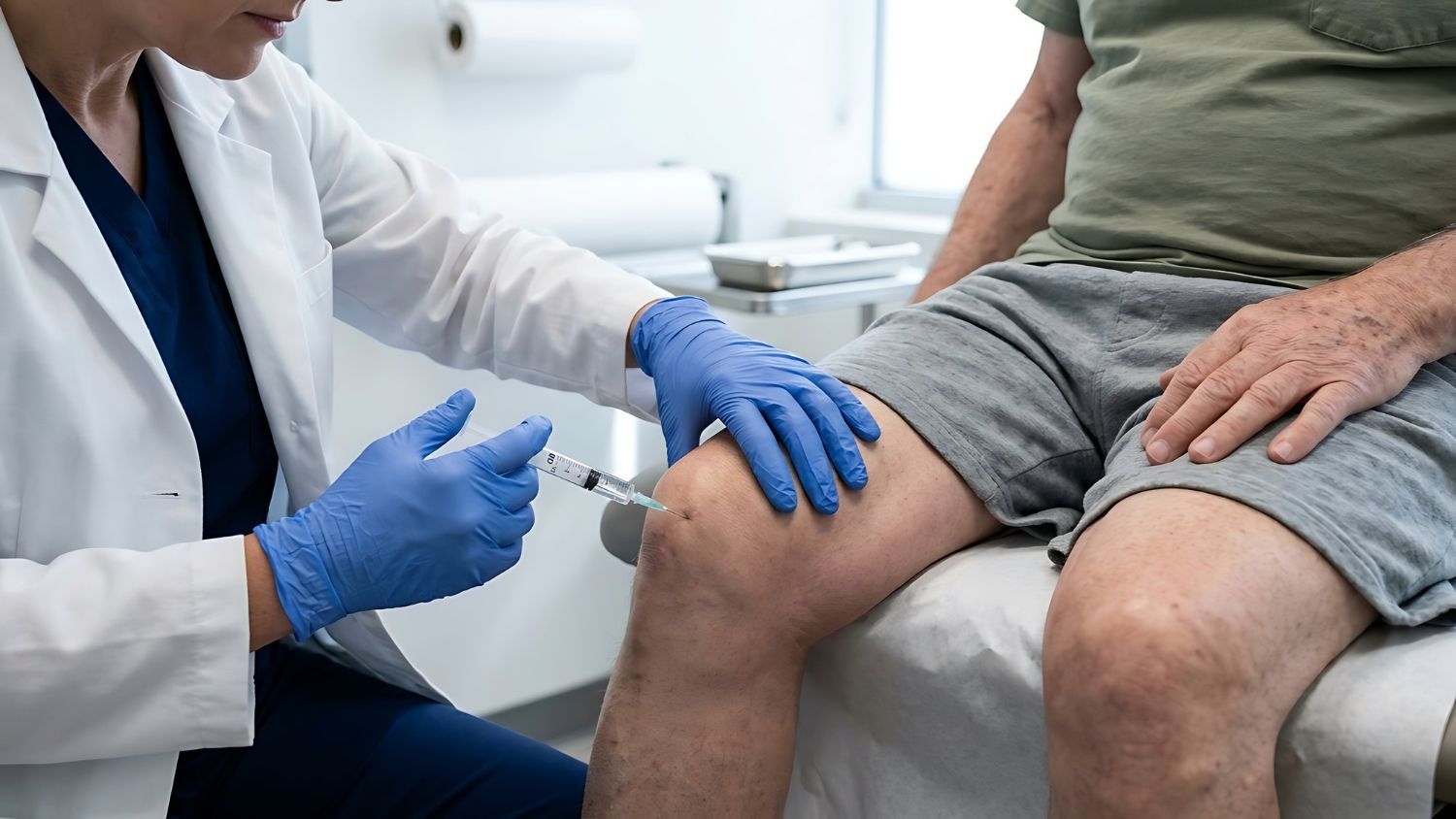
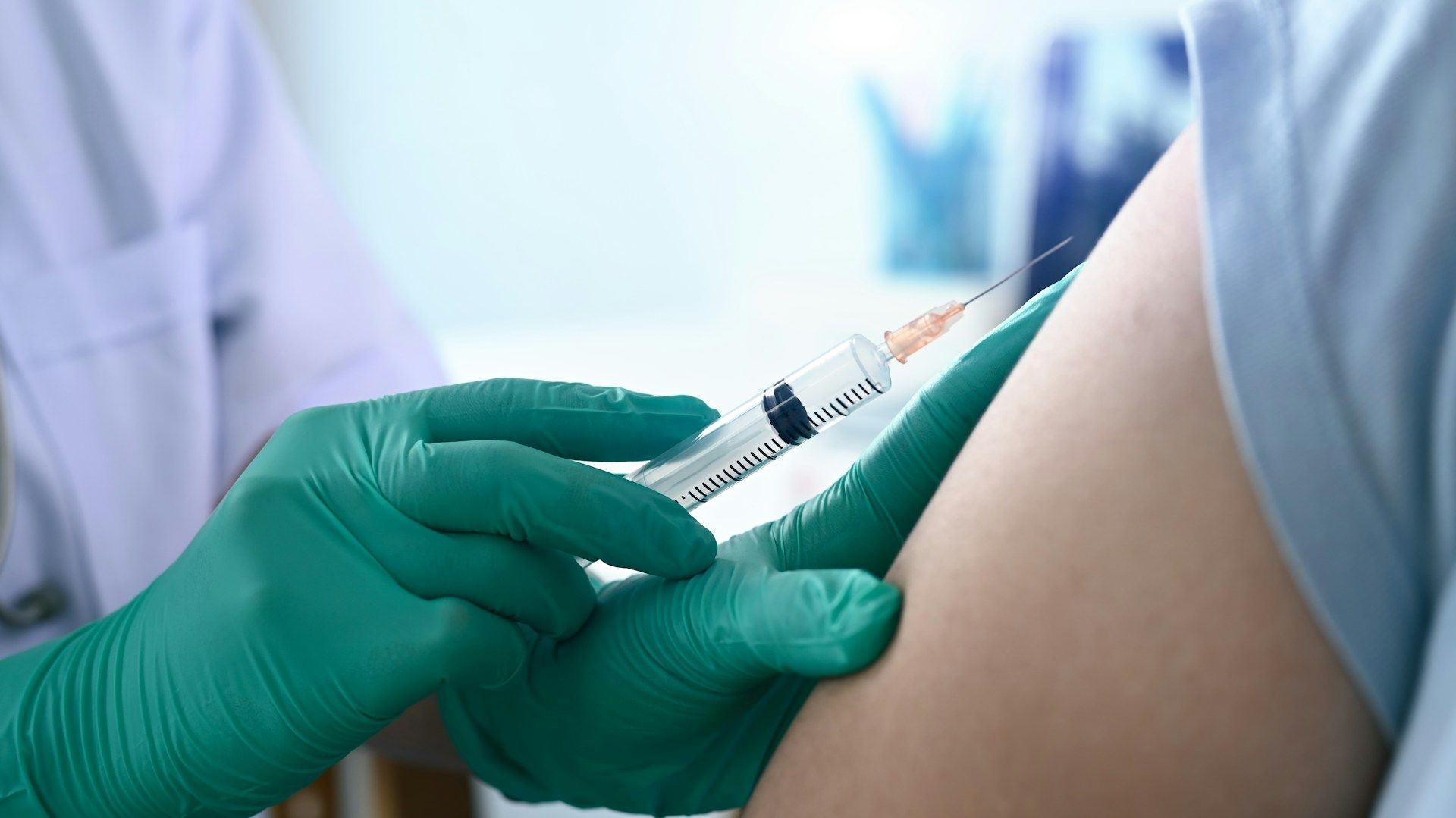
Interventional pain management procedures can sound a little scary at first, but they do not have to be. These are targeted treatments that focus on specific nerves, joints, or parts of the spine to help reduce pain and improve how you move. They are usually minimally invasive, use small needles or tools, and are very different from major surgery or just taking pain pills.
Getting your pain under better control can make everyday life easier, especially as the weather cools, travel plans pop up, and schedules get busy. When it hurts to sit, stand, walk, or ride in a car, even simple plans feel hard. Understanding what to expect before, during, and after interventional pain management procedures can lower stress and help you plan work, exercise, and family activities with more confidence.
In this article, we will explain how these procedures work, who they may help, how to prepare, what sedation is like, and how long recovery usually takes. Our goal is to make the process clear and simple, so you can feel more in control of your next steps.
How Interventional Pain Management Procedures Work
Interventional pain management focuses on treating the source of pain instead of only masking it. These procedures are done with guidance, often using imaging like fluoroscopy or ultrasound, so we can place medicine or devices exactly where they need to go.
Common interventional pain management procedures include options such as:
- Epidural steroid injections for inflamed nerves in the spine
- Facet joint injections for arthritic or irritated joints in the neck or back
- Nerve blocks that target specific nerves sending pain signals
- Radiofrequency ablation that gently heats and quiets pain nerves
- Spinal cord stimulation using electrical signals to change how pain is felt
- Regenerative medicine options that support healing in certain tissues
These treatments may be especially helpful for people dealing with chronic pain conditions that affect the spine, nerves, or joints. For example, good candidates often include people with chronic back or neck pain, pain from arthritis or other joint problems, sciatica or shooting leg pain, neuropathic pain such as burning or tingling, or pain that has not improved enough with medications, physical therapy, or other conservative care.
At Apollo Spine and Pain Center here in Georgia, we use these procedures as part of a bigger plan to help reduce pain and improve function, not as a quick fix in isolation.
Preparing for Your Procedure at Apollo Spine and Pain Center
Before we suggest any procedure, we complete a detailed evaluation to make sure the recommendation fits your symptoms, health history, and goals. This usually includes:
- Talking through your medical history and current symptoms
- Reviewing imaging, such as X-rays, MRI, or CT scans when available
- A focused physical exam looking at strength, motion, and nerve function
- A conversation about your goals for pain relief, work, and activity
Once we decide together which interventional pain management procedures make sense, we provide clear pre-procedure instructions so you know how to get ready and what to plan for. These may include:
- Fasting for a certain number of hours if sedation will be used
- Adjusting some medications, especially blood thinners or certain diabetes medicines, under guidance from your prescribing doctor
- Wearing loose, comfortable clothing and leaving jewelry at home
- Arranging for a responsible adult to drive you home if you receive sedation
We know life does not stop for pain, and many people who come to us are balancing jobs, school schedules, caregiving, and travel plans. We will talk through timing so you can choose an appointment that creates the least disruption while still giving your body space to heal. When planning ahead, it can help to:
- Choose a day that works with work deadlines or busy weeks
- Plan for a lighter day or two if you have a physically demanding job
- Think ahead about school activities, sports events, or upcoming trips
What to Expect During Your Procedure and Sedation Options
On the day of your procedure, you will check in, review consent forms, and go through safety checks with our team. We confirm your medications, allergies, and which procedure we are doing. Then you are brought to the procedure room and positioned carefully, often on a special table that lets us use imaging for accurate guidance.
Sedation and anesthesia options can vary, but usually include:
- Local anesthetic only: Numbs the skin and deeper area. You stay awake and can talk, but the area being treated is numbed.
- Light sedation: Often given through an IV. You feel relaxed and sleepy but can respond if we speak to you.
- Deeper sedation when appropriate: You may sleep through most of the procedure and remember very little, if anything.
The option we recommend depends on several factors, including the type and length of the procedure, your medical history and medications, and your anxiety level and personal preference.
During the procedure, it is normal to notice a few temporary sensations. You may feel:
- A pinch and pressure from the numbing medicine
- Some pressure or brief discomfort as a needle or device is positioned
- Warmth, fullness, or temporary numbness as medicine is injected
We talk to you throughout, explain each step in simple terms, and watch your comfort and safety closely. If anything feels too intense, we want you to tell us so we can adjust.
Recovery Time, Side Effects, and Returning to Work and Exercise
After your procedure, you will rest in a recovery area for a short time while we monitor you. Many people stay between 20 minutes and a couple of hours, depending on the procedure and type of sedation used. You can usually drink fluids soon after and may be able to eat once you are fully awake and not nauseated.
Most patients can get back to normal routines fairly quickly, and many are able to:
- Walk out with help from a family member or friend
- Return to light activities at home later the same day
- Resume desk work within a day, if they feel up to it
Some mild side effects are also common for a short time as your body settles after treatment and any numbing medicine wears off. These can include:
- Soreness or bruising at the injection site
- Temporary numbness or heaviness in a limb
- Fatigue or grogginess from sedation
- A brief increase in pain as the numbing medicine wears off before the steroid or other treatment starts to work
As you ease back into activity, it helps to build back gradually rather than jumping into strenuous tasks immediately. We often suggest:
- Short, gentle walks to keep circulation moving
- Avoiding heavy lifting or twisting for a few days, depending on the procedure
- Gradually returning to exercise, yard work, or sports, rather than jumping back in at full effort
If you plan to travel, do holiday shopping, or attend events, it is smart to allow a little extra time for recovery so you are not pushing through new soreness.
While most people do very well, certain symptoms should be reported to the clinic promptly because they may signal a problem that needs attention. Red-flag symptoms include:
- Fever or chills
- Worsening weakness, loss of bladder or bowel control, or trouble walking
- Increasing redness, warmth, or drainage at the injection site
- Severe headache that does not improve with rest and fluids
We take any concern seriously and want you to feel supported.
Planning Your Next Steps Toward Long-Term Pain Relief
Interventional pain management procedures are usually one part of a larger plan, not the only step. Follow-up visits are important so we can:
- Review how much relief you felt and how long it lasted
- Adjust medications or physical therapy exercises
- Decide if you should repeat a procedure, move to a different option like radiofrequency ablation, or consider regenerative treatments
Lifestyle choices also play a big role in how long your results last, and we often discuss practical changes that support long-term improvement. We often talk with patients about:
- Regular, gentle exercise that fits their abilities
- Posture and body mechanics for sitting, standing, and lifting
- Weight management to ease stress on joints and the spine
- Stress reduction practices, such as breathing, stretching, or relaxation
At Apollo Spine and Pain Center, we want you to feel informed, prepared, and supported at each step. When you understand what to expect before, during, and after interventional pain management procedures, it is easier to plan work, exercise, travel, and family time around your care and focus on what matters most in daily life.
Take Control Of Your Pain And Reclaim Your Life
If chronic pain is limiting what you can do each day, we are here to help you find a path forward. At Apollo Spine and Pain Center, our team uses advanced
interventional pain management procedures tailored to your specific condition and goals. We will work closely with you to create a personalized treatment plan that focuses on real, functional improvement. To schedule an appointment or ask questions about your options, please
contact us today.