Signs Your Car Accident Pain Needs a Chronic Pain Management Plan
When Post-Accident Aches Stop Being “Normal”
After a car accident, some soreness is expected. Muscles can feel tight, joints can ache, and you might feel more tired than usual. For many people, this improves over a few days or weeks with rest, simple movement, and basic care.
Pain becomes more concerning when it does not follow that pattern. If you notice that your pain is not easing, is getting worse, or is starting to affect sleep, work, or time with family, it may be a sign that your body needs more than time. Untreated pain after a crash can slowly turn into chronic pain that is harder to calm down later.
As schedules fill with school, work, and more driving, it is common for car accident pain to get pushed aside. But trying to “tough it out” can let small problems grow into long-term issues. A chronic pain management plan can help people stay active, keep working, and enjoy daily life without waiting months to see if the pain goes away on its own.
For people in areas like Cumming and Jasper, Georgia, an interventional pain management clinic can be an important resource when aches from a collision are not improving as expected.
Red Flags Your Car Accident Pain Is Becoming Chronic
Acute pain is the pain you feel right after an injury. It usually improves as the body heals. Chronic pain is different. It lasts longer and often does not match what doctors see on basic exams.
Some warning signs that post-accident pain may be turning chronic include:
- Pain that lasts longer than 6 to 12 weeks
- Symptoms that do not improve with rest or simple care
- Needing more and more medication just to function
- Pain that keeps you from normal daily tasks
If your pain has stayed at the same level or has worsened over this time, it deserves a closer look. Pain that should be easing but is not may need targeted treatment instead of more waiting.
Another red flag is pain that spreads. Neck pain might move into the shoulders and arms. Lower back pain might start sending aching, burning, or shooting pain into the hips or legs. New tingling, numbness, or weakness can be signs that nerves are involved.
Chronic pain does not just live in the body. It affects mood and thoughts too. You might notice:
- Trouble falling or staying asleep
- Feeling more anxious or on edge
- Getting frustrated or irritable more easily
- Feeling down or hopeless about ever feeling “normal” again
These changes can mean the nervous system is stuck in a pain cycle and needs help to reset.
Pain Types After a Crash That Need Targeted Care
Not all car accident pain is the same. Different tissues can be injured, and each type of pain often needs its own plan.
Neck and back pain are very common after a crash. Whiplash or sudden impact can strain muscles, ligaments, and joints. You might notice:
- Stiffness that makes it hard to turn your head
- Headaches that start at the base of the skull
- Pain with driving, sitting, or looking at screens
If these symptoms linger, imaging or other tests may be needed to check the spine and nearby joints. In some cases, interventional treatments can help calm irritated areas that are not responding to simple care.
Joints and soft tissues can also suffer during a collision. Seatbelts, airbags, or bracing against impact can injure shoulders, hips, knees, or other joints. Warning signs include:
- Swelling that keeps returning with activity
- A joint that feels unstable or like it might “give way”
- Sharp pain when you twist, bend, or put weight on it
Nerve-related pain can feel very different from muscle or joint pain. It may feel burning, shooting, or like an electric shock. You might have numbness, tingling, or weakness in the arms or legs. These symptoms can come from issues like herniated discs or pinched nerves and often need specialized car accident pain management to prevent lasting damage.
Some pain does not show up right away. As you return to driving more, working, or doing yardwork, you may notice new symptoms weeks after the crash. Delayed onset pain is still real pain, and waiting longer can allow a small injury to turn into a chronic problem.
How a Chronic Pain Management Plan Breaks the Cycle
A chronic pain management plan starts with a careful look at your symptoms. During a visit with a pain specialist after a car accident, you can expect:
- A detailed review of your accident and medical history
- A hands-on physical exam to check movement, strength, and tender areas
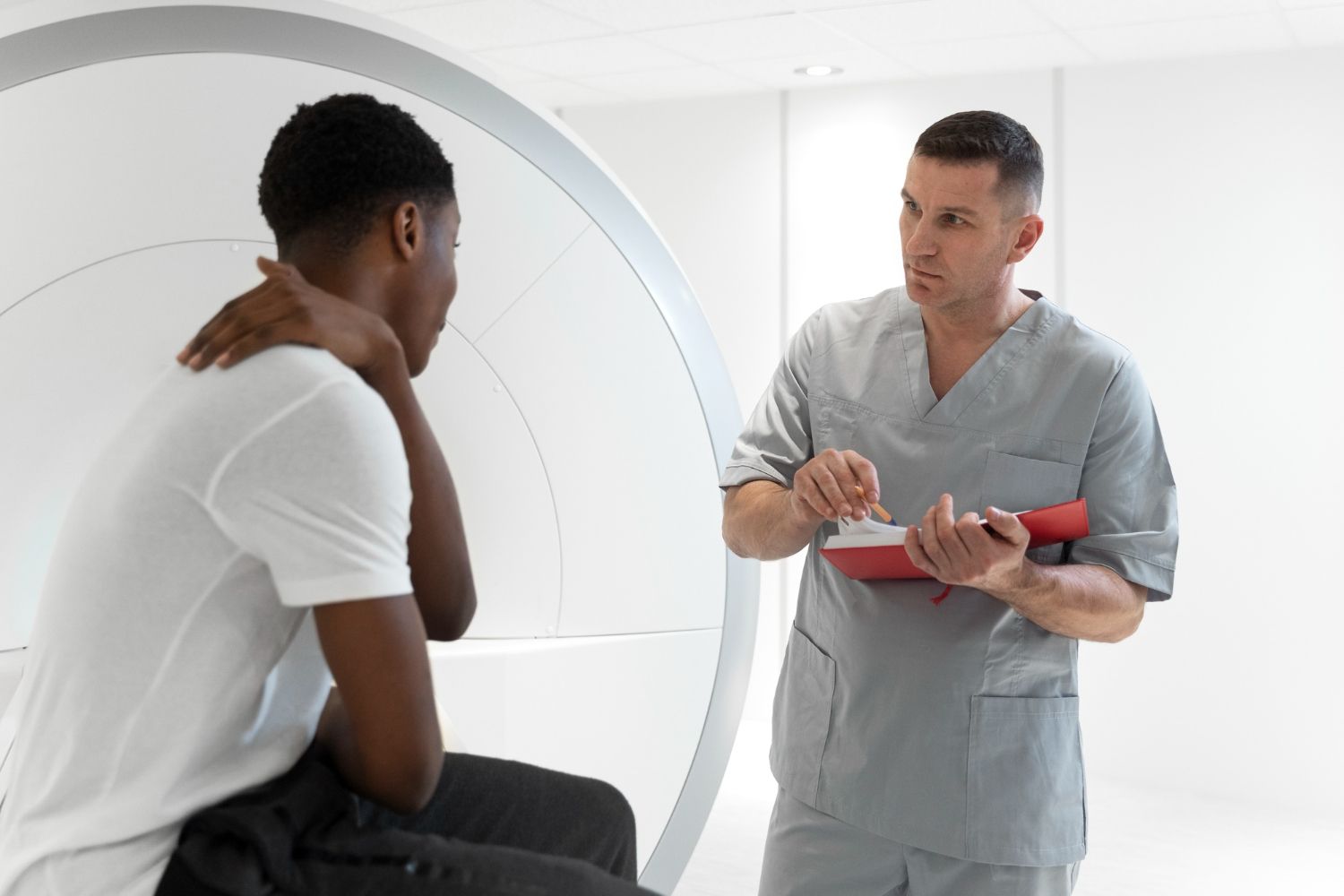
- Imaging when needed, such as X-rays or MRI ordered by your care team
- Possible diagnostic procedures, like nerve blocks, to find the exact pain source
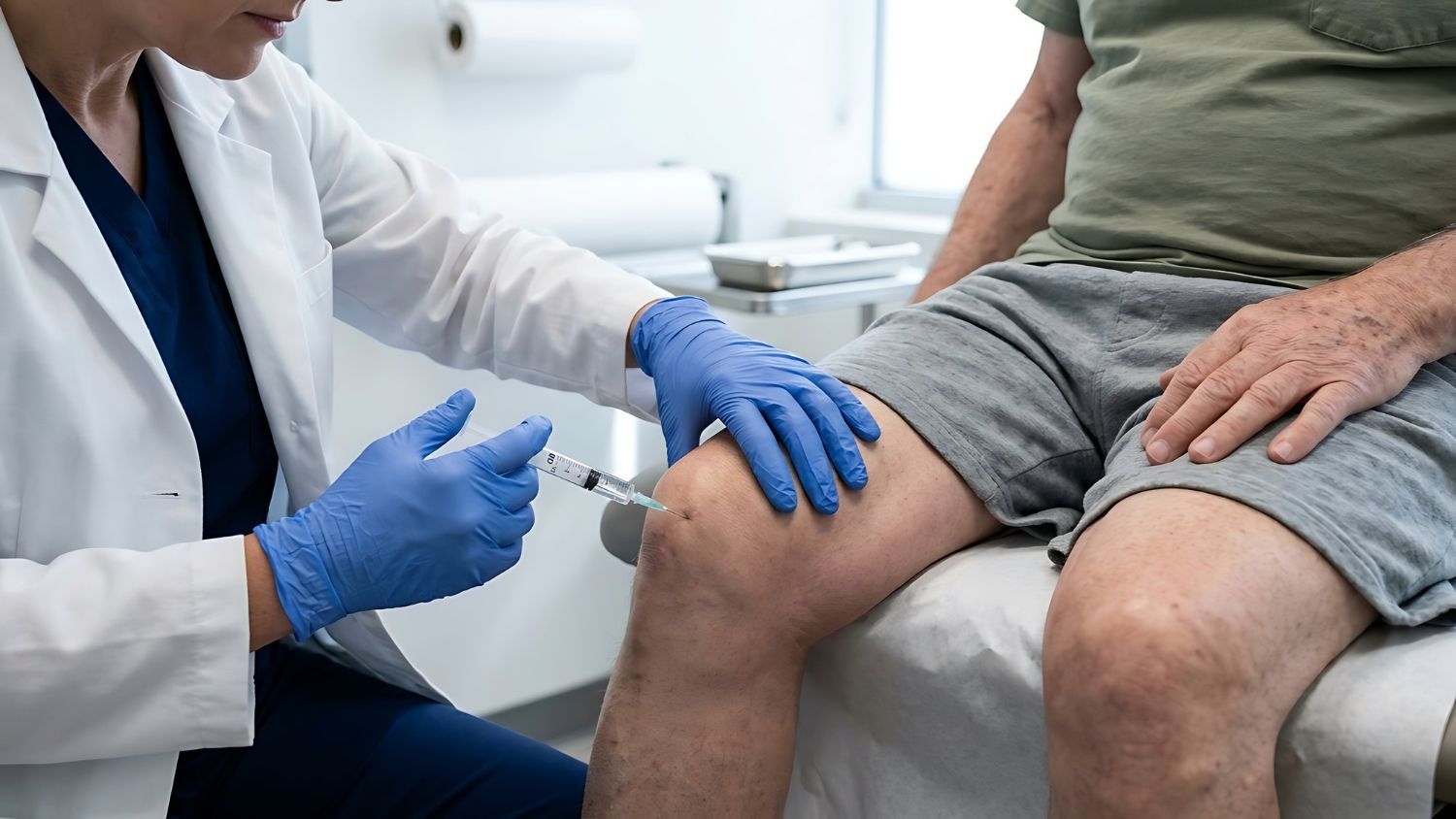
Once the source or sources of pain are better understood, your plan may include interventional procedures. These minimally invasive options can target painful joints or nerves with more precision. Examples include epidural steroid injections, facet joint injections, nerve blocks, and radiofrequency ablation that can quiet inflamed or overactive nerves for longer periods of relief.
Medication management is often part of the plan, but the goal is thoughtful and safe use. This can mean short-term anti-inflammatories, muscle relaxers, or nerve pain medications, while avoiding long-term opioid use whenever possible. The focus is on supporting healing and function, not just masking symptoms.
Movement is also key to breaking the pain cycle. A good plan may include:
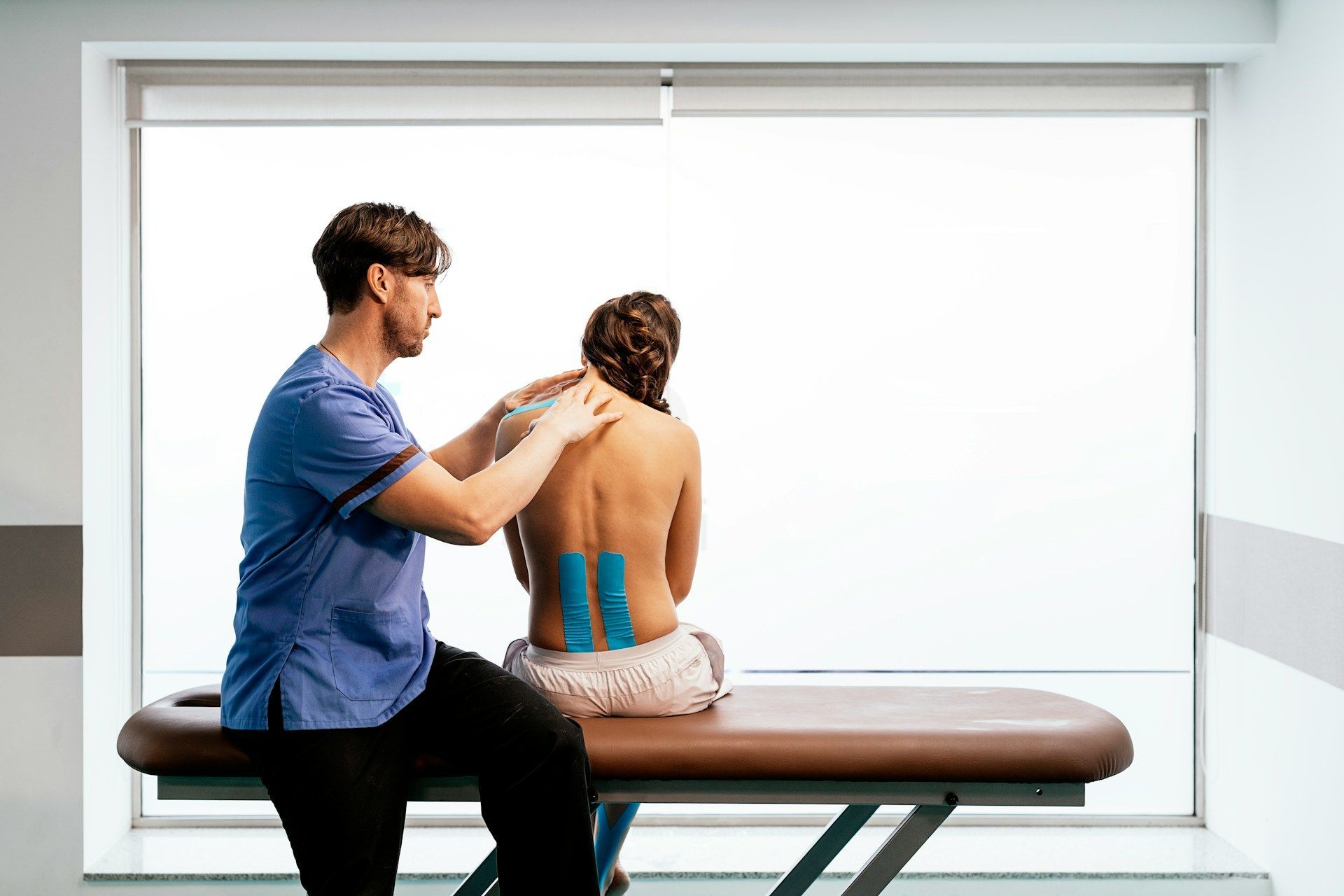
- Physical therapy guided by a trained professional
- Simple home exercises to support the spine and joints
- Posture and ergonomic changes for driving and desk work
- A gradual return to activities so you can do more with less pain
With the right mix of treatments, many people can move from constant pain and worry to more predictable, manageable symptoms.
Why Timing Matters for Car Accident Pain Management
When pain is ignored, the body often adapts in ways that create more problems. Muscles can weaken, joints can stiffen, and nerves can become more sensitive over time. Early pain management can help reduce the risk of these long-term changes, making it easier to calm pain and protect function.
Daily life often demands more from your body as the year goes on. There may be more driving for school and work, more time in traffic, and more physical tasks around the home. If a spine or joint injury is unstable, these extra demands can turn a mild ache into a constant, draining pain.
Untreated car accident pain can also affect work and family life. It can lead to:
- Missed workdays or reduced hours
- Trouble keeping up with chores and childcare
- Skipping social events because you hurt or are too tired
For people near Cumming and Jasper, combining in-person procedures with telehealth follow-ups can make it easier to stay on track with care, even during busy seasons.
Take Control of Post-Accident Pain Before It Controls You
Car accident pain that is not improving is not something you have to simply accept. A personalized chronic pain management plan can support better sleep, mood, and movement, so daily tasks and travel feel more possible again.
Before your first visit with a pain specialist, it can help to keep a simple pain diary that notes when pain feels better or worse, what activities trigger symptoms, and what helps even a little. Gathering your accident and medical records and bringing questions about treatment options and recovery timelines can also make your appointment more productive.
Relieve Post-Accident Pain And Restore Your Daily Routine
If pain is lingering after your collision, we can help you find targeted relief and regain comfort in your everyday activities. Our specialists at Apollo Spine and Pain Center use advanced
car accident pain management techniques tailored to your specific injuries and goals. Reach out today to discuss your symptoms, explore treatment options, and schedule a personalized evaluation. If you are ready to take the next step, please
contact us so we can help you move forward with less pain.