What Telehealth Pain Management Means for Rural North Georgia
Telehealth Pain Relief Closer to Home in North Georgia
Chronic pain is hard enough without adding long drives, crowded waiting rooms, and time away from work or family. For many people in rural North Georgia, getting to a pain specialist can feel like a full-day project, especially when the weather turns cooler and the days get shorter. That delay can mean more pain, less sleep, and less energy for the things that matter most.
Telehealth pain management helps change that pattern. With a secure video visit, you can sit in your living room, on your porch, or in a quiet office and talk with a pain specialist who listens, asks questions, and helps build a plan to improve your daily function. For patients in and around areas like Cumming, Jasper, and the surrounding communities, it brings expert help closer to home in a simple, practical way.
Why Rural Patients Struggle to Get Pain Care
Living outside the city has many perks, but easy access to medical specialists is usually not one of them. For people dealing with back pain, joint pain, nerve pain, or other ongoing issues, the distance can turn basic care into a real challenge.
Common barriers for rural patients include:
- Long drives on winding mountain roads, often taking hours
- Needing to arrange a ride or ask someone to take off work to help
- Losing most of the day to a single appointment
When you live with chronic pain, even short trips can be draining. Sitting in the car too long can increase stiffness and soreness. Walking across large parking lots can be tough. Early fall and winter mornings in North Georgia can also bring fog, rain, and darker drive times, which can make travel feel unsafe or stressful.
All of this adds up to real impact on everyday life. Distance and discomfort can lead to:
- Missed or canceled visits
- Delayed diagnosis or changes in treatment
- Gaps between follow-ups that allow pain to worsen
When pain is not managed well, it often affects more than your body. Many people notice changes in mood, irritability, poor sleep, and trouble focusing at work. Time with family can feel less enjoyable when pain is always front and center.
How Telehealth Pain Management Actually Works
Telehealth pain management brings part of your pain care into your home through secure video technology. You still see and talk with a real physician, just through a screen instead of across a desk.
A typical telehealth visit may include:
- A review of your pain symptoms and how they have changed
- A check of your current medications and any side effects
- Discussion of recent imaging or test results
- Planning next steps in your treatment
- Time for your questions and concerns
These visits can be done on a smartphone, tablet, or computer, as long as you have a stable internet connection and a quiet place to talk.
Some types of visits work especially well by telehealth, such as:
- Initial conversations about your pain history and goals
- Routine follow-ups after a procedure
- Medication management visits
- Reviewing MRI or X-ray findings
- Checking in during a flare-up to adjust the plan
There are still times when an in-person visit is needed, such as:
- When you are having injections or other interventional procedures
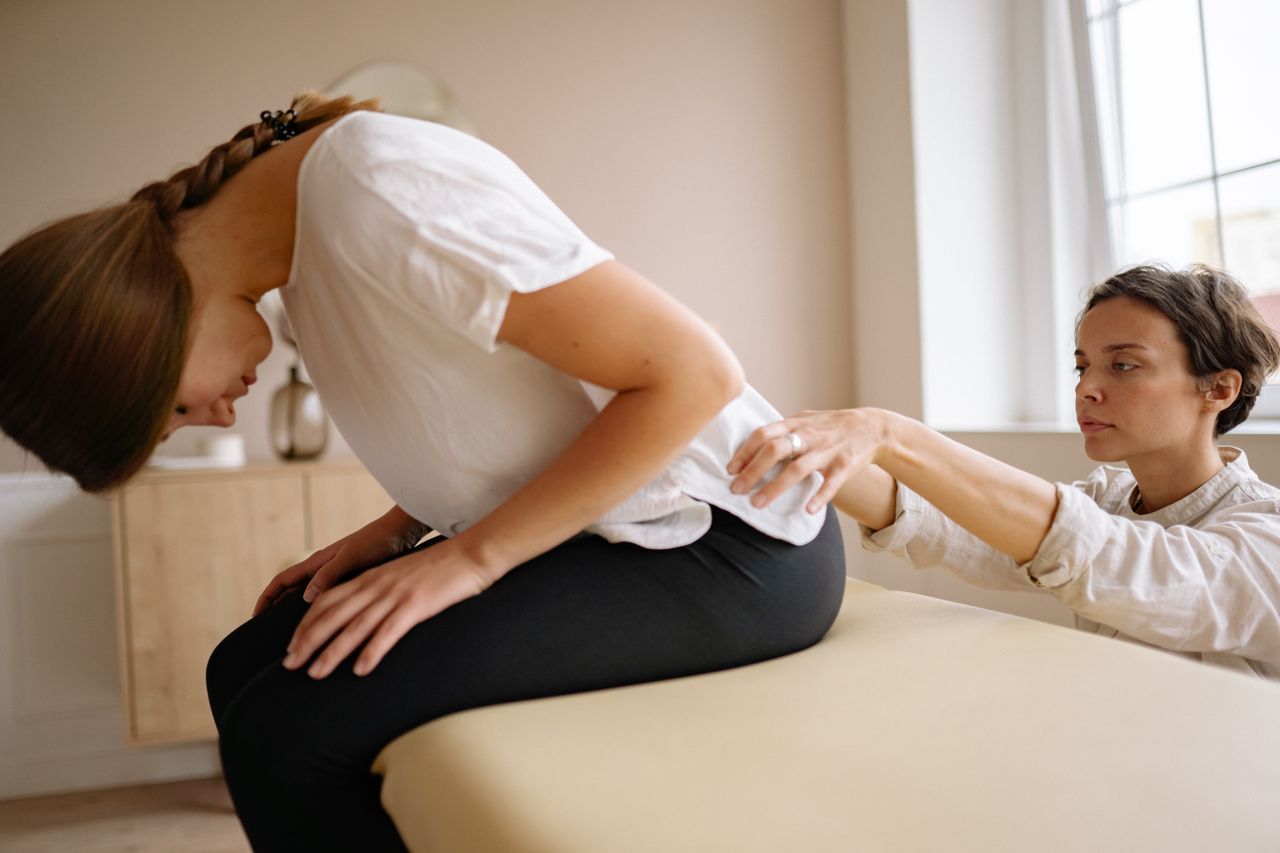
- When a hands-on physical exam is important
- When specialized equipment is required
Telehealth is not meant to replace in-office care completely. Instead, it works together with clinic visits so that you get the right type of appointment at the right time, without extra trips that do not add much value.
North Georgia Benefits of Telehealth through Fall and Winter
As temperatures drop and weather patterns shift, getting to appointments often becomes harder. Early dusk, slick roads, and cold, damp air can all make travel less appealing, especially if pain flares in the cold.
Telehealth pain management offers several seasonal advantages for people in North Georgia:
- Fewer long drives in rain, fog, or icy conditions
- Less time driving mountain roads in the dark
- Reduced strain on joints and muscles that do not like cold mornings
Fall also brings packed calendars. Sports games, school events, holiday plans, and end-of-year work tasks can quickly fill every spare hour. When you have to leave town or rearrange your day, it is tempting to push pain visits to “later,” which often never comes.
Virtual visits help you:
- Keep treatment on track during busy seasons
- Fit care into lunch breaks or quieter times of day
- Address small changes in pain before they become big flare-ups
For rural communities, the quality-of-life benefits go beyond simple convenience. Less time on the road means:
- More time with family and friends
- More energy for work, hobbies, and home tasks
- A better chance of staying ahead of pain instead of always playing catch-up
Personalized Pain Plans That Blend Virtual and in-Office Care
Telehealth works best when it is part of a bigger, thoughtful plan. Pain management is rarely one-size-fits-all, and most people need a mix of tools to feel and function better over time.
A blended plan often looks like this:
- Start with an in-person evaluation so the physician can examine you directly
- Use imaging and other tests, when needed, to better understand your pain source
- Create a treatment plan that may include procedures, regenerative therapies, and medication management
- Use telehealth visits to check progress, adjust medications, and review how well procedures are helping
Behind the scenes, the care team coordinates each step so that every telehealth visit has a clear focus. For example, one visit may be dedicated to reviewing imaging, while the next looks at how you are doing after an injection or other interventional treatment. That way, your virtual time is not just “checking in”; it is moving your plan forward.
Even though you are meeting by screen for some visits, you are still working with the same physician-led team that knows your story and your goals. The relationship does not change, only the setting. Many patients find that this mix of in-office and virtual care gives them more control over how and when they get help.
Taking the Next Step Toward Easier Pain Relief
It can help to pause and look honestly at how you currently manage your pain. How many times have you skipped or delayed a visit because of long drives, bad weather, or a packed schedule? How often have you thought, “I will call later,” and then just tried to push through the pain on your own?
Telehealth pain management offers a different path. For people in rural North Georgia, it can turn some of those “maybe later” visits into real, face-to-face conversations with a pain specialist, without the miles of driving. By blending virtual care with thoughtful in-person treatment at Apollo Spine and Pain Center locations in Cumming and Jasper, it becomes easier to stick with a plan that fits real life, not just the calendar.
Chronic pain does not have to be the thing that decides when you leave the house, how far you can drive, or which days are “too hard” to get help. With flexible telehealth options working alongside in-office care, there is a more practical way to move through the cooler months, and every season after that, with support that meets you where you are.
Take The Next Step Toward Personalized Pain Relief
If you are ready to explore safe, convenient options for managing your pain from home, we are here to help. Learn how our expert-guided
telehealth pain management services can be tailored to your specific condition and goals. At Apollo Spine and Pain Center, we work with you to build a clear treatment plan so you can move through your day with more comfort and confidence. To schedule an appointment or ask questions, please
contact us today.