Does Sitting Too Long Make Back Pain Worse Than We Think?
Sitting for long periods sounds harmless, especially when you're just trying to finish work, relax at home, or get through a car ride. But staying still for too long can slowly wear on your spine in ways that don't always show up right away. In places like Cumming, GA and Jasper, GA, early spring can keep people indoors a bit longer, especially with tax season tasks or cooler mornings hanging on. That means more time in chairs and less time moving.
When small aches start turning into all-day stiffness, basic changes like better posture or more stretching might not be enough. That’s where interventional spine and pain management comes in. These methods are often used when daily fixes no longer make a difference. We’ll look at what actually happens to your body during long sitting sessions and how to spot the warning signs before they grow into something you can’t ignore.
How Sitting Too Long Changes the Way Your Back Works
Our bodies aren’t built to sit for hours at a time. The spine especially needs movement to stay healthy. When we sit too long, pressure collects in the lower back and can throw everything out of balance.
- The discs between your spine start getting compressed under your body weight
- Slouching forward over time causes tightness in the shoulders and chest
- Core muscles become underused, leading other muscles to overcompensate
When muscles around the spine aren’t doing their job, the joints and bones get stiff faster. Over time, that tension becomes harder to reverse. Regular movement keeps joints fluid and muscles active during the day, but without it, the body starts adjusting to being still. That adjustment might feel comfortable at first, but it often leads to pain that returns every day.
Stiffness and aching can gradually settle in your lower back or neck, and you might not notice until it starts interfering with your usual activities. Over weeks and months, a lack of motion can alter the natural curves of your spine, making even small movements less comfortable. This is why sometimes, after sitting at a desk all week or spending a long weekend indoors, you might find yourself stretching and still not getting relief.
Are Certain Chairs or Positions Making It Worse?
Not all sitting is equal. The type of chair and how we sit can influence how much pressure we put on our back without realizing it. Soft couches and deep seats might feel cozy, but they make it easier to slump. Firm office chairs without lumbar support can dig into our backs and keep everything rigid.
Think about the seating setups most people use:
- Desk chairs that pull the body forward as people lean into screens
- Car seats that curve too far back or don’t support the lower spine
- Sofas that encourage sinking backward with knees too high
Small posture choices make it worse too. Leaning to one side while typing, crossing legs for hours, or keeping the head tilted can create strain that feels normal at the time. And during early spring, many people in North Georgia spend more time sitting for taxes, longer drives, or home organization projects before outdoor plans fully return.
When sitting, habits like tucking your feet under you or sitting perched on the edge of a seat can shift pressure points and cause new discomfort. Sometimes, the way the chair fits your body makes things worse, especially if it’s not sized right or doesn’t offer support where you need it. These repeated positions slowly change how your muscles and joints feel and function.
Why Stretching and Standing Breaks Might Not Be Enough
Most of us have heard it before: "Just get up every 30 minutes" or "Stretch once an hour." Those habits do help somewhat, but they don’t fix what’s happening deeper inside the spine. If the joints are already inflamed or if the discs are compressing more with each day, short breaks only go so far.
We often talk to people who feel better after a stretch, but that comfort disappears quickly. That’s a sign that the foundation of the spine might already be affected. When basic movement doesn’t lead to lasting relief, we look at options like interventional spine and pain management to help reset the body and get ahead of long-term problems.
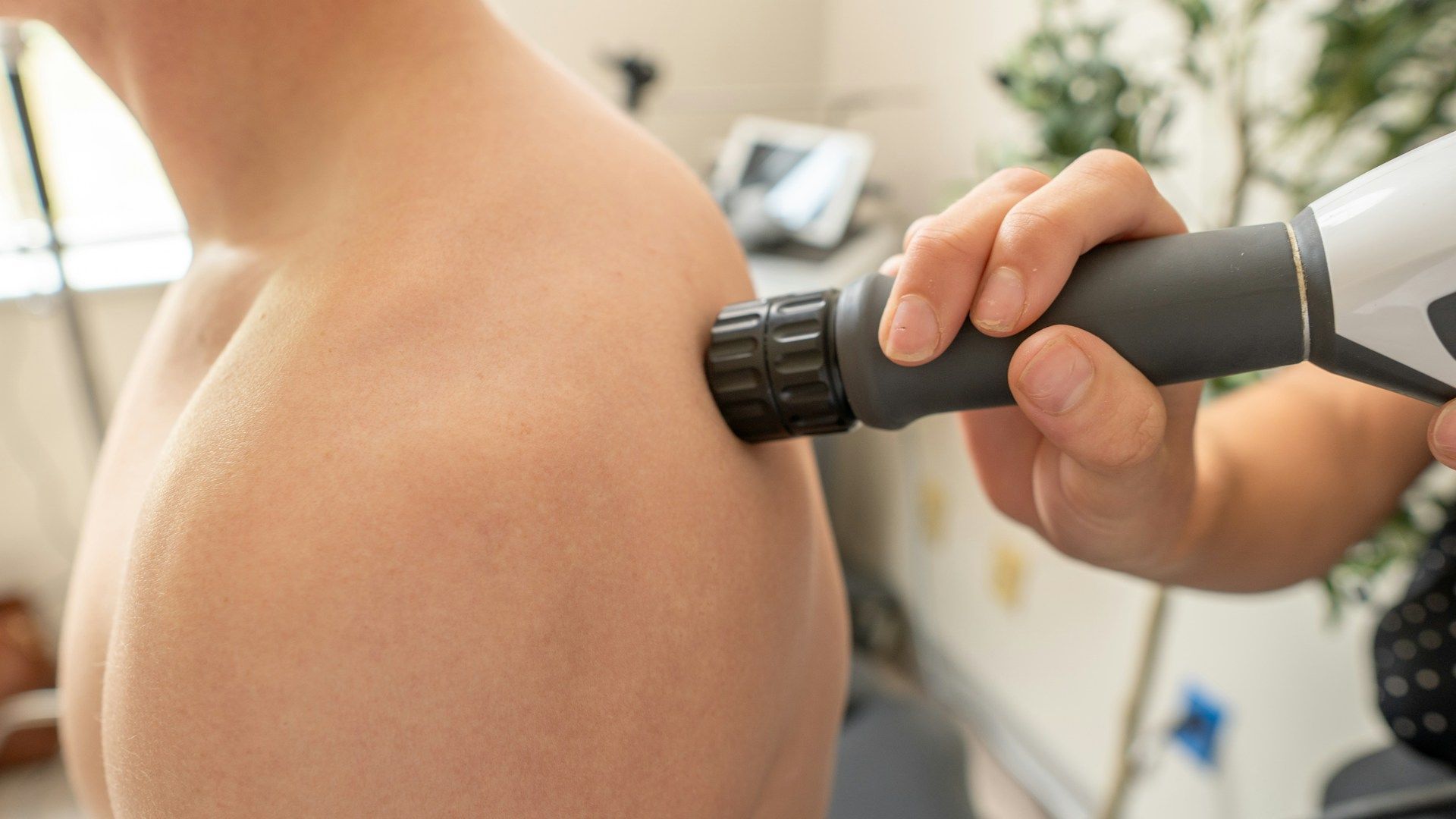
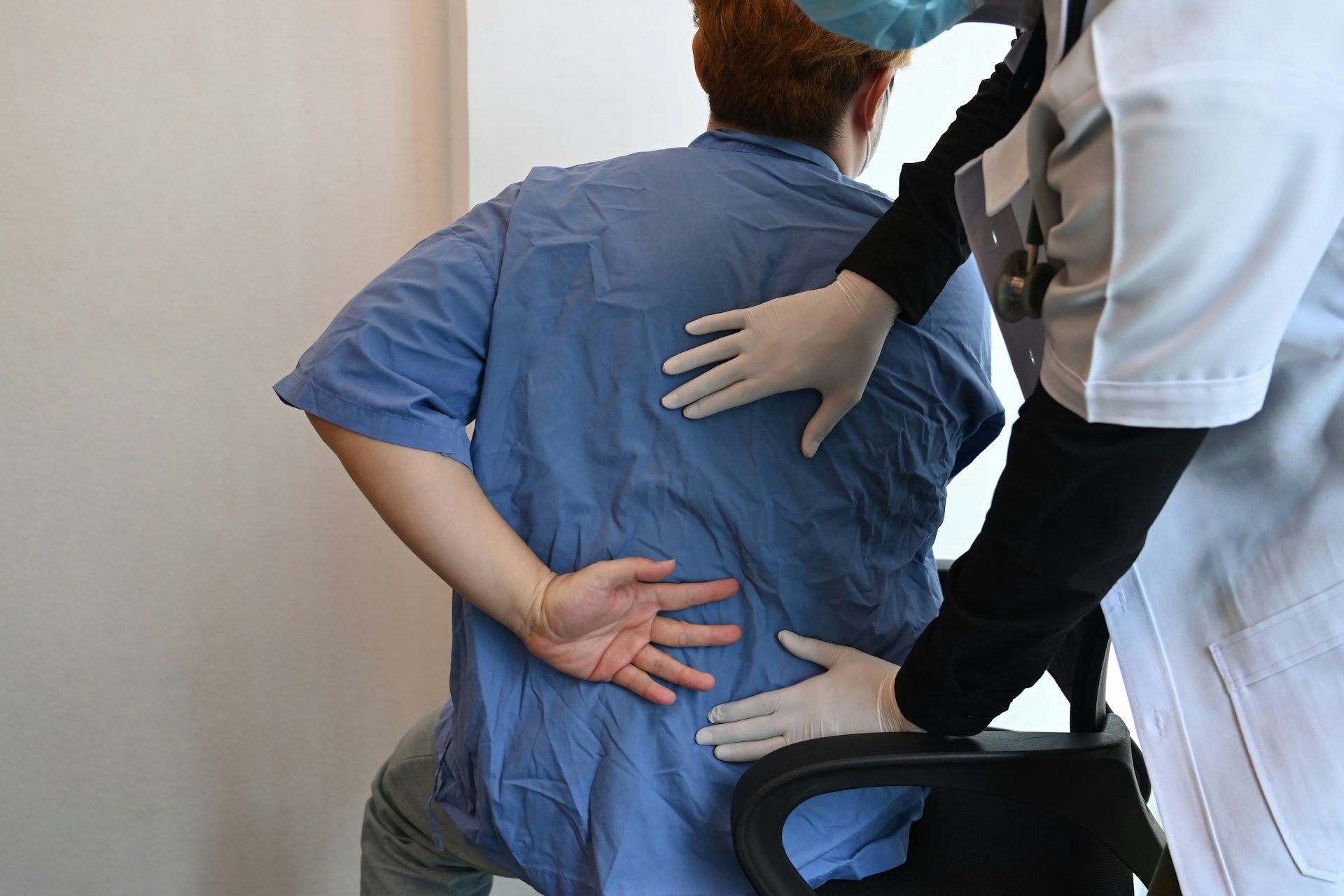
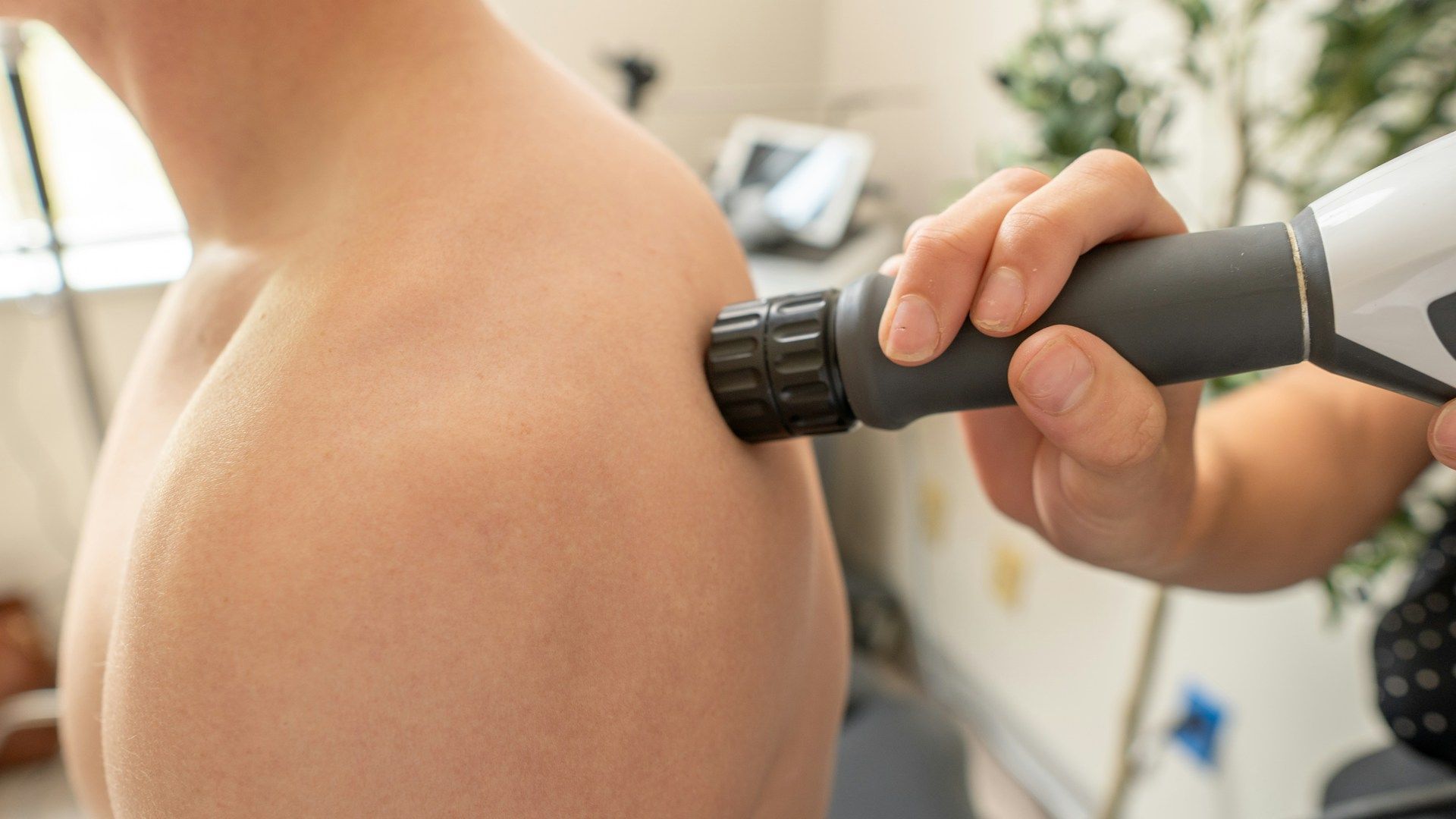
Apollo Spine and Pain Center uses advanced diagnostics, such as fluoroscopy and MRI, to identify problem areas before recommending tailored treatments like image-guided injections or minimally invasive interventions. We frequently see sitting-related back issues in Cumming, GA and Jasper, GA, and our team helps build care plans that get ahead of chronic pain.
These methods aren't about quick stretches or posture tips. They work alongside them when the pain no longer responds the way it used to. In situations like that, it’s smart to act sooner rather than later.
Sometimes, those who stretch and move as recommended are surprised when discomfort remains or returns even after regular pauses. This cycle can be frustrating, and it’s a clue that the underlying cause is deeper than tight muscles. By focusing on the specific areas affected, targeted methods can help with recovery and stop the pain from becoming a bigger part of daily life.
Sneaky Signs Your Sitting Might Be Causing Long-Term Damage
It’s easy to blame a tight back on a tough week or a long drive. But certain symptoms suggest your body is giving stronger signals.
- Tingling or numbness in your legs after sitting, even just for a while
- A dull pain that lingers into the evening, or gets worse by the end of the day
- Stiffness in hips or lower back that stops you from doing regular things like bending or walking normally
These signs often mean pressure is building around nerves or joints. What looks like a small posture issue can actually point to deeper restrictions in the spine. If left alone, those changes can grow into something harder to treat.
Sometimes you may also notice that your range of motion is not what it used to be. For example, tying your shoes or getting out of a chair might start to feel awkward. Nighttime discomfort or restlessness can also be a sign that your back is struggling to recover from too much sitting during the day. Early recognition and taking notice of patterns can help in making needed changes sooner.
Feeling Better by Changing How You Sit and Move
The good news is that most people can make little changes that offer a lot of relief. The key is being consistent and aware of what your body feels like before and after certain parts of the day. If you notice a pattern, it’s probably connected to how and where you’ve been sitting.
Some small fixes we recommend:
- Raise your work screen so your neck isn’t tilting down
- Use a small cushion in the car to support the curve of your back
- Stretch the hips and back lightly before and after long sitting sessions
What matters is noticing when and where the tension begins. People juggling long work days, commutes, or busy spring routines benefit most when they act early. If something hurts less when you move than when you sit, that’s a good clue to start paying attention.
Even small tweaks, such as changing up your seating position each hour or standing during a phone call, can make the day feel less draining. Pay attention to your energy levels too. If fatigue follows sitting, it may be linked to your back or nerve discomfort. Light movement throughout the day, including short walks or gentle stretches, can make a difference in how the back feels over time.
When It’s More than Just a Tight Back
Spending too much time sitting can slowly train your body into habits that wear it down. It often doesn’t take a big injury to cause long-term problems. Small discomforts add up over weeks and months, especially when winter habits stretch into spring routines.
Even though posture and active breaks help for a while, sometimes they’re not enough. If sitting pain doesn’t go away or keeps returning after movement, something deeper may be going on inside the spine. In those cases, it makes sense to look at what interventional spine and pain management has to offer. Spring is a great time to catch pain early before outdoor chores and travel plans demand more from your body.
When simple adjustments aren’t easing your back pain, it may be time to explore more effective solutions. Ongoing pain can become more challenging to manage the longer it persists without intervention. At Apollo Spine and Pain Center, we help people in Cumming, GA and Jasper, GA find lasting relief through approaches like
interventional spine and pain management when everyday fixes aren’t enough. Let’s talk about what’s bothering you and find the right path forward together.