How to Tell If Regenerative Healing Is Progressing After Injections
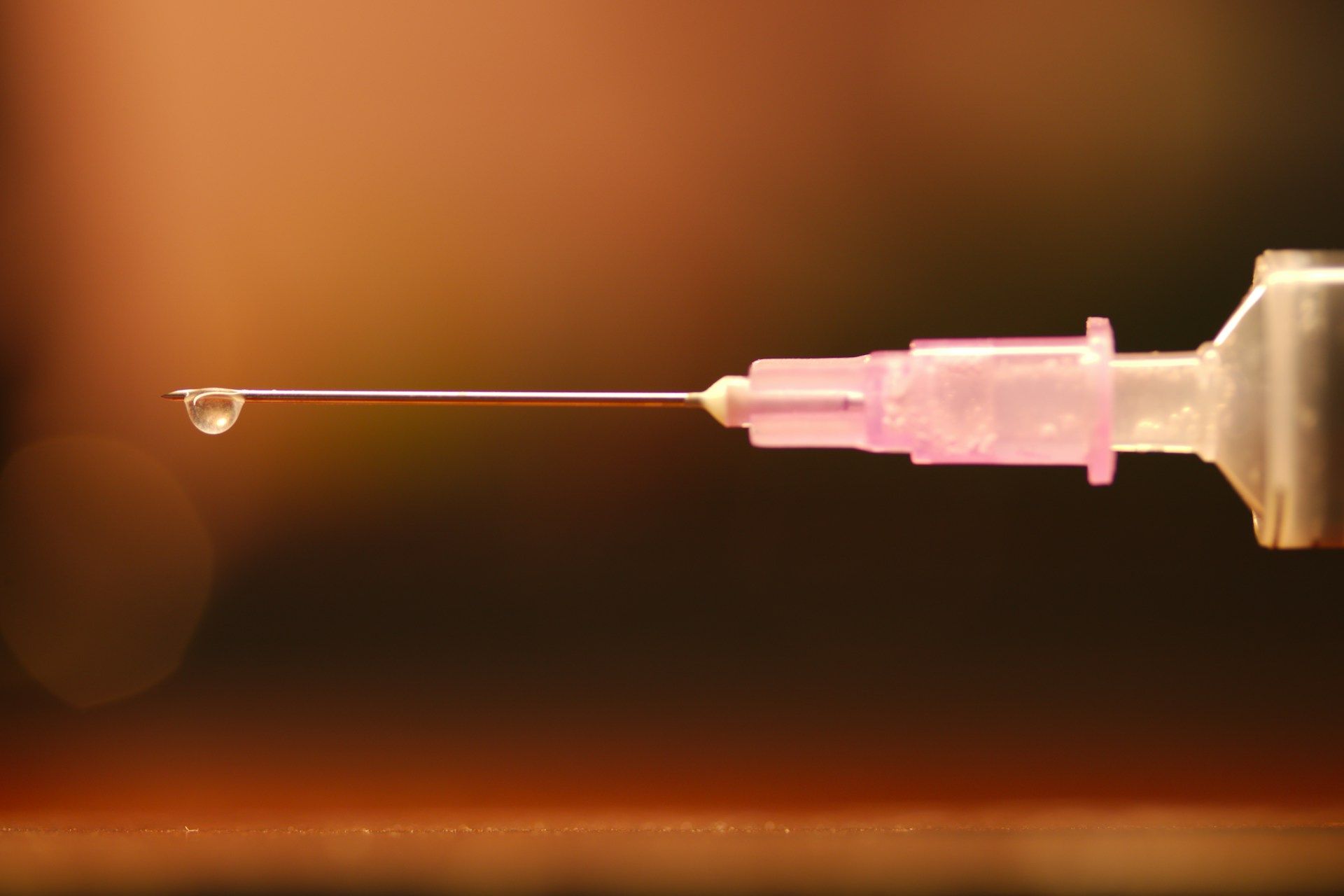
Regenerative healing helps the body recover naturally by repairing damaged tissue. After an injury or after dealing with ongoing joint pain, people often turn to platelet-rich plasma (PRP) injections. In places like Cumming, GA and Jasper, GA, we see more people choosing PRP pain management as a way to support healing without surgery or long-term medication.
Still, once the injection is done, it can be hard to tell if it’s actually working. Healing doesn’t always feel like progress right away. Some days feel better, others don’t, and that up-and-down pattern is confusing for a lot of people. Knowing what early signs to look for can help you feel more confident about your recovery.
What Regenerative Healing Feels Like After PRP Injections
Most people expect to feel better pretty quickly after a treatment. But with PRP, that’s not usually how things go. The healing starts on the inside, often long before it shows up in how you feel day to day.
- A slow drop in soreness or irritation is one of the earlier signs
- You might have stiffness or tenderness that comes and goes
- The pain may feel different than before, more dull and less intense
Some people feel completely fine one day, then sore again the next. That swing isn’t always a bad thing. It may just mean your body is rebuilding. If you're in Cumming, GA or Jasper, GA, spring can bring a perfect test of your progress. Simple things like tidying the yard, taking a walk downtown, or cleaning the garage can show you where your joints still feel tender, and where they’re bouncing back.
How Timing Affects Progress
It’s easy to wonder, Am I healing fast enough? After a PRP injection, that depends on a lot of things: how bad the injury was, how active you are, and how your body responds to healing in general.
Here's a rough idea of what many people experience:
- First week: a little soreness, maybe even more than before, as the body starts working
- First month: movement improves slowly, with better comfort during lighter tasks
- By months two and three: you're doing more without the same pain afterward
Spring activity levels can influence how recovery feels. Those living in Cumming, GA and Jasper, GA get outdoors more as it warms up. That increased movement can make soreness easier to spot but also shine a light on improvements you might have missed in winter.
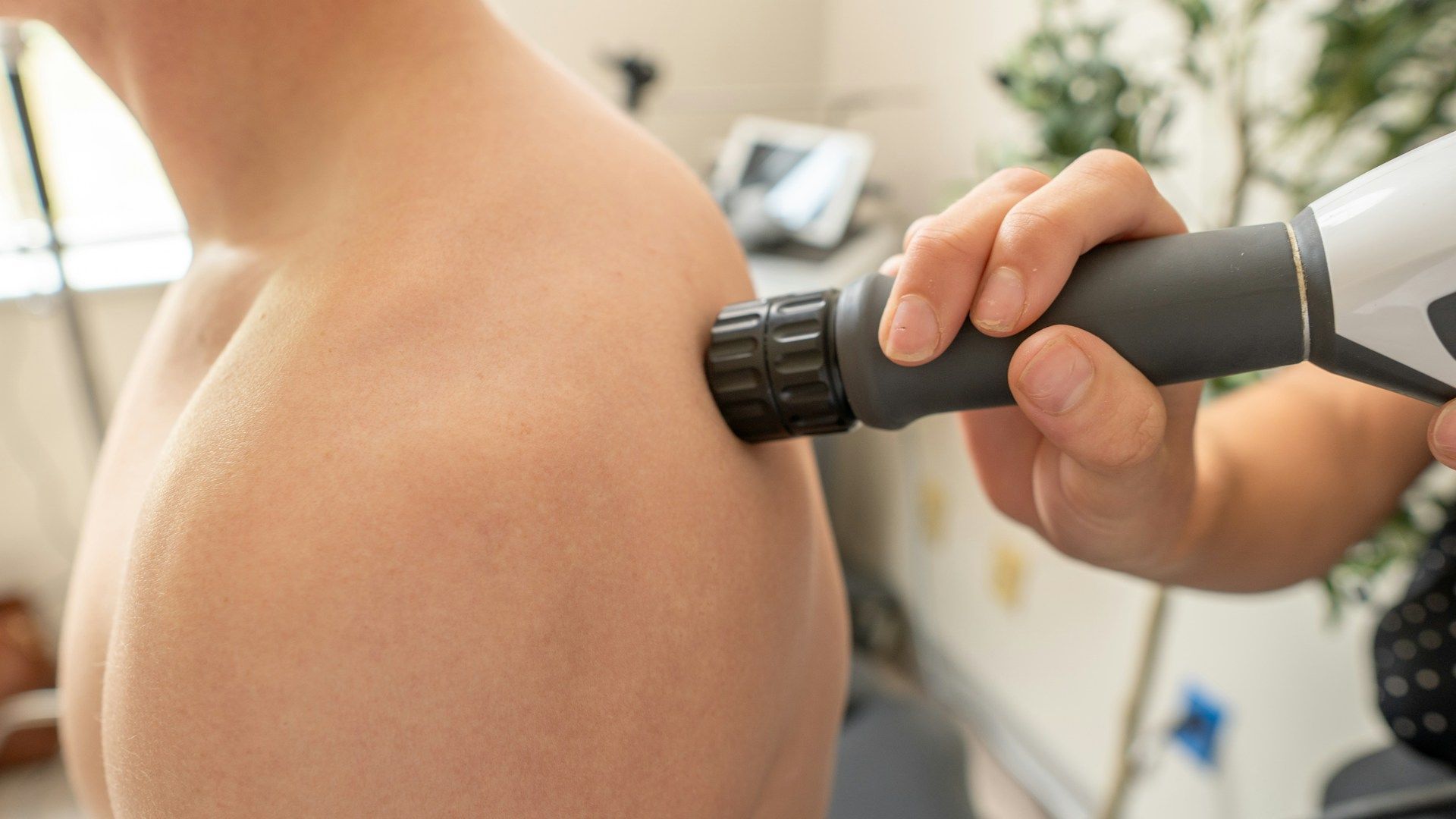
Apollo Spine and Pain Center provides PRP pain management using ultrasound-guided injections for greater accuracy in targeting problematic joints and tissues. Our board-certified specialists monitor your recovery progress and give recommendations for gentle activity to support healing after the procedure.
While it's tempting to speed things up, steady healing often gives better lasting results. Pushing through pain too soon can set you back. But if progress is slowly trending in the right direction, that’s usually a good sign.
When to Be Concerned Something Isn’t Working
Most discomfort after PRP injections fades over time. Still, not every ache is a sign of healing. Every so often, things don't improve, and it's helpful to know what to watch for.
Here are some common signs that things might not be going the way they should:
- Pain gets sharper or spreads to new areas over time
- There's no improvement in joint function after a few weeks
- Swelling or warmth lasts too long or gets worse
We expect ups and downs in recovery, but weeks of no progress is different than a normal healing curve. If a simple walk or daily task feels harder instead of easier, it might be a sign that something needs adjusting. That doesn’t mean the treatment failed, it just means it might be time to talk things over again and make a new plan.
The Role of Check-Ins and Adjustments
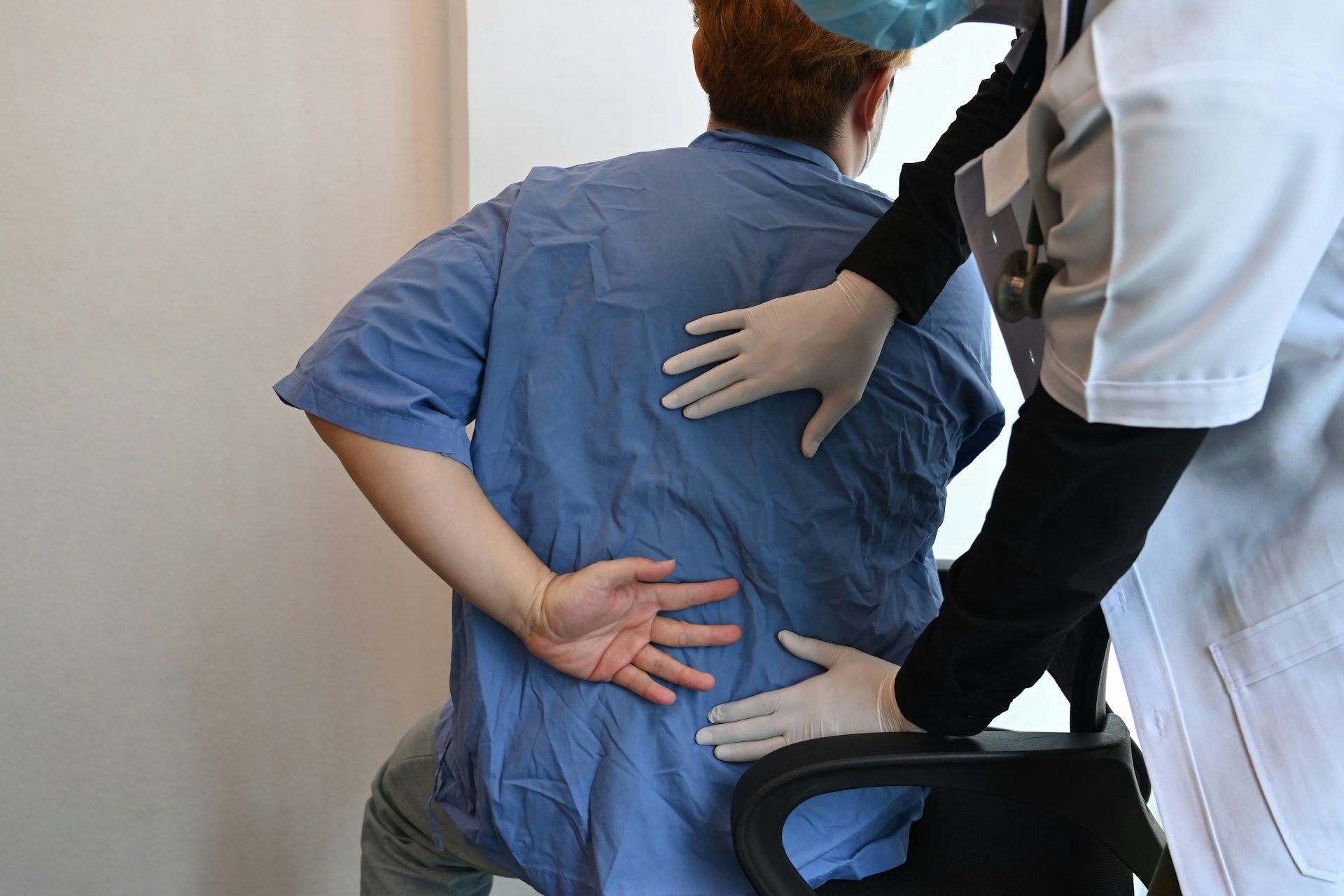
After PRP injections, regular check-ins with your pain specialist matter more than people think. These visits don’t just track the pain. They help us see how the joint is holding up and what changes might help.
- Recovery patterns are personal, what worked for someone else may not be best for you
- Adjustments might be needed based on how tissue is responding
- Follow-ups allow space to tweak or add steps to keep healing going
PRP pain management isn’t a straight path. Sometimes your body needs more time. Other times it needs a small change in movement, posture, or support. What’s important is staying in touch with how your body feels and staying open to making changes when needed.
That might include adjusting how often you're moving or changing up your home routine. It can be frustrating not to have the same answer work for everyone, but custom care is often more effective long term.
Knowing You’re Headed in the Right Direction
There's no one way regenerative healing feels. Some people notice big improvements suddenly, others notice progress only when they look back and see how far they've come.
A few clear signs you're on the right track:
- You wake up with less stiffness than last week
- You can move more freely during day-to-day tasks
- The pain you do feel is easier to manage and happens less often
Sometimes we focus only on the bad days and forget to notice when something small gets better. Maybe that’s an easier walk to the mailbox or fewer bad nights of sleep. Tracking those little things helps build confidence that whatever your body is doing, it’s working. As spring stretches into longer days and warmer months, those small wins will start to stack up.
Noticing early signs of change in your recovery journey can bring up important questions, especially during spring in Cumming, GA or Jasper, GA. At Apollo Spine and Pain Center, we work closely with each individual to support steady progress through every season. For those considering
PRP pain management, our team is ready to guide you through the process and discuss what to expect. Reach out today to schedule your appointment.