Effective Pain Relief for Diabetic Peripheral Neuropathy Using Regenerative Medicine
Diabetic Peripheral Neuropathy (DPNP) is a common and debilitating complication of diabetes that affects the nerves, primarily in the legs and feet. The condition results from long-term high blood sugar levels that lead to nerve damage.
Symptoms include sharp pain, burning sensations, numbness, and tingling, which can significantly impact mobility and quality of life. Managing this chronic pain is a critical aspect of care for individuals with diabetes, and traditional treatments often fall short of providing long-term relief.
Regenerative medicine offers a promising alternative for treating the pain associated with DPNP. Unlike conventional methods that primarily focus on managing symptoms, regenerative medicine aims to repair and regenerate damaged tissues.
This innovative approach can potentially address the underlying causes of nerve damage, leading to more effective and sustained pain relief. As the field of regenerative medicine continues to evolve, new treatments are becoming available that provide hope for those suffering from the chronic pain of diabetic peripheral neuropathy.
Let’s delve into the complexities of DPNP and explore how regenerative medicine can play a pivotal role in pain relief. By understanding and utilizing regenerative medicine, we can offer more effective pain management solutions to improve the quality of life for those affected by DPNP.
Understanding Diabetic Peripheral Neuropathy (DPNP)
Diabetic Peripheral Neuropathy (DPNP) is a serious complication of diabetes that affects the peripheral nerves, particularly in the extremities such as the feet and legs. This condition arises from prolonged high blood sugar levels, which lead to nerve damage.
The symptoms often start as a tingling or burning sensation and can progress to sharp pains, numbness, and even a loss of sensation in the affected areas. These symptoms can make it difficult for patients to perform daily activities and can significantly reduce their quality of life.
Factors that contribute to the development of DPNP include poor glucose control, long duration of diabetes, and other associated conditions like hypertension. The nerve damage in DPNP results from a mixture of metabolic and vascular issues that combine to damage the nerves and blood vessels that supply them.
Early diagnosis and treatment are critical because controlling blood sugar levels can help slow the progression of the condition. Despite this, managing the pain effectively remains a challenge, making it crucial to explore alternative therapies such as regenerative medicine.
The Role of Regenerative Medicine in Pain Relief
Regenerative medicine represents a transformative approach to treating DPNP by focusing on repairing and regenerating damaged tissues rather than merely addressing symptoms. This medical field harnesses the body's natural healing processes to restore function in damaged tissues.
It includes therapies like stem cell treatment, platelet-rich plasma (PRP) therapy, and growth factor injections. These treatments work by stimulating cell growth and tissue repair, which can provide relief from pain and improve nerve function.
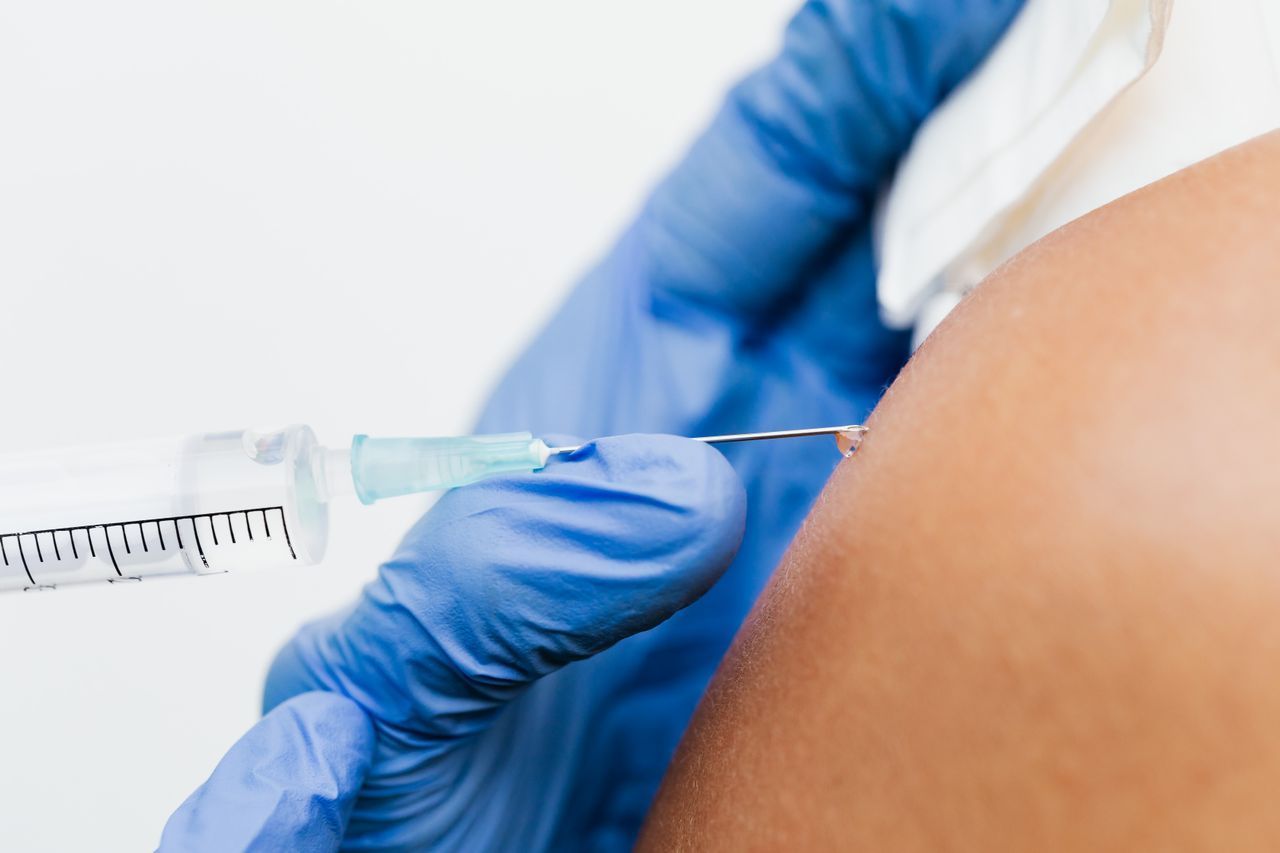
Stem cell therapy, for example, involves using the patient’s own stem cells to repair damaged nerve tissues. The process usually entails harvesting stem cells from a part of the body and injecting them into the affected area. These cells have the potential to transform into various types of cells needed for tissue repair.
Similarly, platelet-rich plasma therapy involves injecting concentrated platelets extracted from the patient’s blood into the damaged nerves. Platelets release growth factors that accelerate tissue healing and reduce inflammation, which can significantly alleviate pain.
Regenerative medicine offers a promising solution for those suffering from the chronic pain of DPNP by addressing the root causes of nerve degeneration and promoting healing at the cellular level. These innovative treatments have the potential to not only provide significant pain relief but also restore function and improve overall quality of life.
Innovative Regenerative Treatments for DPNP
Various innovative treatments within regenerative medicine are showing great promise for patients with Diabetic Peripheral Neuropathy (DPNP). One such treatment is Platelet-Rich Plasma (PRP) therapy.
PRP involves drawing a small amount of the patient’s blood, processing it to concentrate the platelets, and then injecting this concentration directly into the affected nerves. The growth factors released by these platelets can stimulate nerve repair, reduce inflammation, and alleviate pain.
Stem cell therapy is another cutting-edge treatment in the sphere of regenerative medicine. This method uses the patient’s own stem cells, often harvested from bone marrow or adipose (fat) tissue.
Once these cells are processed, they are injected into the damaged nerves where they have the potential to regenerate and repair the affected tissue. The unique ability of stem cells to differentiate into various cell types makes this therapy particularly effective for nerve regeneration and pain relief.
Growth factor injections also contribute to the toolbox of regenerative treatments. Growth factors are proteins that naturally occur in the body and play a crucial role in cell growth and healing. By injecting these concentrated proteins into damaged nerves, we can promote cellular repair and improve nerve function, leading to significant pain reduction.
Benefits and Outcomes of Regenerative Medicine for DPNP
The benefits of regenerative medicine for DPNP are profound and multifaceted. These treatments go beyond merely masking symptoms; they address the underlying issue of nerve damage and promote actual healing and regeneration of nerve tissues.
As a result, patients often experience substantial and sustained pain relief. This can greatly enhance their quality of life, allowing better mobility and participation in daily activities without the debilitating pain that DPNP typically brings.
Additionally, regenerative treatments are minimally invasive, which reduces the risks associated with more invasive surgical procedures. They leverage the body’s natural healing processes, reducing the need for long-term medication use and their associated side effects. This approach also provides long-lasting results, as the aim is to repair and regenerate the impacted nerves, potentially reversing some of the damage caused by DPNP.
One of the most significant outcomes is the possibility of reduced dependency on pain medications, including opioids, which carry a risk of addiction and other adverse effects. By focusing on regenerative medicine, we can offer patients a safer and more effective alternative that targets the root cause of their pain.
The Promise of Regenerative Medicine for Diabetic Neuropathy
Diabetic Peripheral Neuropathy (DPNP) presents a significant challenge due to its chronic and debilitating nature. Traditional pain management methods often fall short, leaving patients in persistent discomfort. However, regenerative medicine offers a promising alternative by targeting the root causes of nerve damage and promoting healing at the cellular level.
Through innovative treatments such as Platelet-Rich Plasma (PRP) therapy, stem cell injections, and growth factor therapies, we can provide effective pain relief and improve the quality of life for those suffering from DPNP.
Taking a proactive approach to your pain management can make a world of difference. Explore our innovative treatments and take the first step towards a pain-free life. Contact Apollo Spine and Pain Center today to learn more about how
regenerative medicine in Cumming, GA, can help you find relief from Diabetic Peripheral Neuropathy.