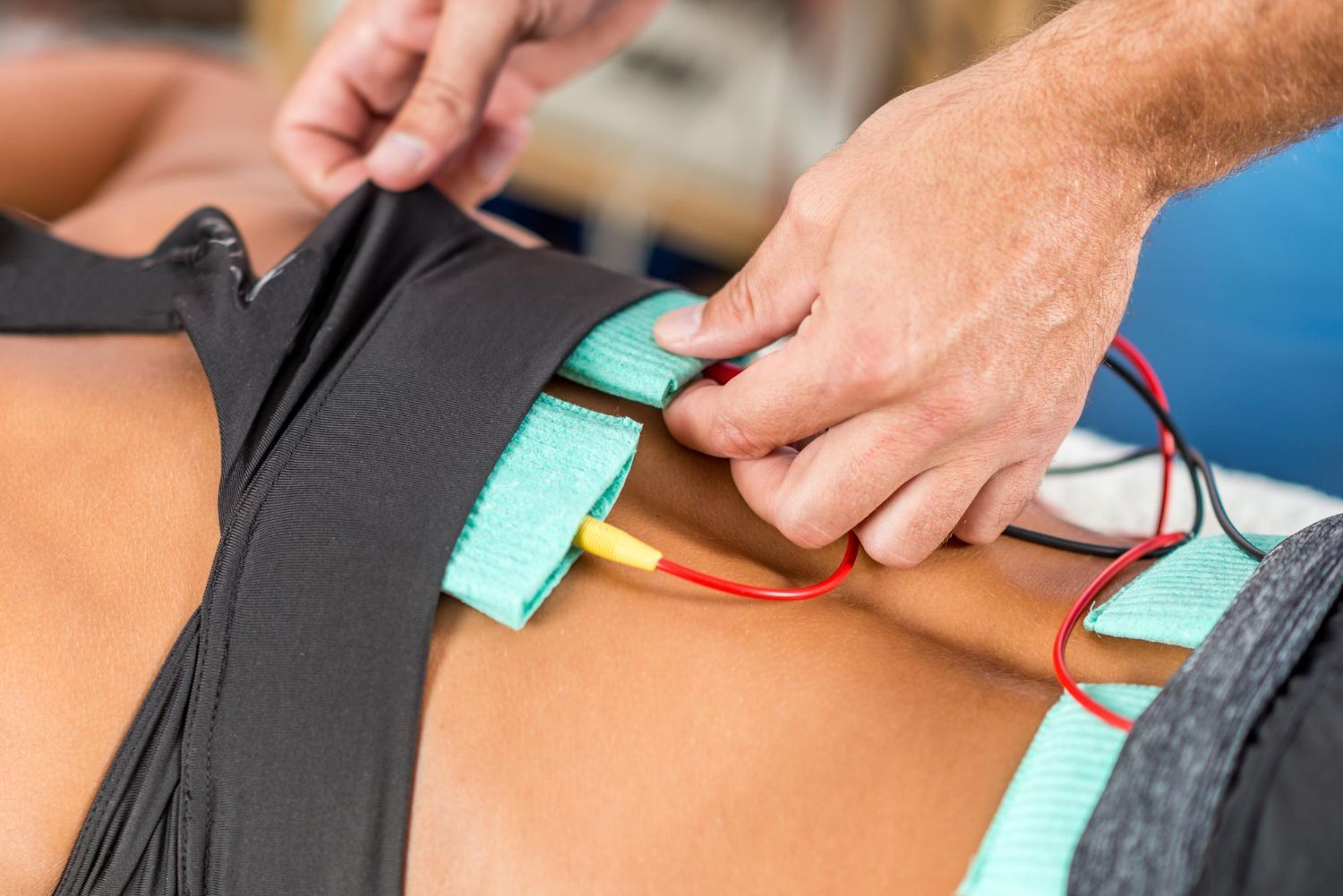
The Role of Interventional Injections in Pain Management
Interventional injections are becoming a go-to solution for many people dealing with chronic pain. Imagine being able to pinpoint the source of pain and manage it directly—that's what interventional injections offer. They provide a targeted approach to pain management and are especially helpful for individuals in Cumming, GA, and Jasper, GA, who may face specific common ailments due to lifestyle or environment. This method focuses on relieving pain with precision, making daily life more manageable for those dealing with persistent discomfort.
Residents in Cumming and Jasper seek relief from various pain conditions that can arise from everyday activities or past injuries. Interventional injections step in here as a viable solution, offering a more focused approach to pain relief. This type of medical treatment directly addresses areas where pain originates, allowing for effective management without the need for more invasive procedures. People in these areas benefit from these injections by experiencing less pain and enjoying a fuller life.
What Are Interventional Injections?
Interventional injections use needles to deliver medication directly to the area where pain is occurring. This is important because it targets the cause of pain directly, rather than providing broad treatment that might affect other areas. These injections usually contain either anesthetics, which numb the pain, or steroids, which reduce inflammation.
There are different kinds of interventional injections tailored for various types of pain conditions:
- Epidural Steroid Injections:
Often used for back pain, these injections provide relief by reducing inflammation around the nerves.
- Joint Injections: Ideal for arthritis or joint-related pains, these help in managing pain localized to specific areas like knees or shoulders.
- Nerve Blocks: These injections target nerves to block pain signals to the brain, offering relief from chronic pain conditions.
Interventional injections serve as an option for those who may have tried other methods without success. By focusing on specific areas, these procedures ensure pain is managed more directly, making them a beneficial option for many seeking effective relief in their everyday lives.
Benefits of Interventional Injections
Interventional injections provide a range of benefits for individuals suffering from chronic pain in areas like Cumming, GA. One of the most remarkable features is how these injections offer direct and targeted relief. Rather than encompassing broad medication that affects the entire body, these injections ensure that the pain-relieving agents go straight to the source. This direct approach can lead to faster relief and may reduce the need for oral pain medications that can have unwanted side effects.
These injections also shine in terms of safety. Since they precisely target specific areas, they're generally safer, reducing exposure to medications that could otherwise impact overall health. This approach can be a game-changer for those who have struggled with managing pain and wish to avoid more invasive procedures. Plus, with fewer side effects, patients often find the process less daunting. People can often resume regular activities fairly quickly, enjoying an improved quality of life.
Common Conditions Treated with Interventional Injections
In Cumming, GA, residents utilize interventional injections to manage a variety of conditions. Some of the most common issues treated include:
- Back Pain:
For those grappling with chronic back pain, epidural steroid injections can be a true lifeline, reducing pain by calming inflammation within the spine.
- Arthritis: Joint injections are often used to ease arthritis-related pains in the knees, hips, or shoulders, providing flexibility and freedom of movement.
- Nerve Pain: Conditions like sciatica might find relief through nerve blocks, which stop pain signals before they reach the brain.
An example could be an older adult suffering from arthritis in Cumming, who benefits from joint injections in the knees. This allows them to maintain an active lifestyle, engaging in community activities without the constant hindrance of pain.
What to Expect During the Procedure
Understanding the procedure can alleviate anxiety and lead to better outcomes. When preparing for an interventional injection, doctors typically start with a thorough consultation. They'll review medical history, discuss the ongoing pain, and decide on the best injection type. On the day of the procedure, patients may need to follow some simple steps, like avoiding food or drink for a few hours beforehand.
During the procedure, a small needle is used to deliver the medication directly to the affected area. Most injections are quick, often only requiring a few minutes. Following the injection, patients might experience some initial discomfort or swelling, but these symptoms usually fade quickly. Care after the procedure generally involves resting and avoiding strenuous activities for a short period. Patients often notice improvement within a few days, experiencing reduced pain and increased mobility.
The Road to Managing Pain
Interventional injections stand out as an approachable method for those dealing with chronic pain in areas like Cumming. By focusing on the exact source of discomfort, they empower individuals to manage their pain more effectively. Exploring this option can bring relief to many, supporting a better way to move through life with less discomfort. Understanding the process and benefits helps in choosing the right path, aligning treatment with personal health goals.
If you're looking to explore effective solutions for managing chronic pain, consider learning more about how an
interventional injection might work for you. At Apollo Spine and Pain Center, we focus on providing targeted, reliable relief to help you lead a more comfortable life.