What to Know About Advanced Interventional Pain Management Options
For people dealing with long-lasting or serious pain, winter can be an especially difficult time. Colder temperatures tend to bring added stiffness, slower movement, and more discomfort. That’s when advanced interventional pain management becomes part of the conversation. These are treatments that focus on pain relief without relying only on daily medications or general care.
Instead of just masking symptoms, these techniques often aim to change how the body processes pain, one layer at a time. For people in Cumming, GA and Jasper, GA, where winter months can make chronic issues worse, having more focused options can lead to more meaningful relief. The goal isn’t just to make pain go away for a day, but to make daily movement easier and less stressful in the long run.
What Makes Interventional Pain Care Different
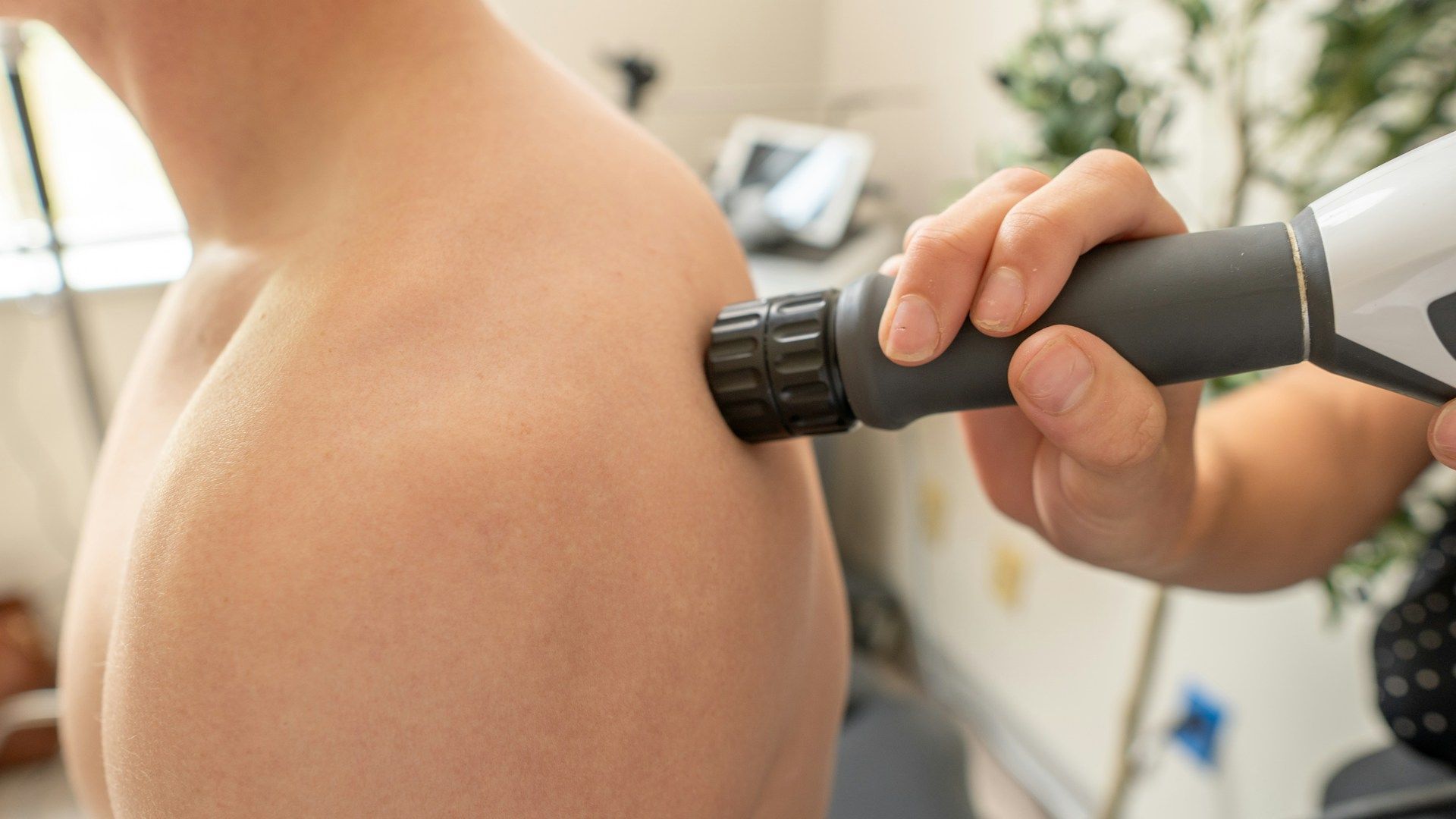
What sets interventional pain care apart is how personal and precise it can be. Rather than taking general approaches like rest or over-the-counter medicine, this type of care targets the specific source of pain using direct techniques.
• Treatments are often physical, such as injections or nerve blocks, that aim for the precise area where pain is coming from.
• They are typically used when other options like physical therapy or oral medications have not worked well on their own.
• People living with nerve pain, spine problems, arthritis, or recurring joint pain often find these methods more helpful when other routes have not brought relief.
This type of care does not replace all other approaches. It fits into the bigger picture when discomfort gets in the way of sleep, walking, standing, or making it through the workday.
Common Interventional Methods Used in Winter Months
Winter can push certain types of pain into overdrive. Achy joints, tight backs, and nerve flare-ups often become more noticeable when the temperatures drop. We tend to stay inside, we move less, and cold weather can stiffen muscles and joints.
Interventional methods during this time can be a better match when comfort keeps slipping. Some of the more common treatments include:
• Nerve blocks to calm down inflamed or overactive nerves.
• Steroid injections to reduce swelling in joints or the spine.
• Radiofrequency treatments that use heat to interrupt pain signals.
Each one works a little differently, but they are often used when weather makes older injuries or chronic conditions flare up. For people around North Georgia, where winter mornings can feel especially tight or sore, these methods can help break up those patterns.
Apollo Spine and Pain Center provides advanced options such as fluoroscopy-guided injections and minimally invasive procedures for chronic back, neck, and joint pain. Our board-certified specialists use these targeted therapies to help improve comfort and function when other treatments have not worked.
How These Treatments Work in Everyday Life
Living with ongoing pain means trying to balance daily tasks without making things worse. So, when it comes to more targeted options, it helps to know how they actually fit into real life.
Most procedures happen in an outpatient setting. That means you come in for the treatment, rest for a short time, then go home the same day. A lot of these do not require anesthesia, and recovery time is usually short. Some people may notice relief within days, while others feel it after a few weeks.
• Appointments often take just a few hours from start to finish.
• Post-treatment soreness is common, but often fades quickly.
• Follow-ups help check response and adjust the next steps as needed.
One benefit of these options is how they can be shaped around your lifestyle. We look at how you are sleeping, how you are sitting during the day, or what your work requires physically. Those notes can help refine care so it works better for real routines, not just what sounds good on paper.
These treatments are often used alongside other daily habits that support pain relief. Gentle stretches, heat therapy, and regular movement may be added to your routine. Combining interventional care with these simple habits can help promote easier movement, fewer pain flares, and better daily function throughout the winter.
Questions to Help Decide if It’s the Right Step
Not every pain problem needs interventional treatment right away. But if stiffness or aches keep returning, it may be time to ask new questions. A few signs might include:
• Pain that keeps getting worse, wakes you up at night, or affects your posture.
• Symptoms that have not improved with rest, stretching, or over-the-counter options.
• Trouble moving the same way you did just a few months ago.
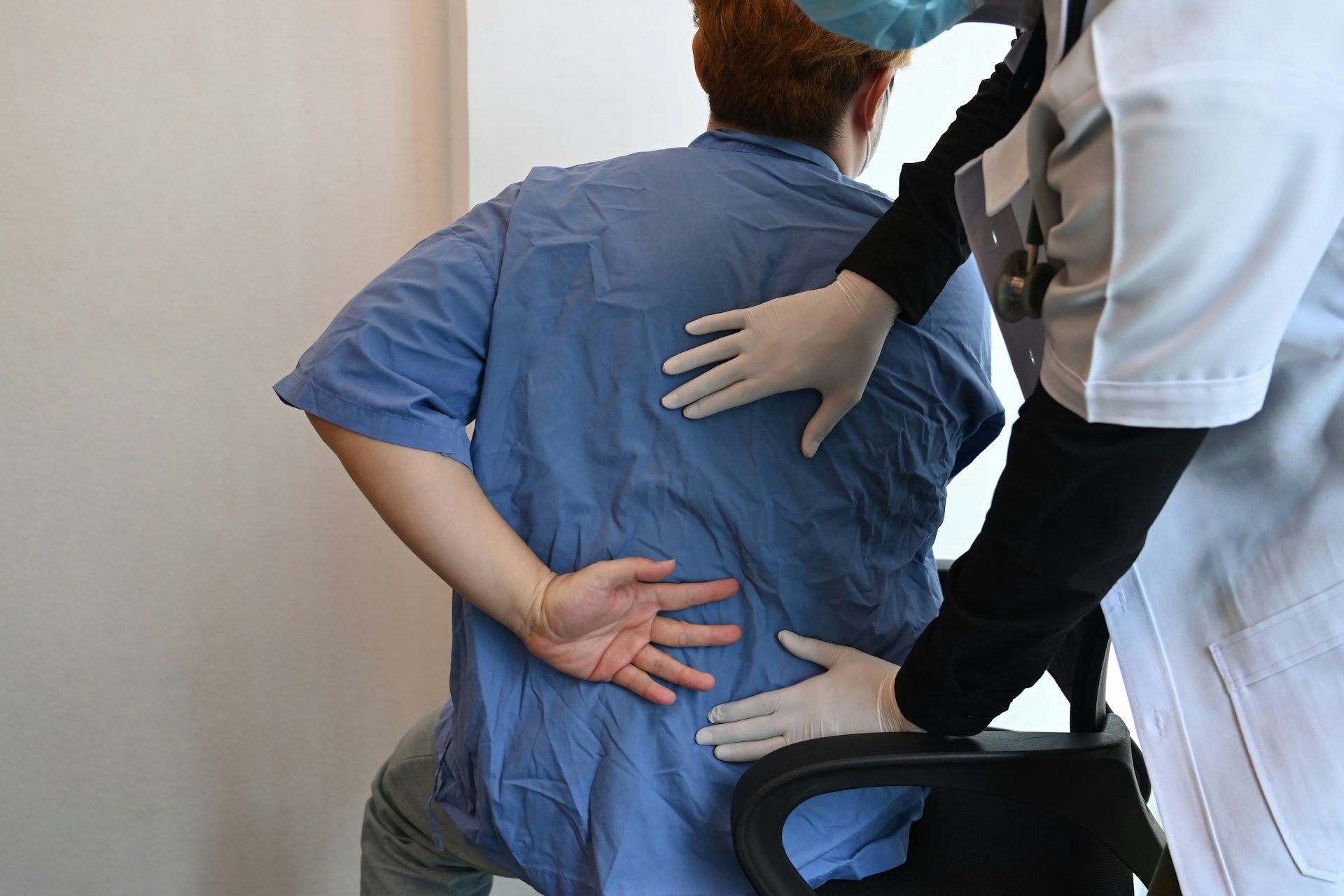
If any of these feel familiar, the next visit to your doctor could be a chance to talk through more advanced options. Consider bringing up things like when the pain is at its worst, what types of movement make it feel better or worse, and how it has changed over time.
That way, you are not just describing the pain. You are helping to map out where it might be coming from and which steps to consider next.
If you have tried different pain relief options and your usual strategies are not working as well during cold weather, it is often helpful to rethink your approach. Talking to a specialist about interventional pain management can give you clearer direction and help set reasonable goals for improving your day-to-day life.
What Progress Might Feel Like Over Time
It is natural to want fast results when pain gets too loud, but recovery does not always follow a straight line. With advanced interventional pain management, it is more about small steps adding up.
Some of the early signs things are shifting can show up as:
• Sleeping a little more comfortably through the night.
• Feeling less sore when waking up or after sitting.
• Doing an activity, like walking the dog or climbing stairs, without flaring up as much.
We keep adjusting care based on how you are feeling week by week. Especially during seasonal changes like winter, pain patterns can shift. That is why staying flexible and involved in your care can bring better long-term results.
Keep in mind, progress may come in small increments. Each week may build on the last, with comfort improving little by little. With the guidance of your care provider, it becomes easier to recognize what is working and make changes that fit how your body feels each season.
Feeling More in Control of Long-Term Pain
Advanced pain care is not about picking one road and sticking to it forever. Most people benefit from a mix of treatments that work with the way their body feels at different times of year.
We believe feeling more in control starts with having choices. Learning about newer options like advanced interventional pain management helps you make decisions from a stronger place, not just out of frustration. For people living in places like Cumming, GA and Jasper, GA, where cold months impact how the body moves and feels, building that kind of plan can change the way pain fits into your life.
There is not one perfect answer for every person, but making pain care more specific, more timely, and more connected to everyday routines can help you move through winter with more comfort.
With advanced care, progress is not always immediate, but it can be steady. Each step, from the first consultation to follow-up visits, is a chance to refine your pain plan and build a safer, more active lifestyle.
At Apollo Spine and Pain Center, we know that managing recurring discomfort can be challenging, especially during the colder months. For many people in Cumming, GA and Jasper, GA, treatments like advanced interventional pain management provide a direct approach when other options have not brought enough relief. Our team is here to discuss personalized solutions that fit your lifestyle and goals. Call us today to explore your options or schedule a visit.