Understanding Interventional Injections for Long-Term Pain Relief
Living with pain that sticks around longer than it should is frustrating. When rest, heat packs, or store-bought aids stop doing the job, it often feels like there's no clear next step. That’s where an interventional injection may come in. This kind of treatment focuses directly on the part of the body causing pain instead of trying to quiet it from the outside.
We see many people here in Cumming, GA and Jasper, GA deal with aches that tend to flare up during certain seasons. Cold weather, yard chores, or the return of spring cleaning can all stir up discomfort in joints, backs, and necks. When pain keeps coming back, it may be a sign that it's no longer just temporary.
What Makes Pain Last Longer Than Expected
Pain can linger for all kinds of reasons. Often, it starts with past injuries or wear and tear from years of movement. Older joints may get stiff. Muscles lose a bit of their strength. And everyday actions, especially those we repeat without thinking, can lead to new pain or make old pain worse.
Sometimes simple care like over-the-counter creams or occasional stretching helps for a little while. But when pain keeps coming back, there may be something going on beneath the surface.
• Lifting heavy objects during winter cleanup can strain the lower back or knees
• Cold mornings in early spring can make muscles contract more tightly, slowing the healing process
• Reaching, twisting, or crouching while cleaning can reintroduce stress to areas that were already tired
These things don’t always seem like a big deal, which is why the pain catches some people off guard when it lasts.
How Interventional Injections Work
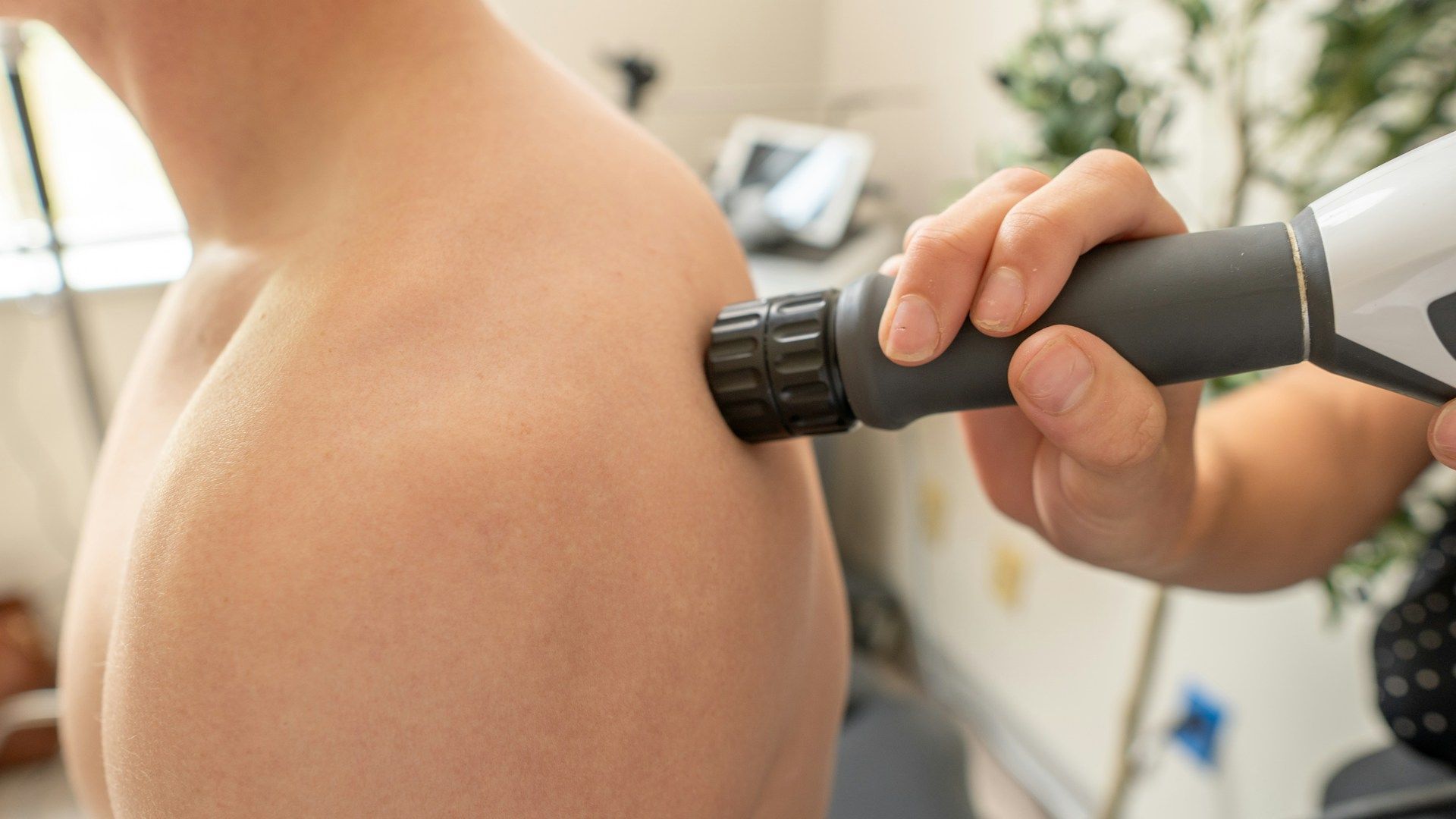
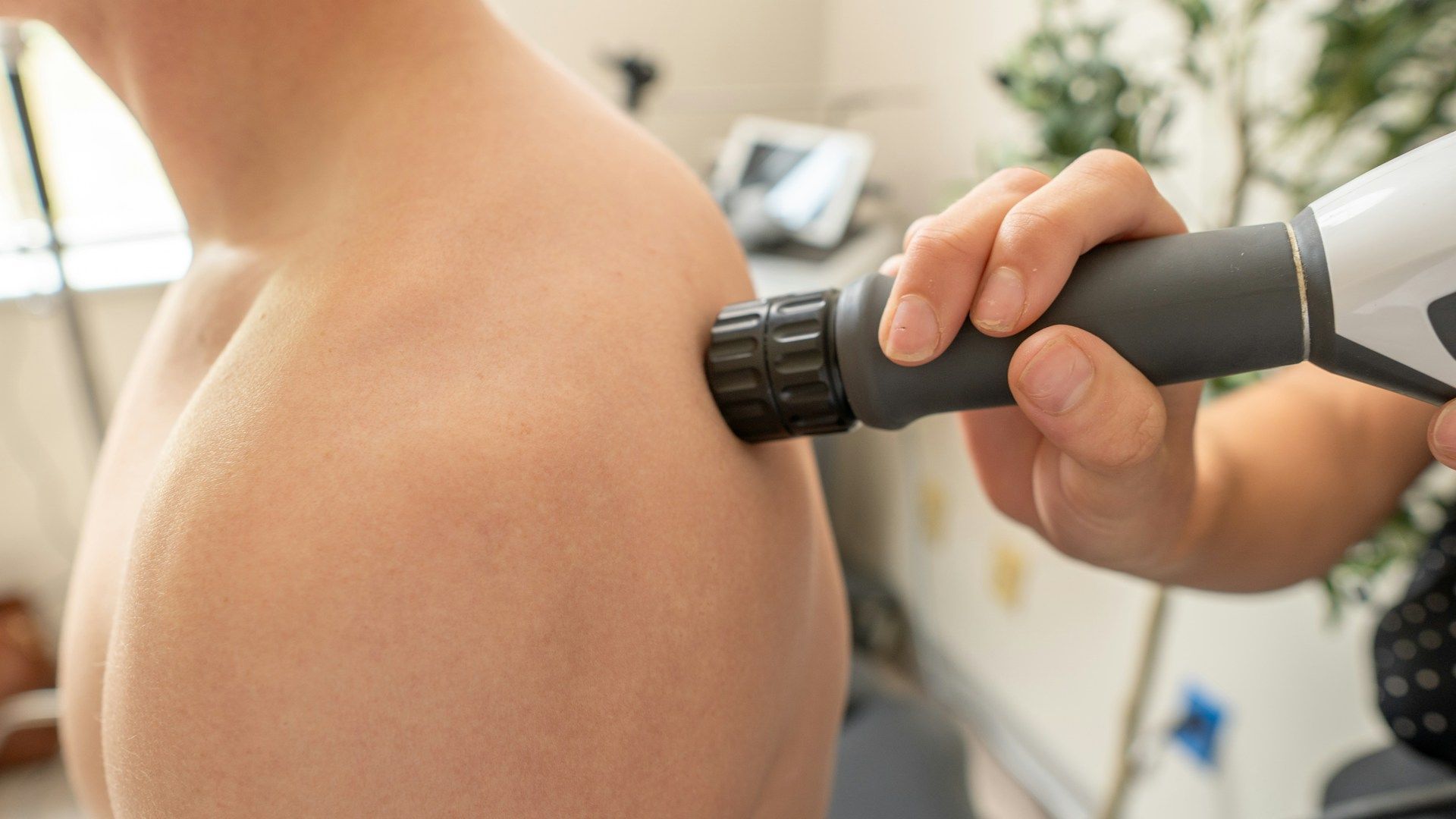
An interventional injection is a type of treatment that targets pain at its starting point. Unlike general relief methods, these injections go directly to the joint, nerve, or tissue causing discomfort. That allows for more accuracy and sometimes quicker relief.
Here’s a quick look at how it works:
1. A provider first talks with the patient about their pain, what it feels like, when it happens, and how long it lasts.
2. Imaging such as ultrasound or X-ray helps guide a small needle to the exact location where the pain starts.
3. The injection typically includes a mix of medication or other agents meant to reduce swelling or interrupt the nerve signals causing pain.
Different types of interventional injection exist for different conditions. A neck injury doesn't always respond the same way as knee or hip pain. These differences are part of what makes this approach stand out since it's not meant to blur the pain but quiet it from the root.
Apollo Spine and Pain Center offers a range of image-guided interventional injections, including epidural steroid, facet joint, and nerve root blocks, delivered by board-certified pain specialists. These procedures are carefully planned using state-of-the-art imaging so that medication reaches the exact point of pain.
What to Expect Before and After Treatment
Before getting an interventional injection, the first step is a full conversation. Providers ask questions to learn as much as possible about where the pain is and how it affects everyday life. That helps guide decisions about which type of injection makes the most sense.
Once the appointment is scheduled, people are usually asked to avoid certain medications and bring someone to drive them home just in case. The procedure itself is fairly short, and many people feel okay to go about part of their day afterward.
After the injection:
• It may take a few days before full effects are felt, depending on the type of medication used
• Mild soreness where the needle was placed is possible and usually fades quickly
• Most people are encouraged to avoid heavy lifting for a day or two
What’s encouraging for most is that things like walking the dog, folding laundry, or kneeling to garden often feel easier again. Some people even notice they sleep better when pain lets up.
Choosing a Pain Relief Option That Fits Your Life
Not all pain looks or feels the same, and not everyone lives the same kind of life. That’s especially true in places like Cumming, GA and Jasper, GA, where daily habits can shift depending on the season. Yard work might be light in winter but pick up fast as spring sets in. Retired people may move differently than someone who works on their feet all day.
It’s not just about choosing a treatment. It’s about choosing one that matches your routine, your comfort level, and how your body responds to change. For some, it’s about finding help that matches slower ways of living. For others, it’s about staying active through the year without having to push through pain every day.
When pain is treated based on each person’s unique situation instead of following a standard plan, recovery often feels more doable.
When Long-Term Comfort Feels Possible Again
Pain that sticks around has a way of sneaking into our habits. We sit differently, move more carefully, or even stop doing things we used to enjoy. That weighs on us without us always realizing it.
That’s why we think it’s worth learning about options that don’t just pause the pain but try to fix the actual source. An interventional injection might not be the first thing people think of, but it offers an option that works below the surface instead of above it.
When the back feels steady again or when simple chores no longer feel like a strain, it opens the door for more movement and better days ahead. With spring near, that’s something everyone deserves.
At Apollo Spine and Pain Center, we understand how long-lasting pain can disrupt daily routines. We take the time to discuss your needs, lifestyle, and goals before recommending next steps. Residents of Cumming, GA and Jasper, GA who are considering an
interventional injection can reach out to start a conversation. Our team is dedicated to helping you find relief that fits your life, call us today to schedule an appointment.