Interventional Procedures for Pain Management: What to Expect
Living with persistent pain can be challenging, impacting daily activities and overall quality of life. For people residing in Cumming, GA, and Jasper, GA, seeking effective solutions is crucial. Interventional procedures for pain management provide a proactive way to address chronic pain, offering relief and helping individuals return to their routines. These procedures focus on targeted therapeutic options, which can significantly reduce discomfort without resorting to invasive surgeries.
Understanding what to expect from these procedures is vital. Many people may feel uncertain or anxious about the process. Interventional methods work by targeting the specific source of pain with the goal of delivering effective relief. By providing tailored options, they help patients manage pain more comfortably and resume their daily activities with greater ease.
What Are Interventional Procedures for Pain Management?
Interventional procedures involve a range of techniques designed to relieve pain and improve function. They differ from standard pain medication in that they target the pain directly. These methods often use injections, nerve blocks, or radiofrequency ablation to address pain at its source, whether in joints, nerves, or the spine itself.
Here are some common types of interventional procedures:
- Epidural Steroid Injections:
These are used to relieve pain caused by inflammation around the nerves.
- Nerve Blocks: A local anesthetic blocks pain signals from specific nerves.
- Radiofrequency Ablation: This technique interrupts pain transmission using heat generated from radio waves.
- Joint Injections: Used for arthritis-related pain, injecting medication directly into the joint can reduce inflammation.
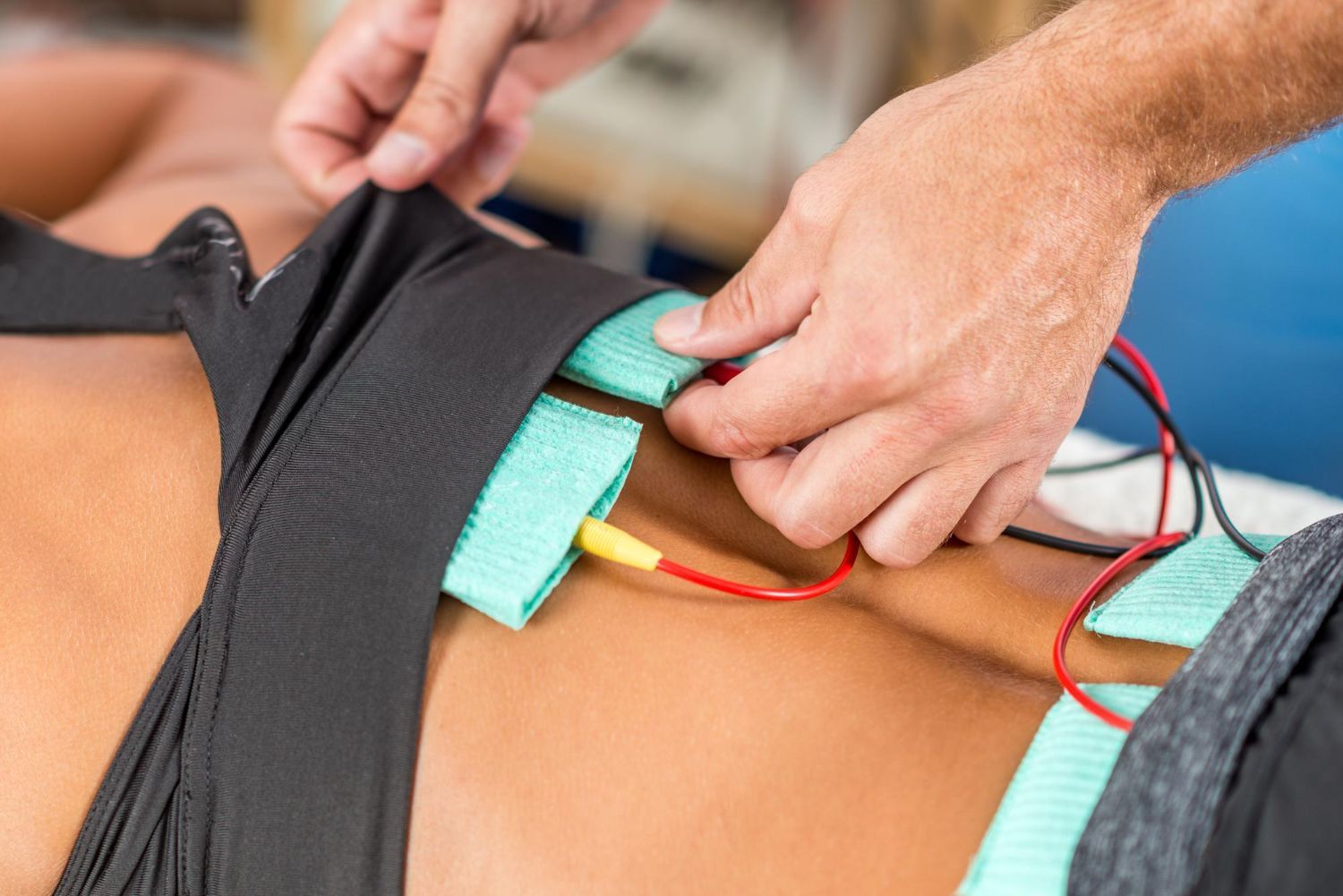
- Spinal Cord Stimulation: It involves placing a device under the skin that sends electrical impulses to the spine, helping to mask pain signals.
Conditions treated with these procedures vary widely, including back pain, neck pain, osteoarthritis, and more complex syndromes like sciatica. Patients often notice significant improvements in their pain levels, which can reduce their reliance on pain medications and potentially eliminate the need for surgery.
Navigating these options might seem overwhelming initially, but understanding these procedures helps in discussing with healthcare professionals to choose the suitable method. This proactive approach can make a positive difference in pain relief, enabling a more active and satisfying life.
Preparing for Your Interventional Procedure
Getting ready for an interventional procedure involves a few simple steps to ensure everything goes smoothly. First, you'll receive specific instructions from your healthcare provider, tailored to your procedure. These might include avoiding food and drink for a certain period before the appointment, or stopping specific medications temporarily. It's crucial to follow these guidelines closely to avoid any complications.
On the day of your procedure, you should arrive a bit early to complete any necessary paperwork and discuss any last-minute questions with your healthcare team. It's helpful to wear comfortable clothing and arrange for someone to drive you home, especially if you're receiving sedation. Keeping these practical points in mind will help reduce stress and ensure you're well-prepared.
Finally, consider jotting down any questions or concerns you might have before the big day. Having a list can help you remember to ask important questions during your pre-procedure consultation. Your comfort and understanding are key, and knowing what to expect plays a big part in achieving that.
During the Procedure: Step-by-Step Guide
Understanding what will happen during the procedure can ease any anxiety you may have. Typically, you'll start by checking in with the healthcare team, who will go over your medical history and confirm procedure details. You'll then be brought to the treatment area, where the team will make sure you're comfortable and ready.
1. Preparation:
You'll be positioned appropriately depending on the procedure, and may receive a sedative to help you relax.
2. Procedure Execution: The specialist will use advanced imaging techniques to guide the treatment precisely to the source of the pain. Methods such as fluoroscopy ensure accuracy and effectiveness.
3. Completion:
Once the procedure is done, you'll be monitored for a short time to ensure everything went as planned. Any immediate post-procedure instructions will be provided during this time.
Throughout the procedure, the healthcare team keeps a close eye on your comfort and safety. The team will communicate with you to make sure you're at ease, addressing any questions or needs you have as they arise.
Post-Procedure Care and Recovery
After the procedure, you'll transition to recovery, guided by clear post-care instructions. Immediate post-procedure care might include resting in a recovery area for a while before heading home. Here are a few important notes on what to expect:
- Monitoring:
The healthcare team will monitor your heart rate, blood pressure, and general condition to make sure you're stable.
- Home Care Instructions: These often include steps like applying ice to the treatment area, avoiding strenuous activities, following pain management recommendations, and possibly taking prescribed medications.
- Follow-Up: Keep an eye out for any unusual symptoms and consult your doctor if you experience anything concerning.
It's normal to have some questions about the healing process, so don't hesitate to reach out to your healthcare provider with any concerns. Recovery varies from person to person, but following these guidelines helps in speeding it up.
Enhancing Your Pain Management Journey
Interventional procedures open a new chapter in managing chronic pain, providing targeted relief that supports a healthier, more active lifestyle. As you explore these options, consider discussing the possibilities with a pain management expert to find the best fit for your situation. Exploring telehealth services can also connect you with specialists who can offer personalized advice and support, helping you take confident steps on your path to recovery.
To learn more about how
interventional procedures for pain management can assist in easing your chronic pain, visit Apollo Spine and Pain Center. Discover how tailored treatments can help restore your quality of life and support a healthier, more active lifestyle. Whether you’re in Cumming, GA or Jasper, GA, our team is here to guide you every step of the way.