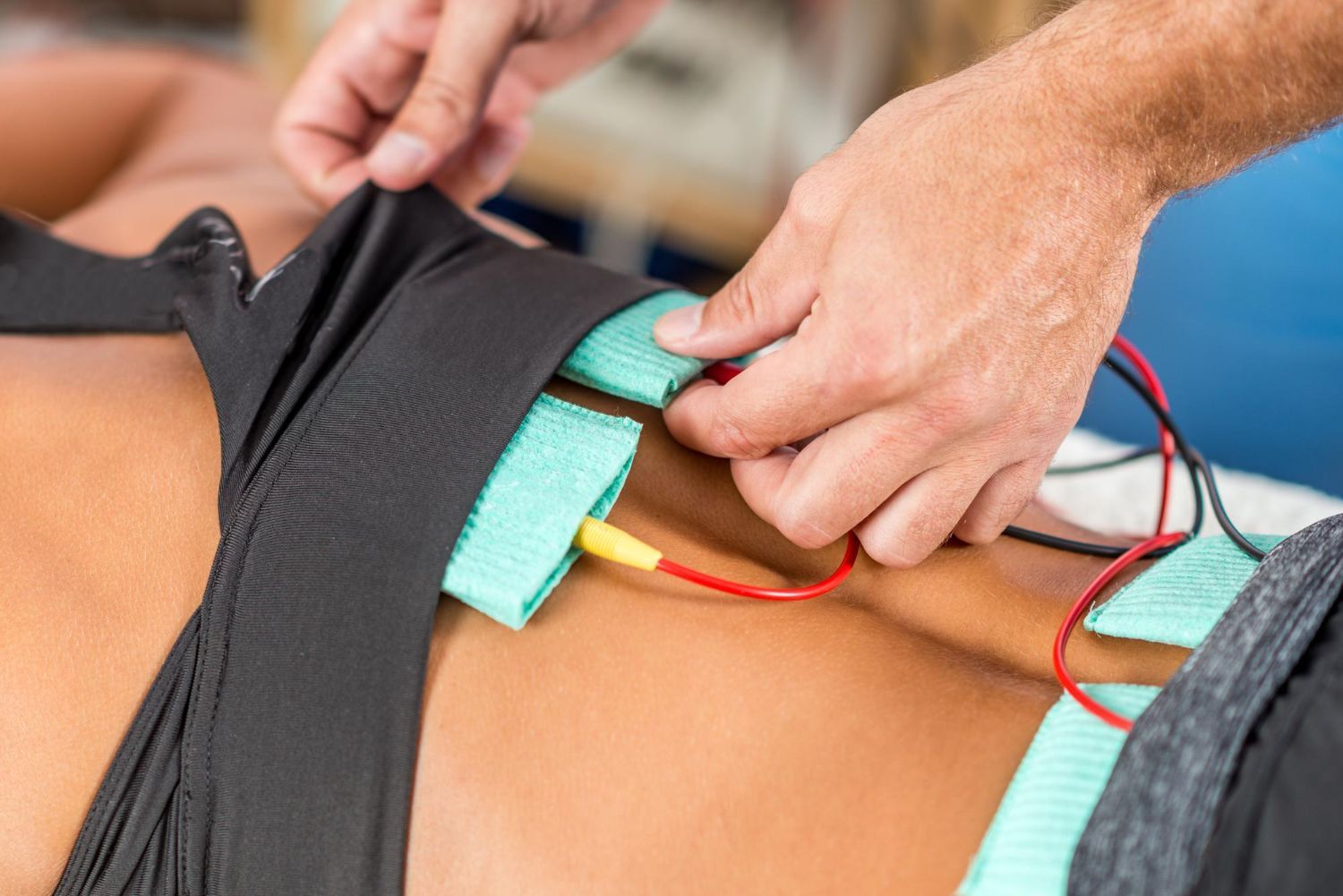
Effective Pain Relief After Auto Accidents
Auto accidents can lead to a wide range of injuries and persistent pain. Whether involving whiplash, back pain, or soft tissue injuries, these incidents often bring unexpected discomfort. It's important to address pain early on to prevent chronic conditions.
Many people might dismiss their pain initially, thinking it will subside with time. However, ignoring these early signs can lead to long-term issues. Quick assessment and appropriate treatment can help manage symptoms and improve recovery outcomes.
Understanding pain management options is crucial in navigating post-accident recovery. From immediate first aid to long-term therapeutic strategies, a well-rounded approach supports healing and quality of life. By learning about these options, individuals can take proactive steps toward a healthier and more comfortable future.
Common Injuries and Pain Sources After Auto Accidents
Auto accidents often result in a variety of injuries that can lead to significant pain and discomfort. Whiplash is one of the most common injuries, occurring when the head and neck are suddenly jolted forward and then backward. This can strain the muscles, ligaments, and tendons in the neck. Additionally, back injuries such as herniated discs and spinal misalignments are frequent, leading to chronic back pain. Soft tissue injuries, including bruises and tears in muscles and ligaments, contribute to ongoing discomfort as well.
These injuries disrupt normal body functions, causing pain, reduced mobility, and stiffness. For instance, a herniated disc may compress nerves, resulting in sharp, radiating pain down the arms or legs. Soft tissue damage can restrict movement and cause swelling, making everyday activities challenging.
Diagnosing these injuries early is crucial for effective management and recovery. Without prompt intervention, what starts as acute pain can develop into chronic conditions that are harder to treat over time. Early diagnosis allows healthcare professionals to create effective treatment plans, minimizing long-term effects and facilitating quicker recovery. It also helps patients understand their injuries better, empowering them to make informed decisions about their care.
Immediate Steps for Pain Management
Immediately addressing pain after an auto accident is essential. Knowing what to do at the scene can prevent further harm and set the stage for recovery. First aid steps include checking for any serious injuries that require emergency attention and ensuring that those injured are safe from further danger.
Here are some crucial first steps:
- Apply Ice:
Use ice packs on painful areas to reduce swelling and numb pain.
- Rest: Limit movement to prevent aggravating injuries.
- Elevate: If possible, elevate injured areas to reduce swelling.
Understanding when to seek medical help is vital. If you experience severe pain, dizziness, or difficulty moving, see a healthcare professional promptly. Some injuries, like concussions or internal damage, might not show signs immediately but can pose serious health risks if untreated.
Initial treatment strategies focus on minimizing pain and promoting healing. Pain relievers, such as acetaminophen or ibuprofen, can help manage discomfort. Nonsteroidal anti-inflammatory drugs (NSAIDs) are useful for reducing inflammation. However, check with a healthcare provider before starting any medication. Together, these strategies help stabilize the condition, making it easier to pursue further treatments and interventions.
Long-term Pain Relief Strategies
Recovering from auto accident injuries often requires long-term strategies to manage persistent pain. Physical therapy plays a vital role in this process. Therapists create customized exercise programs to strengthen muscles, enhance flexibility, and restore mobility. These exercises aim to address the root of the pain, ensuring a more robust and comprehensive recovery process.
Medication management is another cornerstone of long-term pain relief. For ongoing discomfort, a doctor might recommend pain relievers or muscle relaxants. Medications help maintain a manageable pain level, allowing patients to participate fully in recovery activities like physical therapy. It's important to consult healthcare providers regularly to adjust medications as needed.
Regenerative medicine offers innovative options for long-term relief. Treatments such as Platelet-Rich Plasma (PRP) use the body's natural healing properties to repair damaged tissues. PRP involves concentrating platelets from the patient’s blood and injecting them into the injury site, promoting healing and reducing pain. This approach can enhance recovery without heavy reliance on pain medication, making it an attractive option for those seeking holistic recovery paths.
Integrating Interventional Pain Management Techniques
For those dealing with severe or chronic pain after an auto accident, interventional pain management techniques can provide significant relief. These techniques include nerve blocks and corticosteroid injections, which target specific areas of the body to reduce inflammation and ease pain.
Nerve blocks involve injecting medication directly around a nerve or group of nerves to block pain signals. This method provides immediate relief and is particularly effective in managing pain from injured nerves. Corticosteroid injections, on the other hand, focus on reducing swelling and treating inflammation in joints or soft tissues, which can drastically reduce pain and improve range of motion.
A personalized care plan is critical for these techniques to be successful. Personalized plans consider the specific nature of the injury, lifestyle factors, and individual patient goals. Working closely with pain management specialists ensures that treatments are appropriately tailored, optimizing recovery and allowing patients to return to daily activities with minimal discomfort.
Conclusion
Auto accidents can bring unexpected and long-lasting pain. Addressing this pain through a combination of immediate actions, personalized long-term strategies, and innovative pain management techniques is crucial. Early intervention with first aid and timely medical advice can prevent minor injuries from becoming significant issues. Physical therapy, medication, and regenerative medicine combine to support recovery over the long term, helping patients regain function and comfort.
Interventional techniques like nerve blocks and injections offer targeted relief, reducing pain and enhancing the body's ability to heal. Each strategy plays a part in creating a comprehensive recovery plan. Personalized care plans ensure that the approach suits the unique needs of each patient, maximizing effectiveness and helping individuals regain control over their lives.
If you're suffering from lingering pain after an auto accident, it’s time to explore your options with the experts. Apollo Spine and Pain Center provides a range of tailored
pain management intervention options to suit your needs. With our holistic approach to pain management, you can move toward a future with less pain. Contact Apollo Spine and Pain Center today to begin your journey to recovery and rediscover a life of comfort and activity.