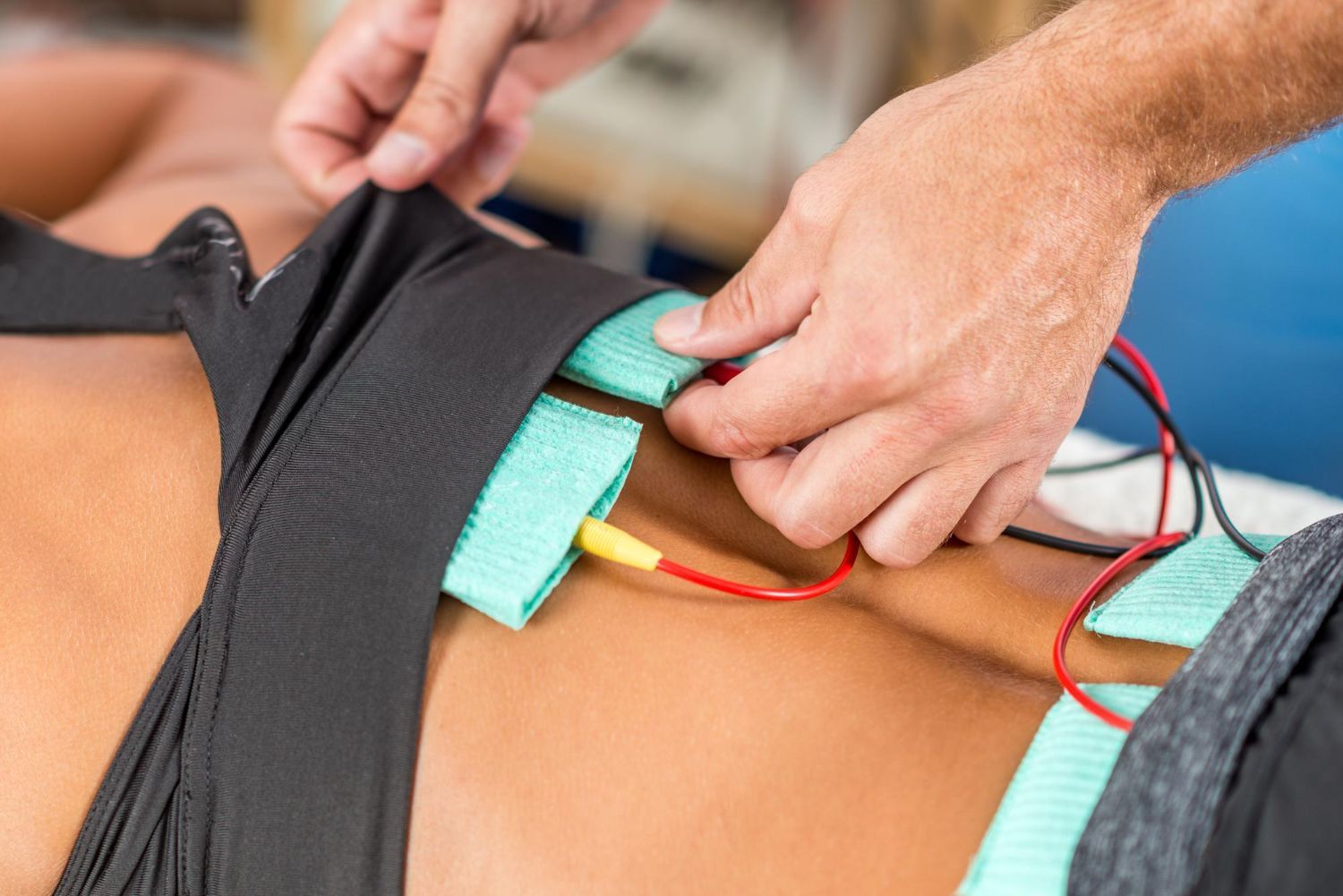
Alleviating SI Joint Pain
Sacroiliac (SI) joint pain is a common yet often overlooked source of lower back discomfort. It stems from the SI joints, which connect your spine to your pelvis. These joints play a crucial role in supporting your weight and ensuring smooth movement. When inflamed or misaligned, they can cause significant pain, affecting your ability to move freely.
Many factors contribute to SI joint pain, including injury, arthritis, pregnancy, and even prolonged sitting. The pain often mimics other conditions, making it challenging to diagnose without professional assessment. Early recognition of symptoms is key to managing discomfort effectively.
Addressing SI joint pain is essential for maintaining an active and healthy lifestyle. By understanding its causes and seeking appropriate treatment, you can regain control over your movements. Exploring a combination of diagnostic methods and tailored treatments can significantly enhance your quality of life and alleviate the burden of chronic pain.
Understanding SI Joint Pain
The sacroiliac (SI) joint connects the spine to the pelvis. It plays an essential role in bearing the upper body's weight and allowing smooth movement as you walk, run, or stand. This joint, like any other in the body, can become a source of pain if it gets inflamed or misaligned.
There are several common causes of SI joint pain. Injuries from falls, car accidents, or prolonged periods of sitting can strain the joint. Arthritis, particularly in older adults, can also lead to degeneration of the SI joint. Pregnancy is another factor, as hormonal changes loosen ligaments and increase joint stress, leading to pain. Risk factors include obesity, an inactive lifestyle, and repetitive stress through certain activities or sports.
Symptoms of SI joint pain often include a sharp, stabbing pain in the lower back near the joint. It might radiate to the buttocks, hips, or groin and can make sitting or standing for long periods uncomfortable. Some people also experience stiffness and reduced range of motion, making everyday tasks difficult. Recognizing these signs early is important for seeking timely treatment and preventing further damage.
Diagnostic Approaches to Identifying SI Joint Issues
Diagnosing SI joint pain accurately is crucial for effective treatment. Healthcare professionals use a variety of methods to pinpoint the issue and rule out other conditions. The process usually starts with a comprehensive clinical assessment, where the doctor examines the patient's medical history and discusses symptoms.
Physical exams are key in diagnosis, helping to identify pain triggers. During these exams, doctors may perform specific movements or use pressure to locate the source of the pain. These activities help to establish whether the SI joint is the cause of discomfort.
Imaging technologies play an important role in confirming the diagnosis. X-rays, MRIs, and CT scans can provide detailed images of the joint and reveal structural issues or inflammation. These tests can also help differentiate SI joint disorders from other similar problems, such as herniated discs or sciatica, through a process known as differential diagnosis.
A thorough diagnosis enables the creation of a targeted treatment plan. By using a combination of assessments and imaging, healthcare providers can ensure patients receive the most appropriate and effective care.
Non-Surgical Treatment Options for SI Joint Pain
For many people, managing SI joint pain starts with non-surgical treatments that can provide significant relief. Medications are often used to help alleviate pain. Over-the-counter pain relievers, such as ibuprofen and acetaminophen, may reduce inflammation and discomfort. If those aren't effective, doctors might prescribe stronger medications or muscle relaxants.
Physical therapy is another key part of treating SI joint pain. Physical therapists design exercise routines that strengthen the muscles around the joint, improve flexibility, and increase stability. These exercises aim to reduce pain and prevent future issues by supporting the SI joint properly.
Lifestyle changes significantly impact the effectiveness of treatment. Maintaining a healthy weight reduces stress on the joints. Regular low-impact activities, such as swimming or walking, help keep the body active without putting excessive strain on the joints. Proper posture and techniques when lifting or bending can also help prevent further damage.
Interventional procedures, such as joint injections, offer targeted pain relief. Doctors may use corticosteroid injections to reduce inflammation directly in the joint area. These procedures are minimally invasive and can provide relief for weeks or months, allowing patients to more actively participate in rehabilitation exercises and daily activities.
Advanced Interventions and Long-term Management
When non-surgical treatments aren't enough, advanced interventions provide additional options for managing SI joint pain. Minimally invasive surgical procedures, like SI joint fusion, may be recommended in severe cases. This approach stabilizes the joint by permanently joining the bones, thus reducing pain.
Regenerative medicine offers promising new methods for pain management. Techniques such as platelet-rich plasma (PRP) therapy use the body's own healing processes to repair damaged tissues. These treatments aim to improve joint function and reduce pain over time, offering a natural alternative to more traditional approaches.
Managing chronic SI joint pain also involves creating a sustainable long-term strategy. This includes regular monitoring of symptoms, ongoing physical activity, and continued lifestyle adjustments. Education about proper body mechanics can help individuals avoid actions that might exacerbate their condition.
Staying informed about new treatments and working closely with healthcare providers ensures that management plans remain effective and can be adjusted as necessary. This collaborative approach helps maximize pain relief and improves quality of life.
Conclusion
Alleviating SI joint pain requires a comprehensive approach that addresses both immediate symptoms and long-term health. With the right combination of non-surgical treatments, advanced interventions, and lifestyle adjustments, individuals can experience significant relief and prevent future complications. SI joint pain doesn't have to dictate your life. By actively managing your condition, working with healthcare professionals, and staying informed about new treatments, you can regain control and enjoy an active, pain-free life.
Our team at Apollo Spine and Pain Center is dedicated to helping you find effective solutions for your SI joint pain. We offer a range of treatments, from medication and physical therapy to advanced interventions and regenerative medicine. If you're ready to take the next step toward a pain-free life and explore your options for
pain management in Cumming, GA, contact Apollo Spine and Pain Center today. Let us help you achieve comfort and improve your quality of life.