Does Pain After a Car Crash Mean Serious Injury?
Feeling pain after a car crash can be alarming. It's a time when your mind races with questions and worries, as you're left wondering if something serious might be wrong. Whether it's a sudden jolt to the neck, tingling sensations down your spine, or throbbing aches in any part of your body, these signals can raise concerns about potential injuries. For many, the experience is not just physically uncomfortable but also mentally taxing, as you're left to grapple with understanding what these sensations mean.
Understanding the nature of post-accident pain can help alleviate some of these worries. When you have the right information, it becomes easier to decide what steps to take next. While not all pain after an accident indicates a serious injury, recognizing the signs can guide you in finding the best path toward healing and recovery. By focusing on common injuries and symptoms, you'll be well-equipped to handle the aftermath of a crash with more clarity and confidence.
Common Injuries from Car Crashes
Car accidents can result in a variety of injuries, some of which may not be immediately noticeable. The sudden impact can lead to whiplash, a common condition that occurs when the neck experiences a rapid back-and-forth movement. This often results in pain and stiffness, sometimes days after the collision. In more severe cases, there might be fractures, primarily in areas like the ribs, arms, or legs, depending on the angle and force of the impact.
Another condition to watch for is concussions, which happen when the head takes a hard hit or a sudden jolt. You may not always notice symptoms right away, as they can develop over time. Apart from these, soft tissue injuries like strains and sprains can occur, leading to discomfort in muscles and tendons.
Recognizing these injuries early helps in getting the right treatment and preventing further complications. It's essential to monitor your body closely after an accident, even if you initially feel fine. Understanding that injuries aren't always apparent straight away can be crucial in managing your health effectively.
Symptoms to Watch For
After an accident, certain symptoms can indicate serious issues, and recognizing them is key to ensuring proper care. One red flag is severe or persistent pain that doesn’t seem to improve over a few days. This could be an indicator of a more significant injury like a fracture or deep tissue damage that needs medical attention.
Look out for other symptoms like dizziness, blurred vision, or persistent headaches, which could mark a concussion. Tingling or numbness, particularly in the arms or legs, might suggest nerve damage or a spinal injury. These sensations, even if they seem mild at first, shouldn’t be ignored.
Here’s what you should monitor in the days following a crash:
- Consistent or intensifying pain
- Dizziness or difficulty focusing
- Numbness or tingling in extremities
- Swelling or bruising that worsens over time
Being aware of these symptoms and taking them seriously can prevent minor problems from escalating into major health concerns. It’s wise to consult a healthcare professional if you notice these warning signs, ensuring you get the necessary care and treatment.
When to Seek Medical Help
Knowing when to see a doctor after a car accident can make a big difference in your recovery. If you're feeling any symptoms such as those previously mentioned, it's wise to get checked out by a healthcare professional. Even if you think a symptom is minor, it's better to be safe than sorry. Small issues can sometimes turn into bigger ones if left untreated.
You should especially consider seeking medical care if:
- Pain persists or worsens instead of getting better
- You experience new symptoms that weren't present immediately after the accident
- You have trouble performing everyday tasks or moving around as you normally would
- You're experiencing significant emotional distress that affects your day-to-day life
Visiting a specialist in car accident pain management may provide targeted care designed to address these specific types of injuries. These professionals can help assess what's happening in your body and offer treatment plans tailored to your needs, ensuring a better recovery journey.
Treatment Options
There are several treatment options available that can help manage pain after a car accident. The right approach depends on the type and severity of your injuries, as well as your overall health.
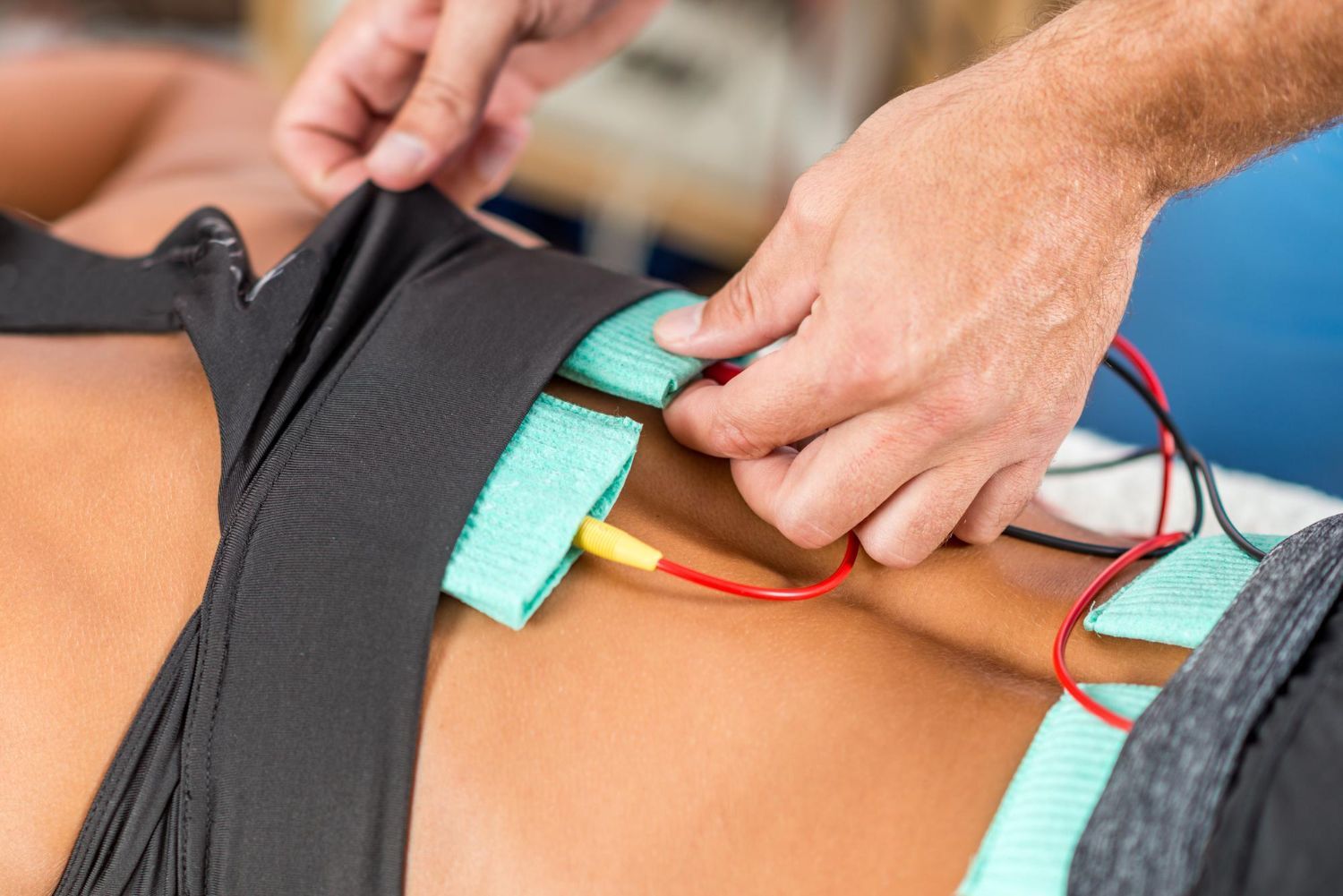
1. Physical Therapy: This is a common approach to recover strength and flexibility. It involves exercises tailored to regain movement and reduce pain.
2. Medication: Depending on your condition, over-the-counter pain relievers or prescription medications may be recommended to manage pain effectively.
3. Interventional Pain Management: For persistent pain, this might involve injections that target specific areas to relieve discomfort. A specialist might recommend other techniques if basic treatments don’t provide enough relief.
These options are often used together to create a comprehensive plan that addresses different aspects of pain and promotes healing. Working closely with healthcare providers allows for adjustments in treatment as you progress.
Regaining Quality of Life
Getting back to your regular activities and enjoying everyday life is the main goal after injury. To make progress, it's important to follow the guidance of your healthcare team and keep a positive mindset.
Taking care of the basics like rest, hydration, and nutrition can speed up the healing process. Light activity, once cleared by your doctor, can also help improve circulation and reduce stiffness.
Maintaining a positive outlook and setting realistic goals can motivate you on tough days. Remember, recovery isn't just about the physical side; your mental well-being matters too. Be patient with yourself and focus on small victories along the way.
Finding the Right Help in Cumming, GA
Living with pain after an accident doesn’t have to be your new normal. If you're in the Cumming, GA area, seeking professional help for managing your pain is crucial to reclaiming your life. Specialized clinics can offer support and treatment tailored to your specific needs.
Professionals in pain management understand the complexities of car accident injuries. They can provide informed guidance and personalized care to help you on your journey to wellness. Being proactive and reaching out for the right help increases your chances of a successful recovery, allowing you to put the accident behind you and move forward with greater comfort and confidence.
If you're experiencing ongoing discomfort after an accident, understanding the options for car accident pain management can lead to a smoother recovery. The health professionals at Apollo Spine and Pain Center are ready to provide support tailored to your needs. Learn more about how their expertise can guide you through the healing process and help you regain your quality of life after an auto accident by visiting
car accident pain management.