What Pain Management Doctors Do After the First Appointment
For anyone visiting a chronic pain management doctor for the first time, it’s common to leave with a mix of hope and uncertainty. You finally got to speak with someone who understands what you're going through, shared your story, and maybe had a few tests done. But what happens next? That’s the part many people aren’t prepared for.
In Cumming, GA and Jasper, GA, we see patients all the time who have made it through the first appointment and find themselves waiting to figure out what comes after. Pain doesn't just disappear after one visit. The care that follows often matters just as much as the first meeting, especially when it comes to long-term comfort and improving everyday function.
How the First Appointment Lays the Groundwork
Your first appointment is mostly about learning, both for you and for us. It’s when we begin connecting the dots between your story and your symptoms.
- We usually start by listening. How long has the pain been going on? What makes it worse? Is there something that helps, even a little?
- We’ll often go over any test results you’ve had before. That might include scans, lab work, or notes from other providers. Sometimes we request new tests, but only when needed.
- A gentle physical exam can help. We might check how joints or muscles move, feel for swelling, or test reflexes.
This first meeting may not provide immediate relief, but it helps us start thinking about what’s really behind the pain. That’s a big part of figuring out what needs to happen next. From there, we can begin shaping a care plan that fits your life, not just a single diagnosis.
Your provider wants to get a good sense of your typical routine and your overall health. Understanding when pain first appeared or changed can be important in keeping your plan as accurate as possible. During this appointment, it’s also a good time to discuss your comfort with certain treatments or to share if you’ve had problems with any past therapies. These details help build a foundation for a plan that will feel manageable for you, not forced.
Building a Personalized Plan After the First Visit
There’s no one-size-fits-all approach when it comes to pain care. After the first visit, we spend time creating a treatment plan that fits your body, your type of pain, and how you live.
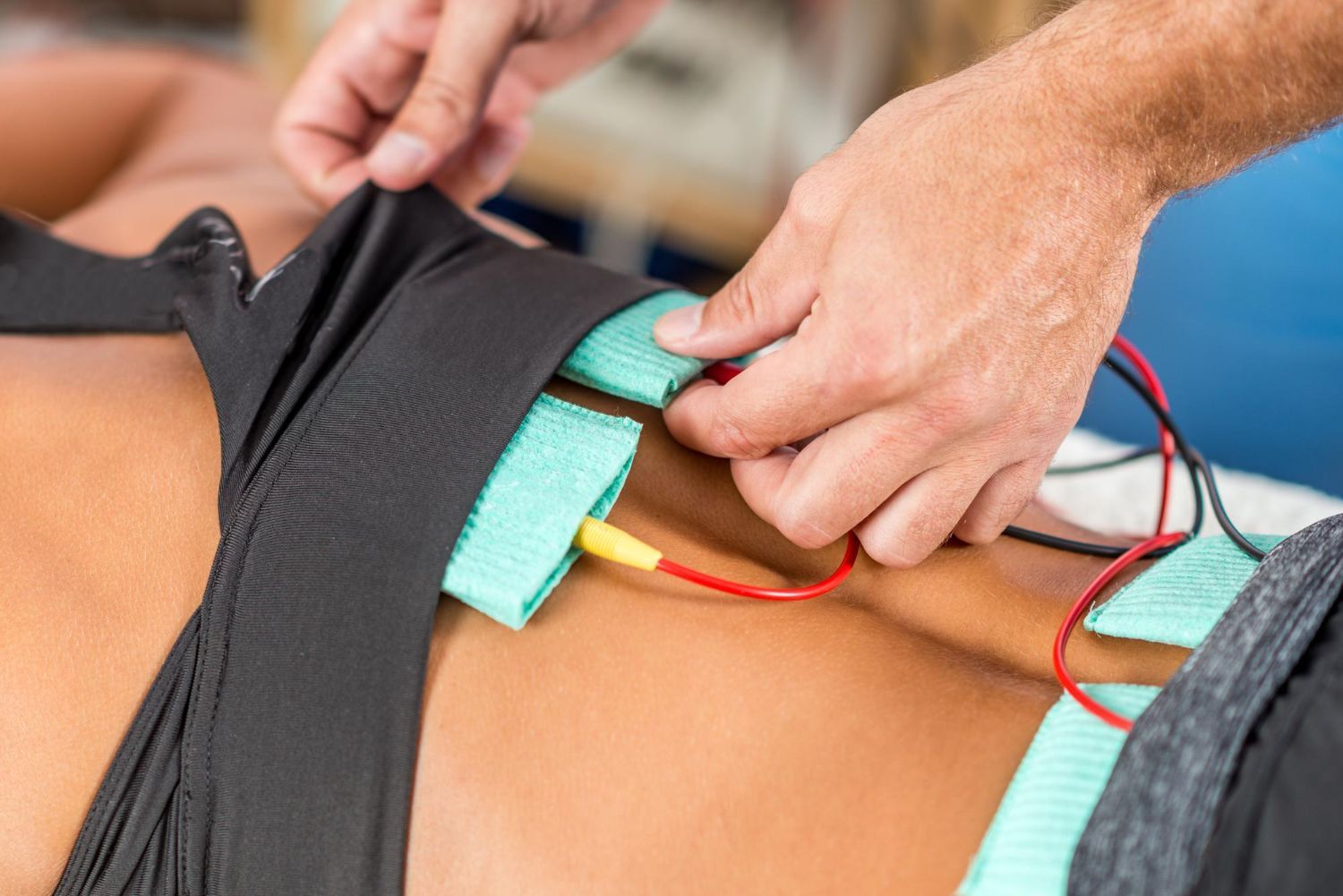
- Some care plans may include physical therapy to improve strength and movement.
- For others, targeted injections can calm irritated nerves or joints without heavy medication.
- Medication management is something we take seriously. That might mean adjusting current prescriptions or trying non-addictive options.
- We may also recommend certain follow-up tests if the cause of the pain still isn’t fully clear.
This step is all about mapping out the first few weeks to months of care, keeping in mind your personal schedule and energy levels. A plan like this can include work at home, physical therapy options nearby, or custom pain relief techniques that do not rely on just one kind of medication. If supportive equipment is needed, like braces or special pillows, this is usually discussed soon after your first visit.
Apollo Spine and Pain Center provides advanced diagnostic imaging, interventional spinal procedures, and ongoing medication management, all from our locations in Cumming, GA and Jasper, GA. Our board-certified doctors collaborate with each patient to develop personalized care and follow-up after the first appointment.
The goal is not just to treat the pain for a week or two. Chronic pain usually needs care that works in layers. That means starting with one step, watching how it works, then adding or adjusting as needed. It’s more like building a path than flipping a switch.
How Monitoring and Adjustments Happen
Follow-up visits aren’t just about checking a box. They’re a key part of the process. Pain can change week to week, especially with the kind of heat and humidity we see during North Georgia summers. That change needs to be tracked, not ignored.
- At each visit, we talk through how things are going, not just the pain level but how you’re moving, sleeping, working, or simply getting around.
- If a treatment helped, we may repeat it or deepen its effect. If there were side effects, we adjust.
- Changes in weather, activity levels, or even stress can have an impact. We take those shifts seriously.
We understand that patients’ lives are filled with family responsibilities, work, and local events. Being mindful of how these things influence pain helps us adjust your plan, so you can still participate as much as possible in your normal activities.
We’re not just treating pain, we’re working to improve how your body handles movement and daily life. That means tweaking the plan when needed and staying open to what works best for you.
When a Chronic Pain Management Doctor Changes the Approach
Sometimes, the original plan doesn’t lead where we expected. That’s okay. Pain patterns can shift, and treatments that help one person might not make a difference for someone else.
- If a treatment doesn’t improve your pain after a fair try, we may look at other options.
- Certain nerves or joints might need a more advanced type of therapy to respond.
- We may decide to take a break from some treatments and try new ones that focus deeper into the nerve system.
This kind of flexibility is especially important when managing chronic pain. The goal is not to stick with something just because we started it. It’s to keep looking for better answers, one step at a time, as your situation changes.
Changing up a plan can feel disappointing, but it’s just part of the process. Sometimes we need to keep looking for the right mix of treatments that work with your specific pain triggers and activity levels. Communication is always encouraged, so you can let us know what you’re comfortable trying and what you’d like to avoid.
Why Location Matters for Ongoing Pain Care
Where you live can play a big role in how easy it is to manage your pain well. In places like Cumming, GA and Jasper, GA, getting regular care without a long drive makes day-to-day treatment easier to keep up with.
- Being close to your provider means more consistent follow-up care. You’re less likely to skip visits or delay treatment when things flare up.
- Local access allows us to address issues in real time. That can be important with weather-related swelling or sudden pain changes.
- Summer months in North Georgia can bring extra challenges like joint inflammation, longer daylight activity, or heat-related sleep troubles. Being nearby speeds up adjustments when needed.
Being able to get in quickly for adjustments or advice means you won’t have to wait through days of discomfort. Sometimes local clinics know more about the unique seasonal patterns and activity routines found in the area, making them even more effective at adjusting care on short notice. This proximity becomes especially meaningful when unpredictable shifts in pain flare up, and addressing those fast can help improve results long-term.
We always aim to build plans that respect your time and energy. Local care helps us stay on track without adding stress to your week.
Making Progress Over Time
Pain care doesn’t stop after the first visit. It shifts, grows, and adjusts based on how your body responds. Each visit gives us more information, helping us know which treatments are working and which direction to aim next.
It’s not always about fast changes. Most of the time, steady progress makes the biggest difference. With help from a chronic pain management doctor, you have someone who sees that bigger picture and walks with you through the changes. Over time, small changes can lead to better movement, better sleep, and fewer tough days. That kind of progress doesn’t always show up quickly, but it adds up.
At Apollo Spine and Pain Center, we understand how steady care matters when managing ongoing pain. Whether you live in Cumming, GA or Jasper, GA, having consistent support close by can help you stay motivated throughout your treatment. Every plan is most effective with reliable follow-up, which is why partnering with a
chronic pain management doctor you trust truly matters. When you need guidance on your next steps after your first visit, we’re here to help, call us to schedule your appointment.