Regenerative Medicine: Relieving Diabetic Neuropathy Pain
Diabetic Neuropathy is an all-too-common complication of diabetes, affecting approximately 50% of those living with the chronic condition. This nerve damage can manifest as a range of symptoms, including numbness, tingling, and weakness in the extremities, as well as the malady most patients find the most difficult to cope with: chronic pain. Individuals with Diabetic Neuropathy may experience pain ranging from mild yet nagging discomfort to severe, incapacitating anguish. The severity and persistence of this pain can take a significant toll on a person's quality of life, limiting their ability to perform daily activities, maintain healthy relationships, and enjoy their favorite pursuits.
At our pain management clinic, we understand the devastating impact that Diabetic Neuropathy pain can have on our patients' lives. It is our commitment to addressing this debilitating pain through clinically proven, state-of-the-art treatment modalities. One such innovative therapy at the forefront of our comprehensive pain management approach is regenerative medicine – specifically, Platelet-Rich Plasma (PRP) therapy. Grounded in cutting-edge medical research, PRP therapy harnesses the body's innate healing capabilities to promote tissue regeneration, alleviate pain, and help patients achieve lasting relief from Diabetic Neuropathy discomfort.
As leaders in the field of interventional pain management, we understand that each patient's experience with Diabetic Neuropathy is unique, necessitating a personalized treatment plan tailored to their distinct needs. Our dedicated team of pain management specialists is eager to support you as you take charge of your Diabetic Neuropathy pain, embarking on a journey towards improved well-being and enhanced quality of life.
Diabetic Neuropathy: Causes, Symptoms, and Impacts on Daily Life
Diabetic neuropathy results from nerve damage caused by prolonged high blood sugar levels. There are different types of diabetic neuropathy, with peripheral neuropathy being the most prevalent. This type primarily affects the feet and legs, and sometimes hands and arms. Diabetic Neuropathy's common symptoms include:
1. Numbness or reduced sensation in affected areas
2. A tingling or burning sensation
3. Sharp pain or persistent throbbing
4. Weakness and muscle atrophy
5. Loss of reflexes, balance, and coordination
The associated pain, numbness, and weakness can significantly affect daily life, interfering with work, sleep, social interactions, and the ability to enjoy activities one used to cherish.
Understanding Regenerative Medicine and Platelet-Rich Plasma (PRP) Therapy
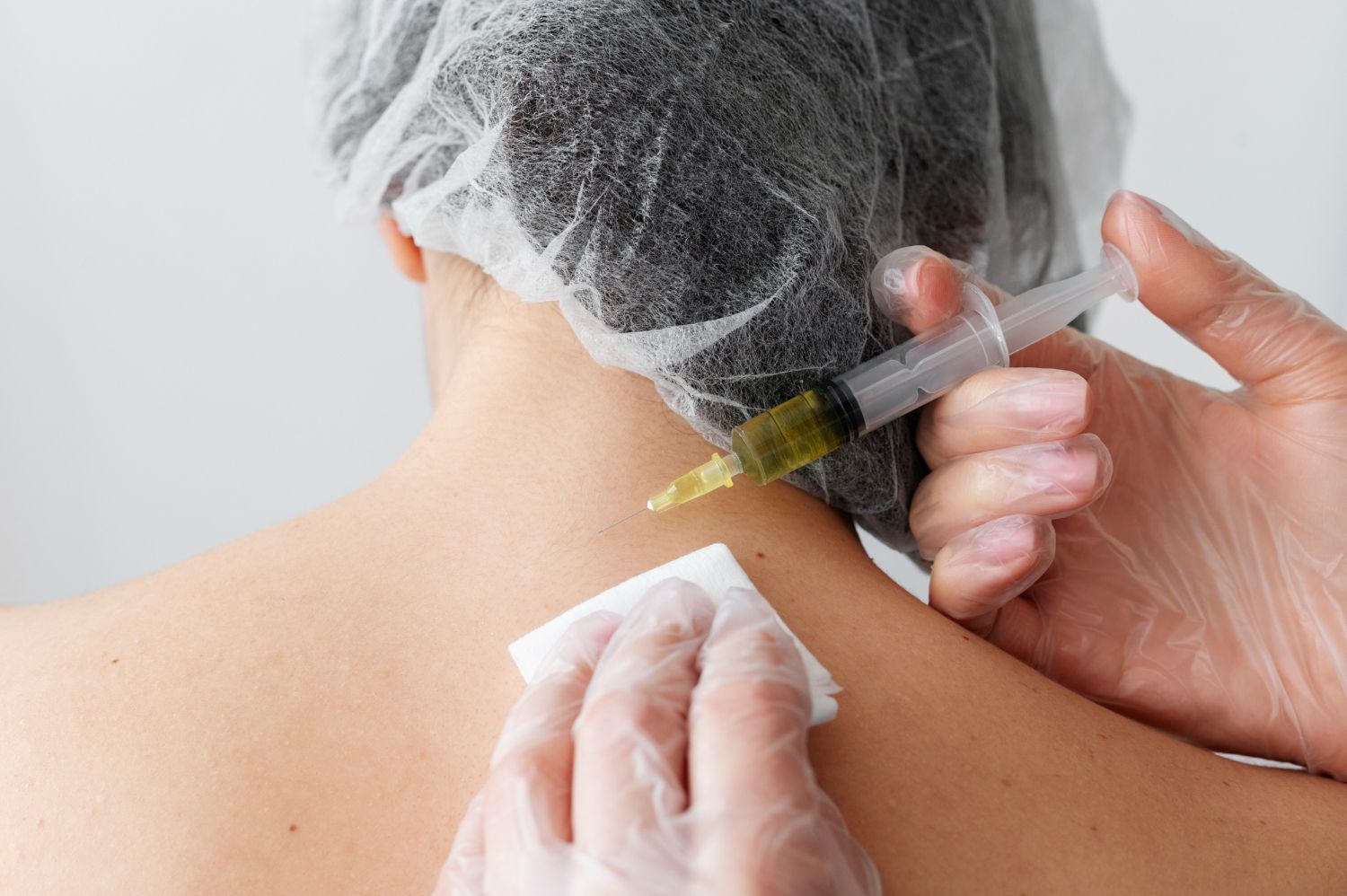
Regenerative medicine focuses on harnessing the body's natural healing mechanisms to repair tissue damage and alleviate pain. Platelet-Rich Plasma (PRP) therapy is a promising regenerative medicine technique wherein a patient's blood platelets are concentrated and injected into the damaged area to enhance tissue regeneration and healing. Platelets are rich in growth factors and proteins that stimulate cell growth, promote angiogenesis (formation of new blood vessels), and reduce inflammation.
The Benefits of PRP Therapy for Diabetic Neuropathy
PRP therapy holds significant potential for alleviating Diabetic Neuropathy pain and fostering tissue regeneration. Some compelling benefits of PRP therapy for Diabetic Neuropathy include:
1. Minimally invasive: Unlike surgical interventions, PRP therapy is non-surgical and minimally invasive, with a reduced risk of complications and faster recovery times.
2. Self-derived healing: PRP therapy uses the patient's blood, eliminating concerns of allergic reactions or disease transmission.
3. Pain relief: PRP therapy has proven to be effective in reducing pain and inflammation associated with Diabetic Neuropathy, providing lasting relief for many patients.
4. Tissue regeneration: The growth factors and proteins in PRP contribute to nerve and blood vessel regeneration, potentially slowing down or reversing the progression of Diabetic Neuropathy.
5. Enhanced quality of life: By reducing pain and enhancing nerve function, PRP therapy can greatly improve patients' overall well-being, allowing them to enjoy a more active and fulfilling lifestyle.
Integrating PRP Therapy with Holistic Approaches for Comprehensive Diabetic Neuropathy Management
At our clinic, we believe in approaching Diabetic Neuropathy pain management from a comprehensive, holistic standpoint, integrating various treatment modalities, including PRP therapy, medication management, and lifestyle interventions. Some examples of complementary approaches include:
1. Glycemic control: Optimal diabetes management, focusing on blood sugar control, can help prevent the progression of Diabetic Neuropathy and reduce pain.
2. Medication management: Depending on the individual's pain levels and requirements, medications like anti-seizure drugs, antidepressants, or pain relievers may be used judiciously to provide additional relief.
3. Physical therapy and gentle exercise: Strengthening exercises and stretches prescribed by a physical therapist can improve muscle function, balance, and mitigate pain.
4. Nutritional counseling: Diet plays a crucial role in managing diabetes and neuropathic pain; working with a nutritionist can ensure optimal nutrition and assist with weight management.
5. Stress management and psychological support: Stress and emotional health can significantly affect neuropathic pain; employing stress reduction techniques like meditation, relaxation exercises, or consulting with a psychologist or counselor can provide valuable support.
Manage Your Diabetic Neuropathy Pain with Expert Care and Innovative Treatments
Diabetic Neuropathy pain can be a debilitating and frustrating experience. However, with the advent of regenerative medicine and a comprehensive, individualized approach, hope is within reach. PRP therapy, combined with holistic interventions, offers a path to improved function and pain relief, helping patients live fuller, more satisfying lives.
Explore Apollo Spine and Pain Center to embark on your journey toward a stronger, healthier, and more pain-free tomorrow. Contact us today to learn more about
pain management in Cumming, GA.