Restorative Spine and Pain Techniques for Flexible Living
Spring is almost here, and in places like Cumming, GA and Jasper, GA, that change in the air tends to get people thinking about moving more. Whether it’s getting back outside, clearing out the garage, or just trying to feel less stuck after the colder months, this season wakes up the body in new ways.
But if your flexibility feels limited or pain keeps showing up during daily movements, that’s not exactly an easy transition. Back and joint discomfort can make even basic tasks feel harder than they should. That’s where restorative spine and pain techniques offer something different. They focus on helping the body move better by working with it, not against it, so you can feel more like yourself without pushing too far.
Building Strength Around Weak Areas
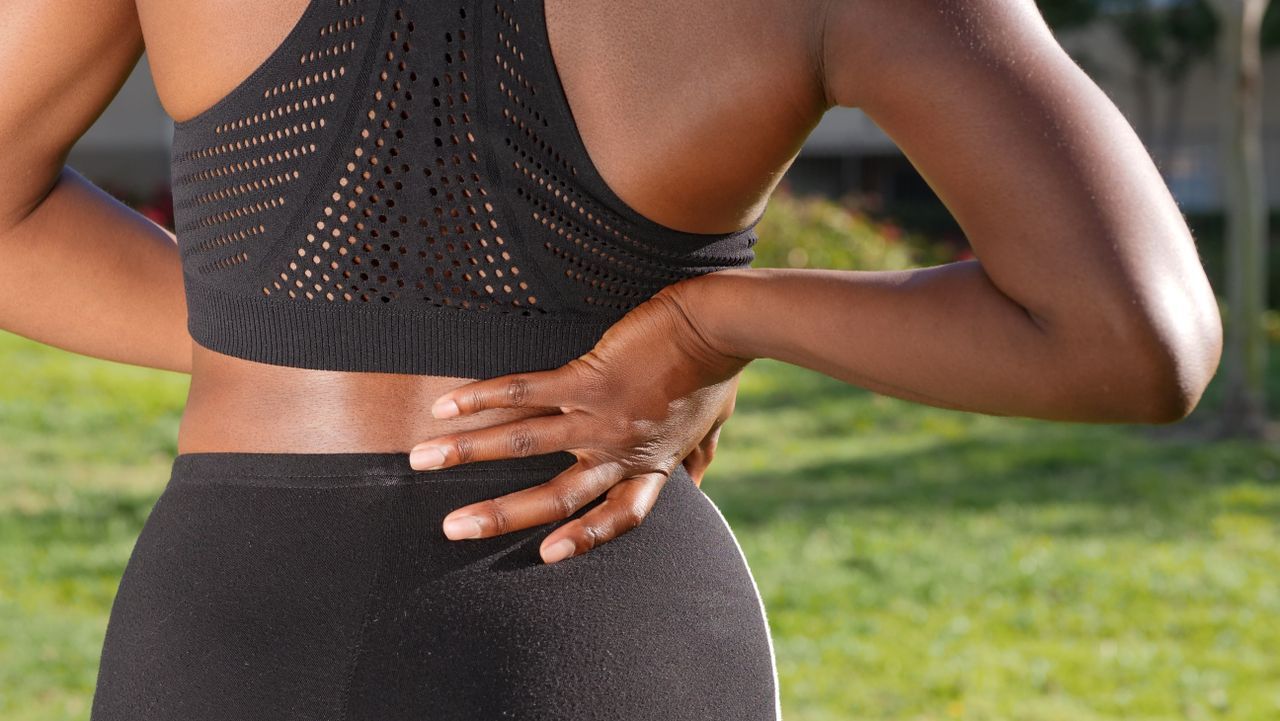
Many people don’t realize how much strain weak areas put on the rest of the body. When the muscles around your lower back, hips, or core aren’t pulling their weight, other areas try to make up for it. That often leads to soreness, tightness, and even injury over time.
The goal isn't to build bulk or hit hard workouts. It’s to gently strengthen where you need it most so your body feels more supported. Pain specialists often recommend slow, guided exercises that support common trouble spots without adding pressure.
- Core work can help take tension off the lower spine
- Gentle resistance exercises improve stability in the hips and knees
- Building endurance in support muscles can reduce fatigue and flare-ups
We also find that as strength improves, so does posture. Standing straighter and sitting with more balance helps reduce daily aches that come from slouching or compensation. Small changes build up to better movement all around.
Finding Relief Through Targeted Movement
When flexibility is a problem, it’s easy to think resting is the answer. But too much rest leaves the body stiff and out of sync, especially in the spine and hips. That’s why focused movement can make such a big difference.
Not all stretching is helpful, and doing too much too fast causes more problems than it solves. Restorative spine and pain routines use low-impact movements chosen for your body’s current needs.
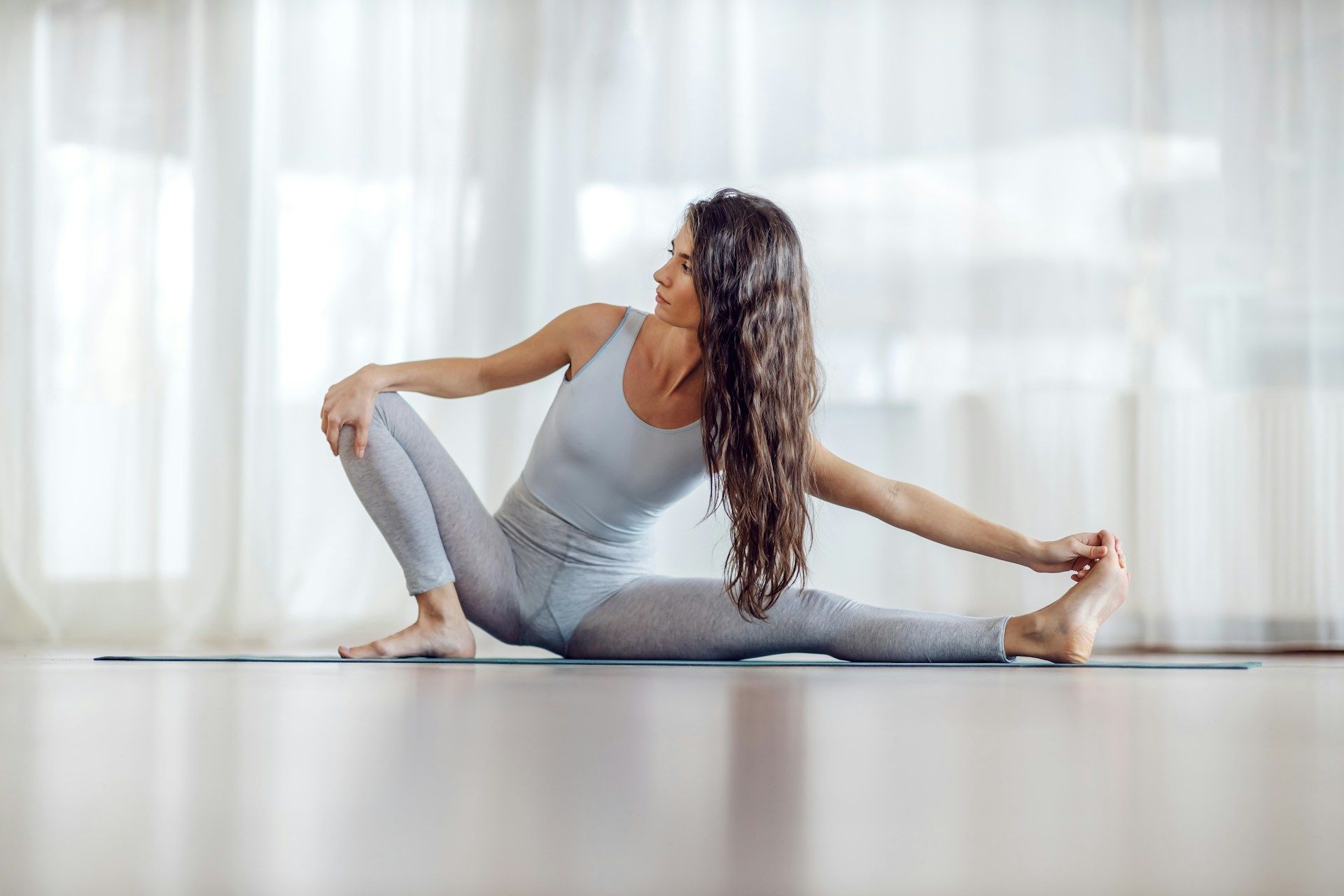
- Guided stretching to loosen stiff muscles without strain
- Simple mobility routines that increase range of motion
- Low-impact options like chair exercises or water-based movement
What matters is keeping things consistent. A few sessions each week can reset how your body responds to movement. Over time, people often notice fewer tight spots and more freedom during everyday tasks like reaching, lifting, or walking.
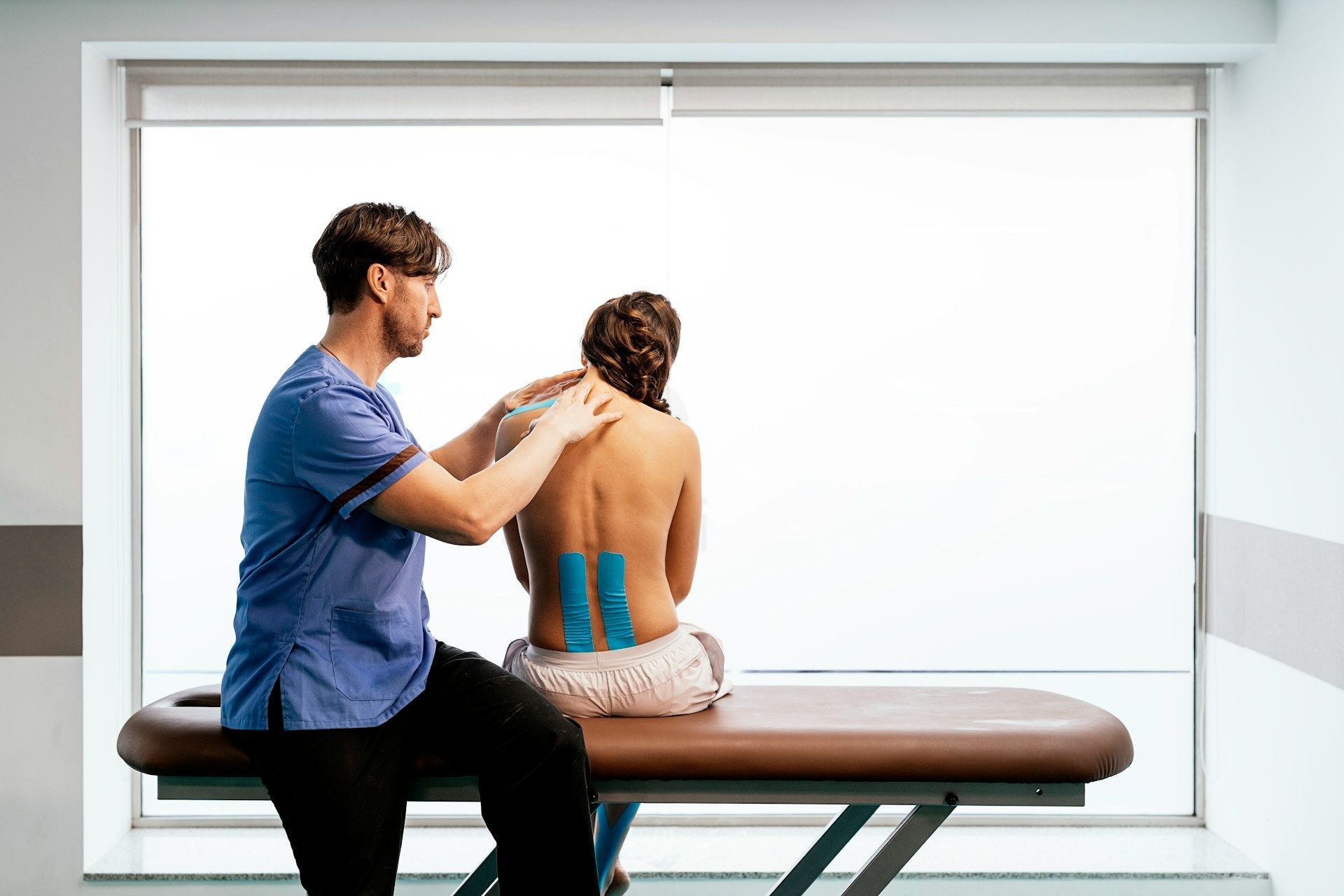
At Apollo Spine and Pain Center, our care plans often integrate one-on-one therapy sessions, image-guided injections, and customized stretching routines for ongoing support. These treatments help address root causes of stiffness and maintain flexibility in your joints and spine as you transition between seasons.
Helping Nerves Calm Down
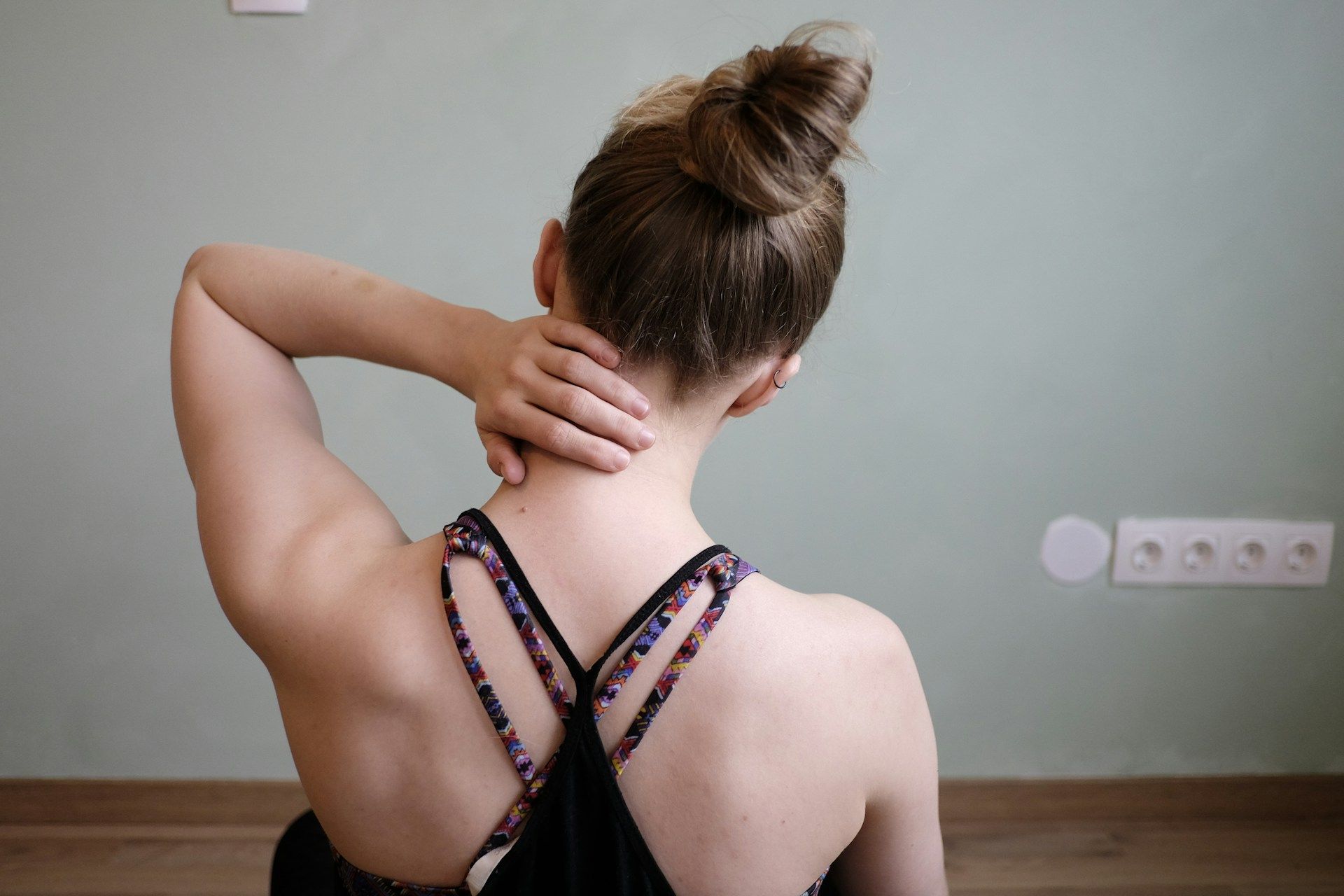
When pain zips through your back, legs, or arms, nerves might be part of the story. Sometimes discomfort doesn't start where you feel it but follows a nerve pathway from the spine. In those cases, treating the surface pain won’t help much long term.
We look for ways to interrupt those nerve signals early. That might mean approaches that quiet irritated nerves or change how those signals move through the body.
- Nerve blocks that reduce sharp, shooting pain for a set period
- Supportive therapies to lower nerve inflammation
- Calming techniques that target overactive nerve responses
These options don’t just block pain, they give nerves space to settle. That’s important because when irritation keeps building, it becomes harder to move without flinching or adjusting your posture. Keeping nerves calm supports smoother movement and better recovery overall.
Apollo Spine and Pain Center uses advanced non-surgical procedures such as radiofrequency ablation and minimally invasive treatments to help calm nerve pain and improve everyday comfort. These services are available to patients across Cumming, GA and Jasper, GA as part of our commitment to sustainable movement.
Adapting to Seasonal Change with Flexibility in Mind
Once the warmer weather hits, people start doing things they haven’t done in months. That spike in movement is great, but it also means fresh stress on muscles that got tight or weak over the winter.
If you’ve been more sedentary in the colder weather, jumping straight into spring cleanups or long walks can wake up old injuries or make stiffness feel worse. That’s why we take a gradual approach to getting active again.
- Watch for returning tension in your back, knees, and shoulders
- Plan around activities that already tend to leave you sore
- Use warmups and cooldowns as part of everyday routines
Making a few small changes in how you move this spring can help avoid painful setbacks. Adapting your body’s routine to match the season helps reduce swelling, soreness, and nerve irritation as you get back into the swing of things.
Recover With Less Frustration This Spring
Restorative spine and pain techniques make daily life feel more manageable. They don't promise instant fixes, but they do make clear progress possible. That means more freedom in your joints, less fear of flare-ups, and a way back to routines that feel more natural.
Small steps matter most. Whether you're folding laundry, working from home, or walking to the mailbox, feeling steady in your body changes your whole outlook. Spring is a smart time to get ahead of pain, especially before activities pick up and outdoor plans return across places like Cumming, GA and Jasper, GA. Addressing those aches now means fewer disruptions and more days that actually feel like yours.
Tight joints, muscle fatigue, or nerve discomfort can make daily routines challenging, especially as you ease back into seasonal activities after a slower winter. At Apollo Spine and Pain Center, we recognize how these changes can affect your comfort and mobility. Whether you’re experiencing persistent tension or simply want to move with less stress, our approach to
restorative spine and pain care can support your everyday life. Reach out to discuss how we can help you feel your best this spring.