Identifying When to See an Interventional Pain Management Specialist
Have you ever felt a persistent ache or pain that just wouldn’t go away? It might have made you consider reaching out to a professional, but not just any doctor — an interventional pain management specialist. These specialists play a key role in assessing and treating various types of pain using techniques tailored specifically for each patient. Instead of simply masking the pain with temporary solutions, they focus on uncovering the underlying causes and providing more permanent relief. This unique approach can greatly improve your quality of life, especially when traditional methods don’t seem to work.
The importance of knowing when to seek help is crucial. Chronic pain can be more than just a nuisance; it can interfere with your daily activities and well-being. Recognizing when it's time to see a specialist can mean the difference between ongoing discomfort and finding a path to relief. With the right guidance, managing pain becomes less of a challenge and more of an achievable goal. It’s about ensuring you’re not just living with pain, but living well beyond it.
Understanding Chronic Pain
Chronic pain is something that a lot of people experience, yet many don’t fully understand. It’s defined as pain that lasts longer than three months, and it can range from mild to severe, affecting different parts of the body. The trouble with chronic pain is that it doesn’t easily go away on its own and can seem to linger without an obvious reason.
There are a few common causes of chronic pain. It might stem from an initial injury, like a sprained back or a serious infection. Sometimes ongoing conditions such as arthritis or diabetes can lead to long-term pain. The tricky part is that chronic pain might continue even after the original injury or illness has healed. This ongoing discomfort happens because pain signals remain active in the nervous system for months or even years.
It’s important not to ignore chronic pain. Here’s why:
- It can affect your mental health, leading to issues like anxiety or depression.
- Ongoing pain may change the way you handle daily tasks, impacting your work or hobbies.
- Leaving it untreated might lead to more severe health problems down the line.
Understanding these aspects can help you be more proactive about your health. Identifying the type of pain you're dealing with is the first step toward finding the right treatment and possibly visiting a specialist to gain some relief.
Signs You Need an Interventional Pain Management Specialist
Identifying when to seek the expertise of an interventional pain management specialist can make a significant difference in managing your condition. One key sign is persistent or worsening pain. If you find that the pain is not improving or is getting worse despite trying different remedies, it's probably time to consult a specialist.
Another indication is when pain starts to interfere with your daily activities and quality of life. You might notice that tasks like climbing stairs, cooking, or simply walking in the park become challenging. When daily routines are disrupted, and you can't enjoy your favorite activities, it's worth considering professional help.
Over-the-counter medications and other treatments sometimes fall short. If they don’t provide relief or you’re constantly reaching for pain meds, it’s a signal to explore more effective solutions. Relying on painkillers can lead to dependency, which is not a road anyone wants to go down. A specialist can offer targeted treatments with better, long-lasting outcomes.
Benefits of Visiting a Specialist
Consulting with a specialist brings several benefits, each tailored to address your specific kind of pain. The first step in their approach is a comprehensive pain assessment that takes a detailed look at your symptoms and history. It understands your unique pain landscape, helping in crafting an effective treatment plan.
Speaking of treatment plans, expect them to be customized. Unlike a one-size-fits-all approach, specialists design treatments based on individual needs. This personalization means treatments are more targeted, addressing the root of the problem rather than just covering up symptoms.
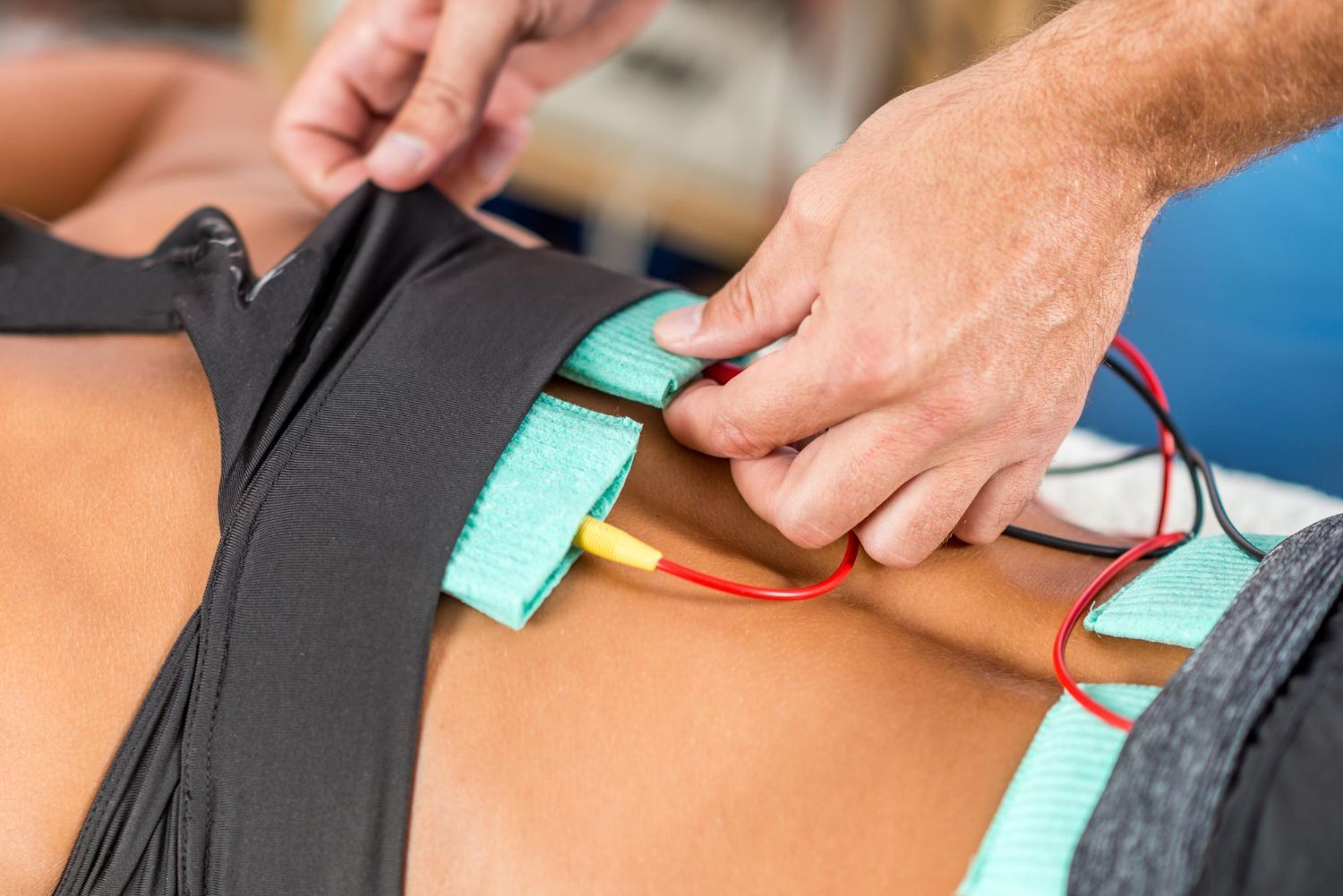
Specialists also employ advanced pain management techniques that may include injections, nerve blocks, or other innovative strategies. These methods not only bring relief but also prevent the pain from returning, which is a massive plus for anyone tired of recurring discomfort.
How to Choose the Right Specialist in Cumming, GA and Jasper, GA
Choosing the right specialist is as important as deciding to see one. Start by looking for qualifications. Ensure that they are certified in interventional pain management. This guarantees that they have the necessary training and knowledge to handle complex cases.
When you meet for a consultation, come prepared with questions. Some good topics to cover include their experience with conditions similar to yours, the types of treatments they recommend, and any follow-up care they offer. Understanding what to expect can help ease any concerns you might have.
A personalized approach is key in pain management. Check if the specialist takes the time to listen and understand your specific needs. It's important that they are willing to work with you to develop a treatment plan that fits your lifestyle and goals, ensuring you get back to doing the things you love without pain.
Take the First Step Toward Relief
Recognizing that you need help is the first step on the path to relief. It's normal to feel hesitant, but taking action now can prevent further complications and provide a significant improvement in your day-to-day life.
Timely intervention not only brings physical relief but can improve your overall well-being. Imagine a life where your main focus isn't about managing pain but enjoying the activities and moments that bring you joy. Taking that first step might be the beginning of a major positive shift in your health journey.
If you're feeling overwhelmed by pain that's disrupting your life, it's time to take action. Visit Apollo Spine and Pain Center to learn more about how an
interventional pain management specialist can provide relief with targeted solutions that address your specific needs. Discover how we can help you regain control and get back to enjoying the activities you love.