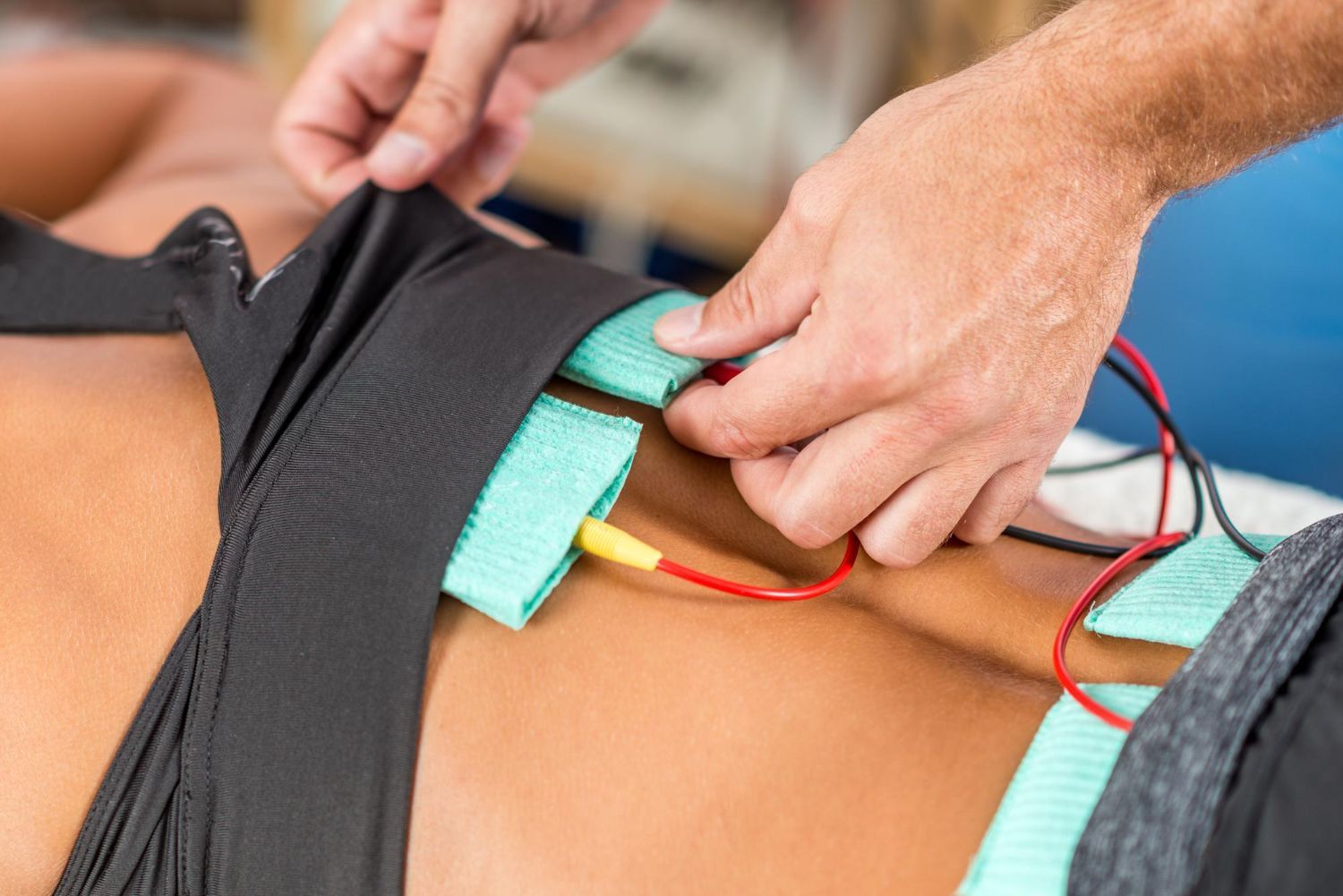
Combining Conventional and Alternative Treatments for a Comprehensive Approach
Chronic pain is a complex and often debilitating condition that affects millions of people worldwide. At Apollo Spine and Pain Center, our team of dedicated pain management specialists understands the intricacies of chronic pain and the need for diverse and personalized treatment options. While conventional pain management treatments, such as injections and pain medications, can provide significant relief for many patients, an integrative approach to pain management that encompasses both conventional and alternative therapies can offer more comprehensive, lasting results.
Integrative pain management combines the best of evidence-based conventional medicine with alternative therapies to provide a holistic approach to pain relief. This multi-dimensional strategy acknowledges the complex nature of pain and focuses on treating the whole person, addressing both the physical and emotional aspects of pain. By combining various therapeutic options, such as medication management, physical therapy, chiropractic care, acupuncture, and mind-body techniques, integrative pain management can help patients regain control of their lives and achieve lasting relief.
In this article, we will delve into the principles of integrative pain management, outline the benefits of incorporating alternative therapies into your overall pain management strategy, and discuss the importance of working with experienced healthcare professionals to develop a customized, comprehensive plan for your chronic pain relief.
The Principles of Integrative Pain Management
Integrative pain management offers a balanced and holistic approach to chronic pain relief by drawing from a wide array of evidence-based therapies. Here are the core principles underlying integrative pain management:
1. Patient-centered care: Integrative pain management focuses on the whole person, taking into account their physical, emotional, and social well-being. This personalized approach recognizes that each individual's pain experience is unique, calling for tailored treatment plans.
2. Collaboration between healthcare professionals: A team of interdisciplinary professionals works together to provide comprehensive care, ensuring that the patient benefits from a diverse range of expertise and multiple treatment modalities.
3. Emphasis on patient empowerment: Integrative pain management encourages patients to take an active role in their care, fostering self-awareness and equipping them with the necessary tools to manage their pain more effectively.
Alternative Therapies in Integrative Pain Management
Integrative pain management incorporates several alternative treatments and therapies to complement conventional medical interventions. These alternative therapies can play an essential role in enhancing pain relief and supporting overall well-being:
1. Acupuncture: This ancient Chinese therapy involves the insertion of fine needles into specific points on the body to stimulate the flow of energy (Qi) and alleviate pain.
2. Chiropractic care: Chiropractic adjustments focus on correcting spinal misalignments and imbalances to relieve nerve pressure and decrease pain.
3. Physical therapy: Customized exercise programs and hands-on techniques help improve mobility, build strength, and increase flexibility, contributing to pain reduction and improved function.
4. Mind-body practices: Techniques such as meditation, mindfulness, and biofeedback can help patients develop greater self-awareness, reduce stress, and learn to manage pain more effectively.
The Key Benefits of Integrative Pain Management
By combining conventional and alternative therapies, integrative pain management offers a comprehensive approach to pain relief that provides many notable benefits:
1. Enhanced pain relief: The combination of multiple therapeutic modalities can result in more effective and long-lasting pain relief, increasing patient satisfaction and overall quality of life.
2. Reduced reliance on medications: Integrative pain management can reduce a patient's dependence on pain medications, minimizing potential side effects and the risk of addiction.
3. Improved physical function and mobility: By addressing the physical aspects of pain through a combination of therapies, patients often experience increased mobility and overall physical function.
4. Emotional well-being and resilience: The integration of mind-body practices empowers patients to manage and even prevent pain more effectively while improving their emotional well-being and resilience to stress.
Developing a Comprehensive Integrative Pain Management Plan
Collaborating with experienced healthcare professionals is critical for creating a customized and comprehensive integrative pain management plan tailored to your specific needs. The process typically involves:
1. Comprehensive evaluation: An interdisciplinary team of specialists will assess your medical history, the nature of your pain, and prior treatment outcomes to determine the most appropriate combination of therapies.
2. Customized treatment plan: The team will work with you to develop a personalized plan that combines various treatment modalities aligned with your individual goals and preferences.
3. Ongoing assessment and adjustment: Regular reassessment and adjustment of the treatment plan will ensure that the therapies remain effective, addressing your evolving needs and progress.
Conclusion
Integrative pain management offers an innovative, balanced, and holistic approach to chronic pain relief, allowing patients to take advantage of many different evidence-based therapies. By combining conventional medical treatments with alternative therapies, integrative pain management acknowledges the complex nature of pain and treats the whole person to ensure the best possible outcome.
Working with skilled pain management specialists like those at Apollo Spine and Pain Center, patients can develop personalized, comprehensive treatment plans that address both the physical and emotional aspects of their pain. Embrace the potential of integrative pain management and embark on your journey towards a more fulfilling, pain-free life. Get in touch with our
interventional spine and pain management center now.