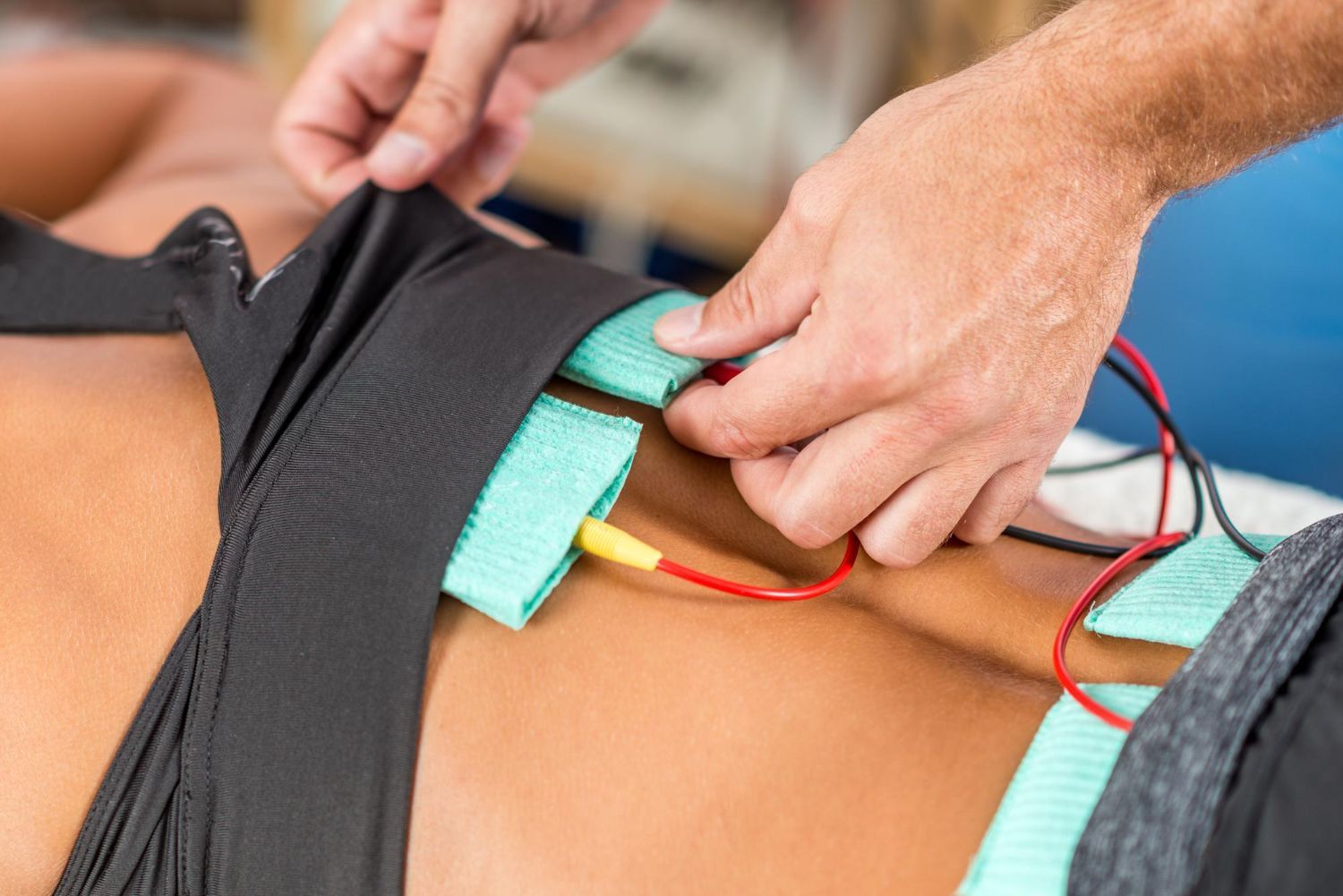
When an Epidural Fails: Next Steps for Leg Pain
When an Epidural Shot Does Not Fix Your Leg Pain
An epidural steroid injection places anti-inflammatory medicine into the space around the spinal nerves. It is commonly used for epidural leg pain from sciatica, herniated discs, or spinal stenosis. When it works, swelling around the nerve calms down and leg pain eases, sometimes along with tingling or numbness.
If your epidural did not help your leg pain, it can feel upsetting and confusing. Many people worry that this means surgery is the only option or that they need to give up the activities they enjoy. In our Georgia heat, even short walks or yard work can feel like too much when every step sends pain down the leg.
A failed epidural does not mean you are out of options. Often, it is a sign that we need to refine the diagnosis and find the true “pain generator.” There are targeted procedures that can both ease pain and act as diagnostic tools to show us exactly where your pain is coming from. At our clinic, the plan after a failed epidural is always personalized based on your imaging, exam, and how your body has responded so far.
Why Epidural Leg Pain Treatment May Not Work
For an epidural to relieve leg pain, the steroid needs to reach the inflamed nerve roots that are actually causing the symptoms. If the main issue is not those nerves, the injection can miss the mark. Other pain sources include:
- Facet joints in the lower spine
- The sacroiliac (SI) joint near the back of the pelvis
- The hip joint
- Peripheral nerves outside the spine
- Muscles and soft tissues that can send pain into the leg
Timing and expectations also matter. It can take several days for an epidural to start working fully. Many pain doctors consider it successful if there is a noticeable drop in pain, not always complete relief. Even partial or short-lived relief can give us clues, such as which side or level of the spine might be involved.
Other factors can blunt the results of an epidural, including:
- Long-standing nerve damage
- Severe spinal stenosis with tight nerve spaces
- Health conditions like diabetes
- Smoking or excess body weight
- Heavy physical work that keeps flaring the problem area
When an epidural does not help, we do not want to repeat the same injection without a new strategy. It is important to step back and look again at:
- MRI, CT, or X-ray findings
- A detailed physical and neurologic exam
- How your pain behaves with motion, rest, and certain positions
Sometimes leg pain is “referred” from joints or soft tissues rather than a compressed nerve. This changes the interventional plan and points us toward other types of injections instead of another broad epidural.
Targeted Nerve Root Blocks and Imaging
Selective nerve root blocks are a precise way to test a single nerve. During this procedure, a small amount of numbing medicine, sometimes with steroid, is injected around one nerve root that we suspect is causing your symptoms. If that nerve is the culprit, your leg pain should ease for the short time that the numbing medicine is active.
These blocks serve a dual role:
- Short-term pain relief, even if temporary
- Clear confirmation of which nerve is responsible
This is especially helpful when MRI findings and your symptoms do not perfectly match, which is fairly common. To improve accuracy, we use fluoroscopy, which is live X-ray, or CT guidance so that the needle tip is placed right at the targeted nerve level. This focused approach is different from a standard epidural, which can be more spread out and less specific.
Nerve root blocks are often recommended after a failed epidural when:
- Sciatica or radiculopathy lingers on one side
- Imaging is unclear or shows several possible problem areas
- You have a mix of back pain, buttock pain, and leg pain
The response to nerve root blocks can guide what comes next. Good, but short-lived relief may lead to repeat focused injections, different medications, or, if there is severe structural pressure, a discussion with a spine surgeon.
Facet and SI Joint Injections for Hidden Pain Sources
Not all leg pain comes from a pinched nerve. Irritated lumbar facet joints, which are small joints along the back of the spine, can send pain into the buttock and back of the thigh. The sacroiliac joint, where the spine meets the pelvis, can also cause pain that feels very similar to sciatica.
Facet joint issues are more likely if:
- Standing or walking hurts more than sitting
- Bending backward or twisting increases pain
- The pain feels deep in the low back and upper buttocks
Facet joint injections and medial branch blocks place numbing medicine around the tiny nerves that carry pain from those joints. If you get clear, short-term relief, it tells us that arthritic spinal joints are a big part of the problem.
SI joint injections focus on the large joint at the base of the spine. This joint can get inflamed after trauma, pregnancy, or long-term pelvic imbalance. SI pain often shows up as:
- Aching near one side of the lower back or buttock
- Pain when standing from a chair or climbing stairs
- Discomfort when lying on one side
Many people who do not respond to an epidural for leg pain eventually feel better when these hidden joint problems are found and treated. These injections are usually quick outpatient procedures with image guidance and, when successful, can be repeated or followed with longer-lasting options.
Longer-lasting Relief with Radiofrequency Ablation
Radiofrequency ablation, also called RFA, is a minimally invasive option that uses heat energy to “stun” the small nerves sending pain signals from the facet or SI joints to the brain. It does not fix arthritis or joint wear, but it can turn down the volume of pain for a longer period of time.
RFA is usually considered only after successful diagnostic blocks. If those earlier injections clearly reduced your pain, it tells us that those joint nerves are a good target. RFA then treats those same nerves in a more lasting way.
The basic steps include:
- Numbing the skin and tissues where the needles go
- Using fluoroscopy to guide special RFA needles to the target nerves
- Testing the nerve position, then applying controlled heat for a short time
Most people go home the same day and return to normal light activity soon after. Relief often lasts several months or longer. The nerves can grow back over time, but the procedure can be repeated if it helped before.
Compared to repeat steroid injections, RFA usually involves:
- Less steroid exposure
- Potentially longer stretches of comfort
- Better ability to stay active, travel, and enjoy outdoor time without constant flares
Good candidates for ablation are those with pain traced to facet or SI joints by prior blocks. Others may do better with nerve root procedures, physical therapy, or a surgical opinion if there is significant compression.
Building a Smarter Plan After a Failed Epidural
An epidural that does not help your leg pain is not a dead end. It is information that helps us sharpen the diagnosis and move to the next, more targeted step. A thoughtful plan looks at the whole picture, not just one injection result.
At Apollo Spine and Pain Center, we take a stepwise approach that can include:
- Reviewing MRI, CT, or X-ray images with a fresh eye
- Repeating a detailed physical and neurologic exam
- Considering selective nerve root blocks
- Testing for facet or SI joint pain with targeted injections
- Using radiofrequency ablation when joint-related pain is confirmed
Interventional procedures work best when combined with smart lifestyle support. That might include core strengthening, posture and ergonomic changes, weight management, and the right medication plan.
To make the most of a visit with a pain specialist, it helps to bring:
- Copies of imaging reports and discs if you have them
- Records of prior injections and how they affected your pain
- A current medication list and any allergies
Prepare a few questions to guide the conversation, such as what your doctor thinks is the main pain source, what options come next, and what the plan is if the next injection does not help. A clear, shared plan can make it easier to stay active and enjoy daily life, even when the first epidural for leg pain did not give the relief you hoped for.
Take The Next Step Toward Lasting Relief From Leg Pain
If
epidural leg pain is limiting your daily life, we are ready to help you find a clearer path forward. At Apollo Spine and Pain Center, we take time to understand your symptoms and tailor treatment to your specific needs. Schedule an appointment today so we can work together on a plan to reduce pain and improve your mobility.