Ease Fibromyalgia Flares With Less Medication Use
Fibromyalgia flares can flip a normal day upside down. One moment you are managing, the next your whole body aches, your energy crashes, and even simple tasks feel impossible. When that happens, it is easy to reach for more fibromyalgia painkillers and hope they take the edge off.
We understand why that becomes a habit, but relying on more and more medication often leads to new problems over time. There is a better way. In this article, we will talk about why extra pills are not always the answer and share practical tools you can use during a flare, between flares, and with the support of a pain specialist so you can protect your body and your daily life.
Take Back Control During Fibromyalgia Flares
Fibromyalgia can feel random and unfair. Flares can interrupt work, family plans, and even simple summer fun like cookouts or a walk in the park. When your body keeps throwing pain at you, it is common to feel angry, worried, or worn out.
Many people start to think, “If this dose helped a little, maybe more will help a lot.” But:
- Higher doses often bring stronger side effects
- Over time, the same dose may not work as well
- Pills alone rarely fix what is driving the flare
Instead of chasing pain with more fibromyalgia painkillers, it helps to use a layered approach. That means mixing in:
- Lifestyle strategies that protect your energy
- Simple tools that calm your nervous system
- Thoughtful medical care that fits your needs
At our pain clinic, we see fibromyalgia as a long-term condition that deserves a clear, kind plan. Our role is to be a partner in building a flare strategy that matches your body, your schedule, and your goals.
Why More Fibromyalgia Painkillers Are Not the Answer
Many medications used in fibromyalgia can help, but they also have limits. Raising the dose again and again often leads to what doctors call “diminishing returns.” You take more, but you do not get more relief.
Some common problems with relying on higher doses include:
- Tolerance, where your body gets used to the medicine
- Physical dependence, especially with opioids
- More fatigue, dizziness, or brain fog
- Trouble with focus at work or while driving
There are also hidden traps, such as:
- Using opioids for daily fibromyalgia pain, which may increase sensitivity to pain over time
- Rebound headaches from frequent use of certain pain relievers
- Interactions between pain meds, sleep aids, and mood medications
Medication does have a place. A short-term “rescue” plan for very bad days can help, but it should be part of a bigger picture. Long-term management usually works best when we blend:
- Non-drug tools
- Safer, carefully chosen medications
- Interventional options when needed
This mix aims to lower pain and improve function without putting you at higher risk from fibromyalgia painkillers.
Calming a Flare in the Moment Without Extra Meds
When a flare hits, you need help that works right away, not a week from now. Having a same-day flare toolkit can lower the pain spike without reaching for extra pills.
At-home physical strategies can include:
- Pacing and planned rest, breaking tasks into short chunks with breaks
- Gentle movement, like slow stretching or a short walk around the room
- Heat, such as a warm shower or heating pad on tight muscles
- Cold packs on areas that feel hot, swollen, or sharply painful
Just as important is calming your nervous system, since fibromyalgia can make your nerves “turn up the volume” on pain. Helpful tools include:
- Guided breathing, like slow inhaling through your nose, then longer exhaling through your mouth
- Body scan relaxation, where you notice each body part and gently release tension
- Sensory “downshifting,” such as dimming lights, lowering noise, and stepping away from screens
During hot, humid summer days, it can help to:
- Stay hydrated and keep a cool cloth or small fan handy
- Plan errands or outings in the morning or evening when it is cooler
- Build in recovery time after travel, long car rides, or family events
These steps may not erase a flare, but they can reduce how strong it feels and how long it lasts.
Building a Daily Routine That Prevents Flares
The best flare is the one that never fully arrives. Daily habits do not cure fibromyalgia, but they can lower the number and intensity of flares over time.
Key pillars include:
- Sleep: keeping a regular sleep and wake time, even on weekends
- Low-impact exercise: walking, gentle stretching, or swimming in cooler water
- Nutrition: simple, steady meals with plenty of water and less processed food
Another powerful tool is “energy budgeting.” Many people with fibromyalgia fall into a boom-and-bust pattern: doing everything on a good day, then crashing for days after. To break that cycle, it helps to:
- Set a realistic activity limit, even when you feel great
- Spread chores and errands across the week
- Say “no” or “not this time” when your plate is already full
Mental health also matters. Ongoing stress, anxiety, or depression can turn up pain signals. Helpful supports include:
- Brief daily relaxation practices, even five minutes of quiet breathing
- Counseling to work through stress, grief, or frustration about chronic pain
- Support groups where people understand what fibromyalgia feels like
When your mind feels more settled, your body often handles pain a bit better.
Advanced Options When Flares Keep Coming Back
Sometimes, even with careful routines and thoughtful medication use, flares keep crashing into your life. That is when it may be time to look deeper with a pain specialist.
Fibromyalgia often overlaps with other conditions, such as:
- Arthritis in the spine or major joints
- Disc problems in the neck or lower back
- Nerve pain from other causes
These issues can feed into fibromyalgia pain and make flares more frequent. At an interventional pain clinic, we focus on sorting out which pain is coming from where. For some people, targeted treatments for spine or joint pain can lower the overall pain “load” on the body and reduce the urge to lean on more fibromyalgia painkillers.
A personalized care plan might include:
- Careful review of your current medications
- Adjusting doses or timing to lower side effects
- Using non-opioid options when possible
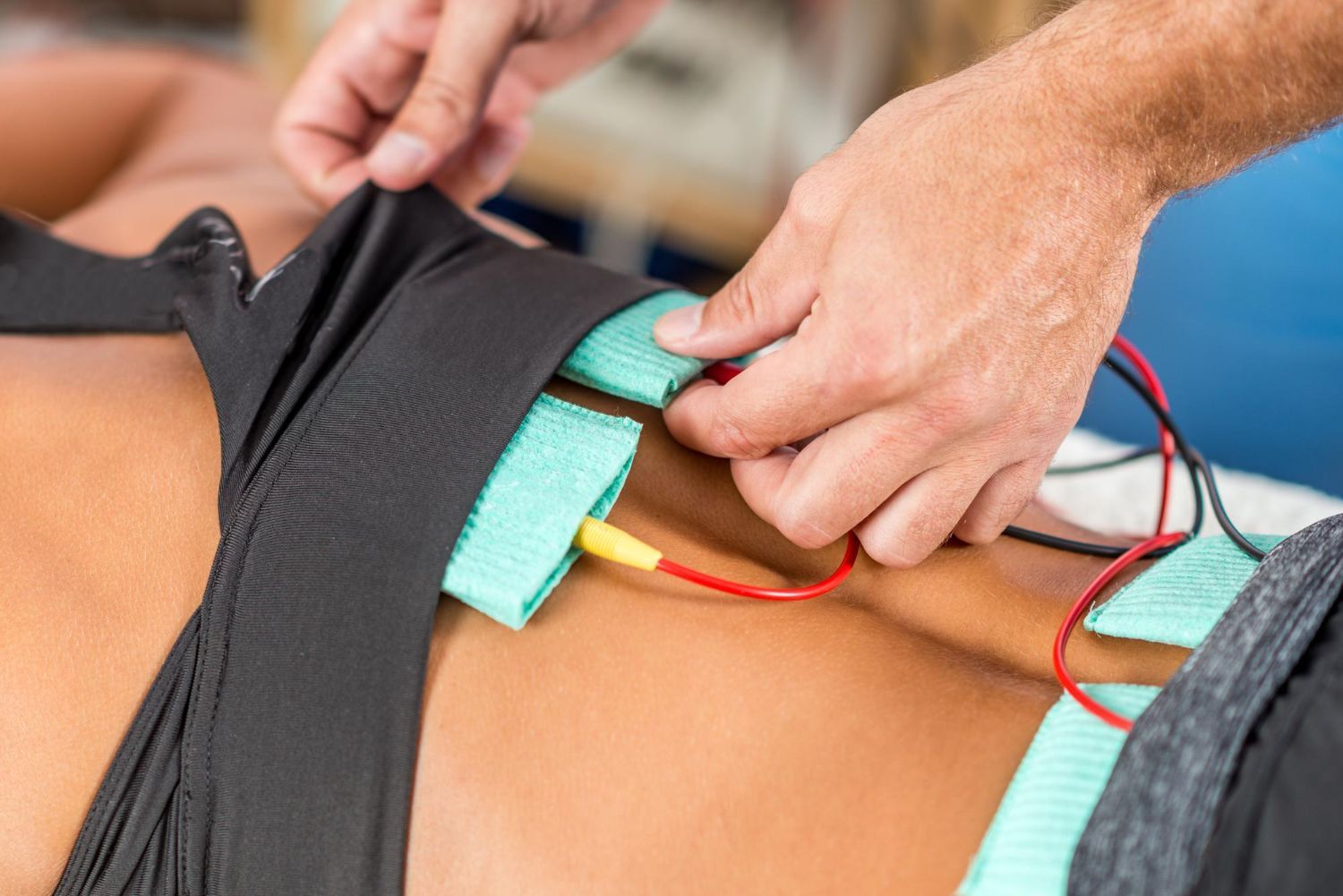
- Considering minimally invasive procedures to calm specific pain sources
- Coordinating with your rheumatology or primary care team
The goal is not just less pain, but more freedom to do the things that matter to you, with a safer and more balanced plan.
Create Your Personalized Fibromyalgia Flare Plan Now
Knowledge is helpful, but what really makes a difference is turning that knowledge into a clear written plan. A flare plan can include:
- Early warning signs that a flare is starting
- Step-by-step tools you will try before adding extra medication
- Which medications to use, in what dose, and how often
- When to call your pain specialist instead of changing doses on your own
Keep a copy in your bag, on your phone, and on your fridge so family members know how to support you when a rough day hits.
At Apollo Spine and Pain Center, we work with people living with fibromyalgia to build these kinds of thoughtful, realistic plans. Together, we focus on function, not just pills, and on helping you feel safer and more prepared the next time a flare comes around. Fibromyalgia may be long-term, but with the right mix of education, non-drug tools, and targeted medical care, your flares do not have to control your whole life.
Take The Next Step Toward Calmer, More Manageable Days
If you are struggling to stay active or sleep well because of chronic pain, we are here to help you find a safer, more personalized approach than relying only on
fibromyalgia painkillers. At Apollo Spine and Pain Center, we carefully evaluate your symptoms, lifestyle, and goals so we can recommend treatments tailored to your needs. Reach out today to schedule an appointment, and let our team work with you to build a plan that supports real relief and a better quality of life.