What to Expect From a Pain Management Injection Visit
Take the Stress Out of Your Pain Management Injection Visit
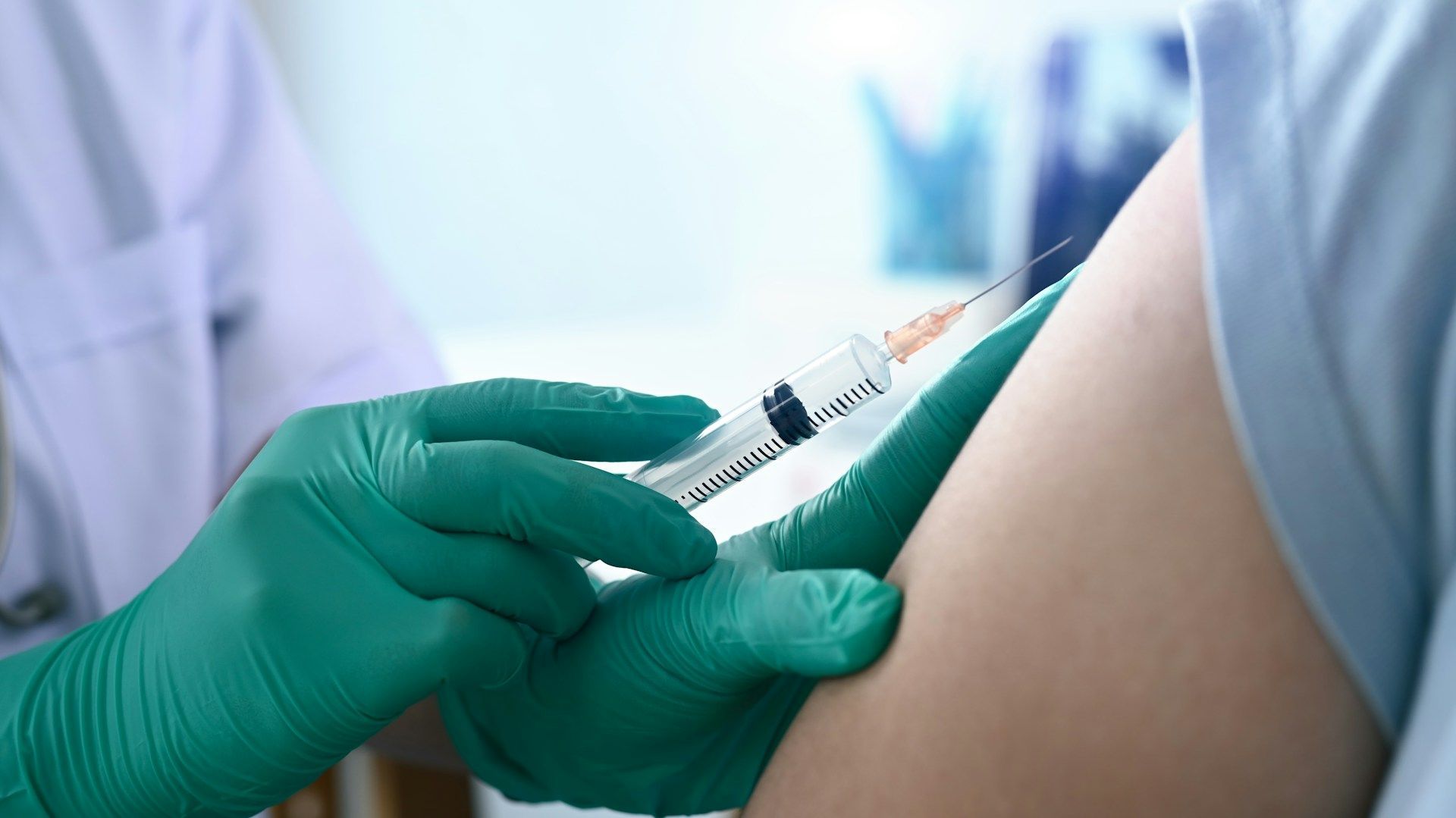
A pain management injection is a simple procedure that delivers medicine directly to the area causing your pain. It can help reduce pain in the spine, joints, or nerves when things like rest, physical therapy, or basic medications have not given enough relief. The goal is not just to cover up pain, but to calm irritated nerves and reduce inflammation so you can move more comfortably.
Many people feel nervous before their first pain management injection. They worry about needles, side effects, or not knowing what will happen. That is very normal. At an interventional pain clinic, the visit is usually quick, safe, and very organized. When you understand the steps ahead of time, it often feels less scary and more like a plan. Knowing what to expect can help you stay active at work, at home, and in your favorite activities with more confidence and less stress.
Understanding Your Pain Management Injection Options
There is no single injection that fits every type of pain. At a pain management clinic, your provider chooses from several options based on where your pain starts and how it feels.
Common pain-management injection types include:
- Epidural steroid injections
- Facet joint injections
- Nerve blocks
- Sacroiliac joint injections
Epidural steroid injections are often used for pain that comes from disc problems, spinal stenosis, or nerve irritation in the neck or lower back. They place anti-inflammatory medicine into the space around the spinal nerves to calm swelling and reduce pain that may travel into the arms or legs.
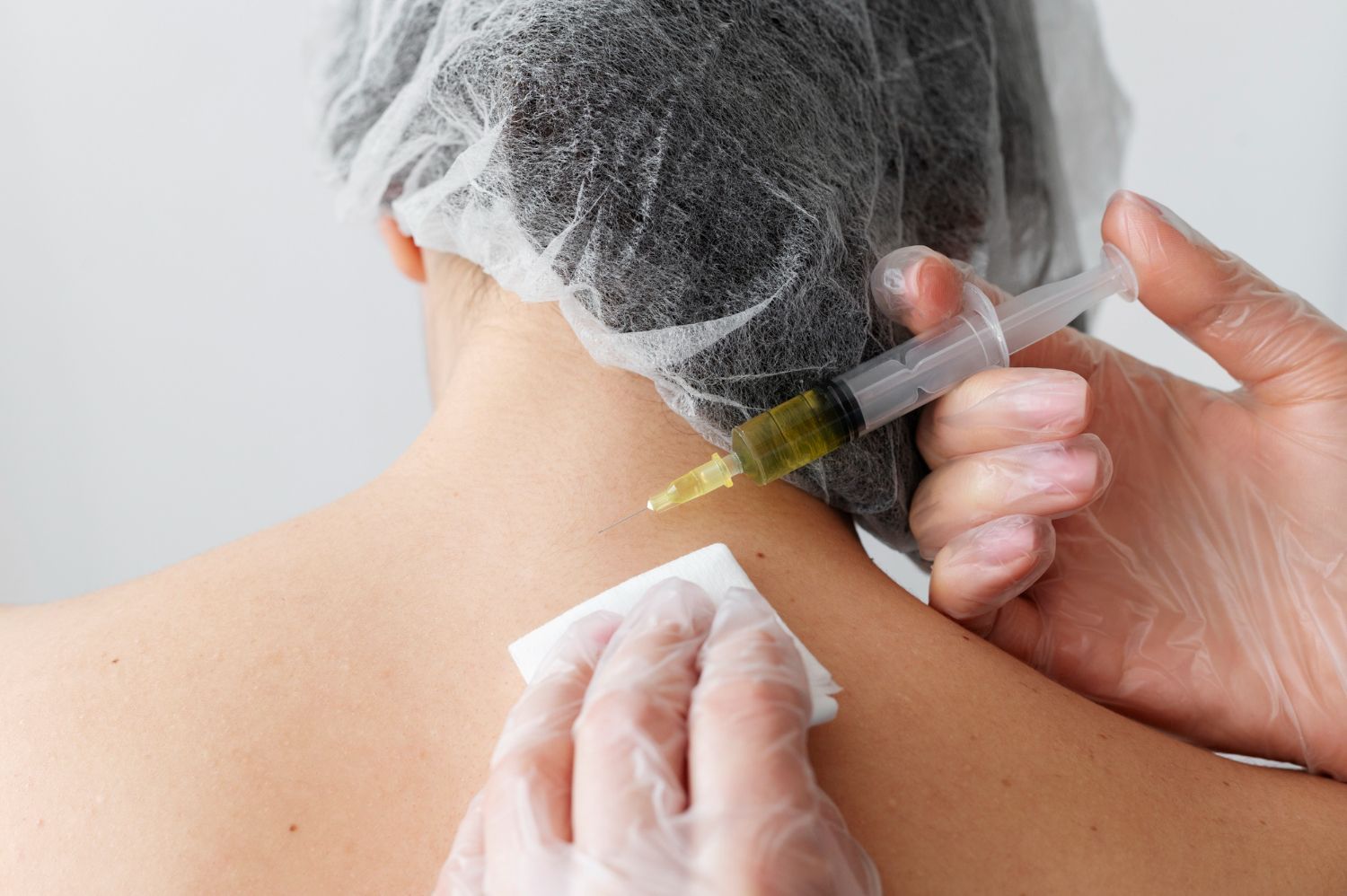
Facet joint injections target the small joints along the back of the spine that can hurt from arthritis or wear and tear. If your main pain is a deep, aching stiffness in the neck or low back, your provider may suggest this option.
Nerve blocks place medicine near a specific nerve to interrupt pain signals. These can help when pain follows a clear nerve path, such as some types of sciatica or certain chronic nerve pains.
Sacroiliac joint injections are aimed at the joints where the spine meets the pelvis. Pain from this area is often felt in the low back, buttock, or hip.
At Apollo Spine and Pain Center in Georgia, specialists use minimally invasive techniques and imaging, such as fluoroscopy or ultrasound, to guide the needle. This helps them place the medicine exactly where it is needed, which can improve comfort and may reduce recovery time compared to more involved surgical options.
How to Prepare Before Your Injection Appointment
Good preparation helps your visit go smoothly and keeps the focus on your comfort and safety. In the days before your appointment, the clinic will usually:
- Call or send a reminder to confirm your date and time
- Review your current medications and health conditions
- Give you clear instructions about eating, drinking, or changing certain medicines if needed
Be honest and detailed when you share your medication list, including over-the-counter pills, vitamins, blood thinners, and any inhalers or allergy medicines. This helps your provider plan the safest approach for you.
On the day of your pain management injection, it often helps to:
- Wear loose, comfortable clothing that is easy to move in
- Bring a list of your current medications and any recent imaging reports
- Arrange for a driver if sedation is planned or if you feel uneasy about driving afterward
- Eat a light meal if allowed, so you are not too hungry or lightheaded
In Georgia, early fall can still be quite warm and humid. Staying hydrated, planning for traffic, and working around school or work schedules can make the day less rushed. If you take allergy or cold medicines at this time of year, mention them to your provider. Some medications can make you sleepy, and your care team may want to know this before the procedure.
What Happens During Your Pain Management Injection Visit
When you arrive at the clinic, staff will help you check in and complete or review paperwork. They will usually check your blood pressure, pulse, and other basic vitals. You will then meet with your provider to go over the injection plan one more time. This is a good time to ask any last questions about what you will feel and how long it may take.
In the procedure room, the team will help you get into the right position on the table. This might be lying on your stomach, back, or side, depending on the type of injection. The skin over the area will be cleaned carefully. A small amount of local numbing medicine is usually used so you feel less discomfort from the needle.
With image guidance, your provider will gently guide the needle to the planned spot. You might feel:
- Pressure or a sense of pushing
- A quick stinging when the numbing medicine goes in
- A brief warm or burning feeling as the medicine is injected
Most injections only take a few minutes once everything is in place. Staff will watch you closely and use safety checks and monitoring as needed. The full visit, from arrival to discharge, usually takes longer because of check-in and recovery time, but the actual injection itself is often very quick.
Recovery, Results, and Follow-up After the Injection
Right after your pain management injection, you will spend a short time in a recovery area. Staff will check your comfort and make sure you feel stable before you go home. It is common to notice temporary soreness at the injection site, or a feeling of heaviness, tingling, or numbness in the treated area. These effects usually fade over the next several hours.
You may not feel full pain relief right away. It can take anywhere from a few days to a couple of weeks for the steroids or other medicines to have their full effect. Some people notice steady improvement, while others feel a bigger change all at once after several days. The length of relief can vary. For some, one injection provides good relief for quite a while. Others may need a short series of injections, spaced apart, to get the best result.
To help your recovery:
- Follow your provider’s advice about driving and activity on the day of the injection
- Take it easy at first and then slowly return to normal routines as you feel able
- Be careful with heavy lifting, intense exercise, or long periods of bending right away
- Use ice packs if suggested for mild soreness at the injection site
Many people want to stay active with sports, yard work, or family events, especially as the weather starts to cool. Ask your provider for clear guidance about what is safe for you and how to pace your return to these activities.
Call the clinic promptly if you notice increasing redness, warmth, or drainage at the injection site, strong headaches, fever, or new or severe weakness. These are not common, but they are important to mention so your care team can decide what to do next.
Take the Next Step Toward Targeted Pain Relief
After your injection, it helps to track your pain and activity in a simple notebook or on your phone. Write down:
- Your pain level at different times of day
- What activities you could do before and after the injection
- Any side effects you notice
This kind of record gives your specialist clear feedback so they can adjust your plan. It can guide decisions about future injections, other procedures, or supportive treatments like physical therapy.
At Apollo Spine and Pain Center, our focus is on targeted, minimally invasive care for spine, joint, and nerve pain. When you understand how a pain management injection visit works, prepare well, and work closely with an experienced interventional pain team, you are better equipped to move through busy seasons of life with less fear and more comfort.
Take The Next Step Toward Lasting Pain Relief
If chronic pain is limiting your daily life, we are here to help you move forward with a personalized plan. Our specialists will review your history, explain your options, and determine whether a targeted
pain management injection is right for your condition. At Apollo Spine and Pain Center, we focus on safe, evidence-based treatments designed to improve function and comfort. Reach out today to schedule a consultation and start working toward better days.