When Frozen Shoulder Pain Management Should Include Injections
Frozen shoulder can steal a lot from your day. Simple things like washing your hair, buckling a seatbelt, or rolling over in bed can turn into sharp, stubborn pain. When that pain drags on for months, it is easy to feel stuck and worried that major surgery is the only way out.
There is good news. Many people with frozen shoulder do not need big surgery. With the right frozen shoulder pain management plan, including targeted injections when needed, it is often possible to calm pain, get the joint moving, and get back to normal life with a much less invasive approach.
Get Your Shoulder Moving Again Without Major Surgery
Frozen shoulder, also called adhesive capsulitis, happens when the tissue that surrounds your shoulder joint tightens, thickens, and sticks. The joint that once moved freely starts to feel locked and sore. Without help, this process can drag on for a long time and become harder to reverse.
As the seasons change and routines shift, many people notice their shoulder pain even more. It hurts to sit at a ball game, to lift luggage, or to reach into the back seat. Sleep gets harder because rolling onto that side sends a jolt of pain through the arm.
A thoughtful frozen shoulder pain management plan often works best when it combines several tools. For some patients, carefully placed injections can lower pain enough to make stretching and physical therapy more effective. That way, we can work with your body, not against it.
Understanding Frozen Shoulder and Why It Hurts So Much
In a healthy shoulder, the joint capsule is soft and flexible. With frozen shoulder, that capsule starts to:
- Thicken
- Tighten down around the joint
- Form bands of scar-like tissue
- Hold extra fluid and inflammation
This change limits how far the ball of the shoulder can move in the socket. You may feel:
- Sharp pain with reaching overhead or behind your back
- A dull, constant ache that worsens at night
- A feeling that your shoulder is “stuck” or blocked
Frozen shoulder usually follows three phases:
- Freezing phase: Pain builds and motion slowly decreases. This can last for many weeks or months.
- Frozen phase: Pain may ease a bit, but stiffness is strong. The shoulder barely moves.
- Thawing phase: Motion slowly returns, but it can take a long time without focused care.
Risk is higher in adults from about age 40 through older adulthood, in people with diabetes, and in anyone who has had a recent shoulder injury or surgery that led to long periods of not moving the joint. As activity levels drop, like when the weather turns cooler or routines get busier indoors, stiffness can grow and pain becomes harder to ignore.
When Home Care and Physical Therapy Are Not Enough
For many people, early treatment starts with:
- Rest from painful overhead or behind-the-back motions
- Ice or heat, when appropriate
- Over-the-counter anti-inflammatory medicines, if safe for you
- Gentle stretching and guided physical therapy
These steps can help, but they are not always enough. It may be time to think about injections if you notice:
- Pain so strong it wakes you up or keeps you from falling asleep
- Trouble doing basic tasks like getting dressed, lifting a bag, or grooming
- Little or no progress after six to eight weeks of steady therapy
- Pain and stiffness that seem to ramp up as daily demands increase
Waiting too long can allow the frozen phase to set in more deeply. As you move less to avoid pain, the muscles around the shoulder can weaken and the joint can grow even stiffer. That mix makes it harder to recover and can lower your quality of life.
How Injections Help Unlock a Frozen Shoulder
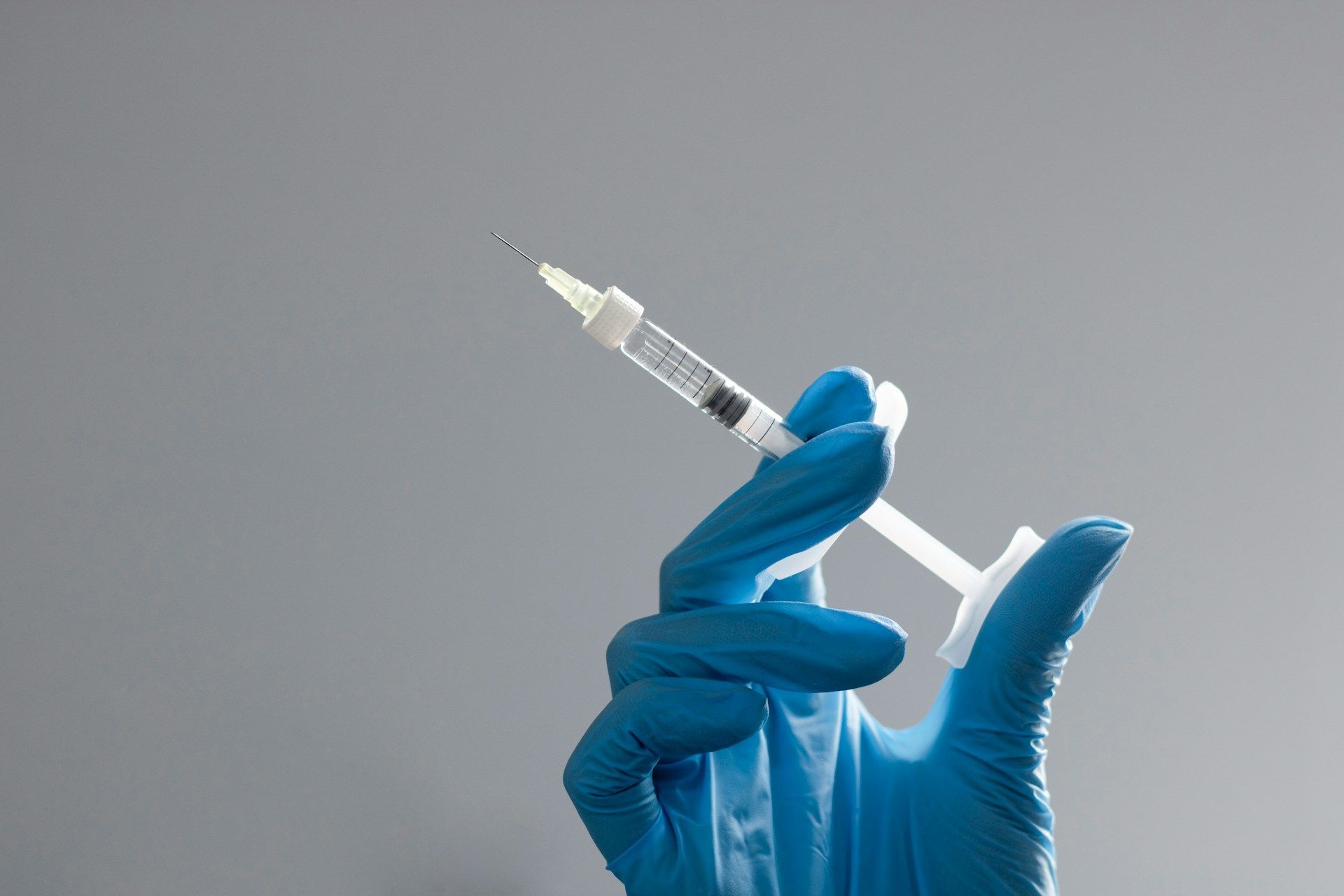
Injections are not magic, but they can make a big difference when used at the right time. A common option is a steroid injection into the shoulder joint. This type of injection can:
- Lower inflammation inside the joint capsule
- Reduce pain, especially at night and with stretching
- Create a short “window” where movement is easier
At an interventional pain clinic, injections are usually done with image guidance, such as fluoroscopy or ultrasound. This helps the doctor see the joint in real time and place the medicine exactly where it is needed, instead of guessing based on feel alone.
What can you expect if an injection is part of your frozen shoulder pain management plan?
- The procedure is typically quick and uses a thin needle
- Many people notice some relief within a few days
- Range of motion often improves gradually over several weeks
- A short series of injections may be used in some cases
- Ongoing home exercises and therapy are still very important to keep gains
The injection does not replace stretching and strengthening. It helps make those steps more comfortable and more effective, so you can actually do the work needed to free the joint.
Choosing Injection Options That Match Your Lifestyle
Not every shoulder, or every lifestyle, calls for the same type of injection. Common options include:
- Corticosteroid injections into the joint to calm inflammation
- Hydrodilatation or distension injections, which gently stretch the capsule with fluid
- Nerve blocks around specific nerves that carry much of the pain signal
Your provider will think carefully about your day-to-day life. Things like your job, caregiving needs, travel plans, and favorite activities matter. For example, someone who lifts at work may need a different timing plan than someone who works at a desk but has a long drive each day.
Thoughtful medication management is also key. By using injections plus targeted rehab and home exercises, the goal is often to reduce the need for ongoing pain pills. That way, relief comes more from better joint motion and less from daily medication.
What to Expect at a Visit to Apollo Spine and Pain Center
At a focused pain clinic visit, you will usually start with a detailed talk about your shoulder. Your provider may ask:
- How and when the pain began
- Which motions are hardest
- How your sleep, work, and home life are affected
- What treatments you have tried so far
A physical exam and any past imaging are reviewed to make sure frozen shoulder is truly the problem and to rule out other issues. From there, you and your provider work together on a plan that may include:
- Image-guided injections, if appropriate
- Referral to physical therapy with frozen shoulder experience
- Home exercise suggestions matched to your phase of pain and stiffness
- Adjustments to current medications when needed
Most injection procedures are minimally invasive and are done in an outpatient setting. Local numbing medicine can be used to keep you comfortable. Many people are able to go home soon after and return to most normal activities the same day, with some limits on heavy lifting for a short time.
Frozen shoulder is frustrating, but it is not something you have to simply endure for years. With the right mix of targeted injections, guided exercise, and careful pain management, it is often possible to move with less pain and more confidence again.
Take The Next Step Toward Lasting Shoulder Relief
If frozen shoulder pain is limiting your daily life, we are here to help you move with confidence again. Our specialists at Apollo Spine and Pain Center use targeted approaches to provide effective
frozen shoulder pain management tailored to your needs. To discuss your symptoms and treatment options,
contact us today and take the first step toward better function and less pain.