Georgia Spine and Pain Clinics’ Approach to Shoulder Mobility
When your shoulder stops moving the way it should, everything feels harder. Reaching into the back seat, pulling a shirt over your head, or working outside after a long winter can all become more frustrating. Around this time of year, when spring has settled into Cumming, GA and Jasper, GA, we hear from more people noticing that something just isn’t right with how their shoulder moves.
That’s where we look at things a little differently. At Georgia Spine and Pain clinics, shoulder issues are not just about treating discomfort. We focus on how to help the shoulder move better. Whether the goal is getting back to gardening or carrying groceries without flinching, mobility matters. Figuring out what’s slowing that movement down is the first step toward changing it.
What Limits Shoulder Movement for People in Georgia
We see a lot of different reasons why someone’s shoulder won’t cooperate. Stiffness, lingering pain, or that clicking feeling when you lift your arm can all be tied to a few common causes.
- Inflammation around the joint often builds up from overuse or irritation and can make basic arm movement feel locked
- Previous injuries, even from years ago, can lead to slow stiffness and discomfort that creeps back once spring physical activities restart
- Conditions that wear the joint down over time, like degeneration, can make pain worse during repetitive tasks
During spring, we hear more about shoulder pain from outdoor work. Raking leaves, reaching over hedges, carrying heavy planters, these are motions that strain the joint in ways we often forget during winter’s slower months. But even small daily movement suffers when a shoulder starts acting up:
- Turning the steering wheel smoothly
- Folding laundry or reaching overhead to grab items on a shelf
- Brushing hair or fastening a seatbelt
When these motions trigger pain or stiffness, it’s easy to start avoiding movement altogether. That only makes the joint stiffer or the pain worse. That’s why timely support can really help.
How Pain Clinics Identify the Root Cause
To treat shoulder mobility problems clearly, we have to start with a good picture of what is actually going on. That starts from the first visit, where we ask a lot of questions, watch for movement patterns, and begin evaluating how the joint is behaving across different motions.
What makes shoulder pain tricky sometimes is that it’s not always coming from the joint itself. We help figure out:
- Is the discomfort centered in the bone or the cartilage?
- Can the pain be traced back to nerves in the neck or upper spine?
- Is it muscular, tendon-related, or something involving surrounding structures like the rotator cuff?
Rather than rushing people straight into treatment, we take time to listen to the history of the pain and its patterns. Maybe it’s dull and shallow or sharp when lifting. Maybe it only shows up at night. As we track symptoms, we often use simple range-of-motion checks and light resistance to see how the shoulder responds. It’s less about high-tech scans and more about angles, alignment, and what your body is trying to tell us.
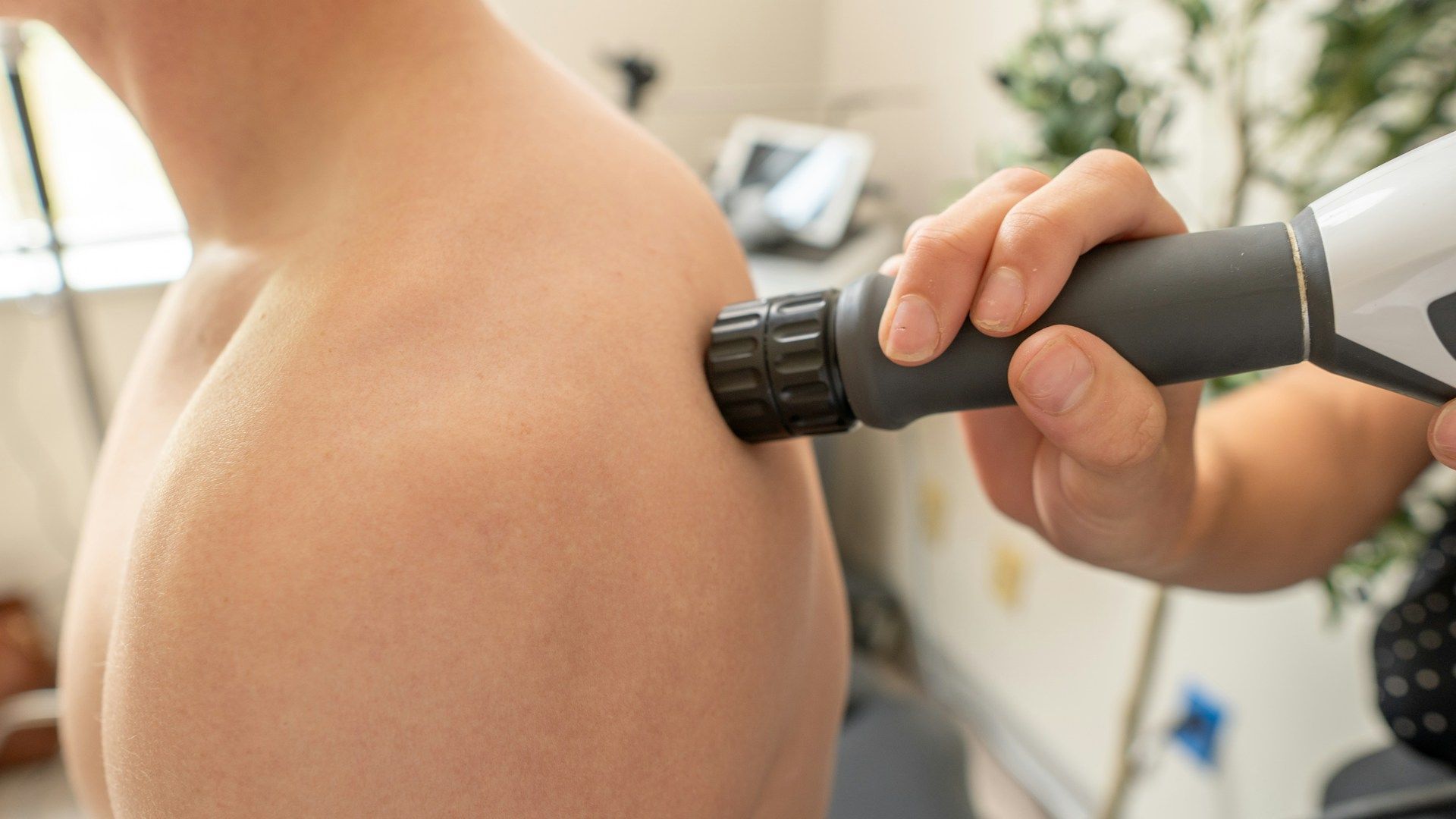
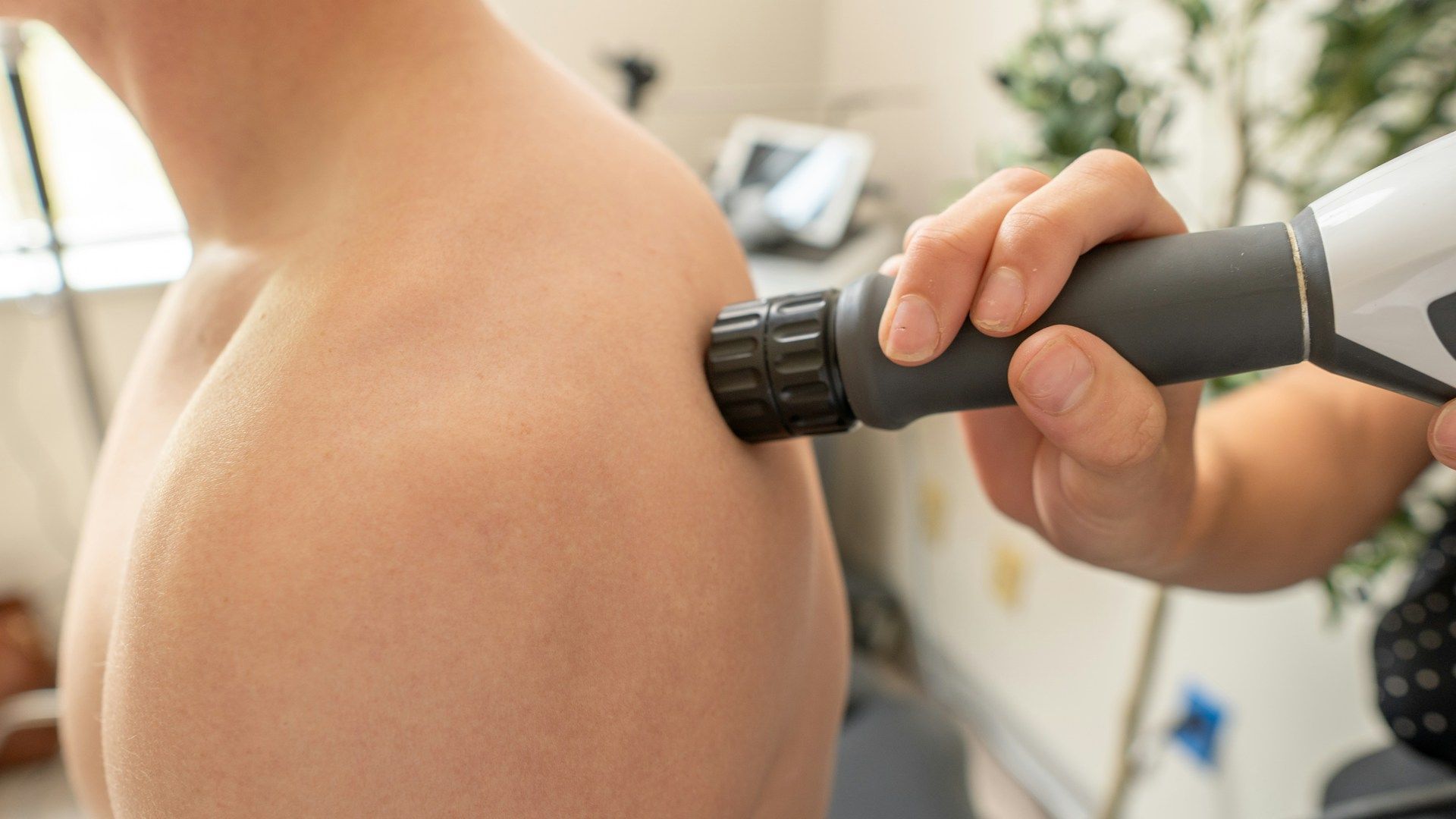
Apollo Spine and Pain Center uses advanced tools, such as ultrasound and fluoroscopy, to assess soft tissue or joint damage and accurately pinpoint the area of concern before treatment. Shoulder assessments are customized for patients in Cumming, GA and Jasper, GA, so plans suit your activity levels, goals, and recovery needs.
Treatments Focused on Helping the Shoulder Work Again
Once we’ve got a clearer picture of the cause, the next step is helping the shoulder find a smoother rhythm again. That’s not something that happens overnight. There’s no quick trick that reverses stiffness or clears out inflammation all at once. Instead, we focus on building strength and balance without overwhelming the joint.
Sometimes that means using short-term supports like:
- Therapies that reduce swelling in deep tissues
- Injections that relieve pressure in painful areas
- Bracing that limits extreme motion while still encouraging steady use
But these are just pieces of the puzzle. What matters more is how someone moves during everyday life. Shoulders heal better when:
- Heavy lifting is paused or managed more carefully
- Sleep position isn’t triggering pressure on the same sore spots
- Gentle stretches or motion routines are used each day to keep fluid around the joint
Everything we do connects back to real-life habits. It’s not about making a shoulder perfect, it’s about helping it keep up with what you do day to day without flaring up.
Apollo Spine and Pain Center provides interventional options, from ultrasound-guided injections and minimally invasive therapies to hands-on education, helping patients build routine changes that boost stability and range of motion for the long term.
Shoulder Movement and Lifestyle in Cumming, GA and Jasper, GA
Spring doesn’t wait for discomfort to pass. Around Cumming, GA and Jasper, GA, people are outside more right now. From yard clean-up to field sports, the warmer weather brings more movement. That sudden increase can easily irritate shoulder problems that stayed quiet during colder months.
The tricky part is that these shifts happen fast. One weekend of trimming branches or moving boxes, and the shoulder tightens in ways that aren’t obvious till two days later. That’s why we always encourage people to watch for early signs like:
- Reduced reach on one side
- Tension that lingers after activity
- Clicking or pinching near the shoulder blade
Making small shifts to daily habits helps. If someone’s doing a big gardening project, we remind them to alternate arms often. Or if there’s soreness carrying laundry baskets, a backpack might be better than a shoulder bag for a while.
Here, seasonal motions are part of how we live. That means any recovery plan has to leave room for what’s happening around us, not just inside a clinic.
Spring Without Setbacks
It’s a good feeling when your shoulder moves the way it’s supposed to. Turning easily, lifting without hesitation, reaching back for something without a second thought. Most of us want that to come back quickly, but steady progress is what keeps pain from coming back just as fast.
Once we know the real cause of shoulder trouble, it gets easier to build a realistic path forward. Less guessing, more movement that fits the season and your schedule. Every spring, more people around here face the same reset. Old pain shows up under new strain, and that’s often when change starts.
The key is not doing too much too soon. Shoulder mobility doesn’t return all at once. With the right kind of support and patience, it can get better and stay better as spring rolls on.
At Apollo Spine and Pain Center, we know how important arm movement is to your daily routine, especially with the increase in activities around Cumming, GA and Jasper, GA as spring unfolds. Whether your shoulder discomfort has returned or you’re unsure about ongoing tension, we can identify what’s holding you back and create a plan that works with your lifestyle and goals. See how we help shoulder function and mobility at our
Georgia Spine and Pain clinics, and reach out to us to start moving more freely.