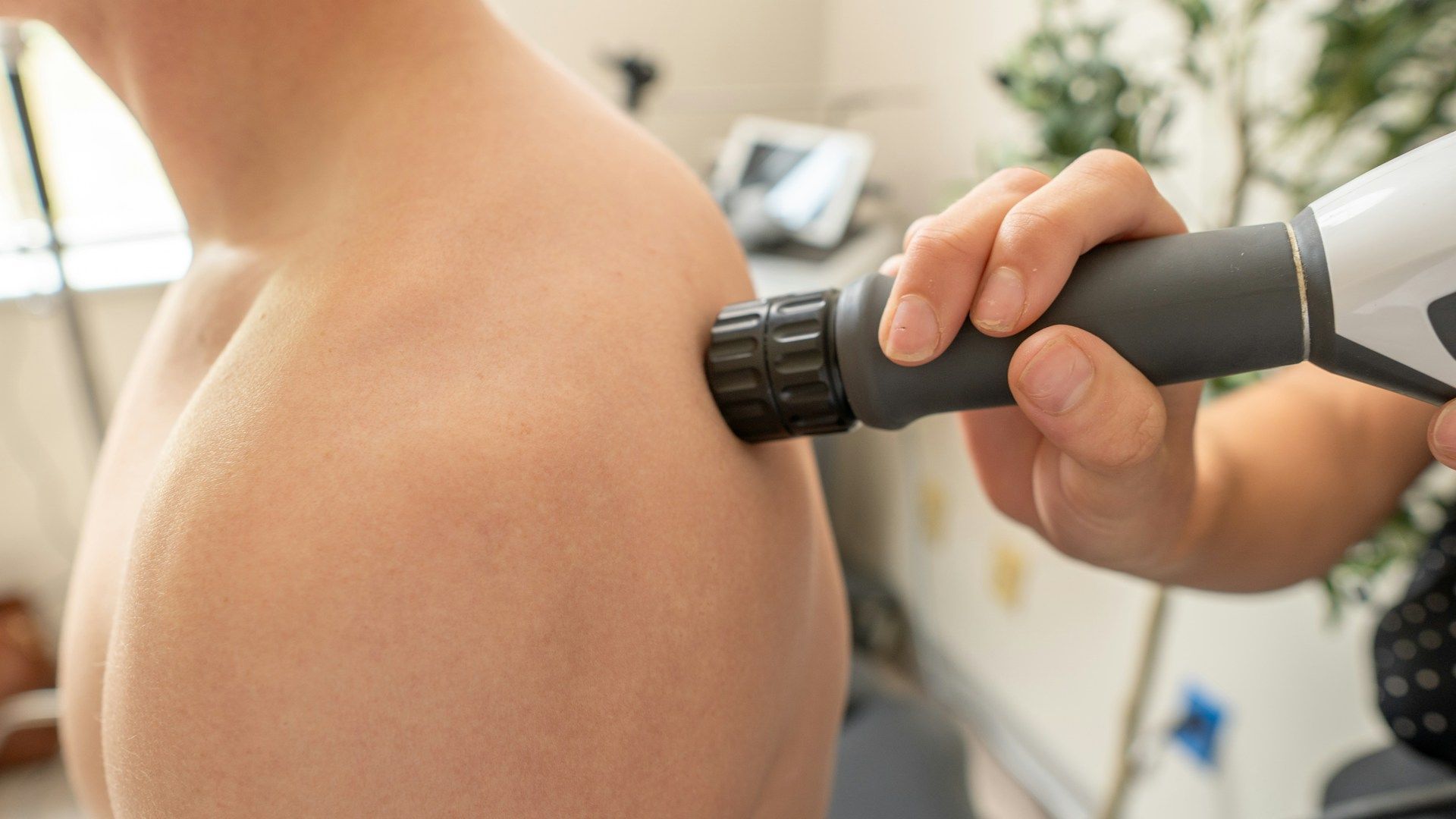
Using Interventional Procedures to Help With Post-Viral Joint Pain
After a virus like the flu or COVID clears, many people expect to feel back to normal. But for some, joint pain lingers much longer than the cough or fever. It's not unusual to notice these aches a bit more as spring activities ramp up. We see it in Cumming, GA and Jasper, GA every year. Warmer weather means more gardening, walking, and cleaning, and that brings attention to joints that still feel sore or stiff.
When rest and time aren’t working anymore, it might be a sign that something deeper is going on. That’s where interventional procedures for pain management come into the conversation. These targeted treatments can support healing when the body seems stuck in recovery mode. By learning more about the signs of post-viral joint pain, how these procedures work, and what to expect, you can start taking steps toward better comfort and recovery.
What Post-Viral Joint Pain Feels Like
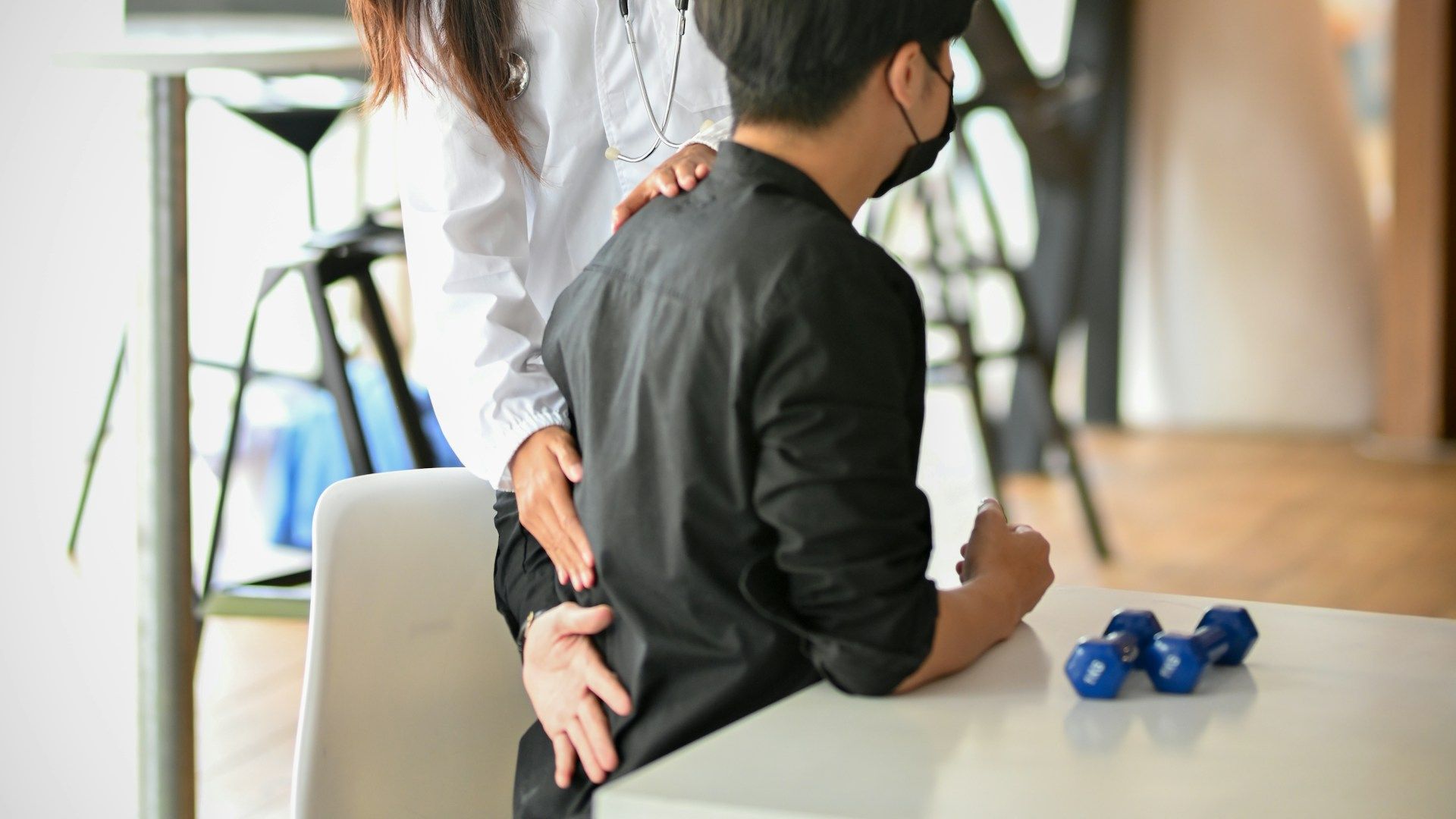
Post-viral joint pain can sneak up on people. The virus might be long gone, but the body hasn’t fully reset. This kind of pain doesn’t feel the same for everyone, but there are common patterns.
- Most often, people feel it in the knees, hips, shoulders, or hands
- The pain may come with stiffness, soreness, or swelling
- It can flare up during or after simple tasks like walking, lifting groceries, cleaning out closets, or planting in the yard
The joints might not hurt all day. For some, the stiffness shows up first thing in the morning and fades after movement. For others, it gets worse the more active they are. That up-and-down experience makes it harder to know when to get help, but lingering discomfort should never feel normal. Being able to notice when and how your pain changes can help you track your progress and catch any warning signs that healing may be taking longer than expected.
Sometimes, with post-viral joint pain, you may also notice that flexibility decreases or that motions you could do before the illness are harder to complete. While it is common to feel tired or achy after being sick, pain that lasts more than a few weeks deserves closer attention. You might also hear cracking or popping sounds in a joint or feel warmth or tenderness around an area that never gave you trouble before. Paying attention to these details can give you and your care provider helpful clues about the healing process.
How Interventional Procedures Can Help
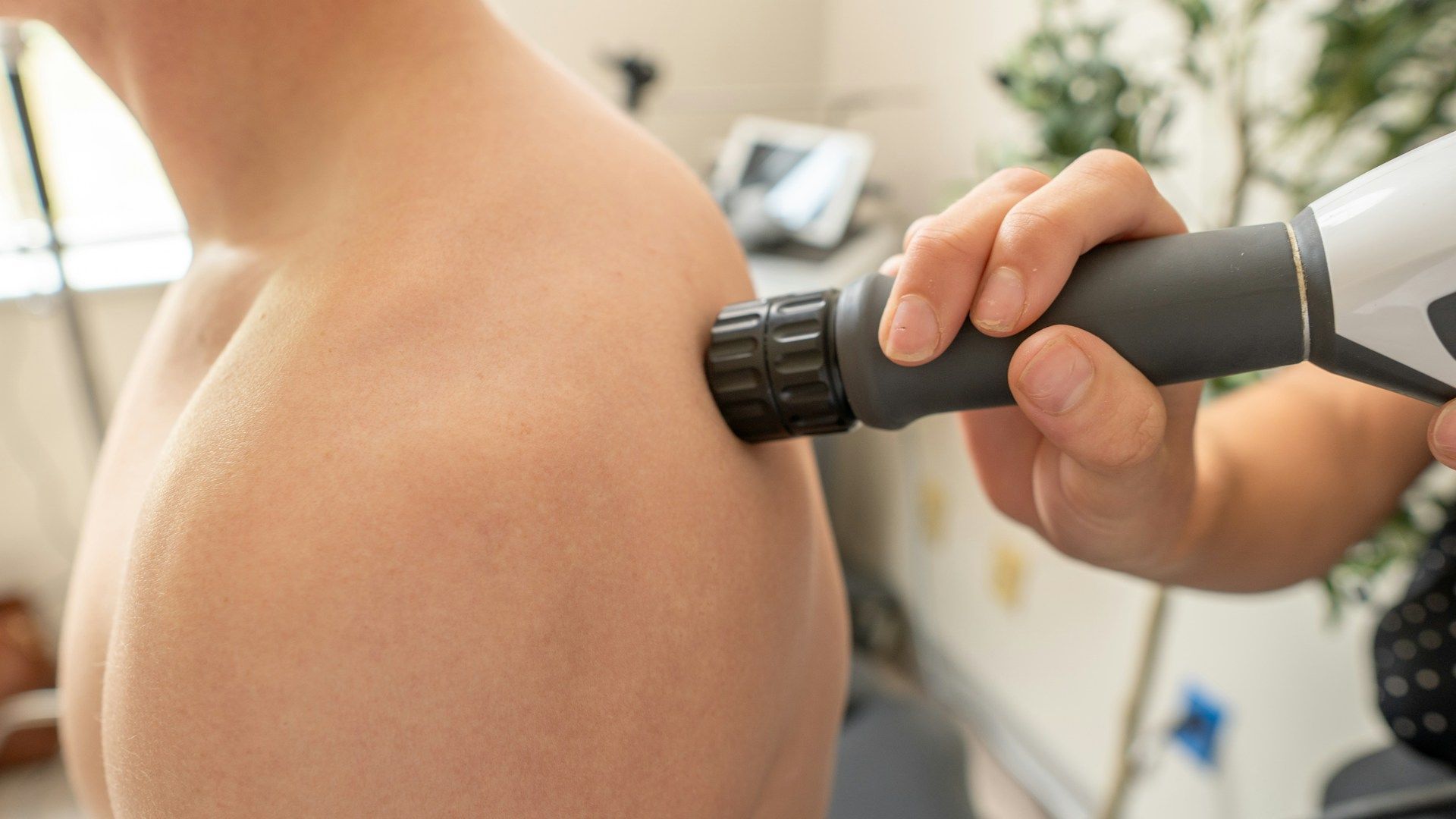
When we talk about relief beyond rest and over-the-counter medicine, interventional approaches can offer another layer of support. These procedures don’t just mask the pain. They target what’s causing it, often inflammation inside the joints or along irritated nerves.
Some common options include:
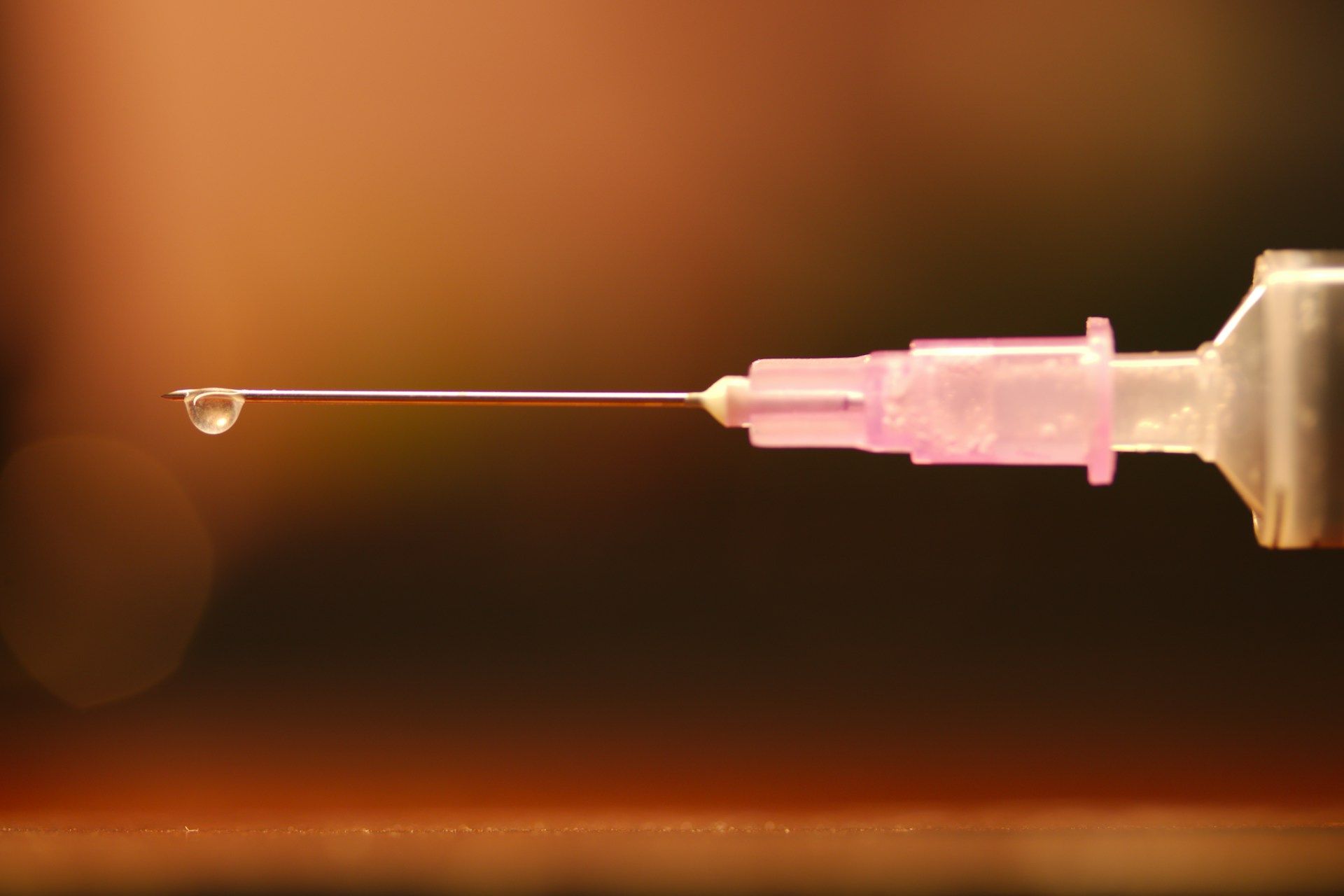
- Injections that deliver medication directly to the affected area
- Nerve blocks that interrupt pain signals
- Techniques that help calm inflammation and support movement
At Apollo Spine and Pain Center, our interventional treatments include fluoroscopy-guided joint injections, nerve ablation, and advanced regenerative methods designed to improve joint function and accelerate recovery. Each plan starts with careful diagnosis and is customized for individuals in Cumming, GA and Jasper, GA dealing with lingering pain after viral illness.
By focusing on the source of the pain, interventional procedures for pain management can reduce the daily need for pain relievers. That can make a real difference for people looking to stay active without relying heavily on medication. For those who have tried multiple home remedies and seen little progress, these options can bring hope and a path forward.
Experiencing improvement sometimes takes time and more than one type of approach. While some people notice relief quickly after a procedure, others may see slow but steady changes. Over time, these interventions can restore confidence in using the joints, help rebuild strength, and make daily activities feel less burdensome.
Understanding When It’s Time to Get Help
At what point does leftover pain from a virus stop being short-term? For a lot of people, it's when discomfort starts affecting their regular routine. It might be hard to bend the knees a certain way or reach with the same comfort as before. That’s more than “just sore.” It’s your body telling you it’s stuck in a holding pattern.
Here are everyday signs the issue needs more attention:
- Pain that’s been around for several weeks or more
- Achiness that gets worse with activities instead of better
- Stiffness that slides into the same joints with no clear reason
These patterns can often feel familiar around spring in places like Cumming, GA and Jasper, GA, where seasonal chores and longer daylight hours bring people outdoors more often. Feeling limited right when you want to enjoy the weather is frustrating, but it’s not something to ignore. Noticing that pain or stiffness makes you avoid regular tasks, changes the way you move, or interrupts sleep or simple movement is a good indicator that your body may need extra help to heal.
If you find yourself modifying your routine to dodge discomfort, or if you start skipping activities you enjoy, these are additional clues to bring up. Stepping in early means more options for regaining comfort and independence sooner. Listening to those signals can help prevent small issues from turning into bigger problems.
What to Expect During and After a Procedure
A lot of people hear the word "procedure" and think it means a long recovery. But interventional pain treatments tend to be simple and focused. They usually involve one quick visit with very little prep and even less downtime.
Here’s what it typically looks like:
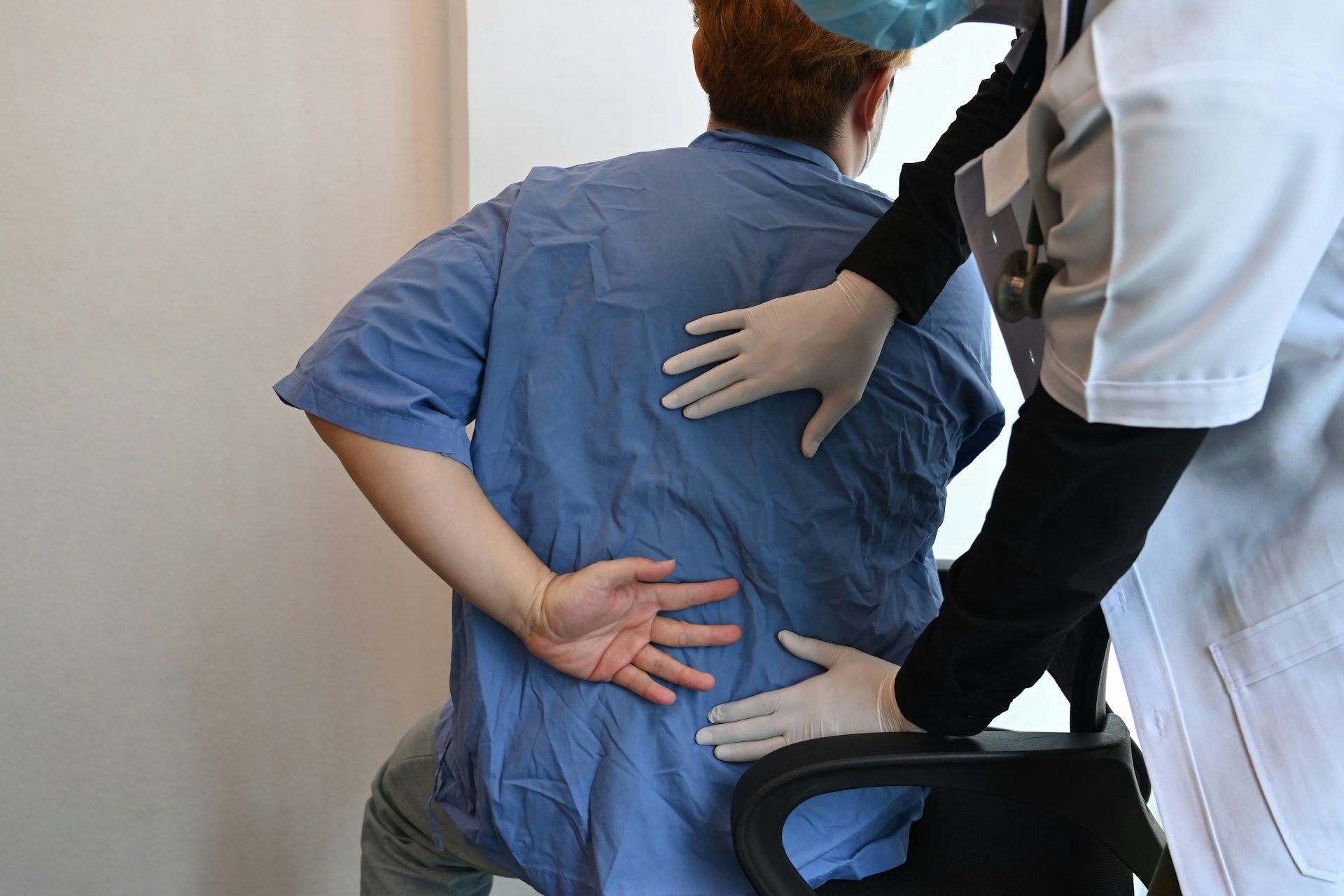
- We’ll check on symptoms and walk through where the pain is coming from
- A treatment plan is made to focus directly on the problem area
- The procedure, like an injection or nerve block, is done in a short session
- Many people are back to normal tasks within a day or two
Follow-up visits give us a chance to see how the joint responds and adjust things if needed. These check-ins are an important part of making sure the healing process keeps moving in the right direction.
Everyone’s recovery looks different, but one of the main benefits of these procedures is the speed at which comfort can improve. Many people report being able to return to yard work, gentle walks, or other daily routines with much less soreness and hesitation. If a joint still feels sensitive, combining these treatments with simple stretches or activity pacing may help further support your progress. Your provider will guide you through each step, helping to answer questions and track the healing journey with you.
After a procedure, it’s also normal to notice slight changes before bigger improvements happen. Sometimes, joints or nearby muscles can feel a little sore for a short period as they adjust, but this usually settles down quickly.
Relief That Supports Your Everyday Life
Spring brings more than flowers. It brings movement. People want to plant gardens, fix up yards, take evening walks, and clean out homes from a long winter. Ongoing joint pain gets in the way of enjoying those simple moments, and that’s what makes dealing with it important.
Interventional procedures for pain management can break the cycle of repeat discomfort. They’re even more helpful when paired with small daily habits like stretching, pacing activities, and paying attention to how your body responds to motion.
Think about what comfort looks like for you. Maybe it’s carrying laundry upstairs without soreness. Maybe it’s standing for longer periods without taking breaks. Or maybe it’s just being able to wake up without stiff fingers or tight knees. When the little things feel easier, everything starts to feel better in return. We believe that’s worth working toward.
Small signs of progress can show up in your life in quiet ways, too. You might notice you’re walking a bit farther before stopping, sleeping through the night more comfortably, or opening jars with less pain. Sticking with your recovery plan, attending follow-up appointments, and gently testing out what your joints can do helps you see these milestones add up.
Joint pain that lingers after a virus does not need to limit the spring season’s simple joys. Whether you want to get outdoors, return to hobbies, or just move through the day with ease, you deserve to feel supported while healing. Relief is possible, and each step brings you closer to a routine that feels more like your own. Finding out which options work for your unique situation is an important part of the journey toward lasting comfort.
When joint pain lingers and daily movement feels more difficult than usual, it may be time to consider different approaches. Our targeted treatments, such as
interventional procedures for pain management, are designed to help your body recover more effectively. These options focus on settling inflammation and supporting better joint function, rather than simply masking pain. At Apollo Spine and Pain Center, we understand how important it is to stay active in Cumming, GA and Jasper, GA. Connect with us to explore what greater comfort could mean for you this spring.