Arthritis or Something Else? How to Know With Pain Management
When joint pain shows up, especially in the hips, knees, or hands, it’s easy to wonder what’s going on. Is it just age catching up? Is it arthritis? Or could it be something else entirely? In places like Cumming, GA and Jasper, GA, it’s common to see these questions come up more often once spring rolls around. The weather gets a little warmer, people start doing more yard work and walking again, and suddenly that lingering ache becomes harder to ignore.
The tricky thing is that pain can come from lots of places. Sometimes it’s the joints, but other times it’s the muscles, nerves, or even old injuries resurfacing. Getting clear answers can take time. That’s why a pain management intervention can help figure out what’s really behind the pain so we can make better choices moving forward.
Common Signs of Arthritis vs Other Pain Sources
Joint pain from arthritis often has a few telltale signs. One of the most frustrating is morning stiffness that takes a while to ease up. You might also notice swelling, warmth, or tenderness around the joints, and a slow loss of motion over time.
But not every ache means arthritis. Sometimes it’s something else causing similar discomfort:
- Tendon strains may feel sharp or pull more with certain movements
- Nerve pain might feel electric, numb, or travel down the arm or leg
- Old injuries like a sprained ankle or bruised knee can come back with use, especially after resting all winter
What makes things more confusing is that these issues can overlap. A person could have mild arthritis and also be compensating for muscle tightness or weakness. Paying attention to patterns, like what triggers discomfort or when it feels better, can give some early clues.
Why Spring Can Make Pain Feel Worse
Spring isn’t just about flowers and sunshine. It’s also when routines tend to shift. Walks get longer, gardens need tending, and back patios finally start getting used again. After months of staying inside, these activities feel good, but they can also uncover pain that’s been hiding beneath the surface.
In North Georgia, weather can change day to day, and that can influence how joints feel. Some people notice more stiffness on cool or damp mornings. Others feel fine until they tackle spring cleaning or haul bags of mulch. Small tasks that don’t usually hurt can become painful when the body jumps from rest to activity without enough prep time.
Activities like kneeling to weed a garden or bending to lift storage boxes aren’t always joint-friendly. When stiffness or swelling shows up afterward, it might not be about aging. It may be the first sign that something more specific needs attention.
When You Should Consider a Pain Management Intervention
There comes a point when regular stretching, rest, or over-the-counter relief just doesn’t cut it. If pain keeps returning or stops you from doing everyday things, it might be time to try something different.
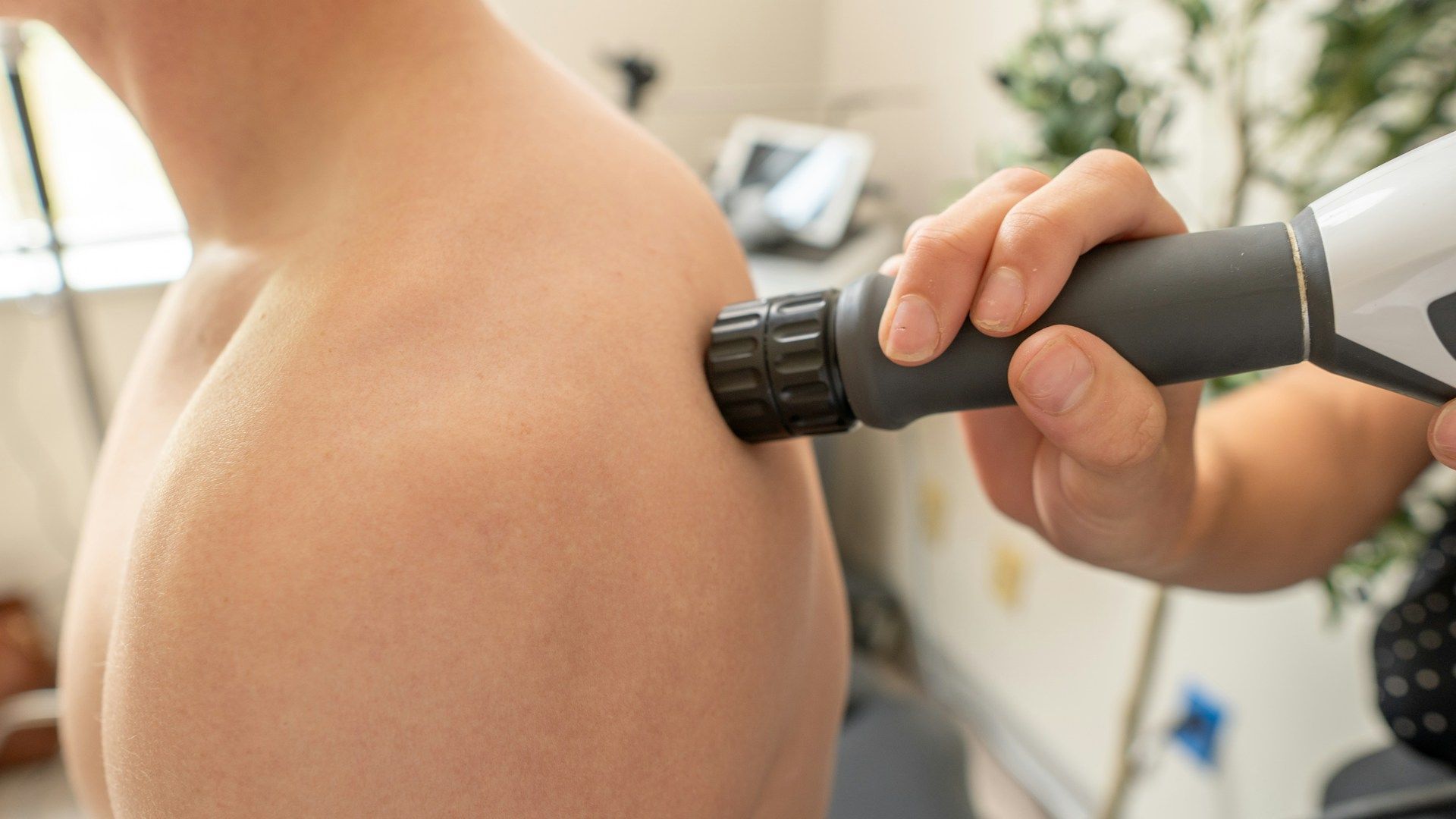
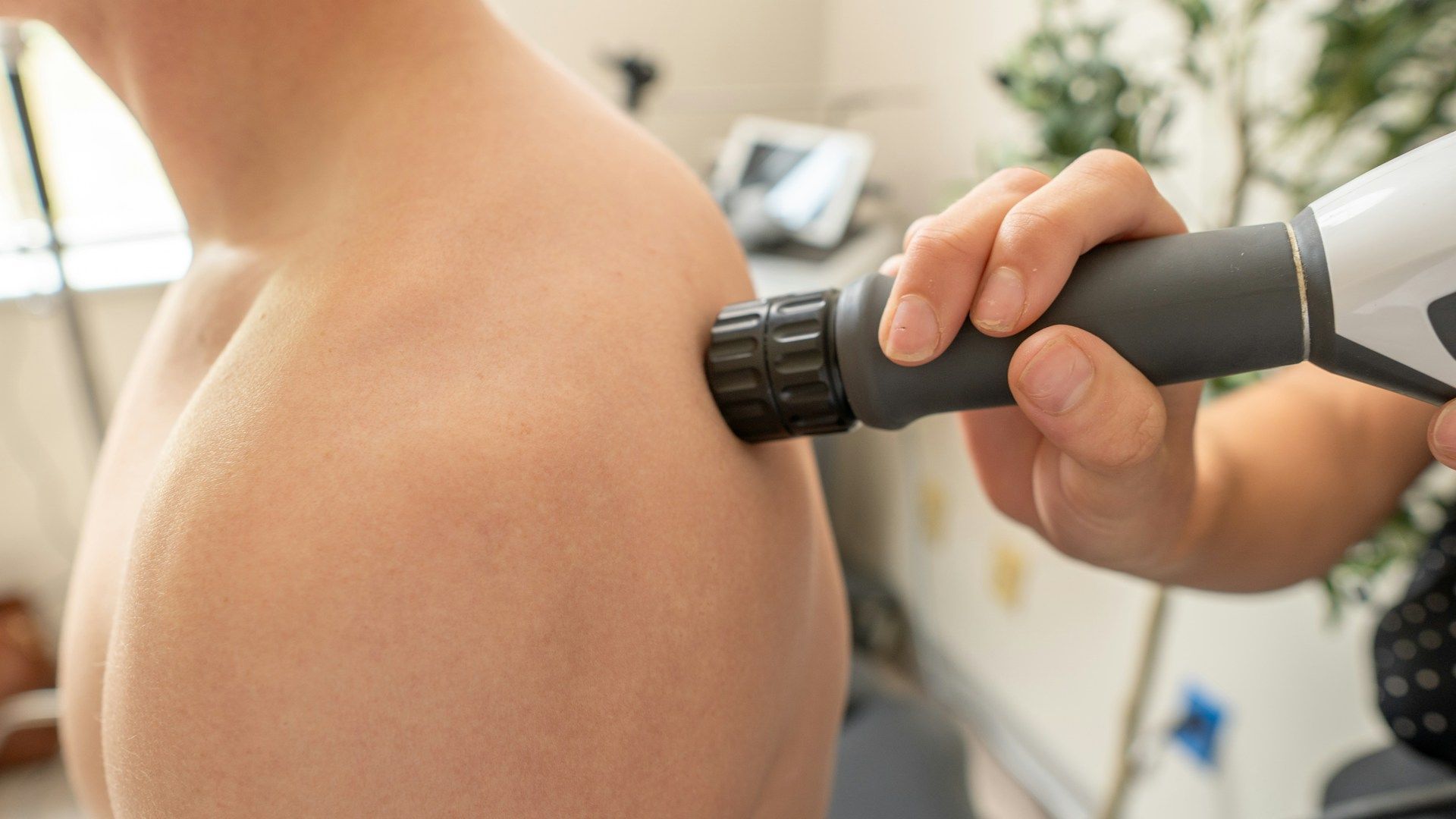
A pain management intervention is a way to take a closer look at what’s actually going on inside the body. It doesn’t automatically mean treatment right away. It just means hearing your history and matching it with observations, exams, or imaging if needed.
Reasons people usually reach for this kind of help include:
- Repeated flare-ups that don’t seem tied to one activity
- Trouble walking, sleeping, or using a joint throughout the day
- Uncertainty about what’s causing the pain or how to make it stop
Acting early can make a big difference, especially if discomfort has only been around for a short while. The longer we wait, the more likely those small adjustments we make, from limping to favoring one side, start to cause other problems too.
What to Expect When You Meet With a Pain Specialist
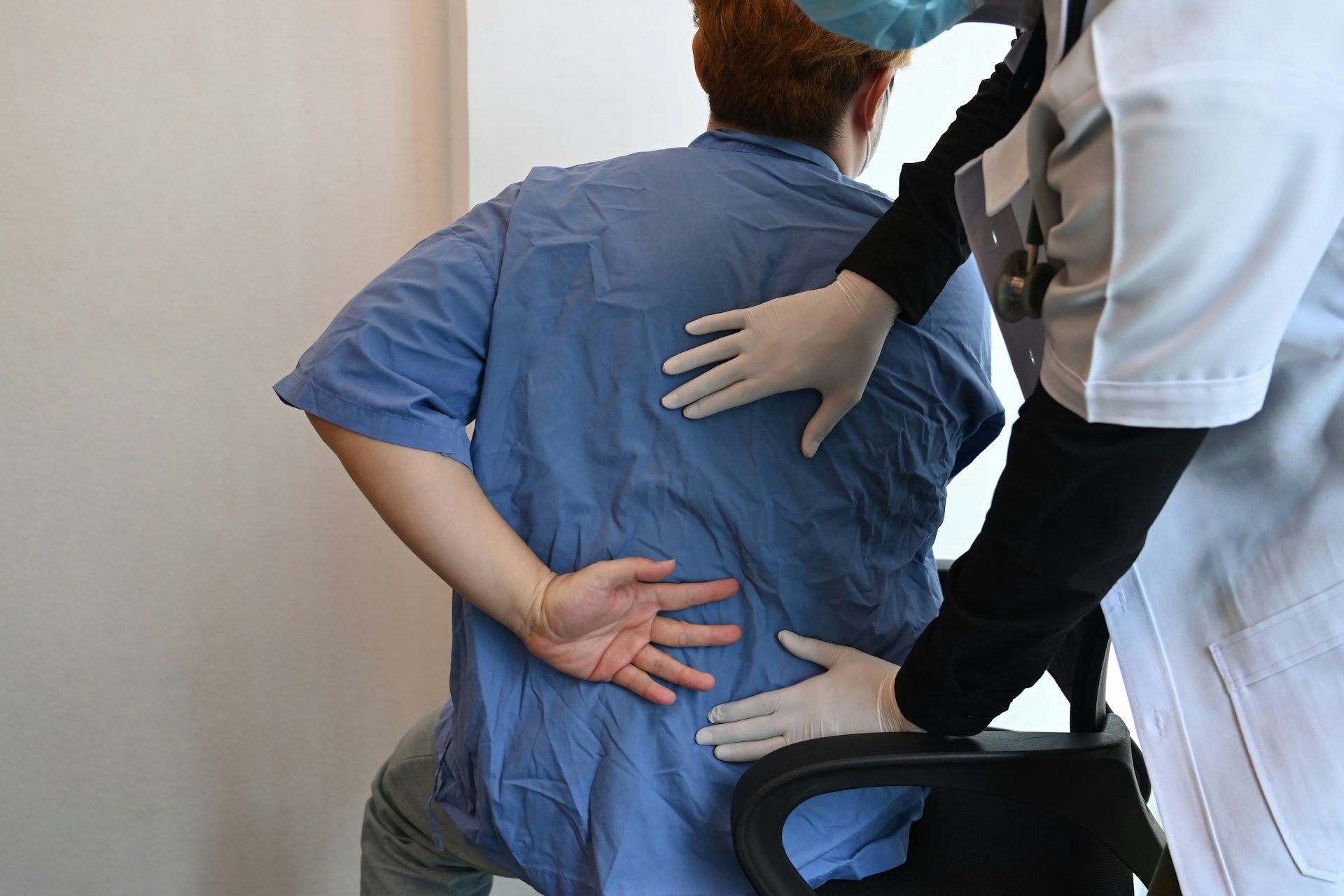
Meeting with a pain specialist often starts with a few simple things: a conversation, some gentle movement tests, and a look at what hurts and how. We want to know things like where the pain is, when it started, and whether it stays put or moves around.
Depending on how things look, follow-up steps might involve watching your motion during certain tasks or checking your range in one or more joints. We’re not looking for a diagnosis off a chart. We’re looking for patterns that match what you’re feeling and when.
That process helps figure out whether the trouble is mostly in the joint (like with arthritis) or somewhere else, like tendons, ligaments, or nerves. We want to understand how pain behaves through your day because a label without behavior doesn’t tell us much.
Planning Care That Matches the Real Problem
Once we have a better handle on the cause of the pain, it’s much easier to talk about care. That doesn’t mean skipping straight to big treatments. It means building a plan that makes sense for your body, your schedule, and your goals.
We avoid fitting people into a one-size box based on what their X-ray or MRI shows. Two people might have arthritis, but what helps one might not help the other. Some want to get back to gardening, others just want to sleep through the night without discomfort. Those goals matter more than a name on a chart.
Sometimes, people focus so much on the word “arthritis” that they stop looking deeper. We get stuck thinking it’s just part of getting older. But when we keep asking questions about how pain acts and how long it stays, we often uncover treatments that actually target the real issue.
Finding Relief That Lasts Beyond the Season
Pain that sticks around all spring won’t always leave on its own. But the answer doesn’t have to be pushing through it or assuming nothing can be done. Real relief comes from figuring out what’s causing it in the first place.
When we match the cause of pain with the right steps, daily routines feel lighter. Walking without limping, standing comfortably while cooking, or getting through yard work can become normal again. And for many, a simple conversation is the first step toward all of that.
Pain shouldn’t keep you from living the life you love. At Apollo Spine and Pain Center, we help people in Cumming, GA and Jasper, GA get clear answers so they can move forward with confidence. A quick
pain management intervention can help pinpoint the cause of your discomfort, build a personalized plan, and put you on a path toward better days. Let’s work together to make life more comfortable, call our team and take the first step today.