How to Manage Pain from Peripheral Neuropathy
Peripheral neuropathy is a condition that affects the nerves outside of your brain and spinal cord. These nerves send messages from your brain to the rest of your body. When they are damaged, it can lead to pain, tingling, and numbness, especially in your hands and feet. Understanding how to manage this pain is essential for feeling better and getting back to your normal activities.
This article will help you learn different ways to manage pain from peripheral neuropathy. We will explore various medications you can take, specialized treatments from pain management professionals, and simple changes you can make at home. With the right approach, you can find relief and improve your quality of life. Let’s dive into these pain management strategies.
Understanding Peripheral Neuropathy
Peripheral neuropathy happens when the nerves outside of your brain and spinal cord are damaged. These peripheral nerves send messages to and from your brain about physical sensations like pain, temperature, and pressure. When these nerves are damaged, it can lead to a variety of symptoms. Most people experience pain, tingling, or numbness, often starting in the hands and feet and sometimes spreading to other parts of the body.
The causes of peripheral neuropathy are numerous. Diabetes is one of the most common causes, often leading to a specific type called diabetic neuropathy. Other causes include injuries, infections, genetic conditions, and exposure to toxins. Some people even develop peripheral neuropathy from chemotherapy or as a side effect of certain medications. Understanding the cause can help in finding the best treatment to manage the pain.
Symptoms can vary widely from person to person. You might feel a burning sensation, stabbing pains, or a pins-and-needles feeling. Sometimes, the affected area is sensitive to the touch or has muscle weakness. Knowing these symptoms can help you and your healthcare provider determine the severity of your condition and create an effective treatment plan.
Medications for Managing Peripheral Neuropathy Pain
There are several medications available to help manage the pain from peripheral neuropathy. One common option is over-the-counter pain relievers like acetaminophen or ibuprofen. These can help reduce mild to moderate pain and inflammation. For more severe pain, prescription medications might be necessary.
Antidepressants are often used to treat neuropathic pain. Medications like amitriptyline and duloxetine can help reduce pain by affecting the chemicals in your brain that transmit pain signals. Another class of drugs, anticonvulsants, can also be effective. Drugs such as gabapentin and pregabalin were originally designed to treat seizures but can calm overactive nerves and reduce pain.
Topical treatments can provide relief as well. Creams, gels, or patches that contain lidocaine or capsaicin can be applied directly to the affected area. These treatments are especially useful for people who want to avoid the side effects of oral medications. By talking to your doctor, you can discover which medications or combination of treatments will work best for managing your pain.
Interventional Pain Management Techniques for Peripheral Neuropathy
When medications aren't enough, interventional pain management techniques can offer relief for peripheral neuropathy. One effective method is nerve blocks. This technique involves injecting an anesthetic near the affected nerves to block pain signals. Nerve blocks can provide immediate pain relief and improve your ability to move around without discomfort.
Epidural injections are another option. With this method, anti-inflammatory steroids are injected into the epidural space in your spine. These injections can relieve pain by reducing inflammation around the affected nerves. They are particularly helpful if the pain is severe and not responsive to oral medications.
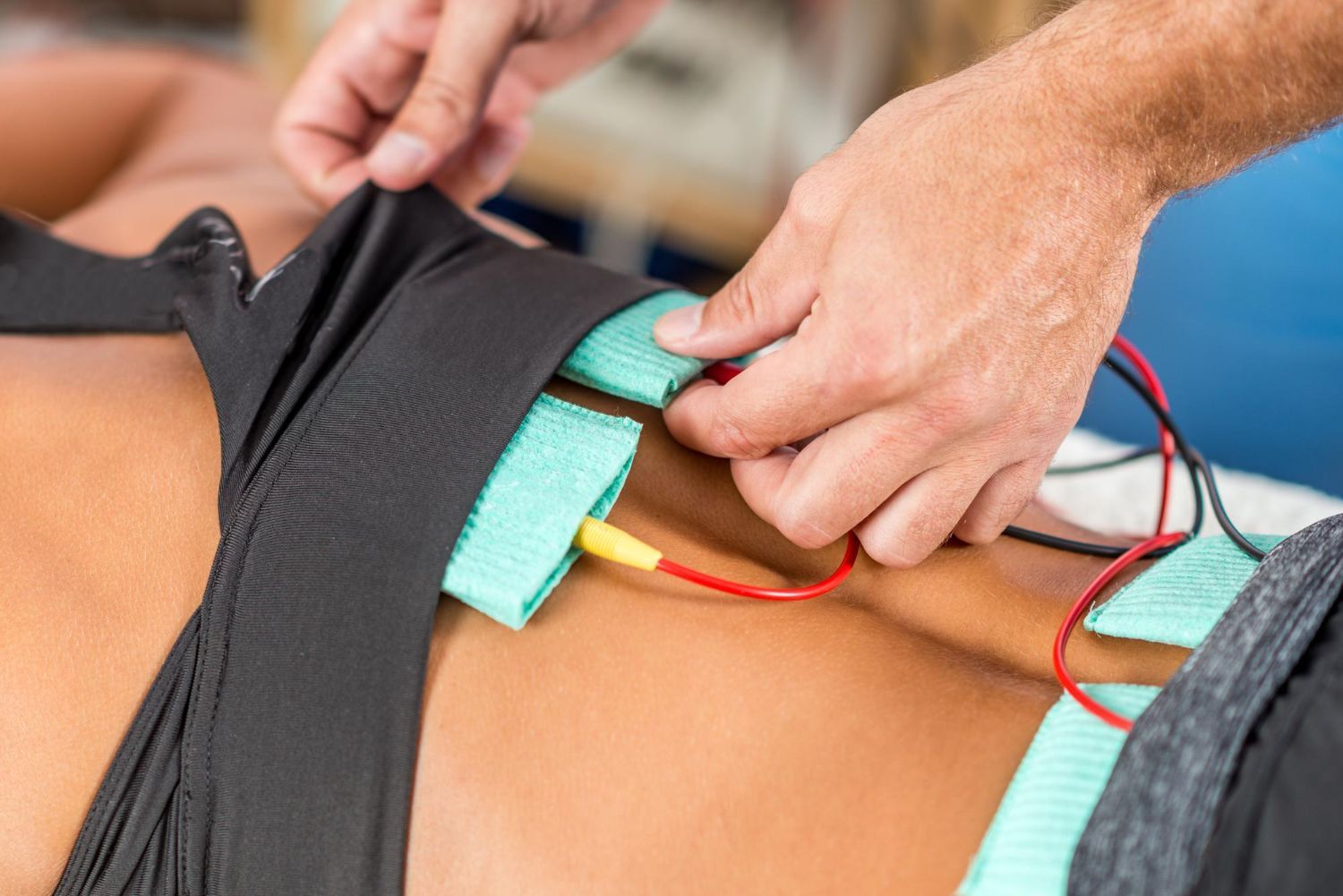
Another advanced technique is spinal cord stimulation. This procedure involves placing a small device under your skin. The device sends electrical pulses to your spinal cord, which can disrupt the pain signals being sent to your brain. This can significantly reduce pain and improve your quality of life. Your pain specialist can help you decide which interventional method is best for your specific situation.
At-Home Remedies and Lifestyle Adjustments for Peripheral Neuropathy
In addition to professional treatments, there are simple at-home remedies and lifestyle changes that can help manage pain from peripheral neuropathy. Keeping active with gentle exercises can improve circulation and help alleviate pain. Activities like walking, swimming, or yoga can keep your muscles flexible and reduce pain over time.
Applying heat or cold packs can also provide temporary relief. A warm bath can relax your muscles and improve blood flow, while an ice pack can reduce inflammation and numb the pain. You can alternate between heat and cold to see which works best for you.
Maintaining a healthy diet is crucial. Eating foods rich in vitamins and minerals can support nerve health. Include plenty of fruits, vegetables, and lean proteins in your diet. Staying away from alcohol and tobacco can also make a big difference, as these substances can worsen neuropathy symptoms.
Wearing comfortable shoes can help too. Proper footwear can reduce pressure on your feet and prevent further nerve damage. Simple changes like these, when combined with professional treatments, can significantly improve your condition.
Conclusion
Managing pain from peripheral neuropathy involves a combination of treatments tailored to your needs. Understanding your condition, exploring medication options, considering interventional techniques, and making at-home adjustments all play a crucial role in controlling the pain. Each method offers its own benefits and can be part of a comprehensive plan to improve your quality of life.
Living with peripheral neuropathy can be challenging, but you don’t have to go through it alone. Working with healthcare professionals can provide you with the best strategies to manage your pain effectively.
If you are struggling with pain from peripheral neuropathy, contact Apollo Spine and Pain Center. Our specialists are here to help you explore the best options for your
pain management, ensuring you get the relief you deserve. Reach out today to start your journey towards a pain-free life.