Comprehensive Interventional Pain Management for Herniated Disc Relief
A herniated disc, often referred to as a slipped or ruptured disc, is a common spinal condition that can cause significant pain and discomfort in the neck, back, and extremities. It occurs when the inner nucleus of an intervertebral disc protrudes through a tear in the outer layer, causing pressure and irritation on nearby nerves. This pressure can lead to pain, numbness, and weakness in the affected area, often making it challenging to perform daily activities and enjoy a pain-free life.
While conservative treatments like pain medications, physical therapy, and exercise can be helpful in managing herniated disc symptoms, they may not always provide lasting relief, particularly for individuals with chronic or severe disc herniations. If you're struggling with pain caused by a herniated disc and seeking alternative treatment options, consider the potential benefits of advanced interventional pain management techniques.
In this article, we'll dive into the various interventional pain management options for treating herniated disc pain, discussing the benefits of these advanced techniques and how they can transform your life. By exploring these innovative treatment options, you'll be better prepared to make informed decisions about your pain relief journey and take decisive steps toward a healthier, happier life.
Epidural Injections: Targeting Disc Herniation-Related Pain
One prominent technique in interventional pain management for herniated disc relief is epidural injections. This minimally invasive procedure involves injecting a corticosteroid, often combined with a local anesthetic or saline solution, into the epidural space surrounding the spinal cord. The corticosteroid targets inflammation around spinal nerves and the affected disc, helping to reduce pain related to nerve compression caused by disc herniation.
Epidural injections offer several advantages for herniated disc sufferers:
1. Direct relief: By injecting the medication directly into the area surrounding the affected disc, epidural injections address the source of pain and discomfort.
2. Reduced inflammation: Corticosteroid medications can decrease inflammation around spinal nerves, providing relief from pain caused by herniated disc impingement.
3. Quick recovery: As an outpatient procedure, epidural injections typically require minimal recovery time, allowing patients to resume their daily activities quickly.
Nerve Blocks: Disrupting Pain Signals for Herniated Disc Relief
Nerve blocks, another interventional pain management technique, can offer additional relief for individuals experiencing pain related to a herniated disc. Similar to epidural injections, nerve blocks involve administering an anesthetic directly to specific nerves or nerve clusters associated with pain transmission. By disrupting pain signals from these nerves, nerve blocks can provide temporary but effective pain relief for herniated disc sufferers.
Benefits of nerve blocks for herniated disc treatment include:
1. Precise targeting: Nerve blocks focus on specific nerves involved in pain transmission, providing targeted pain relief for individuals with a herniated disc.
2. Reduced reliance on medications: By providing direct pain relief, nerve blocks can help minimize the need for oral pain medications, which may have unwanted side effects.
3. Diagnostic tool: Nerve blocks can help pinpoint the exact source of pain, facilitating further targeted treatment decisions.
Spinal Decompression Therapy: Non-Surgical Relief for Disc Herniations
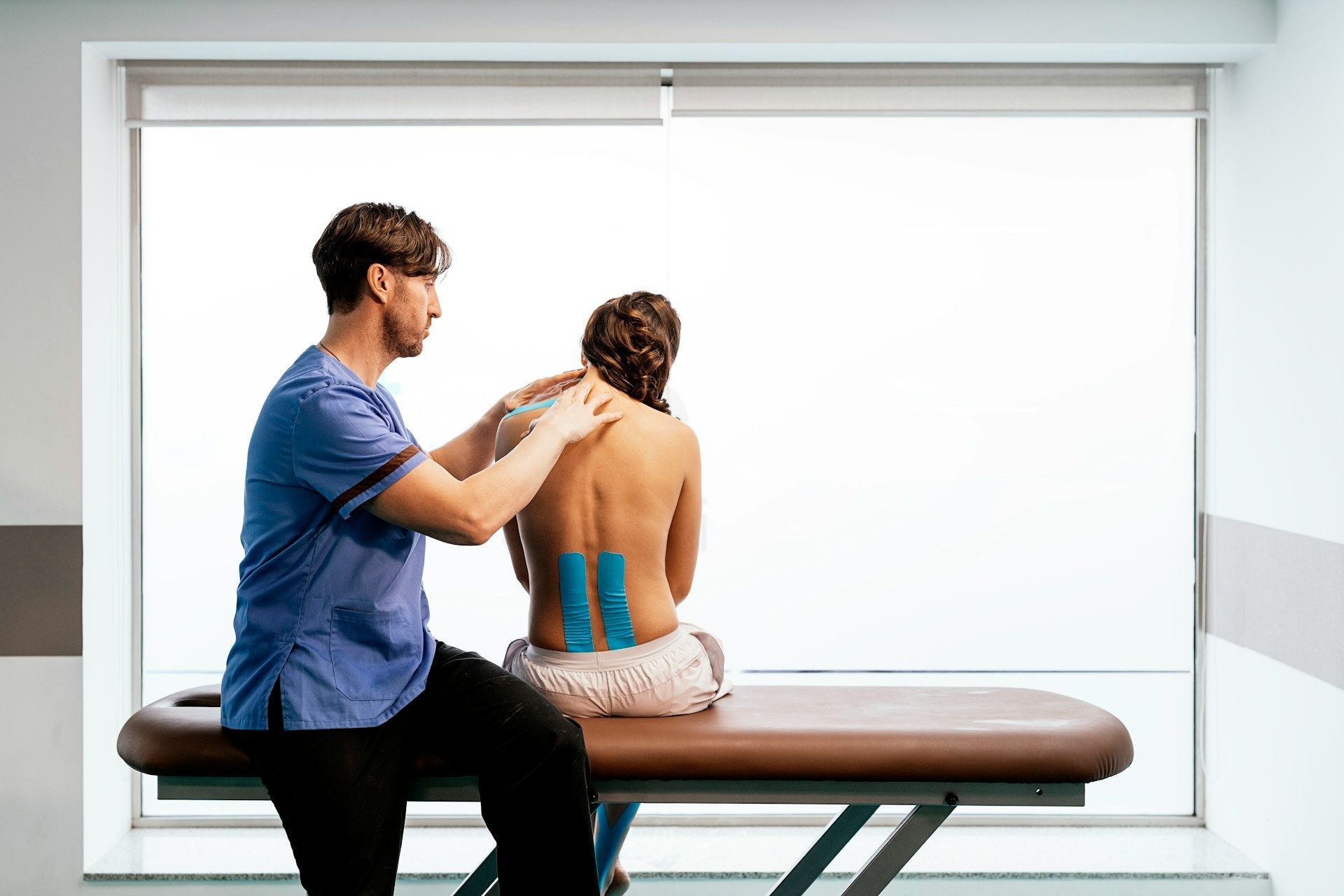
Spinal decompression therapy is a non-surgical treatment option for herniated disc patients, designed to alleviate pain by gently stretching the spine and reducing pressure on spinal nerves. This therapy can be administered through two primary methods: manual spinal decompression performed by a healthcare professional using hands-on techniques or mechanically-assisted spinal decompression utilizing specialized equipment.
Benefits of spinal decompression therapy for herniated disc treatment include:
1. Non-surgical approach: Spinal decompression offers a non-invasive alternative for patients seeking relief from herniated disc pain.
2. Reduced pain: By reducing compression on spinal nerves, spinal decompression therapy can significantly alleviate pain, numbness, and tingling sensations associated with herniated discs.
3. Improved mobility: Increased spinal flexibility and reduced pain levels can contribute to improved mobility and quality of life for herniated disc sufferers.
Regenerative Medicine and PRP Therapy: Supporting Disc Healing
Platelet-rich plasma (PRP) therapy, a regenerative medicine technique, has begun to show promise in treating herniated disc pain by promoting the body's natural healing processes. PRP therapy involves extracting blood from a patient, then separating and concentrating platelets containing growth factors and healing properties. The concentrated PRP is injected into the affected area, enhancing disc tissue repair and reducing inflammation.
Benefits of PRP therapy for herniated disc patients include:
1. Accelerated healing: The growth factors present in PRP can promote faster tissue repair and recovery, potentially treating the underlying cause of herniated disc pain.
2. Natural anti-inflammatory effect: PRP therapy has natural anti-inflammatory properties, helping to reduce pain and improve comfort for herniated disc sufferers.
3. Low-risk treatment: PRP treatments use the patient's blood, reducing the risk of adverse reactions or complications.
Rediscover a Life Unburdened by Herniated Disc Pain with Interventional Pain Management
By incorporating innovative interventional
pain management techniques like epidural injections, nerve blocks, spinal decompression therapy, and PRP therapy, you can regain control of your life from the clutches of herniated disc pain. Our team of pain management specialists is committed to working closely with you, developing a personalized pain relief plan that combines state-of-the-art treatments with compassionate care.
Don't let a herniated disc define your life any longer. Contact our pain management specialists at Apollo Spine and Pain Center today to explore your options for lasting relief and take the first steps toward a brighter, pain-free future.