Post-Car Accident Pain Timeline: What to Do in 72 Hours vs. 2 Weeks
Do Not Ignore That Ache After a Car Accident
Post-car accident pain is easy to brush off, especially if the crash seemed minor and you are able to walk away. But even a low-speed impact can strain your neck, back, joints, or nerves. Pain that starts small can grow over days if early care is skipped.
Adrenaline and shock often hide symptoms in the first hours, so many people do not feel sore until later that day or even the next morning. A simple, step-by-step timeline helps you know what to watch for in the first 72 hours and the first 2 weeks, and when it is time to bring in experts in car accident pain management. Our team at Apollo Spine and Pain Center in North Georgia supports patients with interventional care, imaging referrals, and coordinated treatment after a crash.
The First 24 Hours After a Crash
Right after a collision, your first job is safety. Some symptoms mean you should call 911 or go straight to the ER, instead of waiting it out at home.
Go for emergency care right away if you notice:
- Loss of consciousness, confusion, or trouble speaking
- Chest pain, pressure, or trouble breathing
- Inability to move an arm or leg, or weakness on one side
- Severe or sudden headache
- Heavy or uncontrollable bleeding
Older adults, pregnant people, and anyone on blood thinners should be extra cautious. A bump to the head or sudden jolt to the spine can be more risky in these groups, even if pain is not severe at first.
Once you are safe, start documenting. This may feel like a lot, but it helps doctors understand how your body was stressed and can also support insurance or legal needs later.
Try to note:
- Photos of the vehicles and scene
- Where you were sitting and how your body was positioned
- Whether you hit your head, chest, knees, or other areas
- Any pain, dizziness, or odd sensations, even if they feel minor
For home care in the first day, rest is important, but complete bed rest is not usually helpful. Light movement, such as short walks around your home, can keep stiffness from building up. Cold packs can be used on sore areas during the first 24 hours, usually 15 to 20 minutes at a time with a cloth between the ice and your skin.
Over-the-counter pain relievers can sometimes be helpful, but:
- Talk with a medical professional first if you have kidney, liver, or stomach issues
- Be careful mixing different medications
- Avoid alcohol when you are taking pain medication
Do not push through with heavy lifting, gym workouts, or vigorous sports. This is especially important if you have any neck or spine pain. Returning too quickly to physical work, sports, or school activities can turn a mild strain into a more serious injury.
Hours 24, 72: Signs Your Pain Needs More Than Rest
Many people feel the worst soreness between 24 and 72 hours after a crash. Normal post-accident soreness often includes:
- General stiffness in the neck, shoulders, or back
- Mild headaches that improve with rest
- Muscle tenderness around the seat belt area
These symptoms should stay steady or slowly improve with rest, gentle movement, and basic care.
Red-flag pain is different. Pay close attention if you notice:
- Worsening neck or back pain instead of gradual improvement
- Pain that shoots, burns, or travels into your arms or legs
- New numbness, tingling, or weakness in your hands, feet, or limbs
- Severe or pounding headaches, dizziness, or changes in vision
- Loss of control of your bladder or bowels
These may be signs of a spine, disc, or nerve injury that needs more than time and rest.
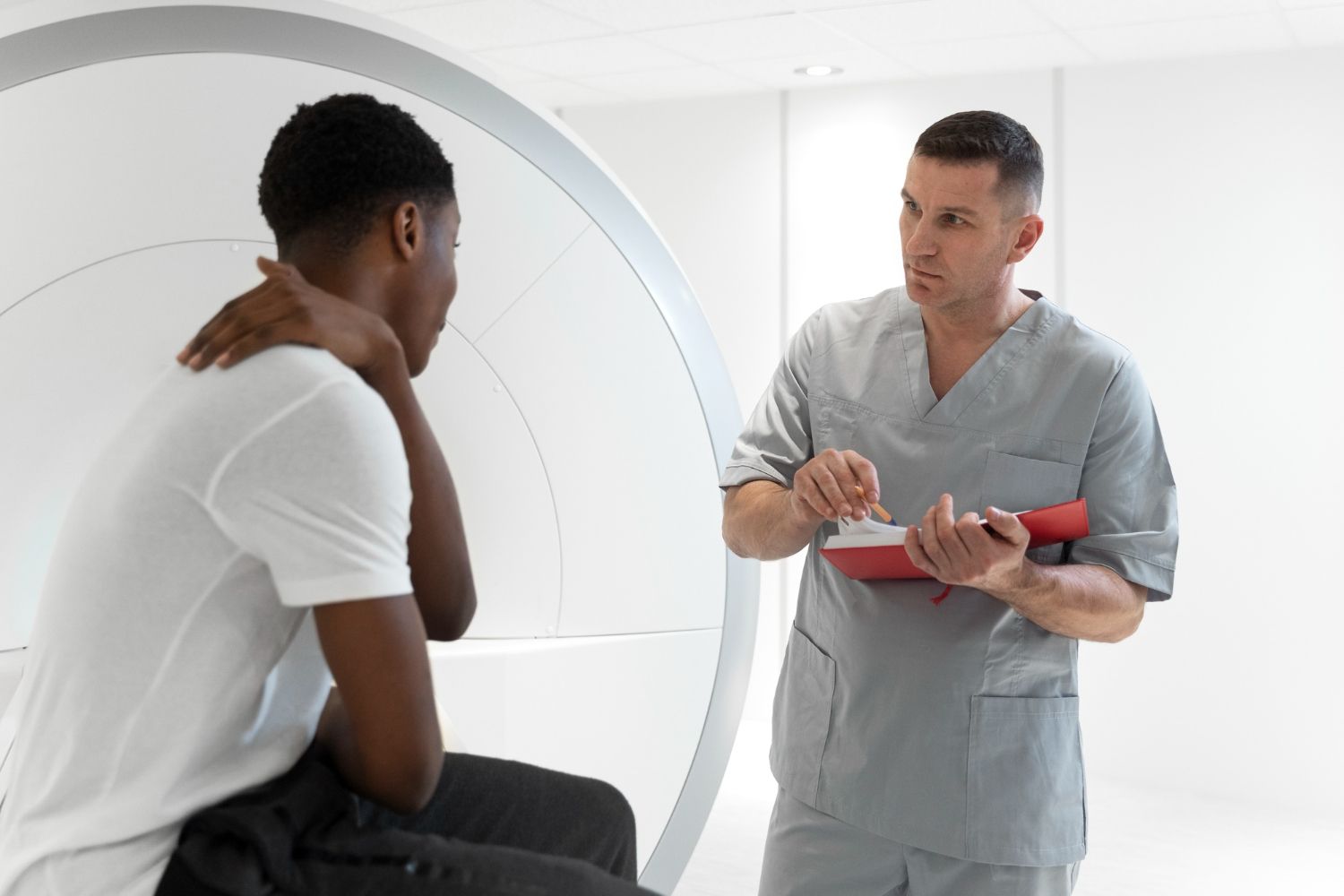
Urgent imaging, such as X-rays, CT scans, or MRIs, may be needed if there is concern for fracture, disc damage, or brain injury. Some injuries should not wait for a routine visit, especially if:
- Pain is escalating or spreading
- Your ability to walk, stand, or use your arms is changing
- You have history of spine surgery or bone weakness
During this 24- to 72-hour window, it can help to connect with a pain or spine specialist if pain is limiting sleep, driving, or basic tasks like dressing and bathing. A clinic like ours at Apollo Spine and Pain Center can assess post-accident pain, help coordinate imaging when appropriate, and map out next steps even before symptoms reach a severe level.
Days 4, 14: Building a Smart Recovery Plan
If the ER or urgent care has ruled out emergencies, the next step is planning your recovery over the first two weeks. This is the time to gently reintroduce movement, protect healing tissues, and prevent long-term stiffness.
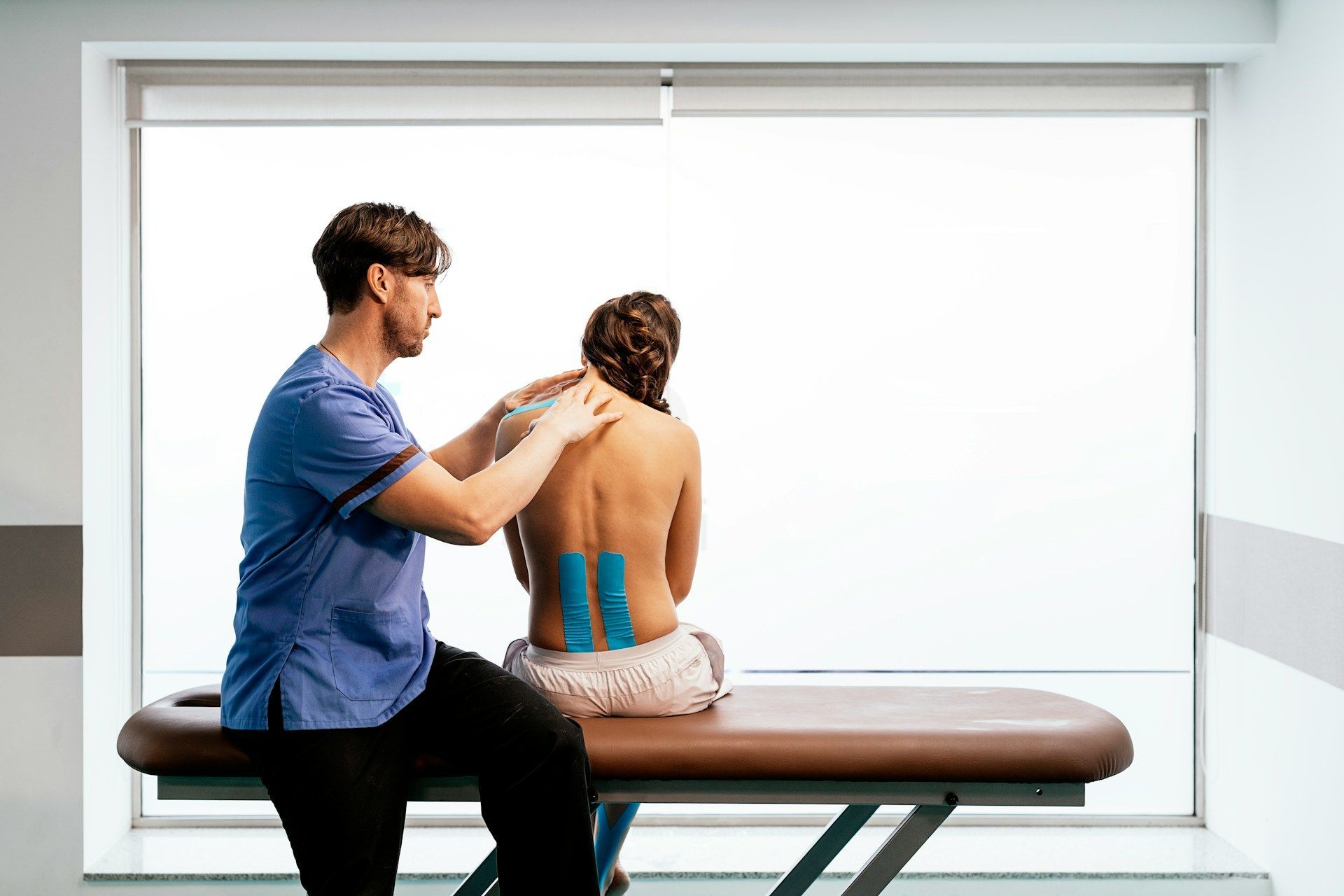
Physical therapy often starts during this period, once any serious structural injuries are addressed. A therapist can:
- Show you safe stretches and movements for the neck, low back, and joints
- Help improve posture while sitting, driving, and working
- Guide you on how much activity is safe so you do not overdo it
Starting PT too late can lead to tight muscles, weak support around the spine, and chronic stiffness.
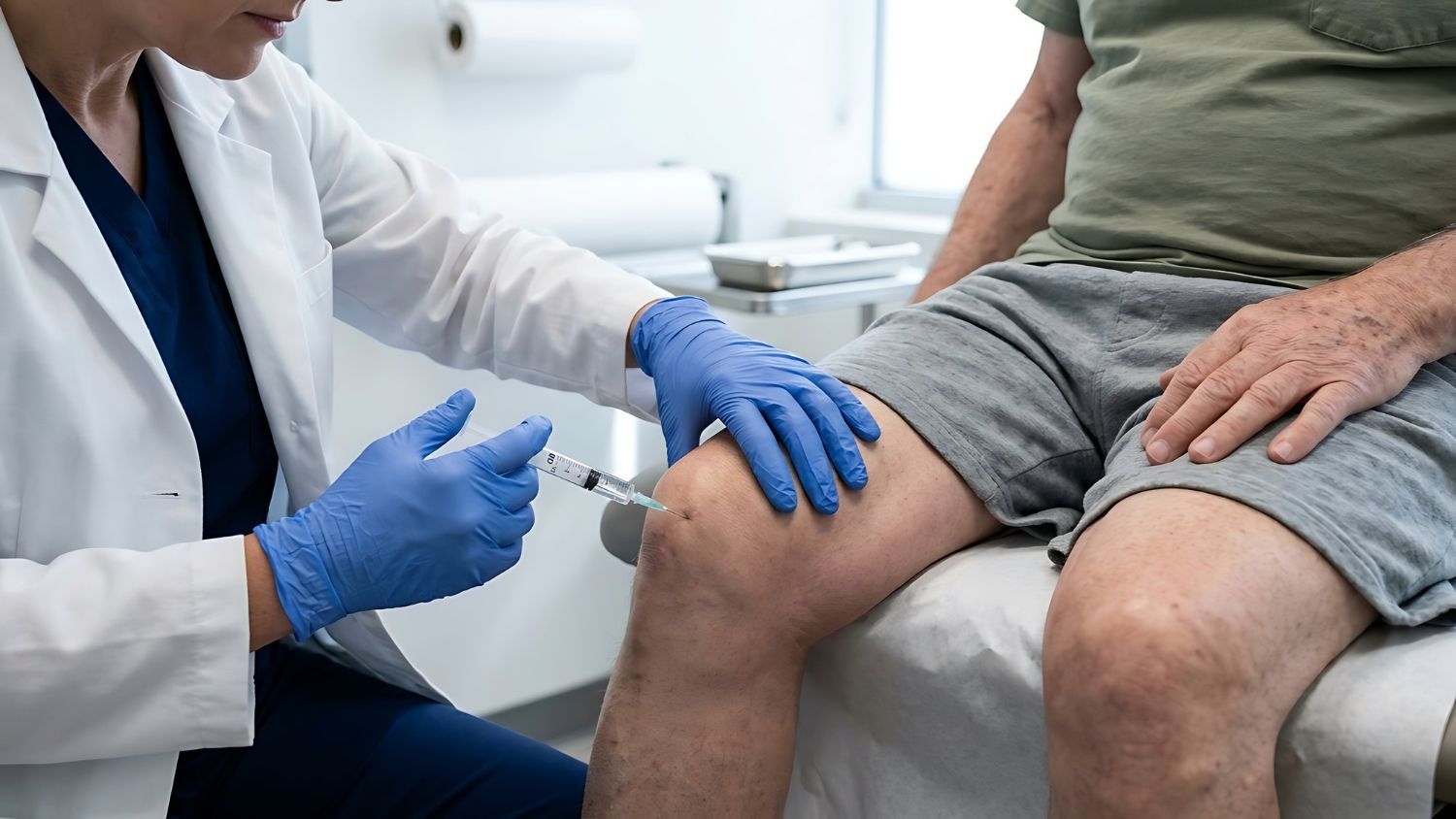
If pain sticks around or focuses in one area, interventional options may be considered. These can include targeted spine or joint injections, nerve blocks, or regenerative medicine therapies for certain soft tissue problems. Not everyone needs a procedure, but some people with stubborn, focal pain that does not respond to conservative care may benefit from these minimally invasive tools as part of a broader plan.
Medication can play a short-term role. A physician may recommend:
- Anti-inflammatory medications
- Muscle relaxers for spasms
- Nerve pain medications for shooting or burning pain
These should be managed by a medical professional who understands your full picture, other medications, and any health conditions. Self-directed refills or dose changes can create new problems instead of solving pain.
Telehealth visits are often helpful during these first two weeks, especially when driving is uncomfortable. At Apollo Spine and Pain Center, we use telehealth visits to review symptoms, check progress, adjust medications, and decide when in-person visits, imaging, or PT should happen.
Preventing Chronic Pain After Two Weeks
Around the two-week mark, it becomes easier to tell if healing is moving in the right direction. Signs that recovery is on track usually include:
- Pain is slowly decreasing, not staying the same
- Sleep is improving
- You can do more daily tasks with less discomfort
- You feel more confident with light work, school, or home activities
On the other hand, warning signs after two weeks include:
- Pain that is stuck at the same level or getting worse
- Frequent or intense headaches
- Ongoing numbness, tingling, or burning pain
- Growing fear of moving your neck, back, or a joint
This is a good time to escalate care to a spine and pain clinic. Consider working with an interventional pain specialist if you have:
- Persistent neck or back pain that affects sitting, standing, or sleep
- Radiating pain, numbness, or tingling into an arm or leg
- Joint pain that makes walking or driving hard
- Pain that disrupts work, parenting, or everyday responsibilities
A clinic like Apollo Spine and Pain Center can bring together imaging review, interventional options such as injections, regenerative therapies when appropriate, medication management, and referrals for PT, all in one coordinated plan.
Untreated post-accident pain can lead to muscle guarding and altered movement patterns. Over time, this can stress other joints and parts of your spine, raising the risk of chronic pain problems. Early, structured car accident pain management gives your body a better chance to heal before daily tasks, school routines, and seasonal activities place greater demands on you.
Take Control of Your Recovery After a Car Accident
The first 24 hours after a crash are about safety, emergency decisions, and documenting what happened. The 24- to 72-hour period is when soreness often peaks and when you should watch closely for red-flag symptoms that may need imaging or urgent care. The first two weeks are the window to start guided movement, PT, and, when needed, interventional care so pain does not become long term.
At Apollo Spine and Pain Center, we help people across North Georgia protect their spine, joints, and nerves after a collision. If pain is not improving, is spreading, or is getting in the way of your normal life, early attention from a dedicated pain management team can make a real difference in how you heal and how you feel in the months ahead.
Regain Comfort And Confidence After Your Car Accident
If pain is affecting your daily life after a crash, we can help you find targeted relief and a clear path forward. At Apollo Spine and Pain Center, our personalized approach to
car accident pain management focuses on treating the source of your discomfort, not just masking symptoms. Reach out today to discuss your symptoms, review your options, and schedule an appointment, or
contact us with any questions.