Optimizing Rehabilitation for Sports Injuries with Pain Management Innovations
In the face of sports injuries, the journey to full recovery can be as demanding as the training that athletes undergo. Pain management is a critical component of rehabilitation, influencing not only a swift recovery but also the effectiveness of the rehabilitation process itself. At our clinic, we specialize in applying the latest innovations in pain management to tailor recovery protocols to the specific needs of each athlete. Our emphasis is on minimizing discomfort and ensuring fast, efficient healing, allowing athletes to return to peak performance as quickly as possible.
Sports injuries, whether acute or chronic, require a strategic approach that integrates advanced pain relief tactics with rehabilitation practices. To successfully address these challenges, we assess the unique pain management needs of each athlete and develop a plan that enhances recovery through cutting-edge treatments, including regenerative medicine. This personalized approach ensures that pain management is not just about symptom relief but is a fundamental support in the physical recovery process, aiming to restore function and prevent future injuries. The dynamic relationship between pain management and physical rehabilitation is fortified by our commitment to innovative strategies and tailored patient care protocols.
Assessing Pain Management Needs in Sports Injury Rehabilitation
When an athlete experiences a sports injury, the immediate concern centers on pain management and the quickest route to recovery. Our tailored approach begins with a thorough assessment of the athlete’s specific needs, taking into account the type of injury, its severity, and the individual’s pre-injury health and fitness levels. This initial evaluation is crucial as it guides the formulation of a targeted rehabilitation strategy that not only alleviates pain but also promotes optimal healing. We employ a range of diagnostic tools, from imaging to functional assessments, to ensure that each layer of the injury is understood and appropriately addressed.
In our clinic, understanding pain responses in different phases of recovery helps us adjust treatments as the rehabilitation progresses. For instance, acute management requires more aggressive pain control methods, while long-term strategies focus on strengthening and conditioning exercises to avoid re-injury. Each plan is dynamic, evolving with the athlete's recovery and incorporating feedback to enhance outcomes effectively.
The Role of Regenerative Medicine in Sports Recovery
Regenerative medicine has revolutionized the way we approach sports injuries, particularly with treatments like Platelet-Rich Plasma (PRP) and stem cell therapies. These innovative technologies harness the body’s own healing mechanisms, enhancing the repair of damaged tissues and, consequently, speeding up recovery times. For athletes, this means a return to sport at their peak performance levels sooner than traditional methods would allow.
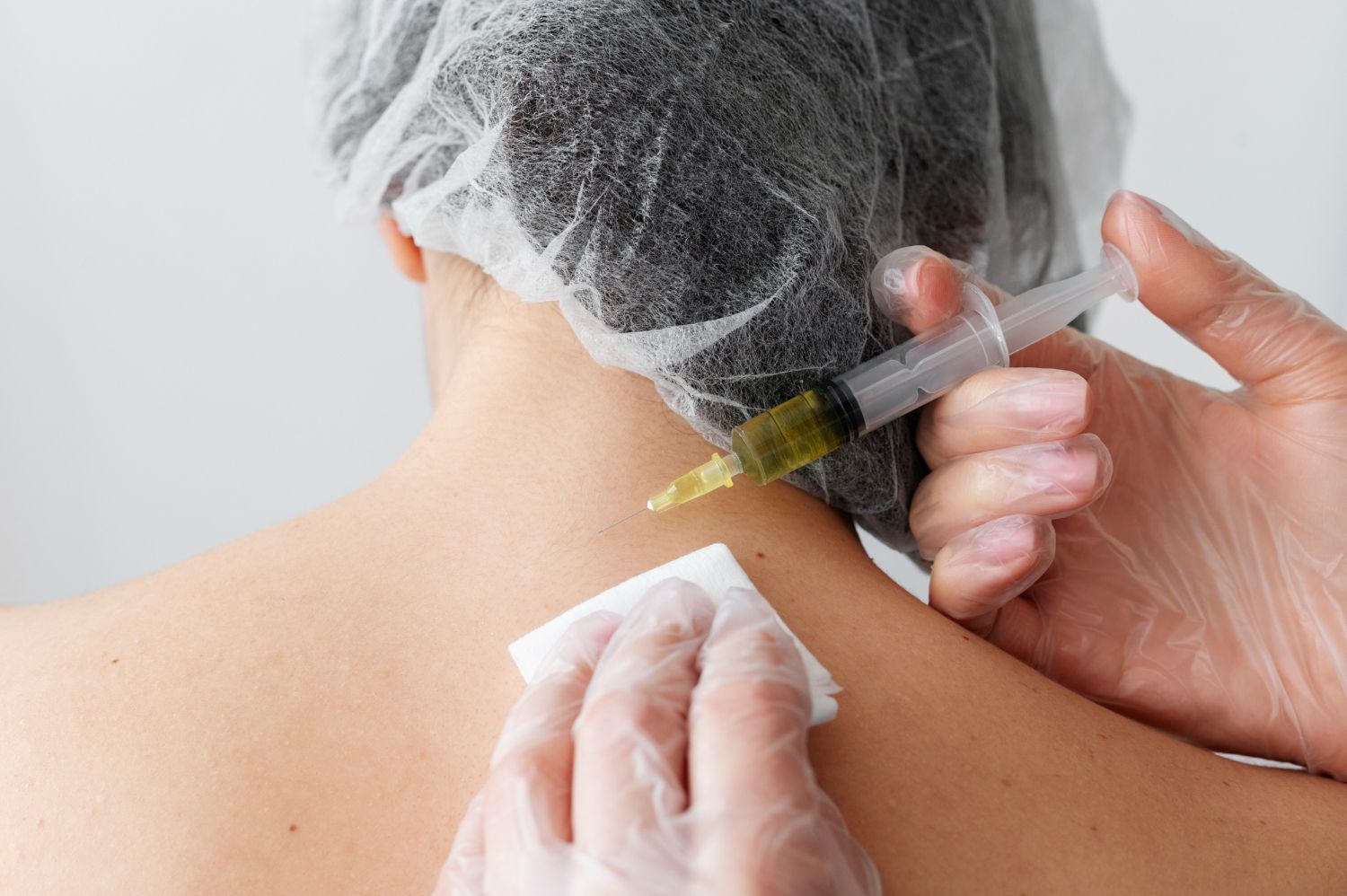
Specifically, PRP therapy involves drawing a small sample of the patient's blood, processing it to concentrate the platelets, and then reinjecting it into the injured area to stimulate tissue repair and new cell growth. This method is highly effective for soft tissue injuries, such as tendinitis or muscle strains, which are common in sports. Similarly, stem cell therapy promotes the regeneration of affected tissue, which is crucial in injuries involving cartilage or ligaments.
Implementing these advanced treatments requires a careful balance of technical skill and precise knowledge of each patient’s unique physiological responses to injury. In our practice, we not only provide these cutting-edge therapies but also ensure continuous monitoring and adjustment of the treatment protocols to maximize the healing potential and minimize downtime for the athlete.
Personalized Pain Management Plans for Athletes
At our clinic, we prioritize the development of personalized pain management plans that are tailored specifically to each athlete’s needs, injury type, and recovery goals. Recognizing that no two injuries are alike, our approach is to work closely with the athlete, incorporating their feedback and observations into the plan. This collaboration ensures that the strategies we implement are not only scientifically sound but also practical and directly attuned to the athlete’s experience of pain and progress.
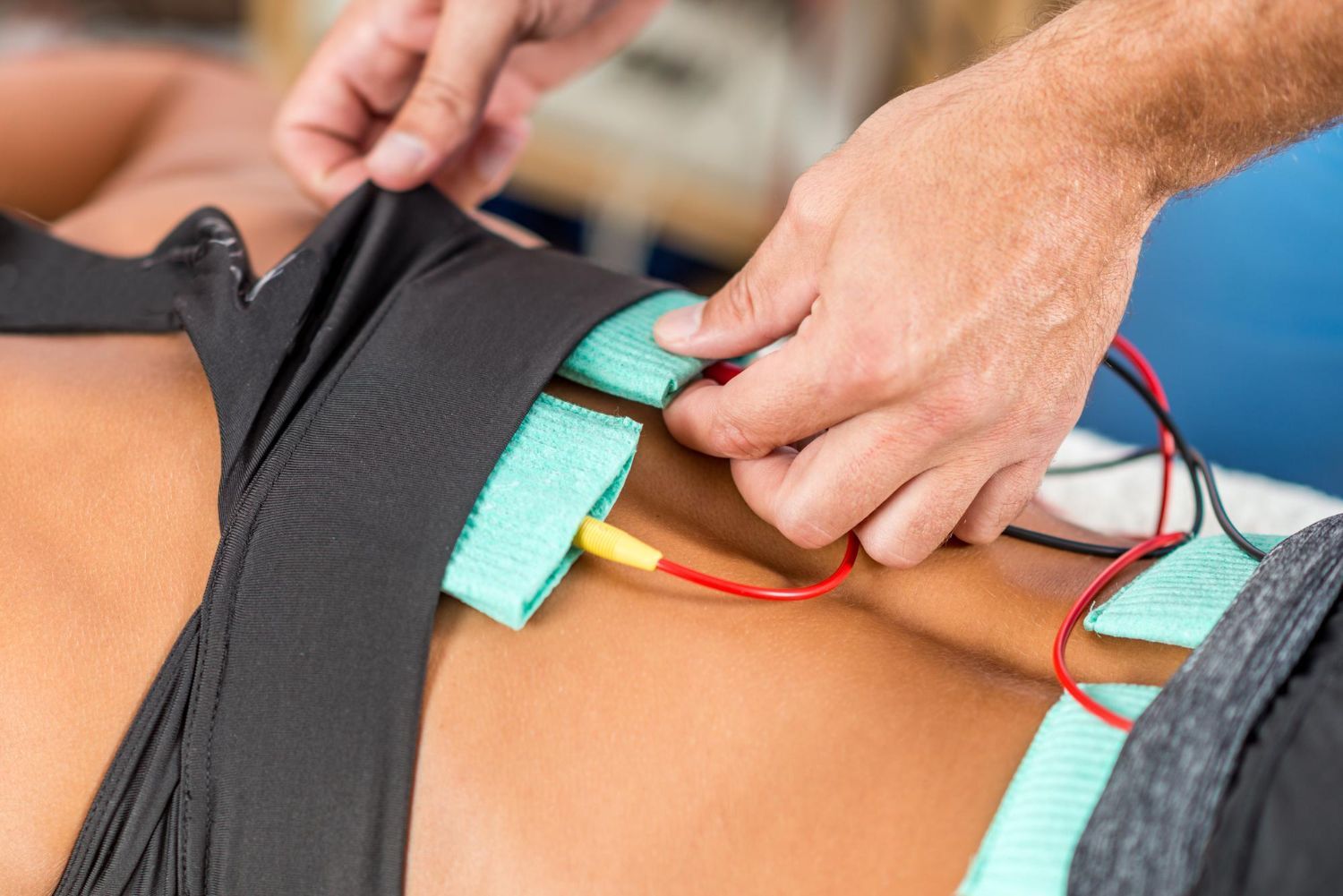
A personalized plan may involve a combination of medication management, interventional procedures, regenerative medicine, and physical therapy. We emphasize the use of real-time pain assessment tools to track improvements and setbacks, making adjustments as necessary. This dynamic method allows us to be responsive and flexible, adapting to changes in the athlete’s condition and ensuring that the recovery process continues to move forward effectively and efficiently.
Evaluating the Outcomes of Innovative Pain Management in Sports Rehabilitation
Continual evaluation of the outcomes of our pain management strategies is essential for both our athletes’ recovery and our ongoing improvement as a clinic. We employ a variety of metrics to gauge the effectiveness of our treatments, from quantitative measures like pain scales and functional scores to qualitative feedback on the athlete’s well-being and ability to return to sport.
These evaluations not only help us to refine the individual athlete’s plan but also contribute to our broader understanding of sports injury management. By systematically analyzing the data we collect, we are able to identify patterns and trends that inform our overall strategy, improving outcomes for all our patients over time. This commitment to evidence-based practice and outcome evaluation ensures our athletes receive the most current and effective treatments.
Conclusion
Optimizing rehabilitation for sports injuries with advanced pain management innovations is more than just a treatment protocol at our clinic; it’s a commitment to each athlete's health and performance. We believe that every athlete deserves a recovery process that is as unique and determined as their commitment to their sport. Our tailored approaches, combined with cutting-edge techniques in pain management, ensure that we can meet this need effectively.
If you are struggling with a sports injury and seeking a pathway back to peak performance, consider reaching out to us at Apollo Spine and Pain Center. Let’s work together to develop a
pain management and rehabilitation strategy that gets you back in the game, faster and stronger than ever.