Telehealth Pain Management for North Georgia Parents: Virtual vs. In-Clinic
Make Chronic Pain Care Easier for Busy North Georgia Parents
Chronic pain can turn simple daily tasks into a real struggle, especially when you are raising kids. Between work, school drop-off, sports practices, homework, and caring for family, it can feel almost impossible to squeeze in an in-person pain appointment.
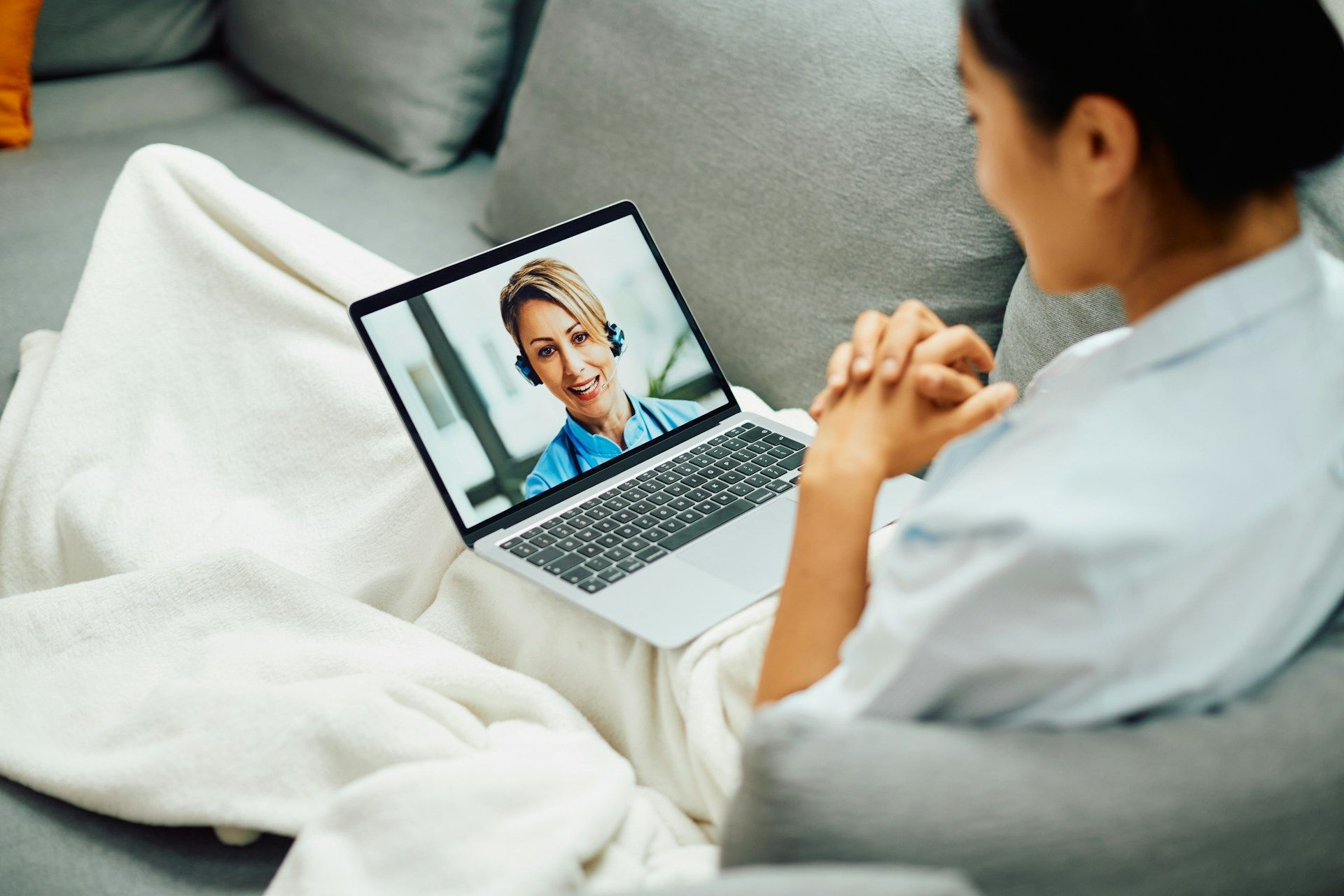
Telehealth pain management makes that easier. With a virtual visit, you can talk with a pain specialist without sitting in traffic or arranging extra childcare. You can stay at home in North Georgia, sign on from a quiet corner, and still receive expert support for your spine, joint, or nerve pain.
This kind of care is especially helpful when life feels packed, like during late summer and back-to-school season, when driving, lifting, and stress can all make pain flare. Some pain issues can be handled fully online, while others still need in-clinic procedures for safe and lasting relief. Knowing the difference helps your family plan better and save time.
How Telehealth Pain Management Works for Your Family
A telehealth visit with a pain specialist is a lot like a regular office visit, only through a secure video screen. You see and talk with the same type of clinician you would meet in the clinic, just from your home, office, or even your parked car while a child is at practice.
In a typical telehealth pain management visit, we may:
- Review your symptoms, including where it hurts and what makes it better or worse
- Go over your medical history and current medications
- Look at any prior imaging you have, such as X-rays or MRIs
- Watch how you move, bend, or turn, if that helps us understand your pain
Many common pain problems can be evaluated and managed this way. These often include long-term low back pain, neck pain from driving or screen time, certain headaches and migraines, and some nerve-related pain.
During a virtual visit, we can:
- Adjust or fine-tune certain medications when appropriate
- Create home stretching or gentle exercise plans
- Give coaching on posture, workstation and car seat setup
- Offer a second opinion about past diagnoses or treatment plans
Everything is done on a private, secure platform. Parents often worry that video care might feel rushed or less personal. In reality, telehealth visits allow focused time to talk, ask questions, and make a clear plan, all with the same level of respect and attention as an in-clinic visit.
Pain Issues You Can Safely Tackle From Home
Not every pain problem needs an in-person visit right away. Many day-to-day issues that parents deal with can be handled through telehealth, especially when the pain is familiar and not severe or rapidly changing.
Telehealth can be a good fit for:
- Mild to moderate flare-ups of chronic back or neck pain
- Follow up visits after a past procedure, once you are home and healing
- Medication check-ins and simple adjustments
- Questions about pain that comes and goes with activity
As family routines change around late summer and early fall, we often see more:
- Back and neck pain from extra driving or carpooling
- Shoulder, knee, or hip soreness from coaching, yard work, or home projects
- Stress-related headaches from busy evenings and short sleep
In a virtual visit, we can give you custom strategies that fit your family schedule, like:
- Short stretching routines you can do while kids are at practice
- Simple posture tips if you work from a kitchen table or home office
- Advice for managing pain during homework time, sports seasons, or travel days
Telehealth is also helpful for triage. If you are not sure how serious your symptoms are, a virtual visit can help sort out whether you can safely manage the issue at home, should plan an in-clinic procedure, or need faster in-person care.
When an in-Clinic Pain Procedure Is the Right Call
Even with good telehealth support, some situations clearly need an in-person evaluation. Safety always comes first, especially when pain is new, severe, or affecting how your body works.
Parents should plan for an in-person visit if they notice:
- Sudden, severe back or neck pain after a fall, car accident, or sports injury
- New weakness, heavy feeling, or numbness in an arm or leg
- Trouble walking or using hands in a normal way
- Loss of control of bladder or bowels
- Pain that quickly worsens despite rest, ice, or simple home care
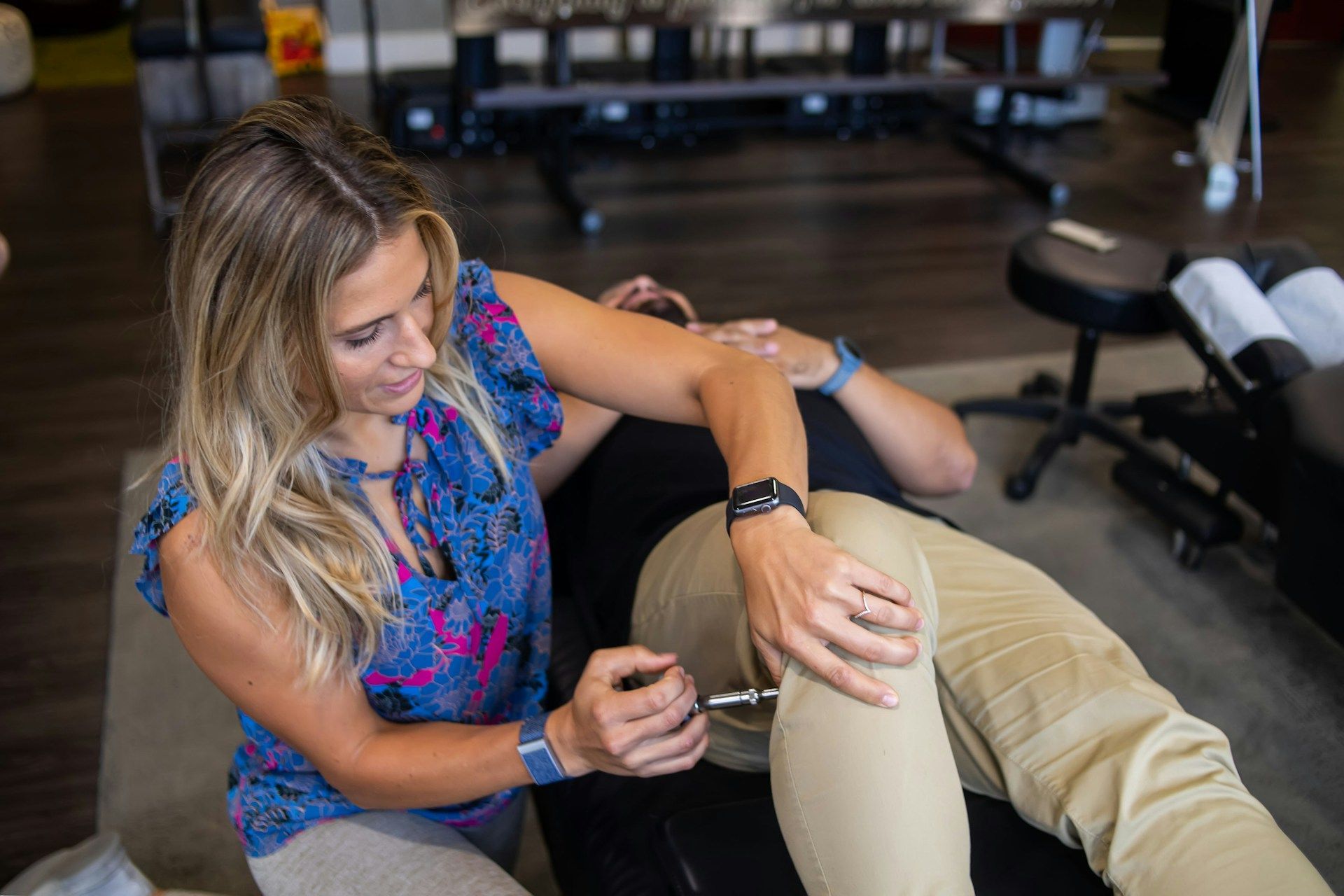
Certain treatments also must be done in the clinic. These might include:
- Epidural steroid injections for spine pain
- Facet joint injections in the neck or back
- Radiofrequency ablation for longer-lasting relief of some joint or nerve pain
- Sacroiliac joint injections for low back and hip area pain
- Specific nerve blocks guided by imaging
These procedures cannot be done virtually because they require:
- Special imaging guidance, such as live X-ray, to place medicine in the exact spot
- Sterile technique and equipment to lower infection risk
- Careful monitoring of your comfort and safety during and right after the procedure
- Hands-on checks to confirm where your pain starts and how your body responds
Telehealth and in-clinic care work best as a team. Often we start with a virtual visit to discuss your pain, review imaging, and explain possible options. If a procedure seems right, we then schedule an in-clinic visit at a time that fits your family rhythm.
Making Telehealth Work Smoothly in a Busy Household
Virtual visits are most helpful when they are calm and organized. A little planning can make the experience smoother for you and for your clinician.
Before your telehealth appointment, try to:
- Choose a quiet room with good light and space to move a bit
- Test your internet, camera, and sound on the device you plan to use
- Have your medication bottles, a list of allergies, and any past imaging reports nearby
- Write down your top questions and goals so we can focus on what matters most
For many North Georgia parents, timing is everything. Helpful options can include:
- Scheduling during nap time, a child’s practice, or after bedtime
- Using headphones so the visit stays private
- Letting older kids know you are on a medical call and should not be interrupted unless it is urgent
If a teen or older family member also lives with pain, telehealth can help them learn to speak up about their symptoms. You can sit nearby for support or join the visit to share history, while still letting them practice talking with the clinician.
If pain suddenly worsens between virtual visits, note the time, what you were doing, and any new symptoms. This information helps us decide if a sooner appointment, a different plan, or in-person care is needed so you are not left guessing what to do next.
Take the Next Step Toward Easier Pain Relief
For many North Georgia parents, the right mix of telehealth and in-clinic care can lower stress and make pain easier to manage. Virtual visits give you access to expert guidance without leaving your home, while in-clinic procedures can provide targeted relief when simple steps are not enough.
At Apollo Spine and Pain Center, our focus is on helping you stay present for the people you love while addressing the spine, joint, and nerve pain that slows you down. With thoughtful planning and the right kind of visit at the right time, your care can fit your real life, not the other way around.
Start Relieving Your Pain With Convenient Virtual Care Today
If you are ready to manage your pain without extra trips across town, we can help you get started with
telehealth pain management that fits your schedule. At Apollo Spine and Pain Center, we combine personalized treatment plans with secure virtual visits so you can focus on feeling better. Schedule your first online appointment today and see how our team can support you from the comfort of your home.