Is Spinal Cord Stimulation Right for Your Pain
Rethinking Spinal Cord Stimulators Before You Say Yes
Chronic back or nerve pain can take over your whole life. A simple walk at the park, a long car ride to visit family, or a day at the lake can turn into something you avoid because you know the pain will flare. When that happens, it is natural to start looking for stronger options, including spinal stimulation for pain control.
Spinal cord stimulators can help the right person, but they are a big step. The device is implanted through a procedure; it changes how your nerves send signals, and it affects your daily routine long term. Before you say yes, it helps to slow down, ask good questions, and make sure you are not skipping safer options that might work just as well for you.
What Spinal Cord Stimulation Really Does
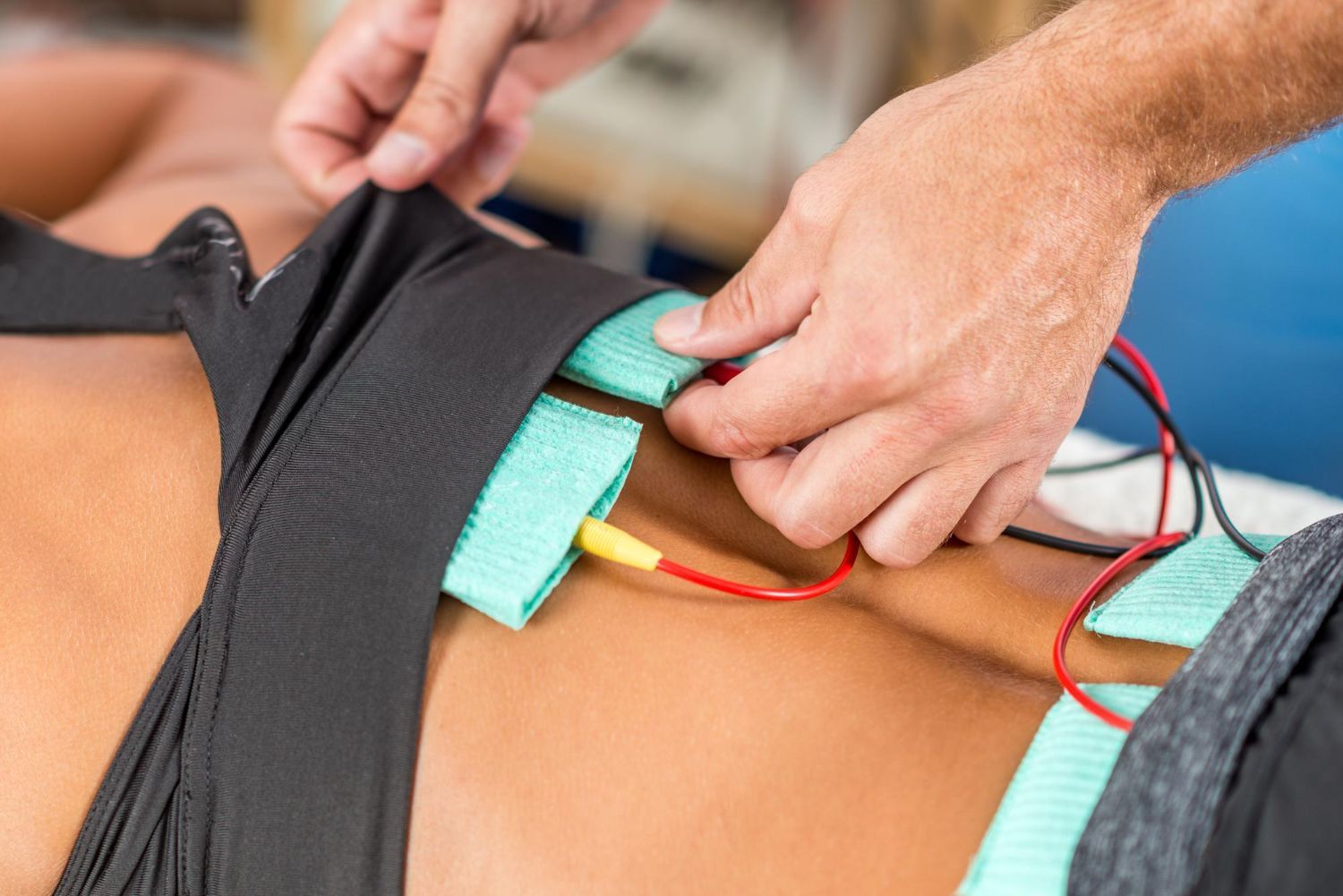
Spinal cord stimulation uses a small device placed under the skin, usually in the back or buttock, with thin wires near the spinal cord. The device sends mild electrical signals to the nerves. These signals change how pain messages travel to the brain, so the brain feels less pain or feels it differently.
Typical candidates for spinal stimulation for pain control often have:
- Ongoing back and leg pain after spine surgery
- Nerve pain that runs down the legs or arms
- Complex regional pain syndrome that causes burning, swelling, or color changes
- Chronic spine or joint-related pain that did not improve with other care
There are some common myths we hear about spinal cord stimulators, and it is important to sort those out:
- Myth: It cures the cause of your pain.
- Reality: It changes how pain is felt but usually does not fix the structural problem.
- Myth: It will erase all pain.
- Reality: Many people still feel some pain, even if it is less than before.
- Myth: It should be the first plan for strong back pain.
- Reality: For most people, it is a later step after other treatments have not helped enough.
The big idea: spinal stimulation for pain control can be helpful, but it is rarely the starting point.
Questions to Ask Before Spinal Stimulation for Pain Control
Before moving toward an implant, it helps to ask yourself and your pain specialist a few key questions.
First, about timing and workup:
- How long has this pain been going on?
- Have you tried noninvasive treatments, and for how long?
- Do you have updated imaging, like MRI or X-rays, and a clear diagnosis?
- Has anyone explained your pain in plain language so you understand the source?
Next, think about benefits and risks together. Possible benefits may include:
- Lower pain levels in common areas like the back, legs, or arms
- Less need for daily pain medicines
- Easier time walking, sleeping, or doing daily tasks
Possible downsides can include:
- Surgical risks, such as bleeding or infection
- Device problems, like movement of the leads or battery issues
- Pain relief that is weaker than you hoped
- Future procedures for adjustments or replacement
It also helps to ask lifestyle questions, not just medical ones:
- How will this affect exercise, bending, or lifting?
- What happens at airport security or with certain scanners?
- How often will I need follow-up visits?
- What is involved when the battery needs to be replaced?
Thinking through these details can keep you from feeling surprised later.
Safer Steps to Try Before an Implantable Device
Before choosing spinal stimulation for pain control, many people can still make progress with less invasive steps. Often, it is not that these options never worked, but that they were not fully tried or were stopped too soon.
Conservative care might include:
- Targeted physical therapy focused on core and hip strength
- Weight management support to lower stress on the spine and joints
- A simple but steady home exercise plan
- Bracing in some cases for short-term support
- Non-opioid medications chosen and monitored by a pain specialist
At Apollo Spine and Pain Center, we also look at interventional procedures that do not involve an implanted device. These may include:
- Epidural steroid injections for certain types of nerve and leg pain
- Facet joint injections that target small joints along the spine
- Medial branch blocks that help find which joints or nerves are the pain source
- Radiofrequency ablation to gently heat and calm pain nerves in the spine
None of these should stand alone. The best results often come from a full plan that brings together:
- Procedures when needed
- Movement and strengthening
- Sleep support and pacing of activities
- Tips on posture, work setup, and body mechanics
This kind of plan takes a bit more time, but it can sometimes delay or even avoid the need for an implant.
When Spinal Cord Stimulation May Be the Right Choice
There are times when spinal cord stimulation is worth serious thought. You may be a better candidate if:
- Your pain has lasted longer than 6 to 12 months
- You have tried several treatments, such as physical therapy and injections, without enough relief
- You had spine surgery and still have strong nerve pain that limits walking or standing
- Pain is making it hard to work, care for others, or enjoy normal daily activities
One helpful part of spinal stimulation for pain control is the trial period. For a short time, temporary leads are placed near your spine and connected to a device outside your body. You can go home and test how much relief you feel during normal daily life.
During the trial, you and your doctor will look for:
- Noticeable pain relief that makes a real difference
- Better sleep, mood, or function
- Any side effects or problems with the stimulation feeling
If the trial does not help enough, you can stop there with no permanent implant.
The final choice about a spinal cord stimulator should be shared between you and a pain specialist who takes time to understand your history, mental health, and hopes. Maybe your goal is to walk around the neighborhood, enjoy outdoor events again, or keep up with work and family. Those details should guide the plan, not just what is available on a list of procedures.
Partner with Apollo to Build a Smarter Pain Plan
At Apollo Spine and Pain Center in Georgia, we believe spinal stimulation for pain control should never be a quick or automatic decision. We focus on careful exams, clear education, and a step-by-step plan that starts with safer options when possible.
When you visit, you can expect a thoughtful review of your story, your imaging, and your goals. We walk through both noninvasive and interventional choices, explain the role of spinal cord stimulation in simple terms, and help you weigh if and when it fits into your long-term pain plan. As seasons change and you think about what you want your daily life to look like, our goal is to help you move with less pain and more confidence, with or without an implanted device.
Discover A Personalized Path To Lasting Pain Relief
If chronic pain is limiting your daily life, we are here to help you explore safe, evidence-based options that fit your needs. At Apollo Spine and Pain Center, our specialists will walk you through whether
spinal stimulation for pain control is an appropriate next step in your treatment plan. We take time to understand your history, answer your questions, and explain what to expect at every stage. Reach out today to schedule a consultation and move closer to the comfort and function you deserve.